
Historical Background and Significance
Origins and Early Development
Zhabei Park originated as the memorial site of Song Jiaoren, a key Chinese republican revolutionary assassinated in 1913. Over time, the park expanded to meet the recreational needs of Shanghai’s growing population, evolving into a vital green space within the historical Zhabei district (That’s Shanghai, Virtual Shanghai).
Song Jiaoren’s Legacy
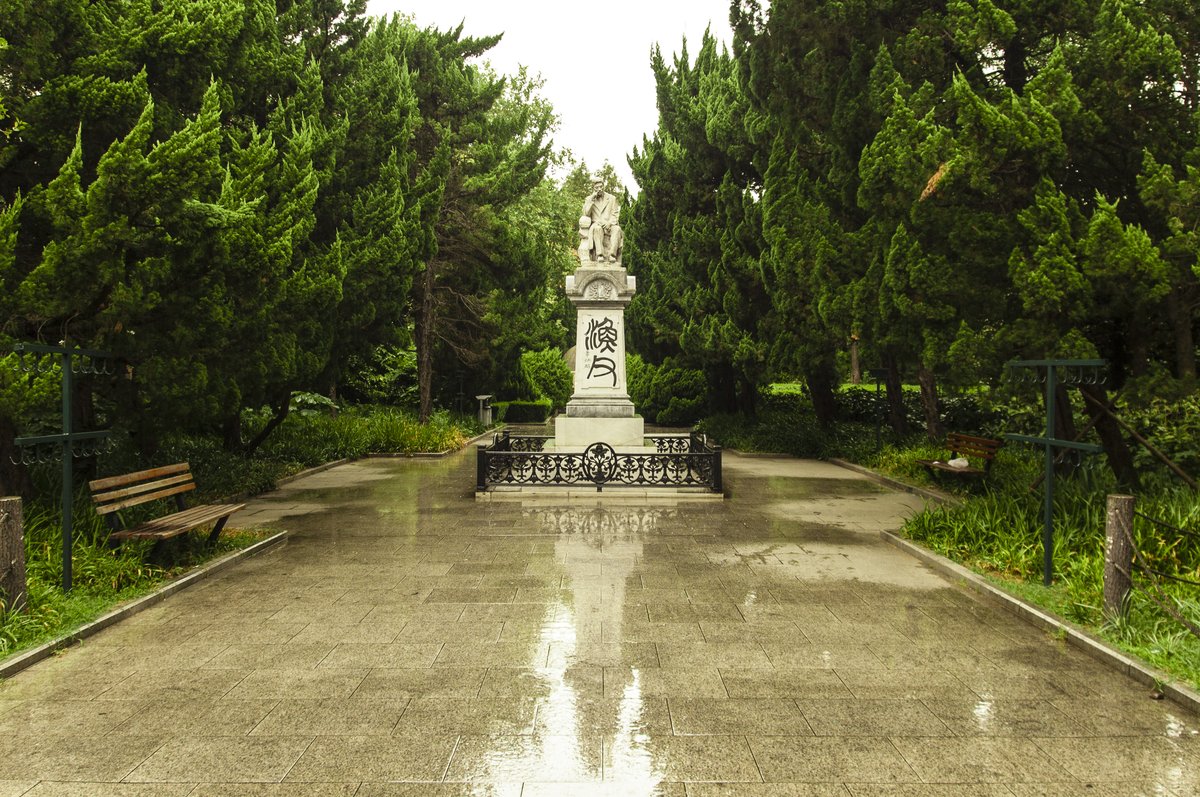
At the heart of the park is a memorial and statue dedicated to Song Jiaoren, co-founder of the Kuomintang (KMT). His presence within the park provides visitors with a direct connection to the political and social transformations that shaped modern China (That’s Shanghai).
Transition and Public Space Evolution
Over its decades-long history, Zhabei Park has transformed from a solemn memorial to a dynamic public park. Today, it is a beloved gathering spot for daily exercise, family outings, and community events, serving up to 10,000 visitors on peak days.
Recent Renovations
Recent upgrades have revitalized Zhabei Park, integrating artistic projects, improved lighting, safer pathways, and enhanced amenities. Notably, the park’s large performance square has been replaced with more intimate, traditional spaces framed by lush plantings and elegant fencing (That’s Shanghai).
Park Layout and Key Attractions
Overall Design and Theme
Zhabei Park spans 16 hectares, artfully blending traditional Chinese and European-style landscaping. The design features a central axis, European-style lawns and fountains, winding paths, rockeries, and classic pavilions, creating a tranquil and visually engaging environment (Trip.com, Shine.cn).
Highlights and Must-See Spots
- Giant Bronze Teapot Sculpture Located at the southern entrance, this iconic sculpture symbolizes the park’s tea culture theme.
- Lu Yu Statue and Tea Culture Wall A tribute to the “Sage of Tea,” Lu Yu, with a nearby relief wall depicting the tea-making process (Shine.cn).
- Song Jiaoren Memorial Explore the memorial building and gravesite commemorating this significant historical figure (Shine.cn).
- Traditional Chinese Pavilion A beautifully decorated pavilion ideal for relaxation and cultural appreciation.
- Central Fountain and Lawns A large symmetrical fountain and manicured lawns provide space for tai chi, group activities, and picnics.
- Go (Weiqi) Corner Popular with local enthusiasts and masters, hosting lively matches, especially on weekends (Shine.cn).
- Tea House and Reading Rooms Enjoy traditional Chinese teas and quiet reading spaces.
- Water Features and Rockeries Ponds, lotus blooms, and intricate rockeries attract both wildlife and nature lovers.
- Seasonal Flower Displays Tulips, cherry blossoms, lotus, chrysanthemums, and red maples create visual spectacles year-round (Trip.com Moments).
Recent Renovations and Environmental Improvements
Artistic Tree Hollow Restoration
A standout among recent upgrades is the transformation of tree hollows into vibrant artworks, painted with eco-friendly materials and depicting animals like pandas and peacocks. This has added whimsy and visual interest throughout the park (Shine News).
Sustainability and Accessibility
The park now features native plantings to support biodiversity, improved paths for wheelchair and stroller access, and enhanced signage in both Chinese and English (Shanghai Government News).
Community and Digital Enhancements
Guided tours, art classes, and environmental workshops are regularly held. Free Wi-Fi and QR codes at major attractions provide digital guides and historical context.
Visitor Information
- Opening Hours 6:00 AM – 9:00 PM daily.
- Admission Free.
- Address 1555 Gonghe New Road, Jing’an District, Shanghai, China (Trip.com).
- Accessibility Wheelchair-friendly paths, accessible restrooms, and ample seating.
- Facilities Children’s playground, exercise zones, clean restrooms, and shaded pavilions.
- Park Rules Keep noise low, do not pick flowers, leash pets, dispose of trash properly, and observe no-smoking areas.
How to Get There
- By Metro Yanchang Road Station (Line 1), Exit 2 (5-minute walk); also accessible via Shanghai Railway Station (Lines 1, 3, 4).
- By Bus Several lines stop nearby; check local schedules.
- By Car Parking available but limited on weekends/holidays.
- By Bicycle Bike-sharing stations are close to park entrances.
Best Times to Visit
- Spring Tulip and cherry blossom displays.
- Summer Lotus blooms and lush greenery.
- Autumn Red maple foliage and fragrant osmanthus.
- Early mornings Quieter, cooler, and ideal for photography (Trip.com Moments).
Activities and Community Life
- Exercise Tai chi, qigong, group dancing, and jogging are common.
- Games Go (weiqi), Chinese chess, and cards.
- Cultural Events Tea ceremonies, art fairs, and seasonal festivals.
- Playgrounds Safe, modern equipment for children.
Food, Refreshments, and Amenities
- On-site Limited options; tea house and snack kiosks.
- Nearby Jing’an District offers a wide selection of restaurants and cafes.
- Picnics Allowed in designated areas; please keep the grounds clean.
Nearby Attractions
- Jing’an Temple
- Shanghai Natural History Museum
- Lu Xun Park
- Tian’ai Road
- Daning Park
- Duolun Road Cultural Street
- Shanghai Circus World
Each can be reached easily, allowing for a full day of exploration (Trip.com).
Weather and Practical Tips
- Climate Hot, humid summers; cool, mild winters. Spring and autumn are ideal (Wanderlog).
- Tips Dress comfortably, bring water and snacks, check weather forecasts, and download a translation app or park map if needed.
Frequently Asked Questions (FAQs)
Q: What are Zhabei Park’s opening hours?
A: Open daily from 6:00 AM to 9:00 PM.
Q: Is there an entry fee?
A: No, entry is free.
Q: Are pets allowed?
A: Yes, on a leash.
Q: Is Zhabei Park wheelchair accessible?
A: Yes, with paved paths and accessible restrooms.
Q: How can I get there?
A: Take Metro Line 1 to Yanchang Road Station or use bus/taxi options.
Q: Are guided tours available?
A: Yes, check the official website or park office for schedules.
Q: Can I take photos in the park?
A: Yes, photography is encouraged—especially during flower seasons.
View Zhabei Park on Google Maps
Summary and Visitor Tips
Zhabei Park exemplifies Shanghai’s dedication to preserving its historical and cultural roots while embracing modern sustainability and community engagement. With its free admission, accessibility, variety of attractions, and central location, the park is an ideal destination for visitors of all ages. Whether you’re interested in republican history, tea culture, floral displays, or simply a quiet retreat from the city, Zhabei Park offers a uniquely rewarding experience.
Visitor Tips:
- Visit early for tranquility and best photos.
- Respect park rules and local customs.
- Combine your trip with other nearby sites for a richer itinerary.
- Stay updated by checking park announcements and local tourism websites.