
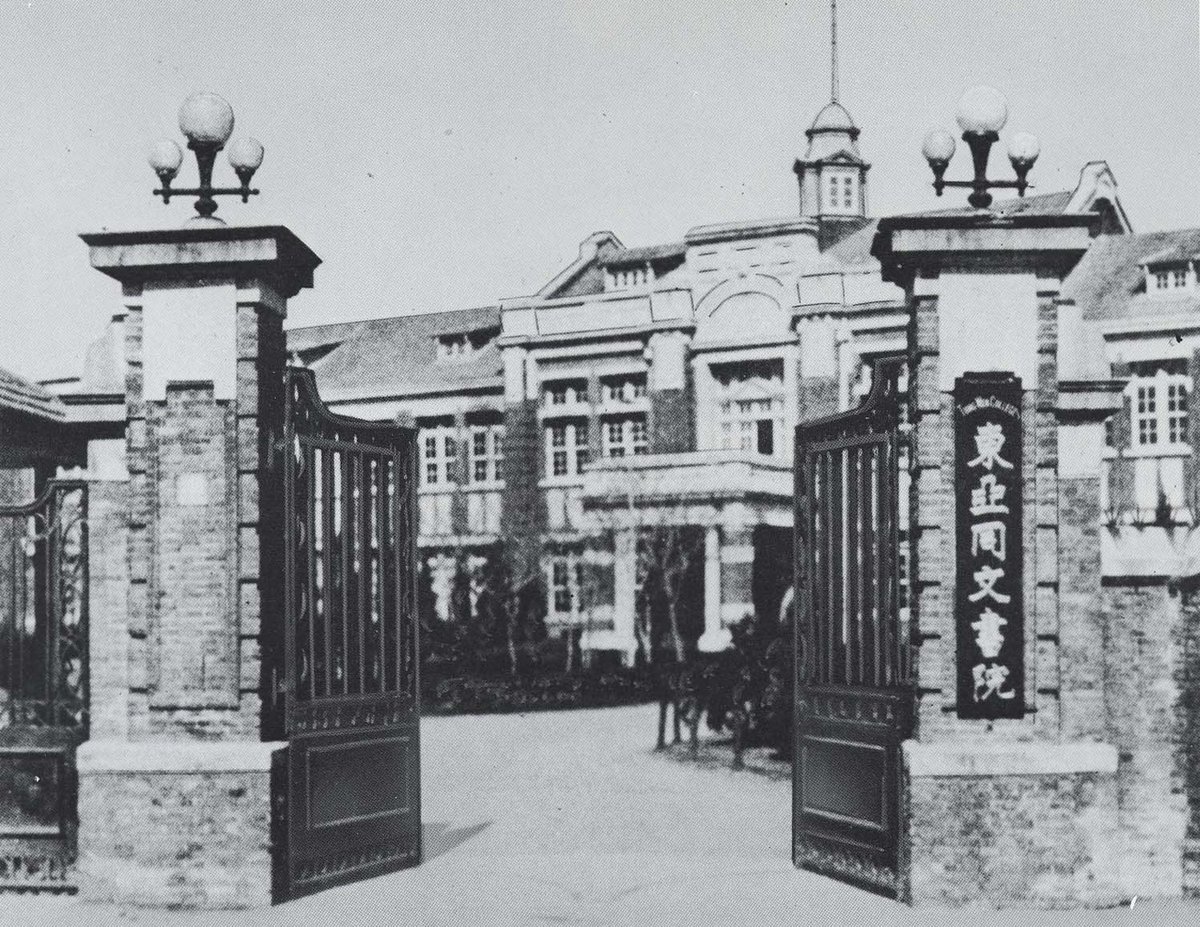
Origins and Educational Role
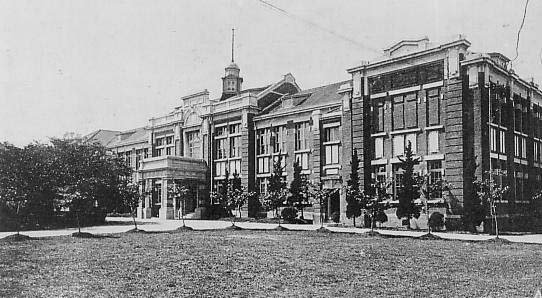
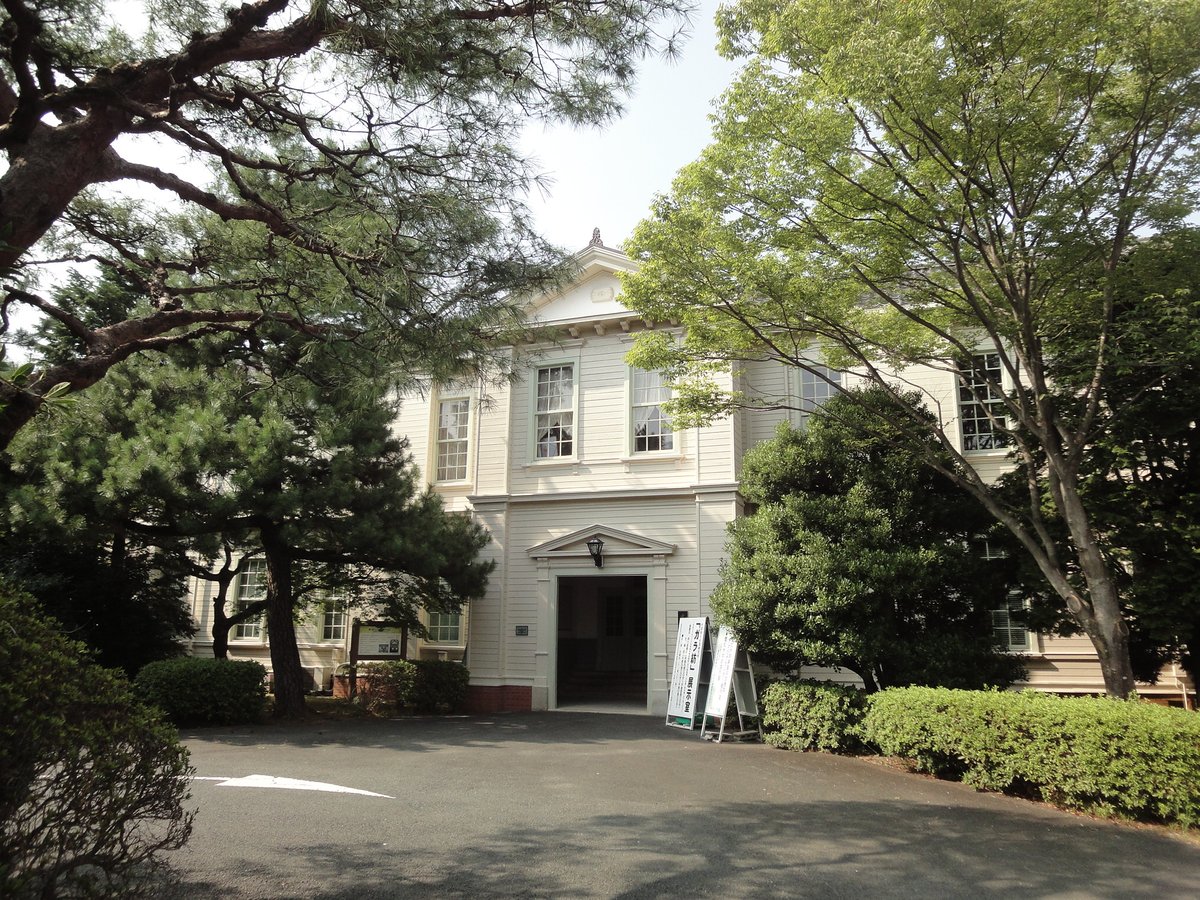
Toa Dobunshoin University was founded in 1901 by Japanese intellectuals and the Toa-dobunkai organization, with strong government backing. The institution aimed to foster mutual understanding between Japan and China, offering a curriculum centered on language, economics, international relations, and culture. Located in a rapidly internationalizing Shanghai, the university became a hub for scholars, diplomats, and business leaders, thriving until its closure in 1945 due to World War II. Its academic mission continues today through Aichi University in Japan.
Architectural and Urban Significance
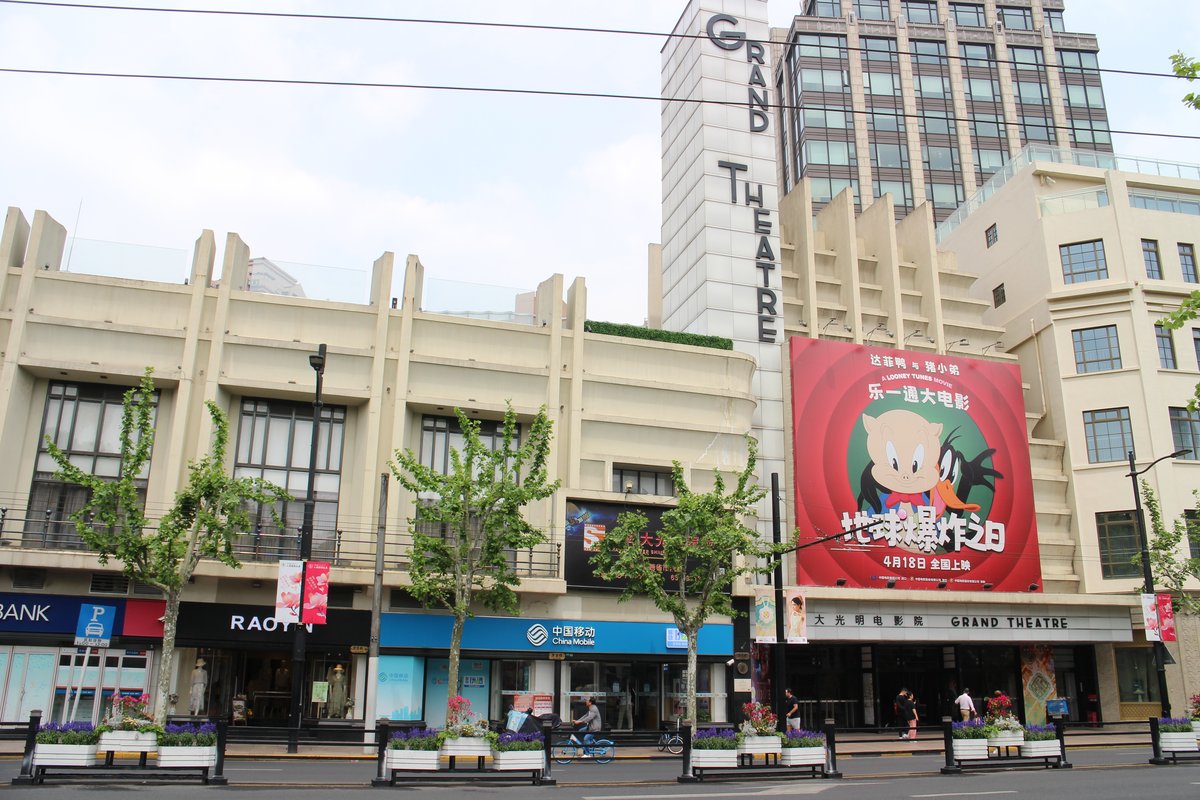
The university’s campuses were situated in Hongkou and later Xujiahui (Zikawei), both districts noted for their international character and architectural diversity. Although the original buildings were largely lost or repurposed after 1945, their legacy endures through commemorative plaques, local heritage trails, and the ongoing academic exchange programs connected to Aichi University (Wikipedia).
Visiting Toa Dobunshoin University Site: Practical Information
Locations and Accessibility
- Hongkou District The primary historical area, accessible via Metro Line 3 and Line 8 (e.g., Hailun Road, Tilanqiao stations).
- Xujiahui (Zikawei) District Later campus locations, accessible via Metro Lines 1, 9, 11, and 10 (Hongqiao Road, Xujiahui stations).
- Walking Both districts are pedestrian-friendly, making them ideal for heritage walks.
Visiting Hours and Tickets
- Hours The historical sites are located in open public areas and can be visited during daylight (recommended 8:00 AM–6:00 PM).
- Tickets No entrance fee is required for the university sites themselves. Some nearby museums may require separate tickets.
Onsite Experience
Visitors will find commemorative plaques marking the university’s former locations and can appreciate the surrounding early 20th-century architecture. Local heritage tours provide detailed context about the university’s impact and the broader multicultural history of the area.
Guided Tours and Events
Numerous local tour operators offer heritage walks that include the former Toa Dobunshoin University sites within broader explorations of treaty port history and Japanese influence in Shanghai. Special exhibitions and lectures are occasionally organized by the Shanghai Museum, Shanghai Library, and Aichi University, focusing on the university’s academic legacy and Sino-Japanese relations.
Cultural and Historical Significance
Cross-Cultural Exchange
As a pioneering institution for Japanese-Chinese academic relations, Toa Dobunshoin University played a crucial role in promoting dialogue and understanding during a complex period of East Asian history. Its curriculum and community reflected Shanghai’s unique status as a melting pot of ideas, cultures, and international partnerships.
Shanghai’s International Identity
The university’s existence and influence underscore Shanghai’s long-standing reputation as a cosmopolitan city, where international institutions shaped its educational, cultural, and social landscape. Today, this legacy continues through academic programs and cultural events connecting Shanghai to Japan and beyond.
Nearby Attractions
- Shanghai Jewish Refugees Museum Documents the history of Jewish refugees in Shanghai during WWII.
- Lu Xun Park Features gardens, a museum, and the tomb of famed writer Lu Xun.
- Xujiahui Cathedral A neo-Gothic church reflecting the district’s international heritage.
- The Bund Iconic waterfront promenade with colonial-era architecture.
Etiquette and Responsible Tourism
- Approach all historical sites with respect, acknowledging their sensitive role in Sino-Japanese history.
- Photography is generally permitted, but always be courteous toward residents and avoid disruptive behavior.
- Guided tours are recommended for a deeper understanding of the site’s historical context.
Best Visiting Times and Weather Considerations
- Spring (March–May) and Autumn (September–November): Offer mild temperatures and are ideal for walking tours.
- Summer (June–August) Can be hot and humid; bring appropriate clothing and an umbrella (China Highlights).
- Accessibility The metro system is extensive, but some areas may have uneven pavements.
Frequently Asked Questions (FAQ)
Q: Is there an entry fee to visit the Toa Dobunshoin University sites?
A: No, the sites are public and free to explore.
Q: What are the visiting hours?
A: Open daylight hours, typically 8:00 AM–6:00 PM.
Q: Are guided tours available?
A: Yes, several local guides and organizations offer heritage tours.
Q: Can I take photos?
A: Photography is allowed; please be respectful of people and property.
Q: How do I get there by public transport?
A: Use Metro Lines 1, 3, 8, 9, 10, 11, or 12 depending on the district.
Q: Where can I find more historical information?
A: Aichi University in Japan maintains archives and resources, and the Shanghai Library also houses relevant collections (Aichi University).
Travel Essentials
- Visa Most travelers need a visa; Shanghai offers a 144-hour visa-free transit for many nationalities (Shanghai Government).
- Currency Chinese Yuan (CNY); mobile payments like Alipay and WeChat Pay are widely used.
- Language English is limited; translation apps are helpful.