Introduction
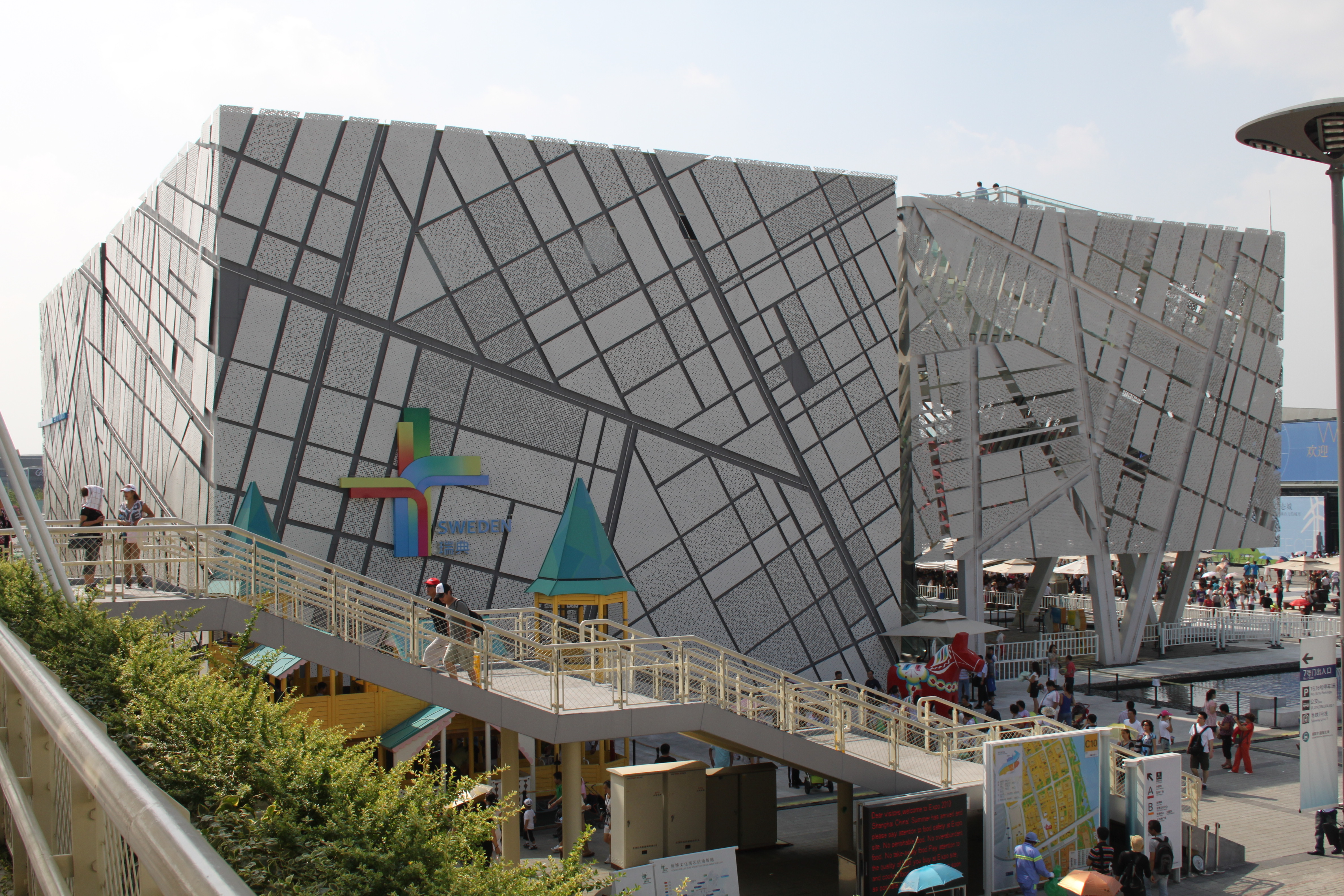
The Sweden Pavilion in Shanghai stands as a testament to Swedish innovation, sustainability, and cultural diplomacy. Originally built for Expo 2010 Shanghai China, its distinctive design and immersive exhibitions highlighted Sweden’s commitment to environmental responsibility, social welfare, and creative problem-solving. Though the original structure was dismantled after the Expo, the pavilion’s legacy continues through exhibitions, cultural events, and ongoing Swedish participation in major Shanghai forums. Today, the Sweden Pavilion’s story is woven into the city’s cultural fabric, making it a must-visit for enthusiasts of sustainable architecture, international relations, and Scandinavian culture (Discover China Guide; ArchDaily; Sweden Abroad; Shanghai Deep Tour).
- Historical Background and Architectural Design
- Thematic Focus and Visitor Experience
- Cultural and Diplomatic Significance
- Visitor Information: Hours, Tickets, and Accessibility
- The Sweden Pavilion Legacy and Nearby Attractions
- FAQs
- Conclusion
- References and Further Reading
Historical Background and Architectural Design
Origins and Purpose
The Sweden Pavilion was created for Expo 2010 Shanghai China, which welcomed over 73 million visitors and more than 190 participating countries. Sweden’s aim was to present its innovative approaches to urban sustainability, environmental technology, and social welfare. The pavilion’s official theme, “Spirit of Innovation,” reflected Sweden’s global leadership in creative problem-solving and green technology. The structure also served as a bridge for cultural exchange and bilateral engagement with China (Sweden Abroad).
Architectural Design
Led by Sweco Architects, the pavilion’s architecture embodied sustainable design and Swedish values. Four interconnected cubes, representing innovation, sustainability, nature, and everyday life, were arranged in a cross-shaped plan reminiscent of the Swedish flag (ArchDaily). The building featured:
- Glass facades for natural light and transparency.
- Sustainable wood from Swedish forests.
- Steel framework for flexibility and open interiors.
- A green roof for insulation and rainwater management.
Inside, the pavilion offered thematic exhibition spaces, a central atrium, and public areas with Swedish cuisine and design products.
Lasting Influence
After the Expo, the Sweden Pavilion’s influence persisted in Shanghai’s architectural scene, inspiring further integration of sustainable practices and Scandinavian design concepts. Its legacy lives on in exhibitions at the Expo Museum, the China Art Museum, and ongoing Swedish cultural events in the city.
Thematic Focus and Visitor Experience
“Spirit of Innovation”: Core Theme
The pavilion’s exhibitions and activities revolved around sustainability, innovation, and communication (Wikipedia). Five main halls showcased Swedish achievements:
- Swedish Atmosphere Hall: Welcoming visitors with landscapes and images of Swedish life.
- Hall of Environmental Challenges: Presenting Sweden’s journey from pollution to ecological restoration using interactive displays.
- Hall of Solutions: Demonstrating practical solutions for eco-friendly living.
- Hall of Spirit of Innovation: Featuring a popular 14-meter slide and displays of Swedish inventions.
- Play and Inspiration Zone: Encouraging creativity through play, inspired by Swedish literature and design (Wikiwand; expo2010china.hu).
Interactive and Educational Activities
Throughout the Expo, forums on urban development and children’s literature seminars reinforced the pavilion’s role as a platform for sustainability and cultural dialogue. The interactive elements, such as the giant slide and playground, engaged visitors of all ages.
Cultural and Diplomatic Significance
Foundation of Bilateral Relations
Sweden was the first Western country to recognize the People’s Republic of China in 1950 (Sweden Abroad). The pavilion, especially during events like the China International Import Expo (CIIE), remains a focal point for celebrating diplomatic milestones and strengthening cooperation in trade, education, and the environment.
Platform for Economic and Cultural Exchange
During major expos and forums, the pavilion hosts Swedish companies, showcases green technology, and fosters research partnerships (Sweden Abroad). Cultural events introduce Chinese audiences to Swedish traditions, cuisine, and art, enhancing mutual understanding and tourism.
Visitor Information: Hours, Tickets, and Accessibility
While the original pavilion no longer stands, its legacy is accessible at the Expo Museum and through Swedish cultural programming during major events.
Expo Museum (Former Expo Site, Puxi Area)
- Hours: Tuesday–Sunday, 9:00 AM – 5:00 PM; closed Mondays.
- Tickets: General admission is free; special exhibitions may require tickets (approx. 20 RMB).
- Accessibility: Wheelchair accessible, with ramps and elevators.
- Getting There: Metro Line 8 (China Art Museum Station) or Line 13 (Expo Museum Station).
Sweden Pavilion at Major Events (e.g., CIIE at NECC)
- Hours: Typically 9:00 AM – 6:00 PM during event periods.
- Tickets: Free admission, but registration may be required for special exhibitions or guided tours. Check official event or embassy pages for details.
- Accessibility: Ramps, elevators, and multilingual support available.
Visitor Tips
- Book guided tours in advance during major expos.
- Spring and autumn are ideal for visiting Shanghai’s Expo sites.
- Use translation apps for ease of navigation.
- Photography is generally allowed, but always check exhibition-specific rules.
The Sweden Pavilion Legacy and Nearby Attractions
Expo Museum
- Exhibits on World Expos, including dedicated sections on Sweden’s contributions.
China Art Museum
- Former China Pavilion, now one of Asia’s largest art museums, with exhibitions on international cultural exchange.
Expo Axis and Riverside Park
- Scenic pedestrian boulevards, event spaces, and riverside parks for walks and leisure.
Other Attractions
- Mercedes-Benz Arena for performances.
- Xintiandi district for dining and shopping.
FAQs
Q: Is the original Sweden Pavilion still standing in Shanghai?
A: The pavilion was dismantled after Expo 2010. Its legacy continues at the Expo Museum and through Swedish programming in Shanghai (Shanghai Deep Tour).
Q: Where can I learn about the Sweden Pavilion today?
A: Visit the Expo Museum for exhibits on the Expo and Sweden’s role.
Q: Are the Expo Museum and China Art Museum accessible?
A: Yes, both offer facilities for people with disabilities.
Q: What are the best times to visit?
A: Spring (March–May) and autumn (September–November) offer pleasant weather (China Highlights).
Q: Are guided tours available?
A: Yes, during major events and via local tour operators.
Listen to the full story in the app
Your Personal Curator, in Your Pocket.
Audio guides for 1,100+ cities across 96 countries. History, stories, and local insight — offline ready.
Audiala App
Available on iOS & Android
Join 50k+ Curators
Sources
- verified
- verified
- verified
- verified
- verified
- verified
- verified
- verified
Last reviewed:


