
Visiting Details
Visiting Hours
- Historic Campus Open daily, 9:00 AM–5:00 PM (last entry at 4:30 PM).
- Riverside Promenade Open during daylight hours.
- Note Some buildings may have restricted access on holidays or during events. Always check the university’s official site or local listings for updates.
Ticket Information
- Admission Free for all public areas and major historic buildings.
- Guided Tours Available through local operators and educational institutions. Advance booking is advised for in-depth experiences.
Accessibility
- Paths and Entrances Most of the campus, including the riverside walkway, is wheelchair accessible.
- Historic Structures Some older buildings have limited accessibility due to preservation rules. Contact visitor services in advance for assistance.
Getting There
- Metro Line 10 to Jiaotong University Station (10-minute walk west on Wanhangdu Road). Alternative: Lines 3, 4, or 11 to nearby stations.
- Bus Multiple routes serve Wanhangdu Lu and surrounding areas.
- Taxi Request drop-off at East China University of Political Science and Law.
Travel Tips
- Visit in spring or autumn for the best weather and campus scenery—especially to see the ancient ginkgo tree in late autumn.
- Wear comfortable walking shoes.
- Download a campus map from the university website or pick up one on site.
- Photography is encouraged (drones may be restricted).
- Bring water and snacks, as food options on campus are limited.
Nearby Attractions
- Jing’an Temple Iconic Buddhist temple, 15 minutes by car.
- Shanghai Natural History Museum Within 2 km, suitable for families.
- Suzhou Creek Promenade Enjoy riverside walks and views.
- Xujiahui Park Former St. John’s University grounds, with memorials and gardens.
Foundation and Early Development (1879–1905)
Founded by William Jones Boone and Joseph Schereschewsky, St. John’s began as a missionary college offering Western-style education. By 1881, it provided full English-medium instruction and quickly became a top choice for Chinese students seeking modern education (Cloud-Cuckoo-Land).
Academic Prestige and Influence (1905–1949)
Renamed St. John’s University in 1905, the institution was recognized as China’s premier university, with graduates able to pursue further studies abroad. Under Dr. F.L. Hawks Pott, it followed an American liberal arts model and attracted China’s intellectual elite.
Social and Political Impact
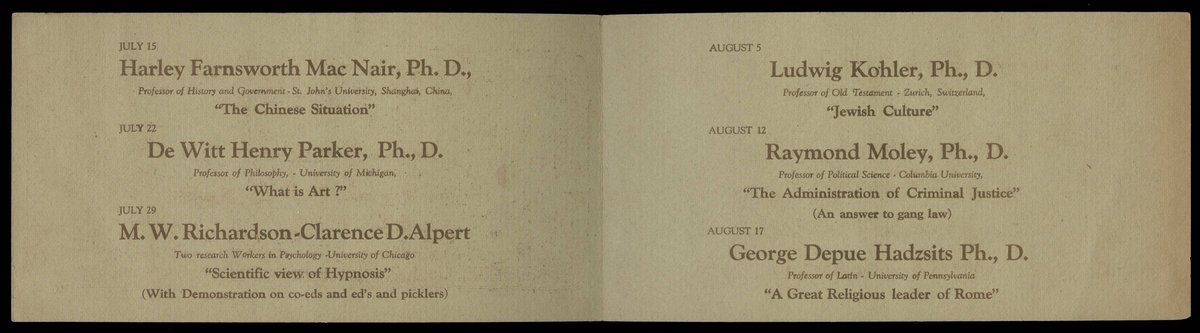
The university contributed to China’s intellectual and political transformation, hosting figures like philosopher John Dewey. It played a role in the May Fourth movement and the development of modern Chinese sports and journalism. Alumni include Wellington Koo, Lin Yutang, Eileen Chang, and Rong Yiren (Shine.cn).
Closure and Preservation (1952–Present)
St. John’s University closed during the 1952 educational reforms, with assets transferred to East China Normal University. The campus now houses East China University of Political Science and Law, with extensive restoration preserving its historic buildings. The Gezhi Building and Mann Hall are highlights of these efforts.
Architectural Heritage
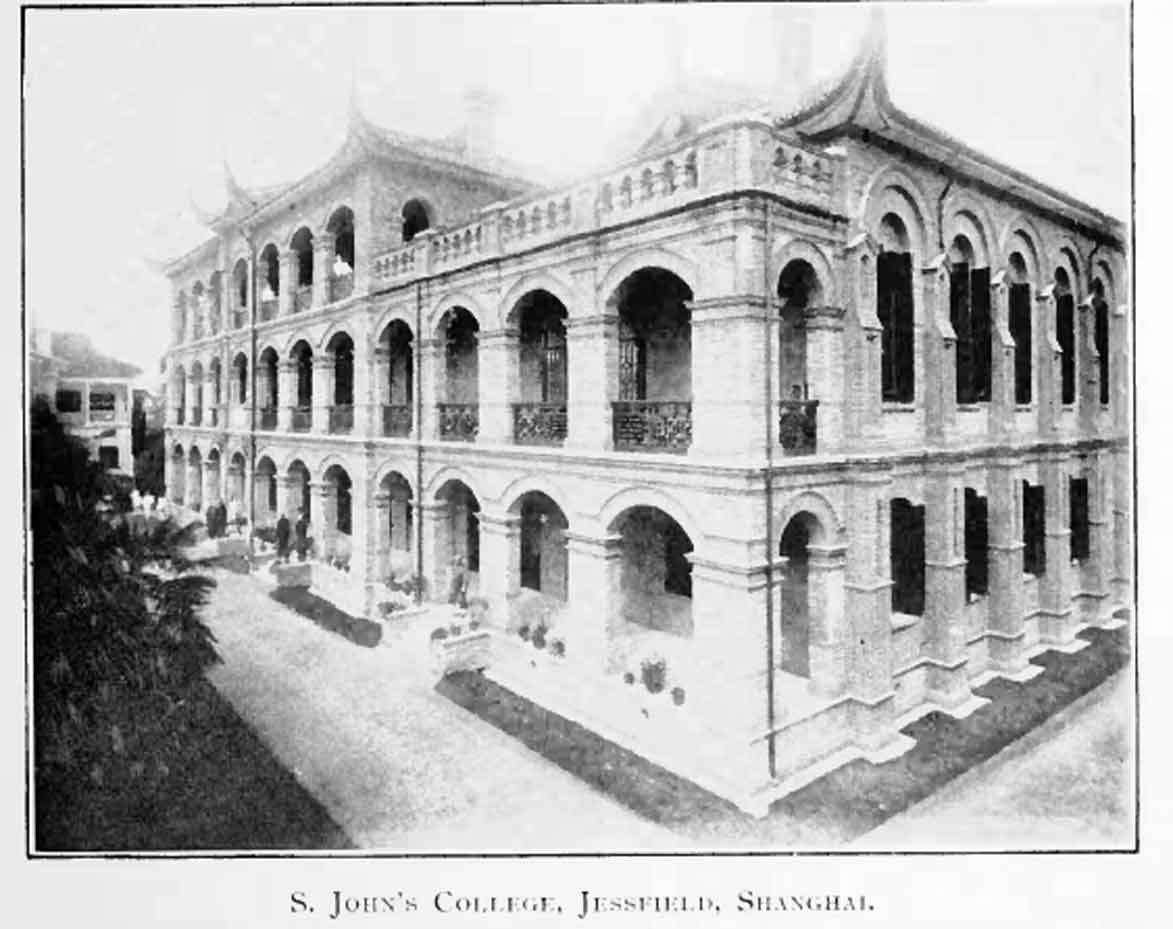
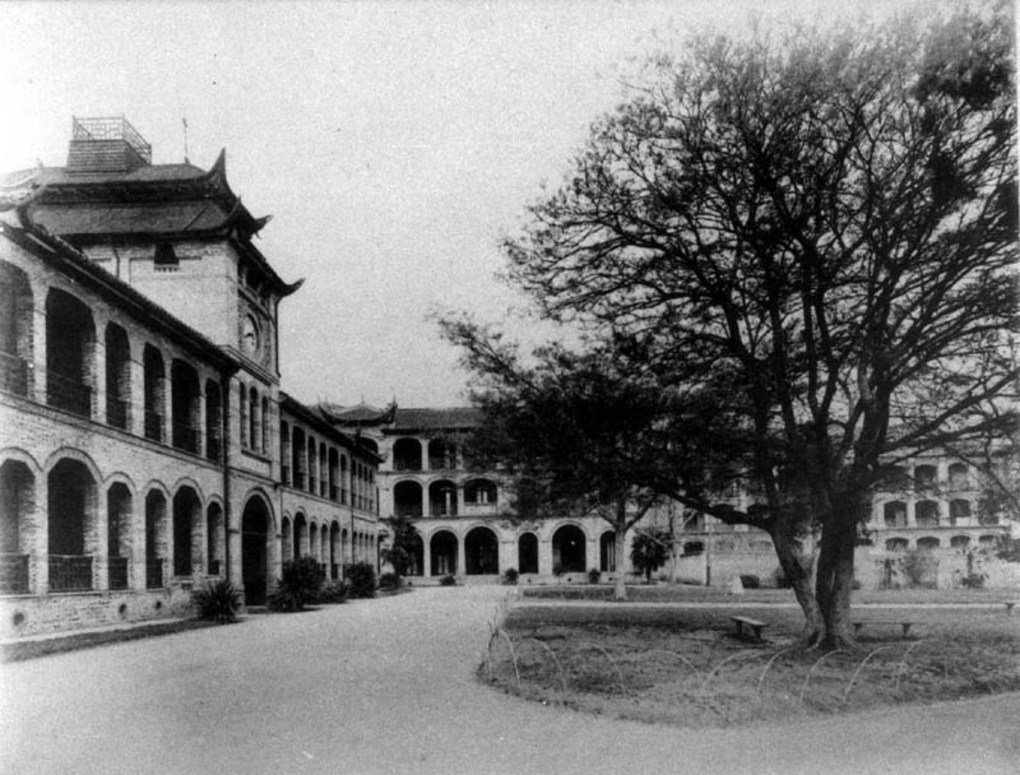
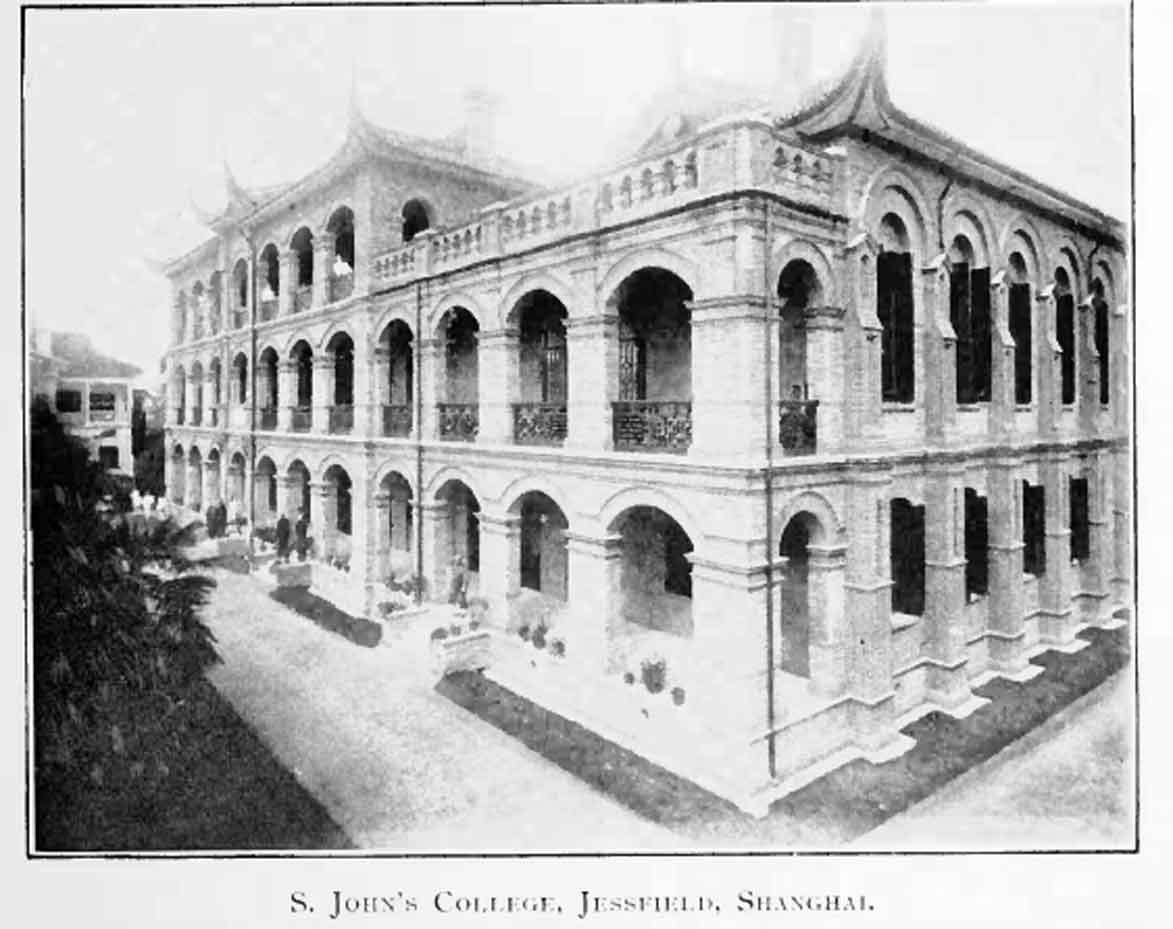
The campus architecture is a harmonious blend of Western and Chinese styles. Notable features include red-brick facades, Gothic towers, Jiangnan-style gardens, and Chinese decorative motifs. Key structures are protected at municipal and national levels (Wikipedia).
Visitor Experience
Campus Access and Layout
- Located in western Shanghai, along Suzhou Creek in Changning District.
- Second-largest cluster of historic buildings in the city after the Bund (Shine.cn).
- Main entrance near Wanhangdu Road and Suzhou Creek.
Architectural Highlights
- Gezhi Building (1899) Oldest preserved structure, open to the public.
- Mann Hall (1909) Recently restored, accessible to visitors.
- Jiangnan-style Gardens Traditional landscaping and a sculpture of the mythical Xie Zhi.
- Ancient Ginkgo Tree Over 135 years old, a campus centerpiece.
Gardens and Riverside Promenade
- 900-meter riverside walkway, part of a 42-km Suzhou Creek redevelopment.
- Ideal for walking, cycling, or relaxing in landscaped green spaces.
Guided Tours and Events
- Occasional guided tours by the university or heritage groups (advance booking recommended).
- Host to cultural exhibitions, alumni events, and community gatherings.
- For event information, consult the university website or local listings.
Practical Advice & FAQs
Q: What are the visiting hours?
A: Daily, 9:00 AM–5:00 PM (last entry at 4:30 PM). Some areas may be closed during events or maintenance.
Q: Is admission free?
A: Yes, entry to public areas and main buildings is free.
Q: Are guided tours available?
A: Yes, but they require advance inquiry or booking.
Q: Is the campus accessible?
A: Most public areas are accessible, though some historic buildings have steps.
Q: Can I take photos?
A: Yes, photography is encouraged.
Q: When is the best time to visit?
A: Spring and autumn, for comfortable weather and scenic views.
Sample Itineraries and Thematic Trails
Colonial and Modernist Heritage Trail:
- The Bund → French Concession → St. John’s University site (Suzhou Creek) → St. Ignatius Cathedral
Duration: 4–6 hours (China Highlights)
Academic and Intellectual Shanghai:
- St. John’s University → Shanghai Library → Fudan University → Tongji University
Day Plan Example:
| Time | Activity | Location |
|---|---|---|
| 9:00–10:30 | Walk the Bund | The Bund |
| 11:00–12:30 | French Concession stroll | French Concession |
| 13:00–14:30 | Visit St. John’s University campus | Changning District |
| 14:30–15:30 | St. Ignatius Cathedral | Xujiahui |
| 16:00–17:30 | Shanghai Film Museum or shopping | Xujiahui |
| 18:00–20:00 | Dinner and skyline views | Lujiazui/Pudong |