Historical Evolution of Sijing Town
Ancient Origins and Early Development
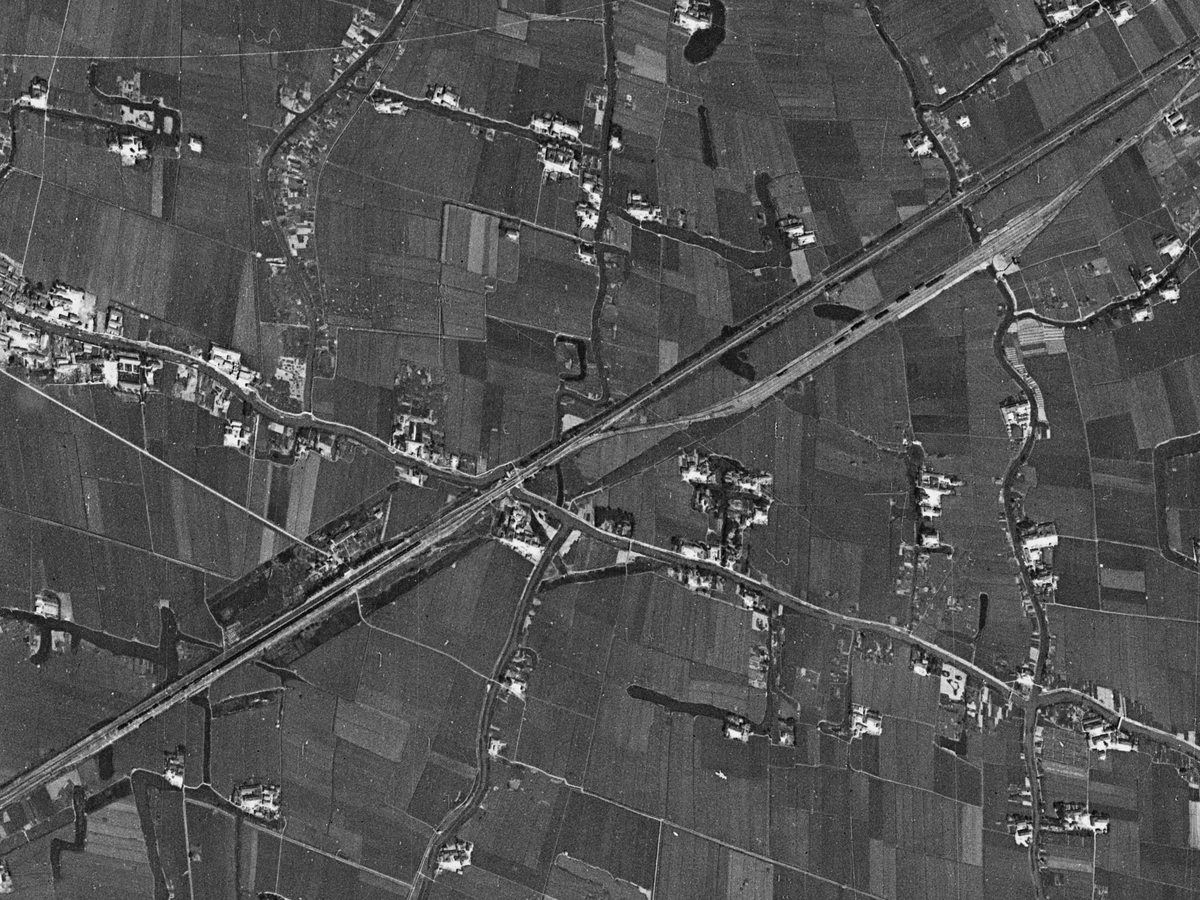
Sijing’s origins trace back to the Northern Song Dynasty (960–1127 CE), when its position at the meeting point of four streams gave rise to its name (“si jing” meaning four streams). The convergence of waterways fostered commerce, agriculture, and a vibrant market culture, establishing Sijing as a vital node along the Grand Canal.
Ming and Qing Dynasties: Prosperity and Cultural Flourishing
Sijing thrived as a commercial center during the Ming and Qing dynasties. The town became known for its bustling markets, rice milling, textile production, and exquisite handicrafts. Notable architectural remnants from this era include stone arch bridges, ancestral halls, and Jiangnan-style merchant residences.
Modern Era: Transformation and Preservation
With the expansion of road networks and the arrival of Shanghai Metro Line 9, Sijing transitioned into a suburban enclave while retaining much of its historical fabric. Dedicated preservation efforts have safeguarded ancient streets, temples, and bridges, ensuring accessibility for visitors and future generations.
Cultural Significance and Heritage
Architectural Heritage
Sijing showcases classic Jiangnan architecture: narrow lanes, whitewashed walls, black-tiled roofs, and stone streets. Notable sites include:
- Sijing Ancient Bridge A Ming Dynasty stone arch bridge, symbolizing the town’s role as a transportation hub.
- Ancestral Halls and Guildhalls Featuring intricate woodwork and reflecting lineage-based social organization.
- Traditional Residences With Jiangnan courtyards, moon gates, and lattice windows.
Religious and Spiritual Life
The Sijing Temple, originating in the Song Dynasty, remains a focal point for local Buddhist practice and community gatherings. Other Taoist shrines and ancestral halls contribute to the area’s syncretic spiritual traditions.
Festivals and Folk Traditions
Traditional festivals—especially the Dragon Boat and Lantern Festivals—are celebrated with boat races, lantern displays, folk performances, and communal feasts. These events offer visitors an immersive experience of authentic Jiangnan customs.
Literary and Artistic Legacy
Sijing’s scenic beauty has inspired poets, calligraphers, and artists. The town has a strong tradition of literary gatherings and the preservation of crafts such as silk weaving and paper cutting.
Sijing in the Context of Greater Shanghai
Urban Integration
Sijing has become seamlessly accessible from downtown Shanghai, with Metro Line 9 connecting the town to the city’s core. The blend of ancient ambiance and urban convenience makes Sijing a popular day trip destination.
Regional Significance
As part of the network of Jiangnan water towns, Sijing contributed significantly to the economic and cultural development of the Yangtze River Delta.
Preservation and Modern Relevance
Conservation Initiatives
Sijing has implemented strict conservation regulations, restoring ancient structures and preserving historic streets. Local government and community organizations actively support these efforts (TravelChinaGuide).
Cultural Tourism and Education
Heritage walks, guided tours, and educational programs are available. Museums and cultural centers interpret Sijing’s past, and local schools incorporate heritage education.
Living Heritage
Sijing remains a vibrant community where traditional markets, teahouses, and artisan workshops continue to operate, reflecting the town’s enduring cultural identity.
Practical Visitor Information
Visiting Hours and Tickets
- Hours Most attractions open from 8:00 AM to 6:00 PM.
- Admission Entry to the historic area is free. Select sites (e.g., museums, special exhibitions) may charge 20–50 RMB.
Navigating the Town
Sijing is best explored on foot. Guided walking tours are available. Attractions are clustered in the historic core.
Engaging with Local Culture
Visit during festivals for immersive experiences. Participate in activities such as tea ceremonies and folk performances. Sample Jiangnan cuisine at local restaurants.
Accessibility and Amenities
Sijing is accessible via Metro Line 9 (Sijing Station). Visitor amenities include guesthouses, restaurants, shops, and information centers with multilingual guidance (Trip.com).
Responsible Tourism
Respect local customs, support artisans, and minimize environmental impact. Be mindful of photography etiquette, especially at religious sites.
Key Attractions in Sijing Ancient Town
Sijing Xiatang Historical and Cultural Block
This 15.5-hectare area features preserved residences, winding streets, and 54 buildings designated as relic houses (Shanghai Government; Shine.cn).
Former Residence of Shi Liangcai
Built in 1916, this compound blends Eastern and Western architectural elements and is open to the public (Shine.cn).
Former Residence of Ma Xiangbo
A testament to the legacy of Fudan University’s founder, this residence is significant for both its architecture and historical association (Shanghai Government).
Tao Zongyi’s Legacy
Tao Zongyi, a Yuan Dynasty scholar, is also closely linked to Sijing’s cultural heritage (Global Times).
Water Town Landscapes
Picturesque canals, classic stone bridges, and historic streets like Kaijiang Road offer quintessential Jiangnan scenery (Shine.cn).
Cultural Venues
Baolun Hall, night markets, and preserved folk customs provide additional opportunities to experience local culture (Shanghai Government).
Visitor Experience and Tips
- Best Seasons Spring and autumn offer mild weather.
- Getting There Metro Line 9 to Sijing Station, followed by a short walk.
- Tickets Entry is free; some sites may charge a small fee (around 30 RMB).
- Language English signage is limited; a translation app is useful.
- Payment Cash and mobile payments (Alipay, WeChat Pay) are common; international cards are rarely accepted (TripSavvy).
- Accessibility The historic core has ramps and signage, but narrow alleys and stone bridges may pose challenges for those with mobility issues.
- Amenities Public restrooms are available; bring tissues and hand sanitizer.
- Safety The area is safe, but remain alert in crowded spots and respect temple etiquette.
Comparing Sijing with Other Shanghai Water Towns
| Feature | Sijing | Zhujiajiao | Tongli | Xitang | Jinze |
|---|---|---|---|---|---|
| Admission | Free | RMB 30–120 | RMB 100+ | RMB 100+ | Free/Low |
| Visiting Hours | 8:00–18:00 | 8:00–17:30 | 8:30–17:00 | 8:00–18:00 | Varies |
| Main Attractions | Anfang Pagoda, Fulian Bridge | Fangsheng Bridge, Kezhi Garden | Retreat & Reflection Garden, Three Bridges | Covered corridors, Shipi Lane | Hand-rowed boats |
| Atmosphere | Quiet, local | Commercial | Picturesque | Lively | Tranquil |
| Accessibility | Metro/bus | Metro | Near Suzhou | 1hr from SH | Car/bus |
| Commercialization | Low | High | Moderate | Moderate | Very low |
| Best Season | Spring/Fall | Spring/Fall | Spring/Fall | Spring/Fall | Spring/Fall |
Sijing offers a quieter, more authentic experience, while Zhujiajiao and Tongli are more commercialized and crowded, especially on weekends and holidays (China Highlights; Lonely Planet; Expat’s Holidays).
Frequently Asked Questions (FAQ)
Q: What are Sijing’s opening hours?
A: 8:00 AM – 6:00 PM daily.
Q: Is there an entrance fee?
A: Entry to the historic core is free; some attractions may charge a small fee.
Q: How do I get there?
A: Take Metro Line 9 to Sijing Station, then walk or use local transit.
Q: Are guided tours available?
A: Yes, check with local agencies or visitor centers.
Q: Is Sijing suitable for children and elderly visitors?
A: Yes, though some cobblestone areas may be challenging for those with limited mobility.