Plan and listen to Shanghai Yangtze River Tunnel And Bridge with Audiala.
Audio guide in your pocket, itinerary in your browser. Built for the way you actually visit.
Introduction
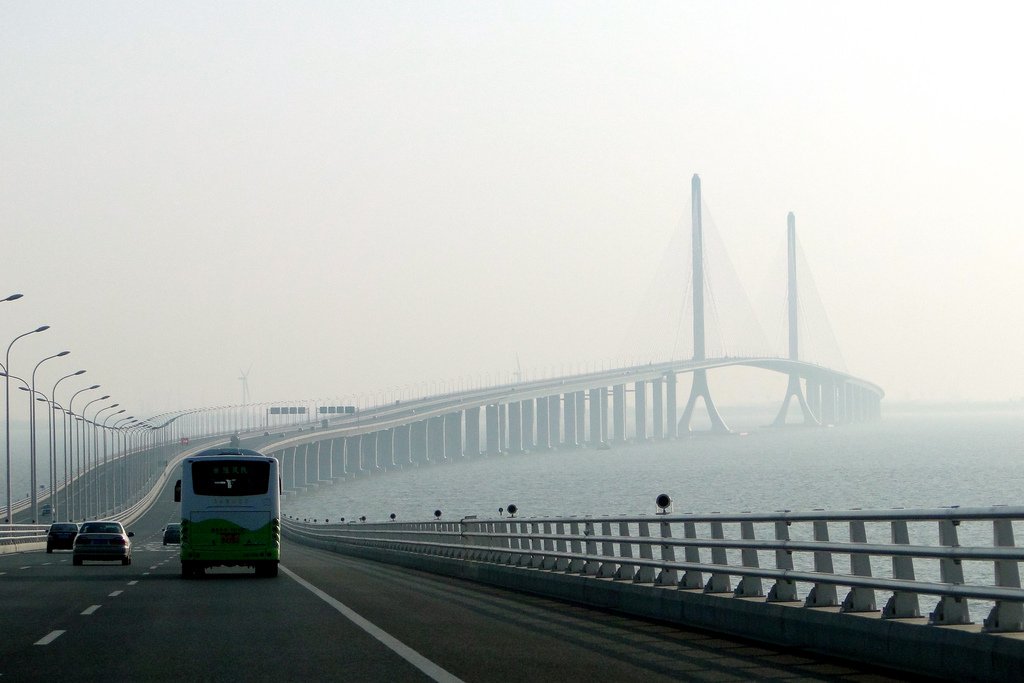
The Shanghai Yangtze River Tunnel and Bridge stands as a landmark of modern civil engineering, seamlessly connecting Shanghai’s Pudong New Area with Changxing and Chongming Islands. Conceived to address the growing transportation demands of a rapidly expanding metropolis, this combined bridge–tunnel system has redefined regional connectivity and opened up new avenues for ecological and economic development in the Yangtze River Delta. Since opening in 2009, it has become not only a vital logistics artery but also a point of interest for travelers, engineers, and urban explorers. This guide presents a comprehensive overview of its history, engineering highlights, practical visitor information, and the best ways to experience this iconic structure.
For the latest updates and visitor resources, see the Audiala mobile app and official tourism portals (source 1, source 2).

Early Vision and Strategic Importance
The inception of the Shanghai Yangtze River Tunnel and Bridge was driven by Shanghai’s surging population and economic ambitions in the early 2000s. The Yangtze River, a vital shipping artery, posed a significant barrier between Pudong and the islands of Changxing and Chongming, both earmarked for future urban and ecological development. Before construction, ferry crossings were the sole link, often hampered by weather and limited capacity. The new fixed crossing was envisioned to unlock the potential of these outlying islands, foster regional integration, and support sustainable urban expansion.
Planning and Design
Integrated Bridge–Tunnel Concept
The solution combined an 8.9-kilometer submerged tunnel beneath the Yangtze’s south fork (maintaining unimpeded shipping) with a 16.63-kilometer cable-stayed bridge (with a 730-meter central span) connecting Changxing to Chongming Island. The design accommodated geological, environmental, and navigational challenges, and included corridors for future metro lines to support evolving transit needs.
Engineering and Construction Highlights
- Tunnel: Spanning 8.9 km, the tunnel was one of the world’s largest of its kind upon completion, built with four tunnel boring machines (TBMs), each up to 15.43 meters in diameter. It features a two-deck structure: an upper six-lane expressway and a lower reserved space for metro tracks.
- Bridge: The bridge includes two long viaducts and an S-shaped cable-stayed section with a 35.31-meter-wide deck supporting three lanes in each direction and reserved metro space. The 730-meter central span is among the world’s longest for cable-stayed bridges.
- Future-Proofing: The project’s design allows for future upgrades, including metro integration, aligning with Shanghai’s multimodal mobility vision.
Project Timeline and Investment
Construction began in 2005 and concluded in October 2009, with the official opening on October 31, 2009. The total investment reached approximately 12.6 billion yuan (US$1.84 billion). This project became a critical segment of the G40 Shanghai–Xi’an Expressway and paved the way for the subsequent Chongqi Bridge, which completed the fixed road link to the Yangtze’s north bank.
Urban and Regional Impact
- Economic Integration: The fixed crossing accelerated development on Changxing and Chongming Islands, fostering residential, commercial, and eco-tourism projects, and promoting sustainable urban planning.
- Improved Connectivity: The bridge–tunnel complex enhanced Shanghai’s accessibility, facilitating the flow of goods and people and supporting the city’s gateway status in the Yangtze River Delta.
- Disaster Resilience: Providing an all-weather crossing, it improved emergency response and reduced reliance on ferries.
Visitor Information
Hours, Tickets, and Access
- Operating Hours: Open 24 hours daily for vehicular traffic.
- Tickets and Tolls: No entry tickets; standard expressway tolls apply based on vehicle type and are collected electronically (via e-tags or license plate recognition).
- Access: The tunnel and bridge are open to private cars, taxis, buses, and freight vehicles. There is no pedestrian or bicycle access due to safety regulations.
Transportation Options
- By Car/Taxi: Easily accessible from central Shanghai via the G40 Expressway or S7 Shanghai–Chongming Expressway.
- By Bus: Public bus routes connect Shanghai’s urban areas to Changxing and Chongming Islands; check current schedules for the latest options.
- Tours: While there are no official tours of the tunnel or bridge interior, some local tour agencies offer river cruises and eco-tours of Chongming Island, which include bridge views.
Travel Tips and Viewing Spots
- Best Viewing Points: Pudong Riverside Promenade, Changxing Island parks, and Chongming Dongping National Forest Park provide excellent vantage points for photography.
- Photography: Stopping on the bridge is prohibited; use roadside parks for safe and legal photography.
- Travel Tips:
- Carry cash or a Chinese bank card for tolls.
- Use a navigation app (Baidu Maps, Google Maps, or Apple Maps) for up-to-date routing.
- The best travel seasons are spring and autumn for mild weather and clear views.
- English signage is limited; translation apps can be helpful.
Nearby Attractions
- Chongming Island: Renowned for wetlands, birdwatching, Dongping National Forest Park, and eco-tourism.
- Changxing Island: Known for shipbuilding and tranquil rural landscapes.
- Yangtze River Delta Sites: Explore additional cultural and historical sites in the greater region.
Environmental and Engineering Legacy
The project set new standards for large-diameter tunneling and long-span bridge construction in China. Its environmental safeguards—such as sediment management and habitat protection—have influenced subsequent infrastructure development, ensuring that ecological considerations remain at the forefront of regional planning.
Key Technical Specifications
- Total Length: 25.5 km (15.8 miles)
- Tunnel: 8.9 km (5.5 miles), upper six-lane expressway, lower reserved for metro
- Bridge: 16.63 km (10.33 miles), 730-meter central cable-stayed span
- Traffic Lanes: Three lanes each direction
- Design Speed: 80 km/h (tunnel), 100 km/h (bridge)
- Metro Provisions: Reserved corridors in both tunnel and bridge
Future Development
The reserved metro corridors will support Shanghai’s expanding urban rail network, promoting sustainable, multimodal connectivity in the Yangtze River Delta. The project's success has inspired similar infrastructure across China.
Frequently Asked Questions (FAQ)
Q: Can tourists visit the Shanghai Yangtze River Tunnel and Bridge?
A: The tunnel and bridge are open to vehicles 24/7, but there is no pedestrian or bicycle access. River cruises and eco-tours provide alternative ways to view the structure.
Q: Where are the best spots to view the bridge?
A: Parks near Pudong, Changxing, and Chongming Islands offer panoramic views.
Q: What public transport options are available?
A: Several bus routes run from Shanghai to Changxing and Chongming Islands, crossing the bridge and tunnel.
Q: Are there guided tours?
A: No official tunnel tours, but some agencies offer tours and cruises featuring views of the bridge.
Q: Is the crossing open in bad weather?
A: Generally yes, but severe weather can prompt temporary closures for safety.
Listen to the full story in the app
The whole Shanghai Yangtze River Tunnel And Bridge,
told well.
Listen to sourced travel stories with local history and practical context — ready offline.
Verified, and shown.
Researched and written by the Audiala editorial team from historical records, architectural archives, and local expertise.
Built from cited sources · see the method · How we make our guides →