

Historical Background and Significance
Origins and Development
Shanghai Botanical Garden originated from the Longhua nursery in 1974, quickly evolving to meet the demands of a rapidly urbanizing city. By the 1980s, its mission expanded to include not only public recreation, but also scientific research, biodiversity conservation, and public education (BGCI PDF). The garden now serves as a vital green lung for the city and a model for sustainable urban planning.
Conservation and Research
The garden is renowned for ex-situ conservation efforts, safeguarding over 60 rare and endangered plant taxa, and supporting ecological research and municipal greening initiatives. Its innovative application of native and well-adapted species has improved urban biodiversity and resilience (BGCI PDF).
Cultural and Educational Impact
Academic tours, workshops, and annual festivals such as the Cherry Blossom and Chrysanthemum Festivals foster public awareness of plant science and conservation (Trips to Shanghai). Themed zones, including a nationally acclaimed Penjing (bonsai) Garden and the Orchid House, highlight the garden’s rich botanical and cultural heritage.
Visiting Information
Visiting Hours
- Open Daily from 7:30 AM to 5:00 PM (last entry at 4:00 PM)
- Closed Mondays for maintenance (verify on the official website during public holidays)
Ticket Prices
- General Admission 15 RMB
- Discounts Available for students, seniors, and children
- How to Purchase On-site at entrances, online via official platforms, or through trusted travel sites
Accessibility
- Wheelchair-accessible paths and ramps
- Accessible restrooms and designated parking
- Stroller-friendly routes
Facilities
- Restrooms throughout the grounds
- Cafés, snack kiosks, and picnic areas
- Gift and souvenir shops
- Free luggage storage at select Shanghai Metro stations (shanghai.gov.cn)
Getting There and Entry Points
Location
- Address 1111 Longwu Road, Xuhui District, Shanghai
- Area 818,600 square meters (chinatourstar.com)
By Public Transportation
- Metro Line 3 to Shilong Road Station (10-minute walk to Gate 4)
- Bus Routes 714, 720, 770, 824, 958, 178, 956, Xinlong Line, Shangfeng Special Line, 56, 820
- Taxi Show drivers “请带我去上海植物园。” (“Please take me to Shanghai Botanical Garden.”)
Sample fares:- Pudong Airport: ~45 min, ~126 RMB
- Hongqiao Airport: ~33 min, ~63 RMB
- South Railway Station: ~11 min, ~18 RMB
Entry Gates
- Gate 1 1111 Longwu Road – Primary entrance (no parking)
- Gate 2 Near demonstration gardens and Huang Daopo Temple
- Gate 3 Access to maple, osmanthus, rose, and bamboo gardens
- Gate 4 Nearest to the children’s playground and North District
Seasonal Highlights
Spring (March–May)
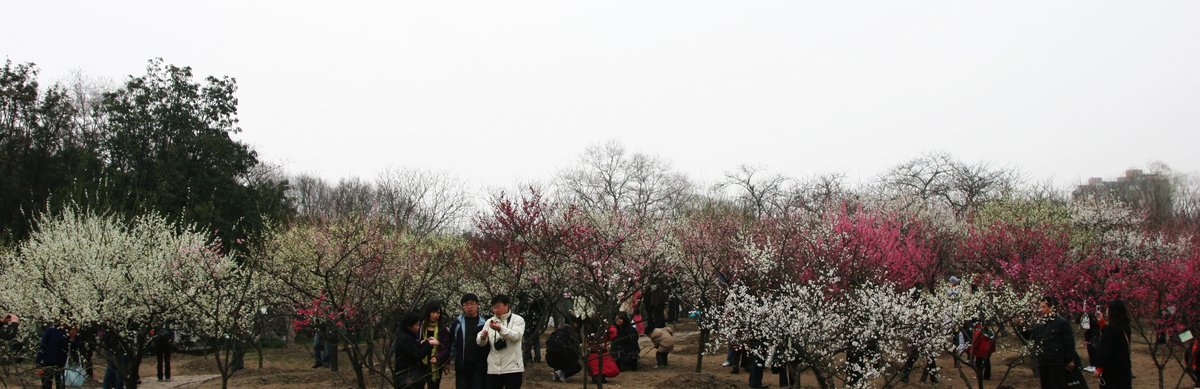
- Cherry Blossom Festival Sakura Avenue lined with 1,000+ cherry trees
- Magnolia and Peony Blooms 40+ magnolia species and heritage peonies
- Qingming Festival Traditional activities and kite flying (Travel of China)
Summer (June–August)
- Lotus and Water Lily Displays Lotus Pond in full bloom
- Nature Camps Educational workshops for children
- Evening Garden Walks Extended hours for nocturnal tours
Autumn (September–November)
- Chrysanthemum Festival Thousands of chrysanthemums in intricate arrangements
- Maple & Ginkgo Viewing Fiery red and golden leaves
- Mid-Autumn Festival Lantern displays and moon-gazing events (Travel of China)
Winter (December–February)
- Camellia and Wintersweet Blooms Color and fragrance during colder months
- Bonsai & Orchid Exhibitions Indoor displays of rare specimens
- New Year’s Festivities Themed floral installations and performances
Key Attractions and Suggested Routes
Themed Gardens
- Plant Evolution District Conifers, Magnolias, Peonies, Camellias, Roses, Maples, Osmanthus, Bamboo
- Penjing (Bonsai) Garden Award-winning mini landscapes and two bonsai museums
- Exhibition Greenhouse Over 3,500 tropical and desert species
- Herb Garden 600+ medicinal herbs and aquatic plants
- Orchid House Native and exotic species
- Artificial Ecological Area Wetlands and woodlands habitat simulation
- Children’s Playground Near Gate 4, family-friendly
Cultural Sites
- Huang Daopo Memorial Hall Historic hall honoring a textile pioneer, with exhibits and reconstructed architecture (chinatourstar.com)
Suggested Routes
- 1–2 hours Greenhouse, Penjing Garden, Magnolia and Rose Gardens
- Half-day Add Herb Garden, Bamboo Garden, Huang Daopo Hall
- Full-day Explore all zones and enjoy seasonal exhibitions
Practical Tips for Visitors
- Best Time to Visit Spring and autumn for floral displays and comfortable weather
- Weather Summers are humid, winters can be cold; dress accordingly
- Photography Tripods may be restricted during peak periods; check signage
- Language Most signs are bilingual; translation apps are helpful
- Etiquette Do not pick plants, stay on paths, supervise children
- Payment Alipay, WeChat Pay, and cash (RMB) are widely accepted; some counters accept international cards
- Guided Tours Offered in Mandarin and English; advance booking recommended during festivals
Frequently Asked Questions (FAQ)
Q: What are the opening hours of Shanghai Botanical Garden?
A: Open daily from 7:30 AM to 5:00 PM, with last entry at 4:00 PM. Closed Mondays for maintenance.
Q: How much are tickets?
A: General admission is 15 RMB, with discounts for students, children, and seniors.
Q: Is the garden wheelchair accessible?
A: Yes, main paths and facilities are accessible, but some zones have uneven terrain.
Q: Are pets allowed?
A: Pets are generally not permitted, except for service animals.
Q: Are guided tours and educational programs available?
A: Yes, available during peak seasons and special exhibitions.
Q: Can I bring food?
A: Outside food is discouraged, but picnic areas and on-site cafés are available.
Nearby Attractions
- Longhua Temple and Pagoda Historic Buddhist site nearby
- Shanghai Zoo Family-friendly, short taxi ride away
- Xujiahui Commercial Area Shopping and dining district
Visuals and Media
Explore high-resolution images and virtual tours of the garden’s highlights through the official Shanghai Botanical Garden website. Additional multimedia resources and virtual experiences are available to aid in planning your visit.