Plan and listen to Saint Joseph'S Church with Audiala.
Audio guide in your pocket, itinerary in your browser. Built for the way you actually visit.
Introduction
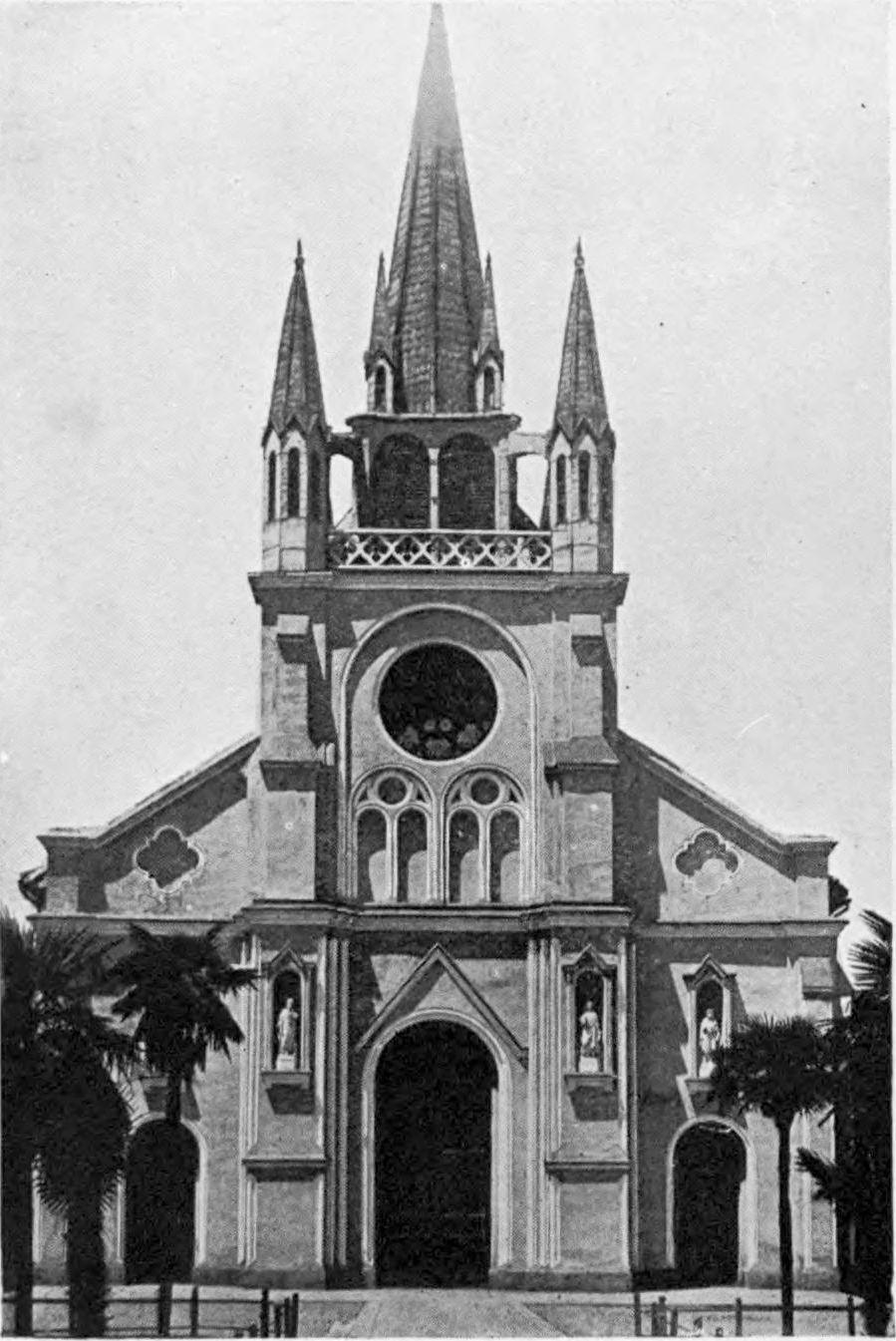
Saint Joseph’s Church (圣若瑟堂, Shèng Ruòsè Táng), also known as the Yangjingbang Catholic Church, is one of Shanghai’s oldest and most significant Catholic churches. Founded in the mid-19th century by French Jesuit missionaries, the church stands as a testament to Shanghai’s complex religious, architectural, and cultural history. With its blend of Romanesque and Gothic styles, Saint Joseph’s Church is not just a place of worship—it is a living monument to the city’s cosmopolitan evolution, resilience, and vibrant multicultural identity (Academia.edu; Culture Shock Shanghai; SmartShanghai).
This comprehensive guide covers the church’s history, architectural highlights, visiting hours, ticketing, accessibility, travel tips, nearby attractions, and answers to common visitor questions. Whether you are a history buff, architecture lover, or spiritual traveler, this guide will help you make the most of your visit to one of Shanghai’s most treasured historical sites.

History and Cultural Significance
Origins and Jesuit Influence
Saint Joseph’s Church was established in the mid-19th century, following the Treaty of Nanjing (1842), which opened Shanghai to foreign settlement. French Jesuit missionaries, aiming to serve both foreign and Chinese Catholics, chose a strategic location within the old city. Construction began in 1860, and the church was consecrated in 1862. The site previously housed the residence of a wealthy Shanghai family, which the Jesuits transformed into their new place of worship (Academia.edu).
Tumultuous Eras and Restoration
Over its history, the church has faced periods of confiscation and repurposing—at one point serving as the War God Temple due to anti-Christian sentiment. After the Second Opium War, it was returned to the Jesuits, who restored and reopened it. Like many religious institutions, the church was closed during the Cultural Revolution (1966–1976) and used for secular purposes. Restoration efforts in the 1980s, driven by both clergy and local authorities, returned it to its original function as a place of worship (Komoot).
Community and Legacy
Saint Joseph’s Church has always played a vital role in Shanghai’s Catholic community, providing worship, education, and charitable outreach. It remains a focal point for local Catholics and a symbol of Shanghai’s historical openness to global influences (Academia.edu).
Architectural Highlights
Romanesque and Gothic Synthesis
The church’s design reflects a blend of Romanesque robustness and Gothic verticality. Rounded arches, thick brick walls, and semicircular doors mark Romanesque influences, while pointed arches, ribbed vaults, and stained glass windows showcase the Gothic tradition (Culture Shock Shanghai).
- Façade: Red brick with decorative stone accents, semicircular and pointed windows.
- Nave: High vaulted ceilings supported by columns, with a sanctuary crowned by a semicircular apse.
- Stained Glass: Vibrant windows filter natural light, creating a contemplative ambience.
- Bell Tower: Modest but architecturally significant, blending into the cityscape.
- Courtyard: A walled enclosure provides a buffer from the busy streets—a nod to Chinese urban design (Culture Shock Shanghai).
Interior Details
- Woodwork: Intricately carved pews and choir stalls.
- Altarpiece: Ornate, featuring religious iconography.
- Lighting: Natural and stained-glass filtered, especially beautiful during morning and late afternoon.
Visiting Information: Hours, Tickets, and Access
Location
- Address: 36 Sichuan South Road (四川南路36号), near Jinling East Road, Huangpu District, Shanghai (SmartShanghai; Wikipedia).
- Nearby Metro: People’s Square Station (Lines 1, 2, 8), approximately a 10-minute walk (Trek Zone).
Visiting Hours
- General Hours: 9:00 AM – 5:00 PM (may vary during holidays or special events)
- Mass Times: Regular Masses are held, mainly in Chinese. English Masses are less frequent; check notice boards or local expat forums for schedules (The Present Perspective).
Tickets and Admission
- Entry: Free of charge; donations for preservation are appreciated.
- Guided Tours: Not regularly available on-site, but some Shanghai tour companies include the church in walking tours (China Dragon Tours).
Travel Tips and Etiquette
Dress Code
- Men: Long pants, closed-toed shoes, shirts with sleeves.
- Women: Long skirts or pants, tops covering shoulders, closed-toed shoes.
- Non-compliance with the dress code may result in denied entry into the sanctuary (The Present Perspective).
Photography
- Interior: Permitted only outside of Mass. Always ask staff or volunteers before photographing inside.
- Exterior: Photography is generally allowed and encouraged.
- Best Light: Early mornings and late afternoons offer beautiful stained-glass effects (China Dragon Tours).
Conduct
- Maintain silence and reverence inside the church.
- Turn off mobile phones and avoid loud conversations.
- Respect ongoing religious services.
Accessibility and Facilities
- Mobility: Entry features steps; no wheelchair ramp. Interior aisles are narrow; no accessible restrooms (China Dragon Tours).
- Restrooms: No public restrooms inside; use nearby cafes or shopping centers.
- Seating: Wooden pews; may be limited during major holidays.
- Shops: No gift shop on-site; religious items available at larger churches in Shanghai.
Nearby Attractions
- Nanjing Road: Shanghai’s premier shopping street.
- Yu Garden: Traditional Chinese garden, 15 minutes’ walk.
- The Bund: Iconic waterfront promenade.
- Dining: Numerous local and international options in the vicinity.
- ATMs: Readily available; carry cash for small vendors (China Dragon Tours).
Frequently Asked Questions (FAQ)
Q: What are the visiting hours?
A: Generally 9:00 AM – 5:00 PM, but check ahead for holiday or special event changes.
Q: Is there an entry fee?
A: No, entry is free; donations are welcome.
Q: Are guided tours available?
A: Not on-site, but included in some local walking tours.
Q: Is the church wheelchair accessible?
A: Accessibility is limited due to steps and narrow aisles.
Q: Can visitors attend Mass?
A: Yes. Mass is held regularly, mainly in Chinese. Visitors are welcome but should follow dress codes and etiquette.
Q: Is photography allowed?
A: Photography is allowed outside Mass times in the interior, and generally allowed for the exterior.
Listen to the full story in the app
The whole Saint Joseph'S Church,
told well.
Listen to sourced travel stories with local history and practical context — ready offline.
Verified, and shown.
Researched and written by the Audiala editorial team from historical records, architectural archives, and local expertise.
Built from cited sources · see the method · How we make our guides →