Plan and listen to Qushui Garden with Audiala.
Audio guide in your pocket, itinerary in your browser. Built for the way you actually visit.
Introduction: The Timeless Beauty of Qushui Garden
Qushui Garden (曲水园), situated primarily in Shanghai’s Qingpu District, is one of the city’s five renowned classical gardens and stands as a living testament to Jiangnan garden artistry and Shanghai’s cultural heritage. Founded in 1745 during the Qing Dynasty, Qushui Garden embodies over two centuries of meticulous design, poetic inspiration, and communal spirit. Originally called “Yi Wen Garden” (“One Penny Garden”) due to its grassroots funding, it was later renamed to reflect the graceful, winding creek that runs through its grounds—a motif central to both its physical layout and cultural symbolism (Shanghai Government, chinaholiday.com). Today, Qushui Garden offers visitors a tranquil retreat from Shanghai’s urban bustle, inviting them to step into a world of harmony and reflection shaped by centuries of tradition.

Origins and Development
Qushui Garden was established in 1745 as a communal sanctuary adjacent to the Qingpu City God Temple. Distinct from private gardens of the era, it was funded through small donations from local residents, reflecting a unique sense of shared ownership. Its original name, “Yi Wen Garden,” honored this grassroots effort (oohmyguide.com).
Name Evolution and Literary Inspiration
In 1798, the garden was renamed “Qushui Garden,” inspired by both the meandering creek and the classical practice of “Qushui Liushang”—a poetic gathering where scholars composed verses while floating wine cups along a winding stream. This literary tradition infuses the garden with a scholarly ambiance that endures to this day (chinaholiday.com).
Key Landscape and Architectural Features
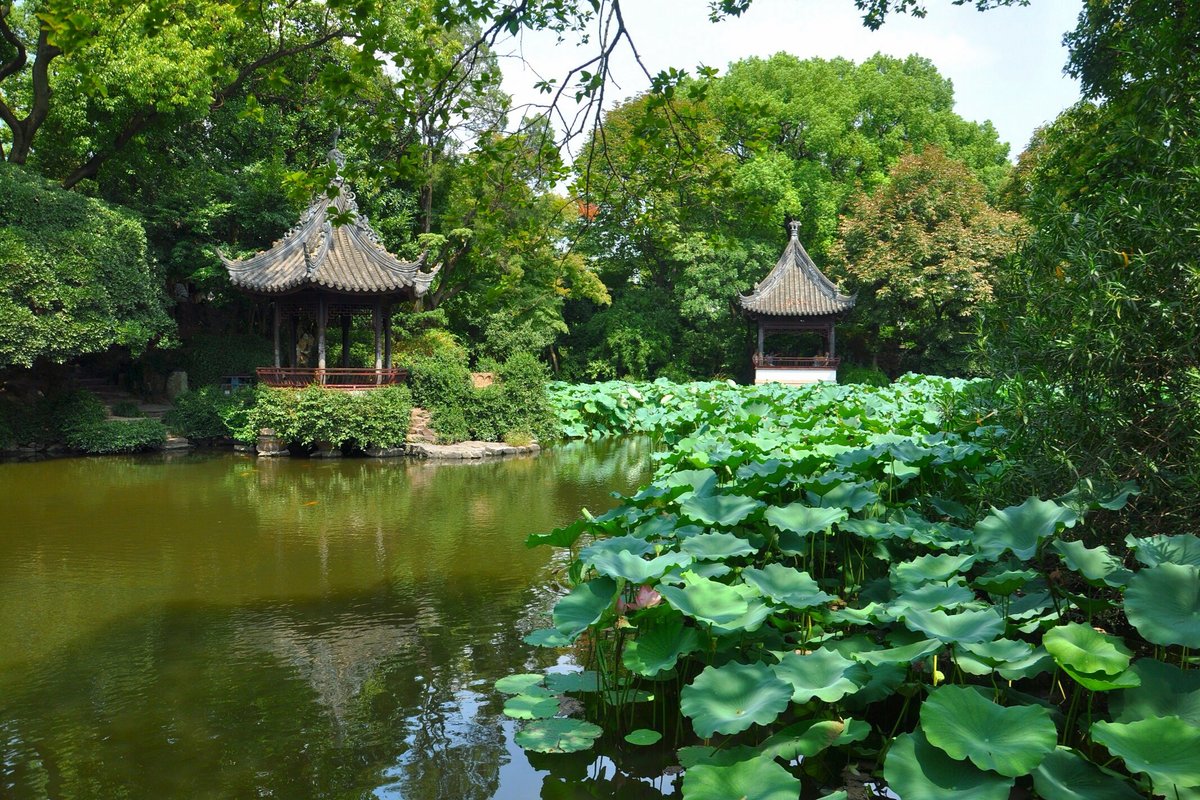
Spanning approximately two hectares, Qushui Garden features winding waterways, classic Jiangnan rockeries, pavilions, the beamless Ninghe Hall, and the Nine-Bend Bridge. The symmetrical arrangement of halls and pavilions reflects Qing Dynasty aesthetics, while the presence of ancient camphor, osmanthus, and bamboo trees further enhances its tranquil atmosphere (Shine.cn).
Practical Visitor Information
Visiting Hours
- Open daily: 7:00 AM – 6:00 PM (some sources report 8:00 AM – 5:30 PM; please confirm closer to your visit)
- Last admission: 30 minutes before closing
Ticketing and Admission
- Admission: Free (in line with its origins as a community-funded public space) (Shanghai Government)
- Ticketing (other sources): Some recent reports suggest an entrance fee of 10–40 RMB; always check current details via official channels or at the entrance.
Accessibility and Facilities
- Wheelchair-accessible paths and restrooms
- Seating areas throughout the garden
- Guided tours available by arrangement through the Qingpu District tourism office
Getting There
- By Metro: Take Line 17 to Zhujiajiao Station, then a short taxi or bus ride
- By Car: Ample parking available, but limited during peak seasons
- By Bus: Local routes serve the garden; consult current schedules
Nearby Attractions
- Zhujiajiao Ancient Town: A famous water town known for its canals and Ming/Qing architecture
- Guyi Garden: Another classical garden nearby
- Dianshan Lake: For nature walks and boat rides
Cultural and Botanical Highlights
Qushui Garden is more than a visual delight; it is a thriving cultural hub. Seasonal events, painting exhibitions, and calligraphy displays are regularly held within its grounds (Shine.cn). The garden’s flora changes with the seasons—osmanthus blossoms in autumn and red plums in spring—while ancient inscriptions and stone carvings connect visitors with China’s literary past (Shanghai Government).
Architectural and Artistic Elements
- Ninghe Hall: A rare beamless structure, symmetrically aligned with adjacent pavilions
- Rockery and Water Features: Symbolize mountains and rivers in miniature
- Decorative Motifs: Traditional black brick walls and intricate wooden latticework
- Plant Symbolism: Bamboo and camphor trees represent integrity and resilience
Visuals and Interactive Elements
To enhance your visit:
Frequently Asked Questions (FAQ)
Q: What are the opening hours?
A: 7:00 AM – 6:00 PM daily. Last admission 30 minutes before closing.
Q: Is there an entrance fee?
A: Admission is typically free, but confirm for special exhibitions or events.
Q: Are guided tours available?
A: Yes, by request through the local tourism office.
Q: How do I get there by public transport?
A: Take Metro Line 17 to Zhujiajiao Station; then a short taxi or bus ride.
Q: What other attractions are nearby?
A: Zhujiajiao Ancient Town, Guyi Garden, Dianshan Lake.
Plan Your Visit & Traveler Tips
- Best Time to Visit: Spring and autumn for the most vibrant scenery and comfortable weather
- Peak Hours: Early mornings or weekdays for the quietest experience
- Etiquette: Respect garden rules, avoid picking plants, and keep noise to a minimum
- Photography: Allowed for personal use; commercial shoots require permission
For up-to-date information, download the Audiala app and follow official Shanghai tourism sites for alerts on events and hours.
Timeline of Key Historical Events
- 1745: Garden constructed as “Yi Wen Garden” through community donations (oohmyguide.com).
- 1767: Construction of Ninghe Hall (Shine.cn).
- 1784: Expansion with additional ponds and rockeries (oohmyguide.com).
- 1798: Renamed as “Qushui Garden” to honor classical literary traditions (chinaholiday.com).
- Modern era: Preserved as a public park and cultural venue (Shanghai Government).
Summary: Discover the Essence of Shanghai’s Classical Gardens
Qushui Garden is much more than a scenic escape. It is a living cultural landmark that captures the historical depth, artistic sophistication, and enduring natural beauty of Shanghai’s Jiangnan tradition. Its accessible layout, free (or modestly priced) admission, and proximity to other heritage sites make it the perfect starting point for exploring the city’s rich history. Whether you are a history buff, nature lover, or casual visitor, Qushui Garden offers a tranquil yet profound journey into the heart of Chinese garden art.
Plan your visit today and experience the timeless elegance and scholarly spirit of Qushui Garden. For more insights and updates, follow Audiala’s travel guides and mobile app.
Listen to the full story in the app
The whole Qushui Garden,
told well.
Listen to sourced travel stories with local history and practical context — ready offline.
Verified, and shown.
Researched and written by the Audiala editorial team from historical records, architectural archives, and local expertise.
Built from cited sources · see the method · How we make our guides →