
Early Origins and Geographical Advantage
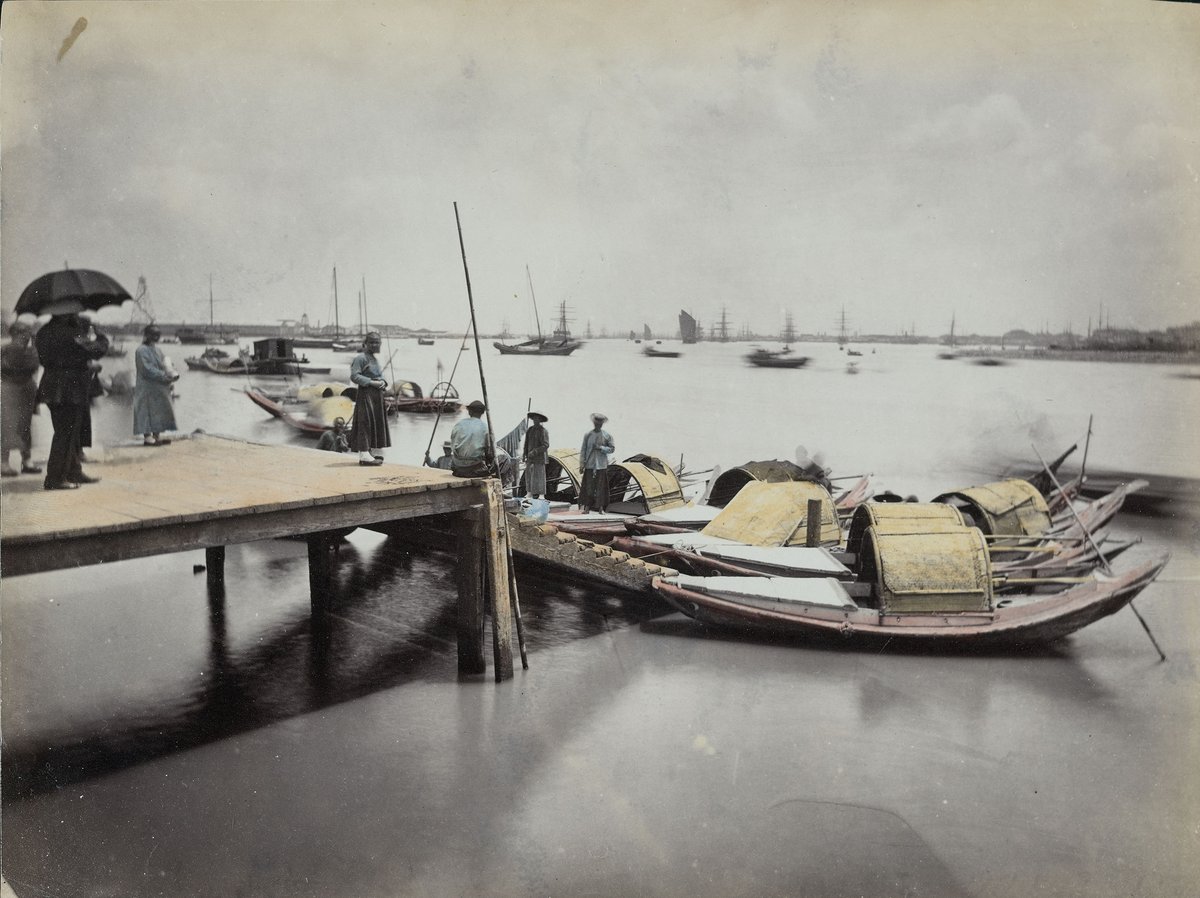
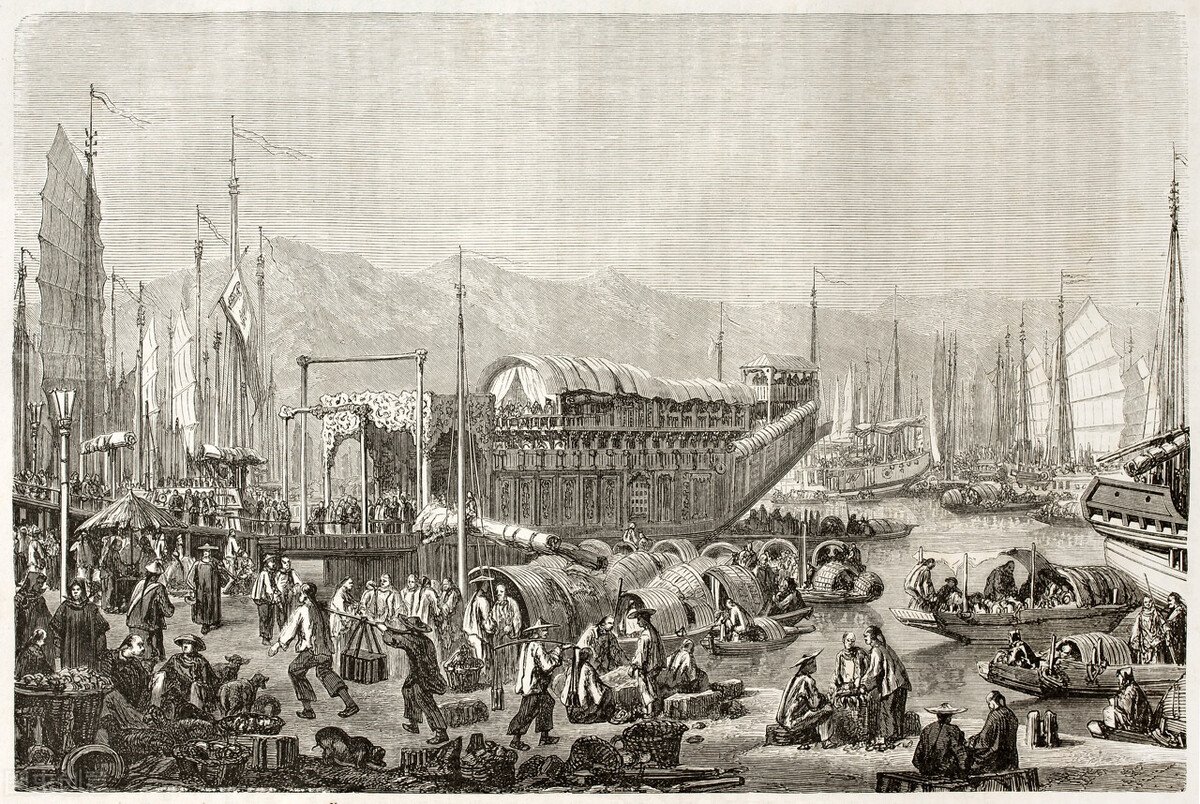
Shanghai’s port owes its prominence to its strategic location at the confluence of the Yangtze River and the East China Sea. Archaeological records indicate human settlement and riverine trade in the region for over 7,000 years. Over centuries, this area transitioned from a fishing village to a vital trade outpost (The Shipyard Blog).
19th Century: Treaty Port Era
Following the First Opium War and the Treaty of Nanking in 1842, Shanghai opened to international trade. The city quickly grew into a cosmopolitan hub with the establishment of the Shanghai International Settlement, bringing advanced port infrastructure and an influx of foreign influence (Chinatripedia). The famous Bund, lined with grand colonial-era buildings, stands as a lasting testament to this era (China Mike).
20th Century to Present: Modernization and Global Leadership
The port’s expansion continued through the 20th century, weathering wars, political upheaval, and rapid modernization. Key milestones include the construction of extensive docks and logistics networks, nationalization in 1949, and major upgrades during China’s economic reforms of the 1980s and 1990s (Insightvity). The opening of the Yangshan Deep Water Port in the 2000s propelled Shanghai to the top of the world’s port rankings, handling over 49 million TEUs annually (Intoglo Blog).
Main Port Areas and Facilities
The Port of Shanghai comprises several specialized zones, each serving distinct roles in cargo handling, cruise travel, and urban interaction:
- Yangshan Deep-Water Port Offshore, state-of-the-art automation for the world’s largest container ships (Shanghai Government).
- Waigaoqiao Port Area Major container and cruise terminal in Pudong, closer to the city center.
- Wusongkou (Baoshan) International Cruise Terminal Asia’s largest cruise facility, designed for high passenger throughput and modern amenities (CruiseMapper).
- Shanghai International Cruise Terminal Centrally located on the Huangpu River, offering easy access to The Bund and city attractions.
Key features include advanced logistics, integrated customs operations, green spaces, multilingual signage, and accessibility for travelers with disabilities.
Visiting Hours, Tickets, and Access
Operating Hours
- Cruise Terminals Typically open daily from 6:00 AM to 10:00 PM, aligning with international cruise schedules. Confirm specific hours with your cruise provider or the terminal in advance.
- Public Areas Designated parks and waterfront promenades near cruise terminals are generally open during daylight hours.
Tickets and Entry
- Cruise Passengers Entry to cruise terminals requires a valid ticket or booking.
- Guided Tours Select tour operators offer guided tours of historical areas and observation decks. Prices range from free for public promenades to 100–300 RMB for specialized tours.
- Container Terminals Access restricted for safety and security reasons; not open to the general public.
Accessibility
All major terminals feature barrier-free access, elevators, ramps, accessible restrooms, and the option to request wheelchair assistance in advance.
Transportation and Connectivity
Getting to and from the Port
- Metro Shanghai Metro Line 12 serves the International Cruise Terminal; shuttle buses connect Wusongkou and Waigaoqiao terminals with nearby metro stations.
- Taxis and Ride-Hailing Widely available at all terminals. Fares to downtown range from 60–120 RMB depending on distance and traffic.
- Private Transfers and Group Tours Available through cruise lines and travel agencies, ideal for convenience and language support (chinadiscovery.com).
- Walking and Public Transit The International Cruise Terminal is within walking distance to central attractions; other terminals require transfers.
Practical Information
- Currency & Payment ATMs and currency exchange are available. Carry some cash, but Alipay and WeChat Pay are widely used.
- Luggage Storage Available at all cruise terminals.
- Wi-Fi Free in waiting areas. Download a VPN before arrival for unrestricted internet access (zoegoesplaces.com).
- Language English is spoken at major terminals; translation apps are helpful for taxis or smaller vendors.
Practical Travel Tips
- Visa-Free Transit Shanghai offers a 144-hour visa-free transit policy for eligible international travelers arriving by cruise (chinadiscovery.com). Ensure your passport is valid for at least six months and have proof of onward travel.
- Best Time to Visit Spring (March–May) and autumn (September–November) have the most pleasant weather.
- Safety Shanghai is considered very safe; use official taxis, keep valuables secure, and drink bottled water (trip.com).
- Connectivity Google Maps is limited; use Baidu Maps or download offline maps (zoegoesplaces.com).
- Health Medical facilities and accessible restrooms are standard in terminals. Notify in advance if you require special assistance.
Major Landmarks and Nearby Attractions
- The Bund Shanghai’s historic waterfront promenade, easily accessible from the International Cruise Terminal (China Mike).
- Nanjing Road Premier shopping street adjacent to The Bund.
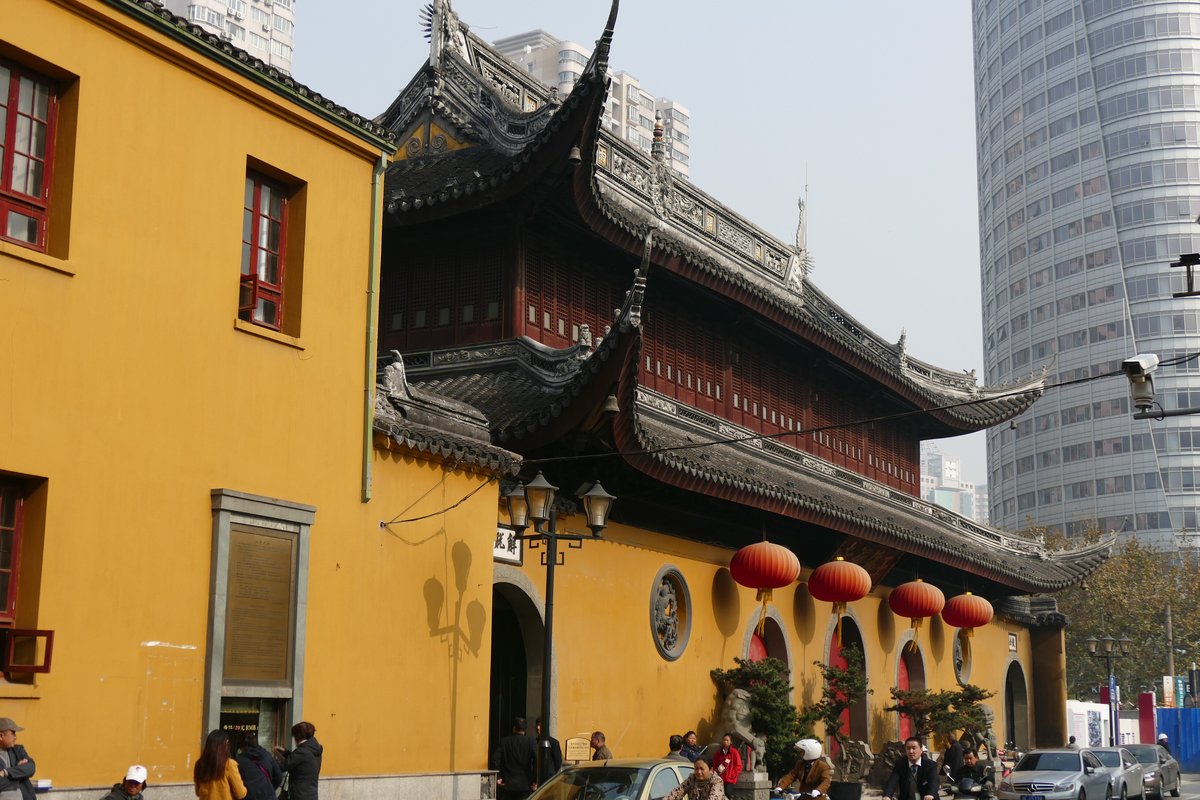
- Yu Garden and Old Town Classic Ming Dynasty garden within a short ride from main terminals.
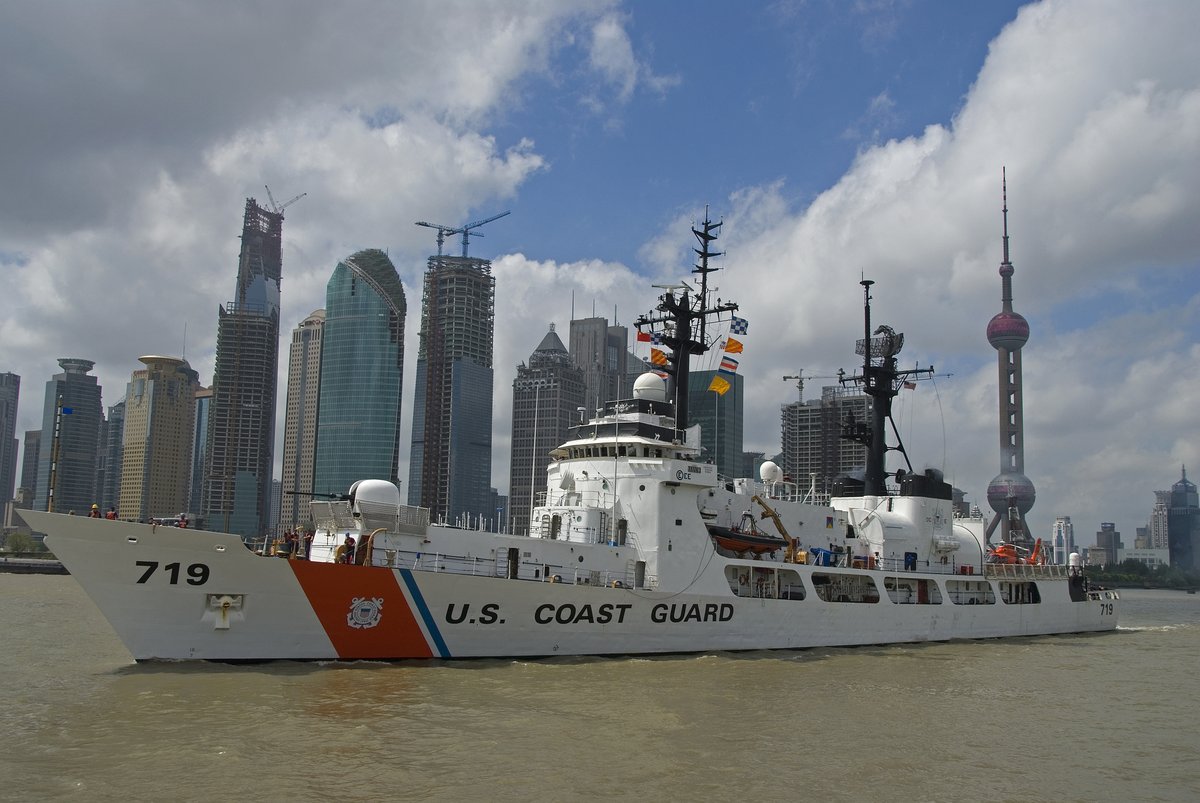
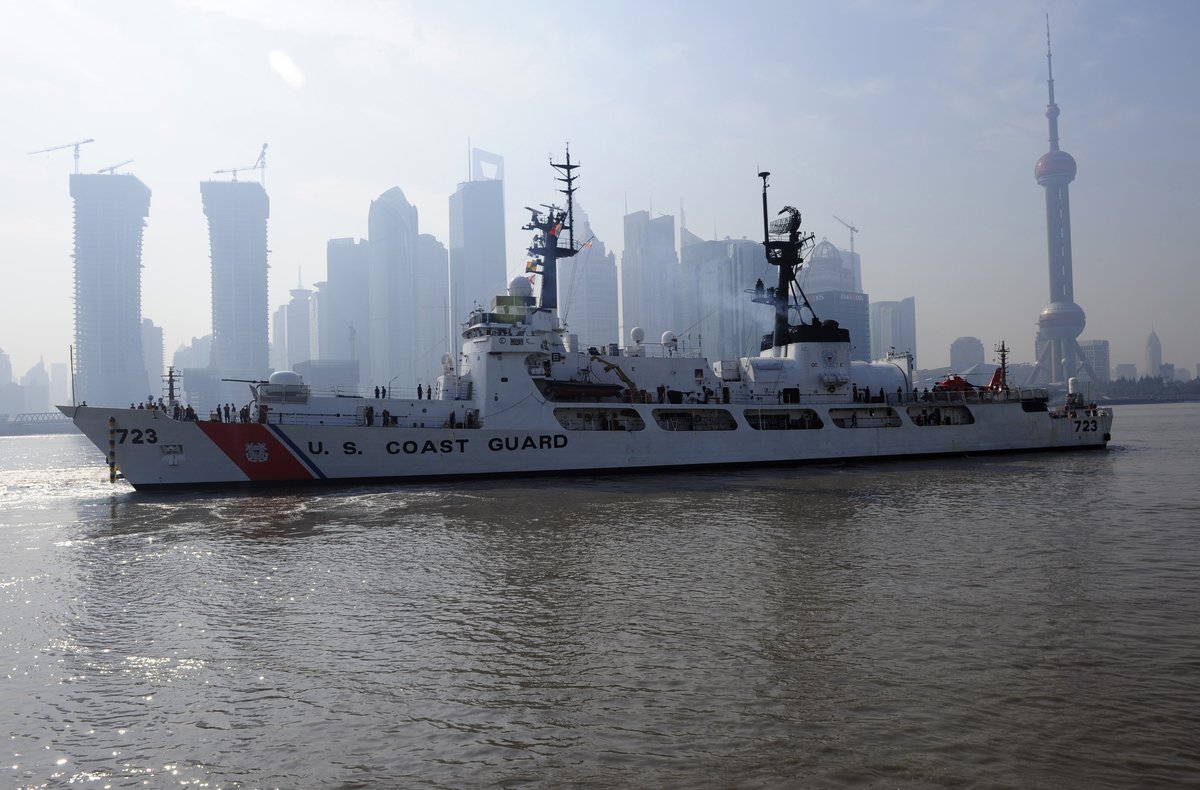
- Pudong Skyscrapers Oriental Pearl Tower, Shanghai Tower, and World Financial Center with observation decks (asiaodysseytravel.com).
- Zhujiajiao Water Town Traditional water town, popular for guided day tours (chinadiscovery.com).
Frequently Asked Questions (FAQs)
Q: What are the visiting hours for the Port of Shanghai?
A: Cruise terminals generally operate from 6:00 AM to 10:00 PM. Public areas are open during daylight hours; check with your terminal or operator for precise times.
Q: Are tickets required to enter the port?
A: Yes, for cruise passengers and organized tours. Container terminals are not open to the public.
Q: How do I get from the port to downtown Shanghai?
A: Taxis, metro, shuttle buses, and ride-hailing apps are available from all terminals.
Q: Are guided tours available?
A: Yes, through cruise lines or local agencies for shore excursions and city tours.
Q: Is the port accessible for people with disabilities?
A: All major terminals are fully accessible. Notify your cruise or tour provider for special assistance.
Summary and Recommendations
The Port of Shanghai blends historical significance, world-class infrastructure, and visitor-friendly amenities, making it a highlight for travelers arriving by sea or exploring Shanghai’s maritime heritage. With efficient transport links, accessible terminals, a variety of guided tours, and proximity to major city landmarks, visitors can enjoy a seamless and enriching experience. For up-to-date information, exclusive offers, and personalized travel planning, download the Audiala app and follow official channels.