Plan and listen to Oriental Pearl Tower with Audiala.
Audio guide in your pocket, itinerary in your browser. Built for the way you actually visit.
Introduction
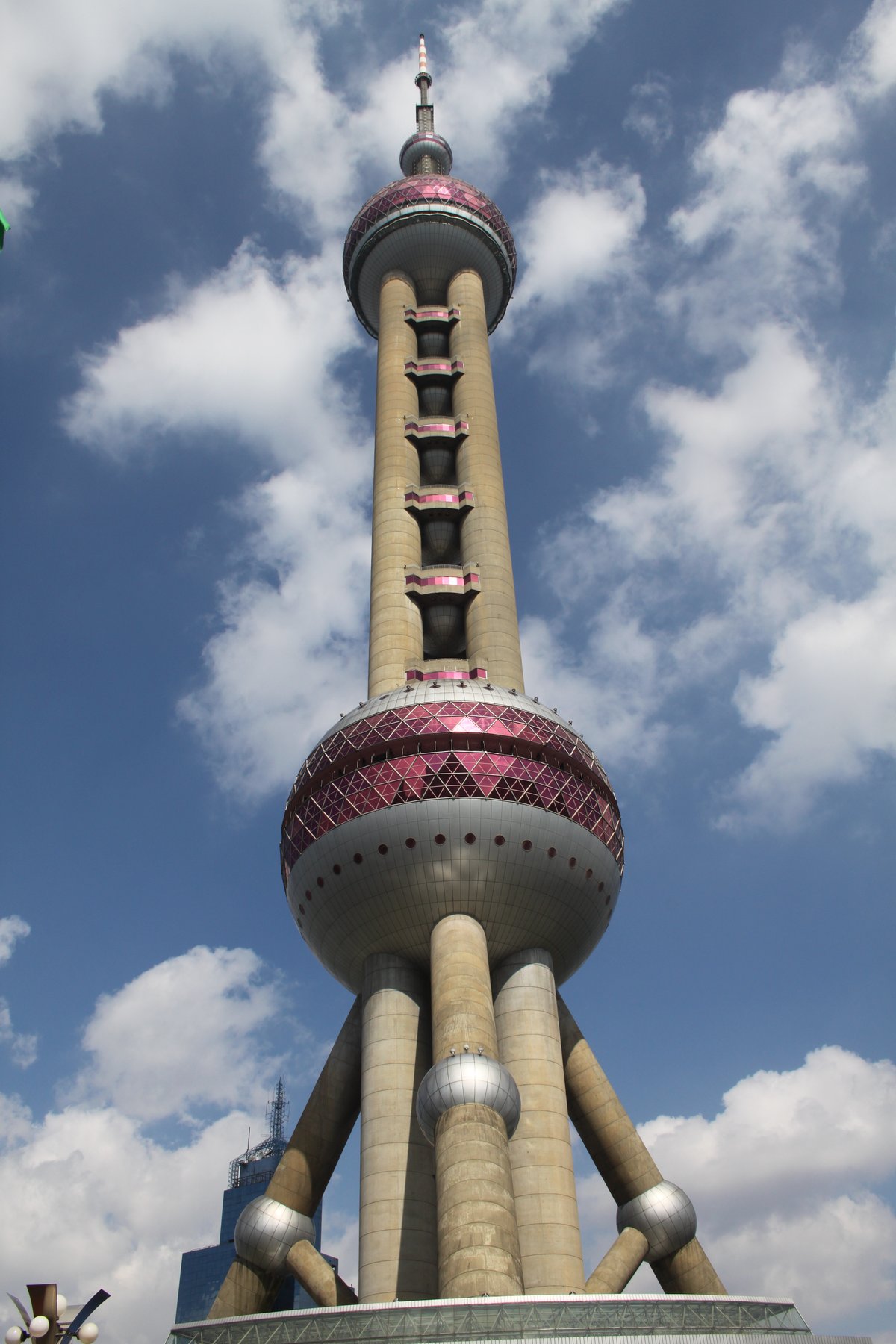
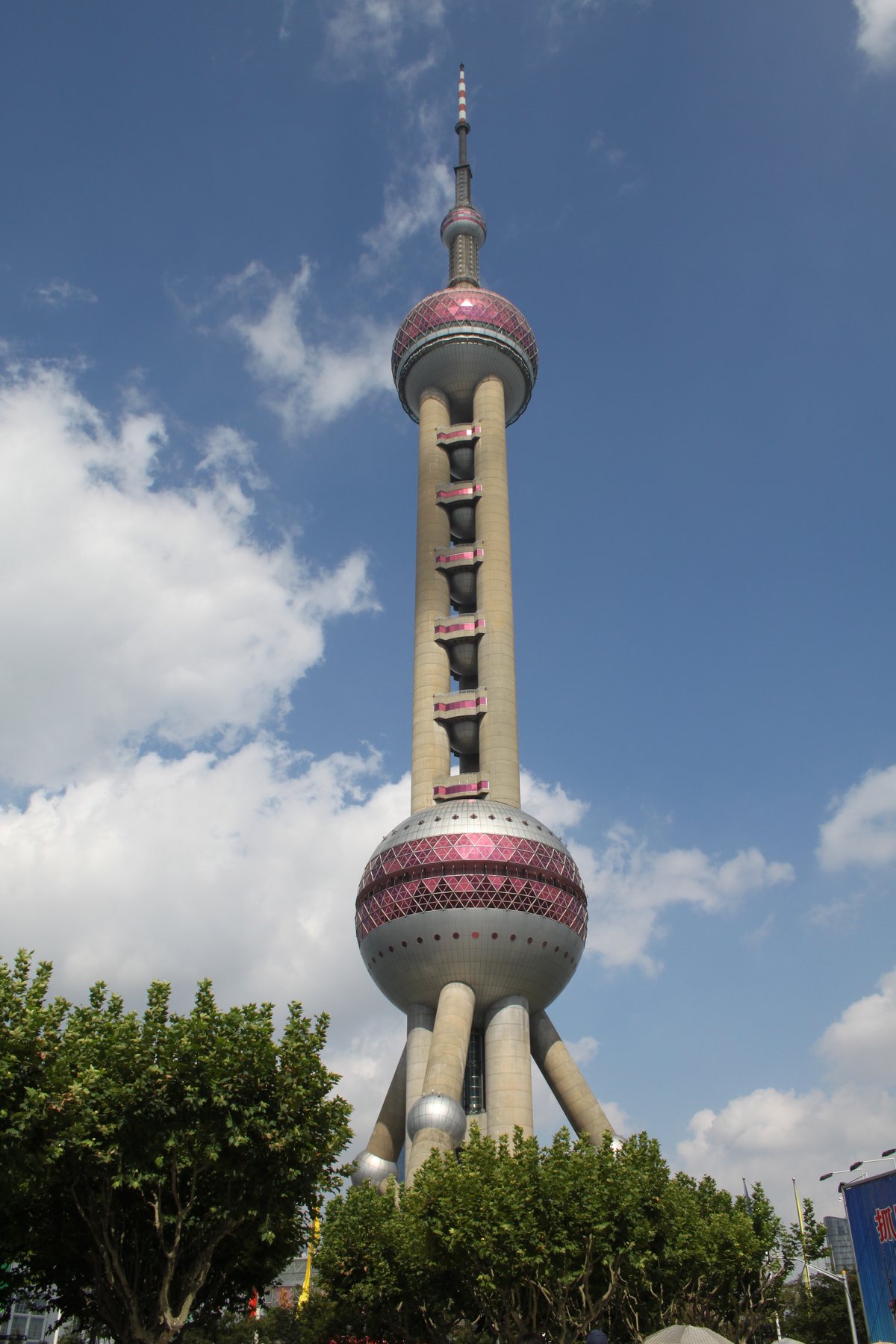
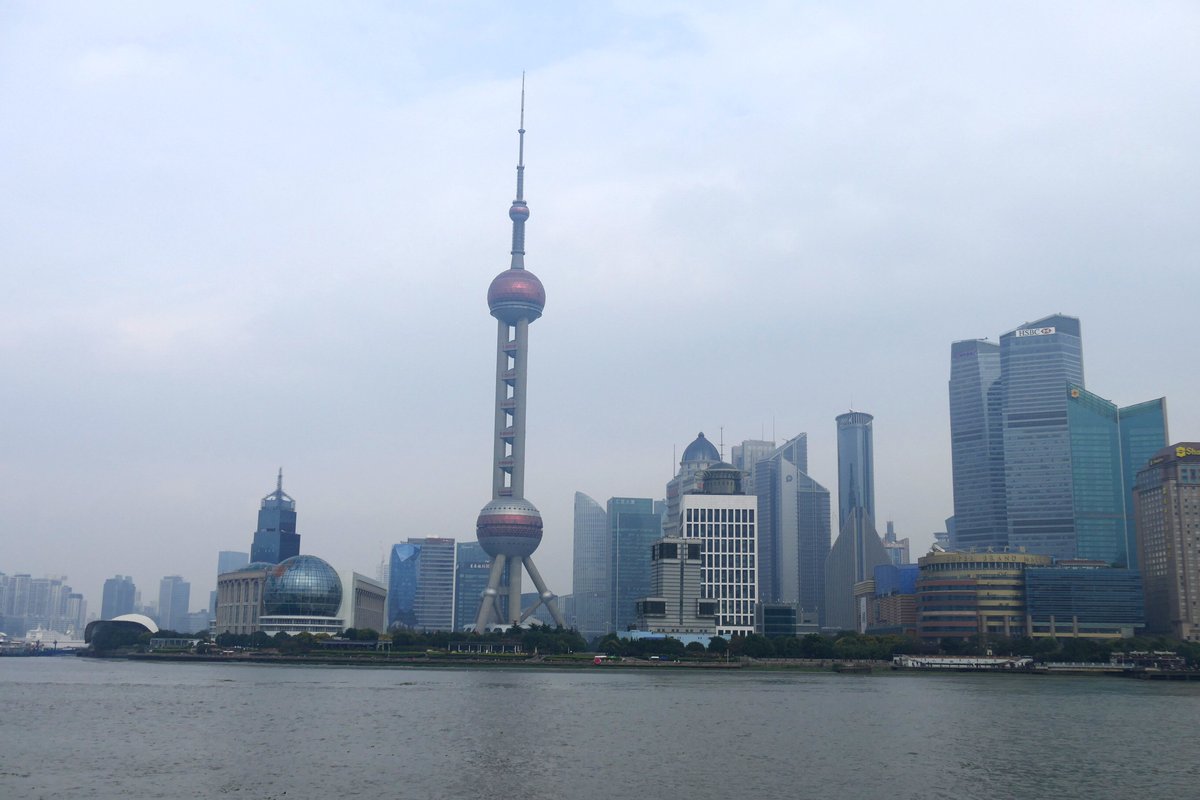
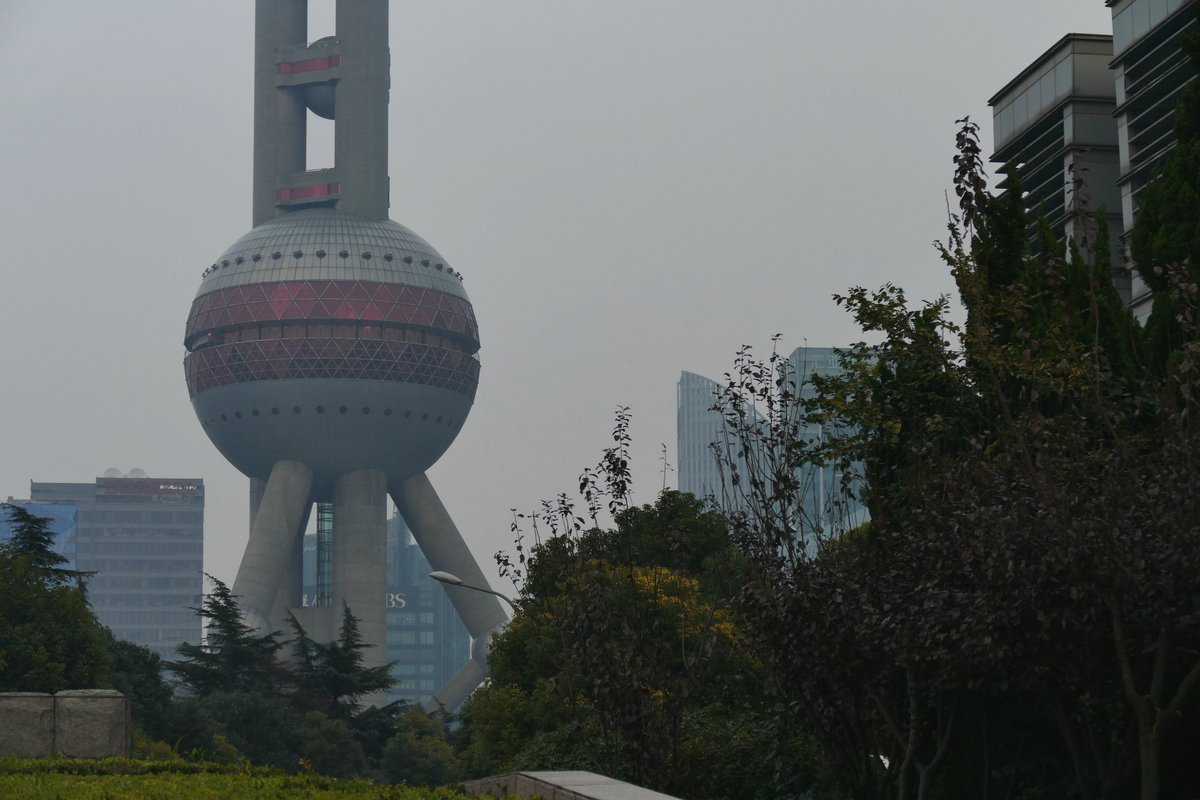
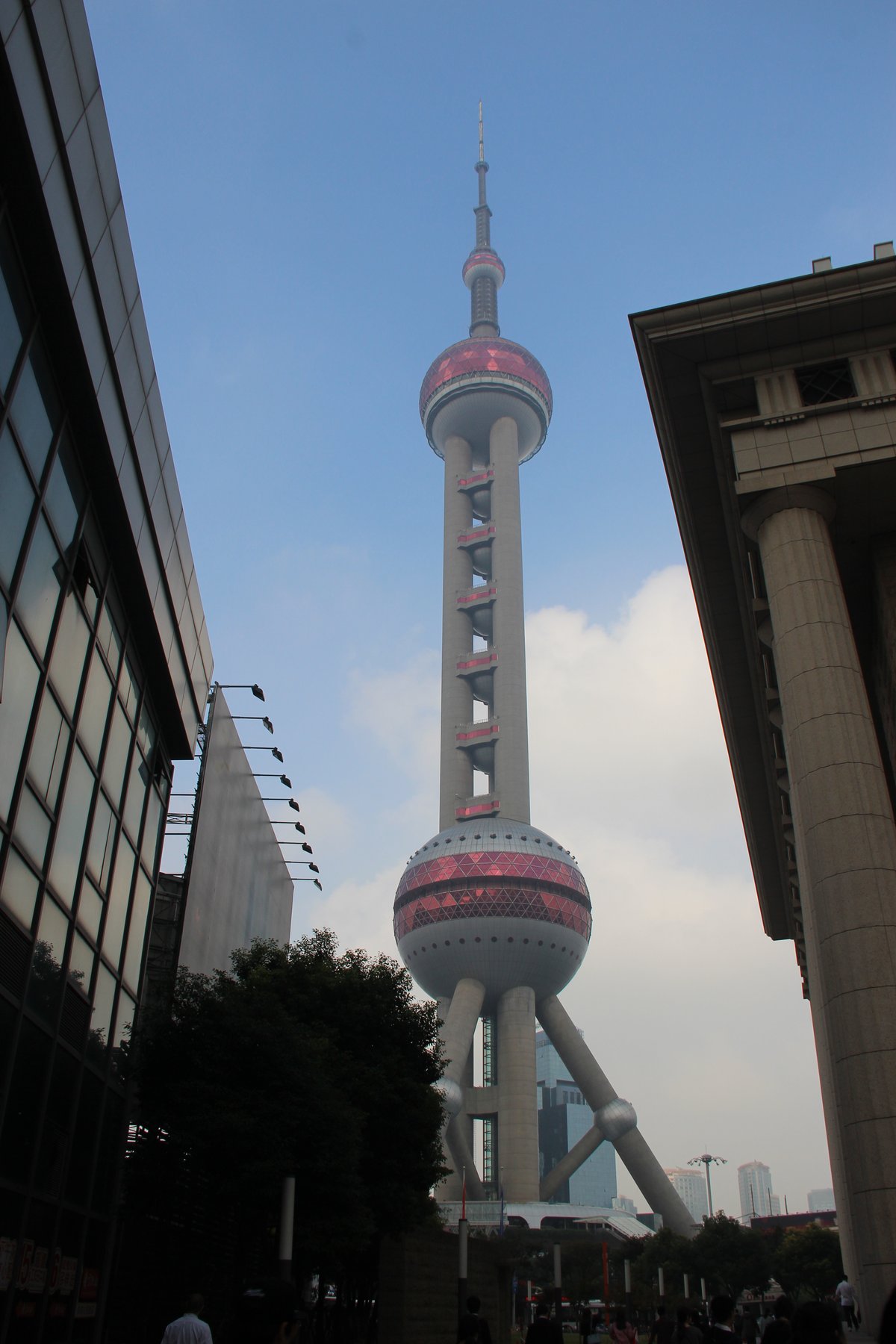
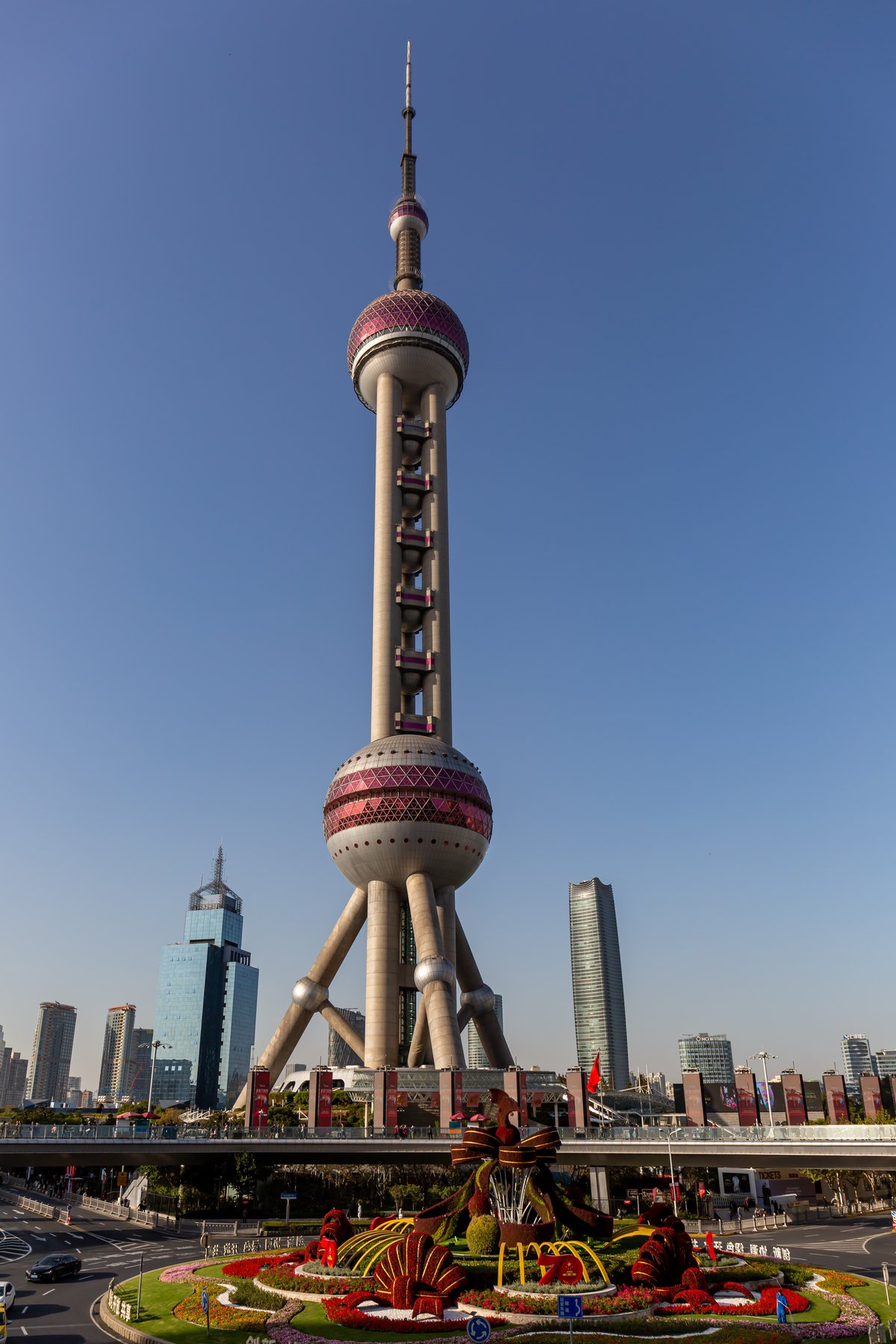
The Oriental Pearl Tower (东方明珠广播电视塔) is one of Shanghai’s most iconic landmarks, signifying the city’s harmonious blend of tradition and modernity. Located in the heart of Pudong, along the Huangpu River opposite the historic Bund, the tower represents a powerful symbol of Shanghai’s rapid transformation from its historical roots to its current status as a global metropolis. Since its completion in 1994, the tower has drawn millions of visitors with its unique architectural silhouette, inspired by a Tang Dynasty poem about pearls dropping onto a jade plate. Today, the Oriental Pearl Tower offers much more than broadcasting services—it is a vibrant cultural hub, offering breathtaking city views, interactive museums, diverse dining options, and family-friendly attractions (Shanghai Highlights, etravelwave.com).
This comprehensive guide presents essential information on visiting hours, ticket options, accessibility, top attractions within the tower, and notable nearby historical sites. Whether you are a history enthusiast, a city explorer, or a family traveler, this guide will ensure you make the most of your visit to one of Shanghai’s defining landmarks.

Historical Background and Cultural Significance
Origins and Development
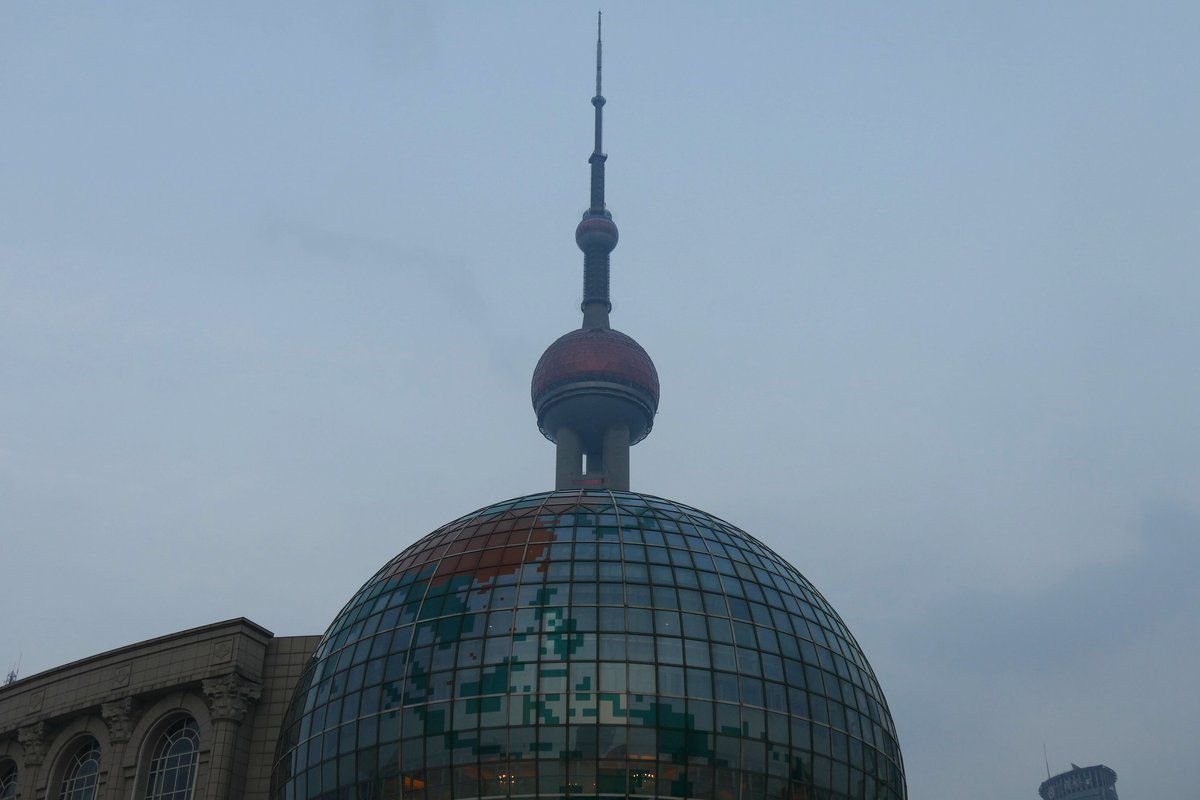
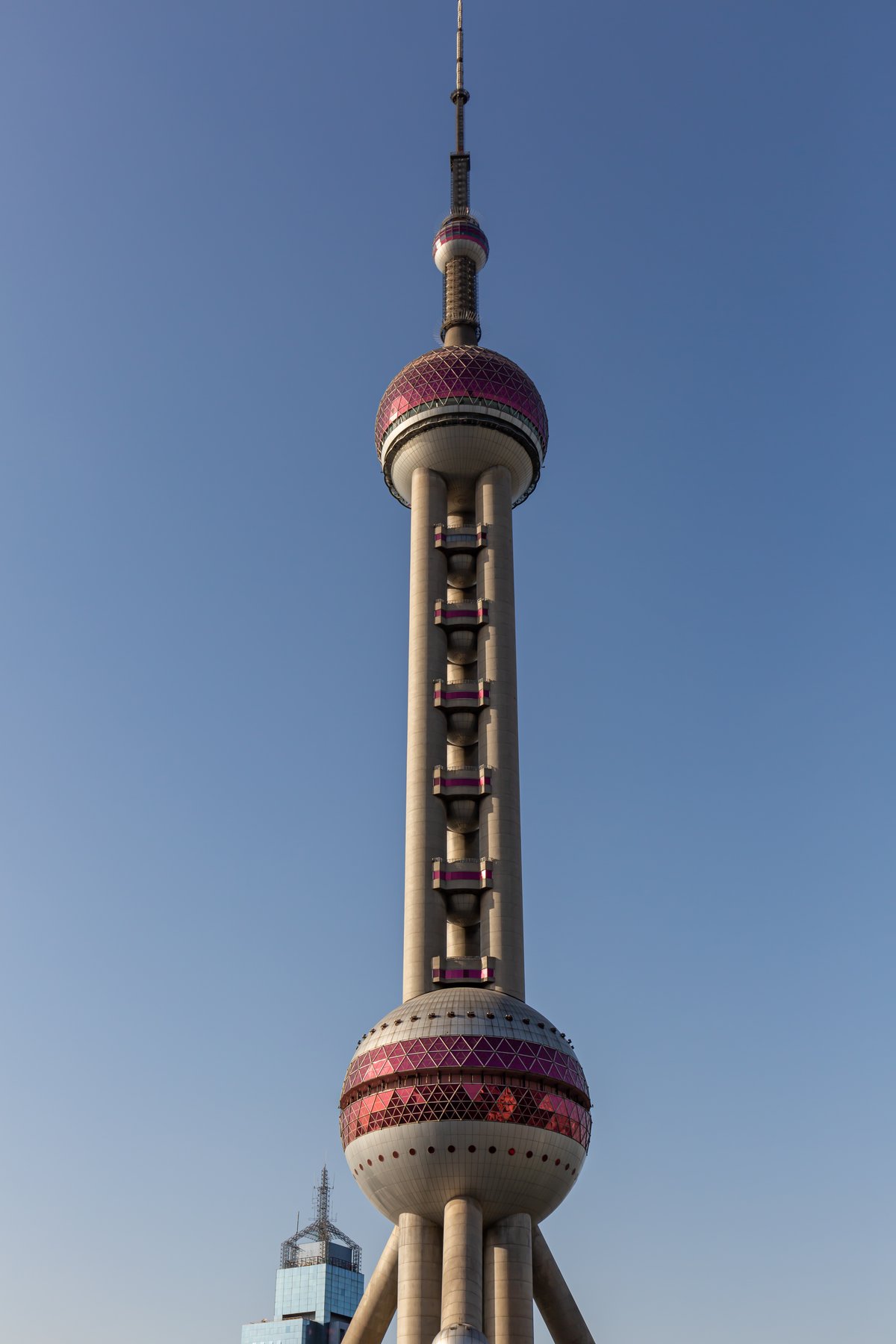
The Oriental Pearl Tower was conceived in the early 1980s as Shanghai sought a symbol for its modernization and economic aspirations. Officially launched in 1991, the tower’s design was selected for its poetic inspiration, with 11 spheres representing pearls aligned along three columns. This distinctive form references a classical Tang Dynasty poem and signifies prosperity and unity (Shanghai Highlights). The tower officially opened to the public on August 1, 1994, standing as the tallest structure in China until 2007 (Wikipedia).
Cultural Icon
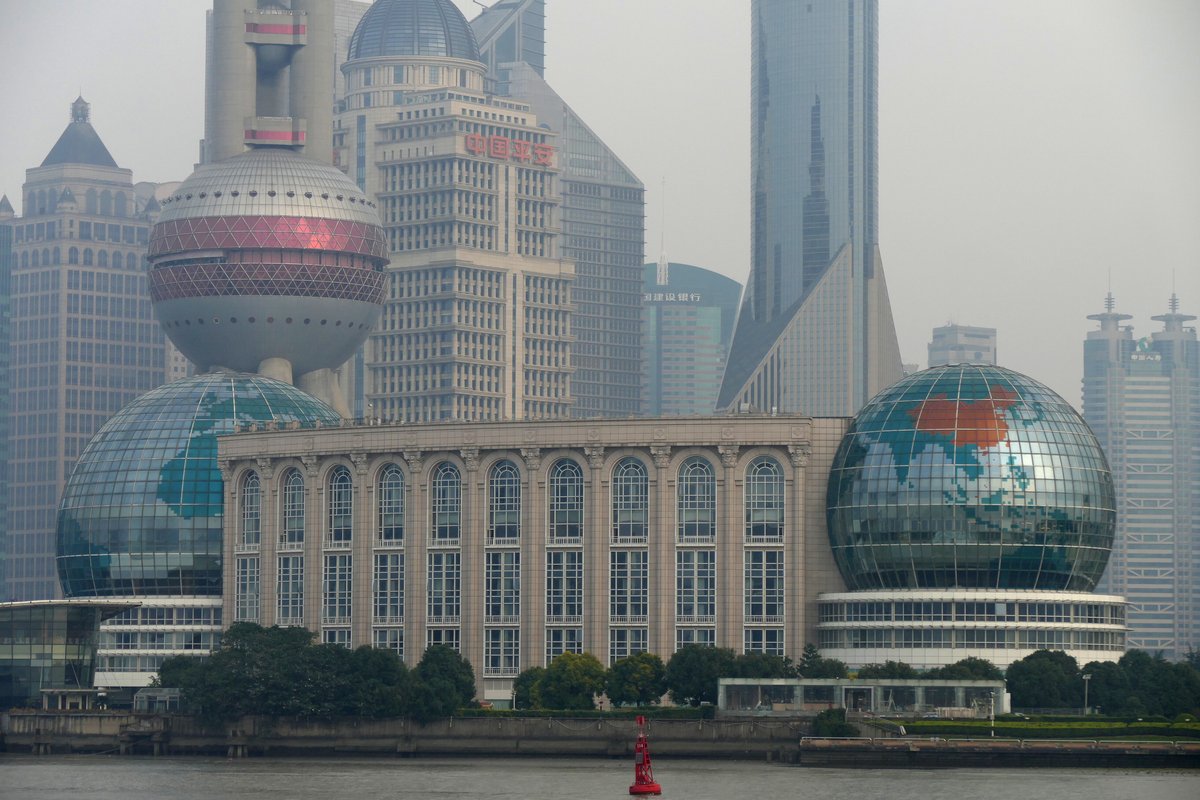
More than just an engineering feat, the Oriental Pearl Tower is a powerful symbol of Shanghai’s modernization and economic resurgence. It features prominently in media, film, and promotional imagery, serving as the anchor of the Lujiazui skyline and a bridge between Shanghai’s historic Bund and its futuristic financial district (etravelwave.com, Chinaler).
Architectural Features
Symbolic Design
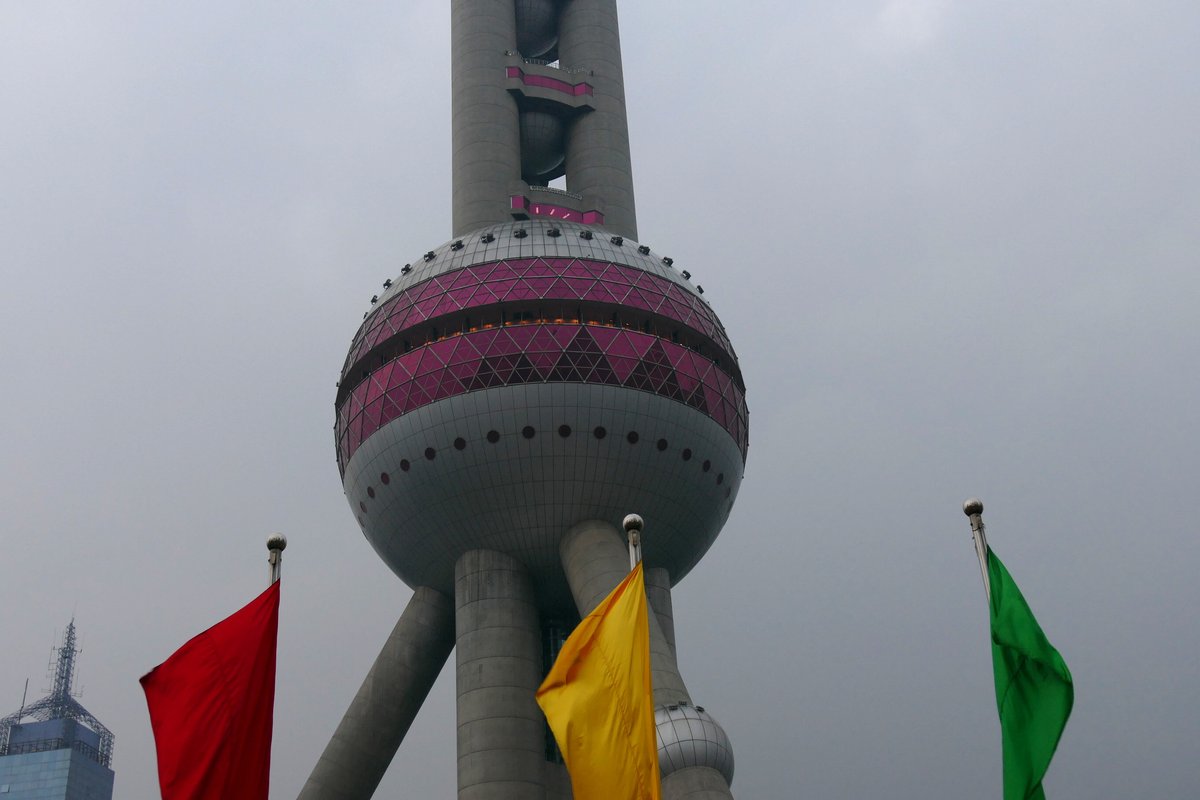
The tower’s architecture is both futuristic and deeply rooted in Chinese tradition. The arrangement of spheres is inspired by a poem describing the sound of pearls falling onto a jade plate, visually realized through the tower’s dramatic silhouette (etravelwave.com). The largest sphere, the Space Module, is at 350 meters, with major observation decks at 263 and 90 meters.
Engineering Marvel
Standing 468 meters tall, the tower’s core is reinforced concrete, supported by three immense columns. This structure not only ensures stability against typhoons and earthquakes but also enables the construction of unique features such as the glass-floored skywalk (gooddaychina.com).
Nighttime Identity
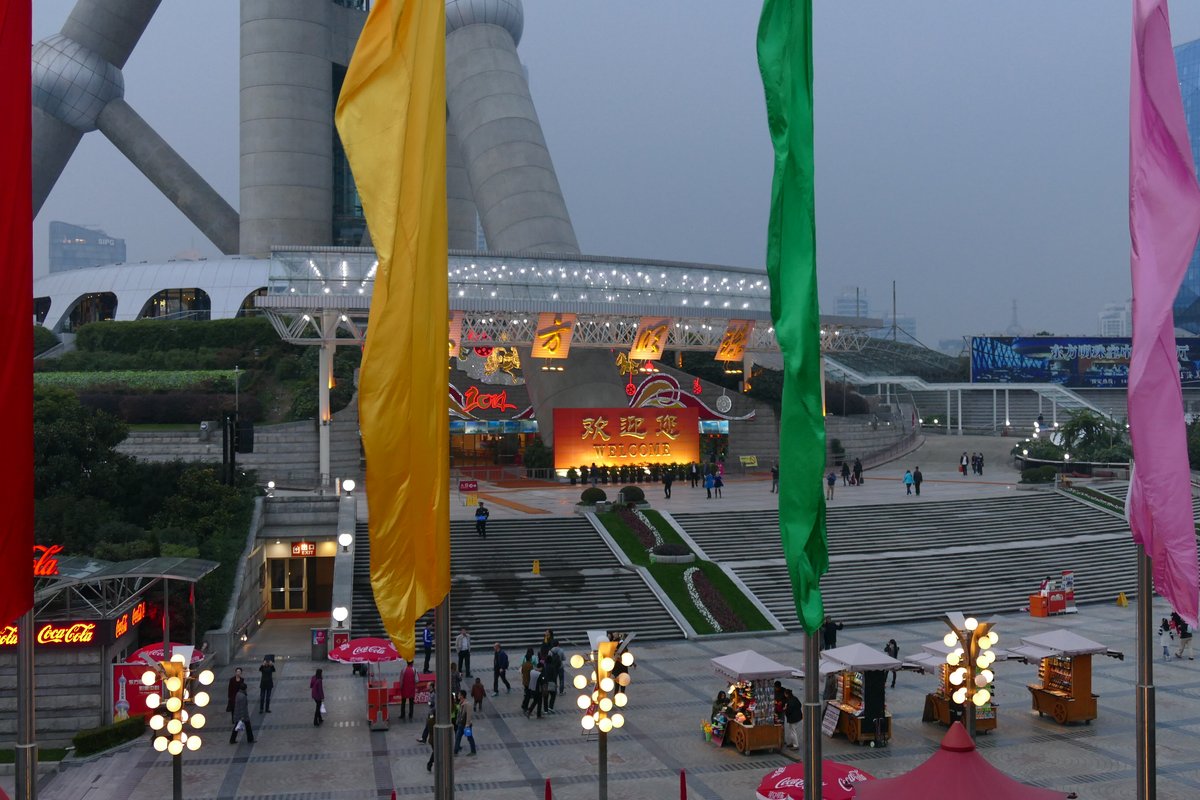
The Oriental Pearl Tower’s advanced LED lighting system illuminates Shanghai’s night skyline with dynamic colors and patterns, especially during festivals and special events (etravelwave.com).
Visitor Information
Location and Accessibility
- Address: No. 1 Century Avenue, Pudong New Area, Shanghai.
- Metro Access: Lujiazui Station, Metro Line 2 (short walk from the tower).
- Accessibility: The tower is fully wheelchair accessible, with elevators connecting all main levels and accessible restrooms (Deep China Travel).
Visiting Hours
- Daily: 8:00 AM – 9:30 PM (last admission at 9:00 PM).
- Note: Hours may vary during public holidays and special events; check the official site or ticket platforms for updates.
Tickets and Pricing
Ticket packages vary depending on selected attractions:
- Two Spheres Sightseeing: Main observation decks.
- Two Spheres + 351m Star Origin (Top Floor): Includes the highest deck.
- Two Spheres + Huangpu River Cruise: Combined ticket for the tower and a river cruise.
- Fantasy World Combo: Adds access to the Fantasy World amusement area.
- Standard Adult Price: ~160–220 RMB, with discounts for children, students, and seniors.
- Where to Buy: Online in advance via 247Tickets, Travel China Guide, or at the ticket counter.
- Tip: Book online to avoid queues during weekends and holidays.
Major Attractions and Experiences
Observation Decks
- Space Module (351m): Highest public observation deck with panoramic city views (CITS).
- Sightseeing Galleria (263m): Offers 360-degree vistas.
- Transparent Observatory (259m): Glass-bottomed skywalk for thrilling downward views (247Tickets).
- Space City (90m): Family-friendly lower observation level.
Revolving Restaurant
At 267 meters, Asia’s largest aerial revolving restaurant serves international buffets and rotates for 360-degree views. Reservations are recommended, especially during peak times (Travel China Guide).
Shanghai Municipal History Museum
Located at the base, the museum presents Shanghai’s development through immersive exhibits, dioramas, and interactive multimedia (CITS).
Fantasy World and VR Experiences
- Fantasy World: Family entertainment with a theater, laser cinema, and interactive games.
- VR Roller Coaster: “Flying Over Shanghai” simulates a virtual flight above the city (Travel China Guide).
Facilities and Amenities
- Shopping Mall: Souvenirs, snacks, and local products.
- Restrooms: Multiple levels, including accessible facilities.
- Dining: Cafes and snack bars in addition to the revolving restaurant.
- Space Hotel: Unique rooms in the small spheres for overnight stays (CITS).
Tips for Visitors
- Book Early: Reserve tickets online for popular time slots (247Tickets).
- Bring ID: Required for ticket redemption.
- Arrive Early or Late: For fewer crowds and the best photography light.
- Weather: Visit on clear days for optimal views; fog can limit visibility.
- Dress Comfortably: Suitable for walking and exploring multiple levels.
- Photography: Tripods are usually not allowed on observation decks.
Nearby Shanghai Historical Sites and Attractions
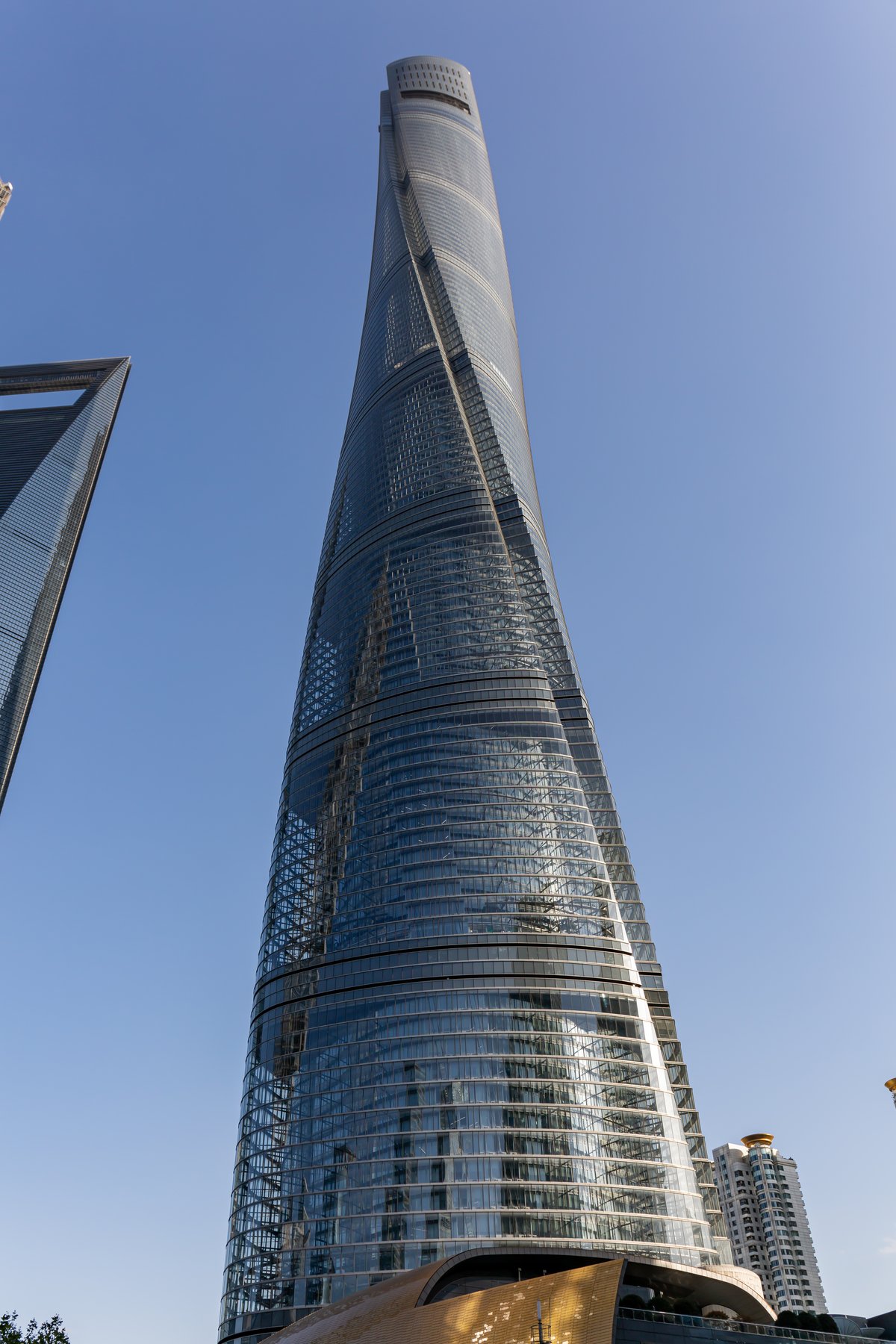
- Shanghai Tower: China’s tallest building, with observation deck.
- Jin Mao Tower: Known for its skywalk and distinctive architecture.
- The Bund: Historic waterfront with colonial-era buildings.
- Shanghai Ocean Aquarium: Popular family attraction.
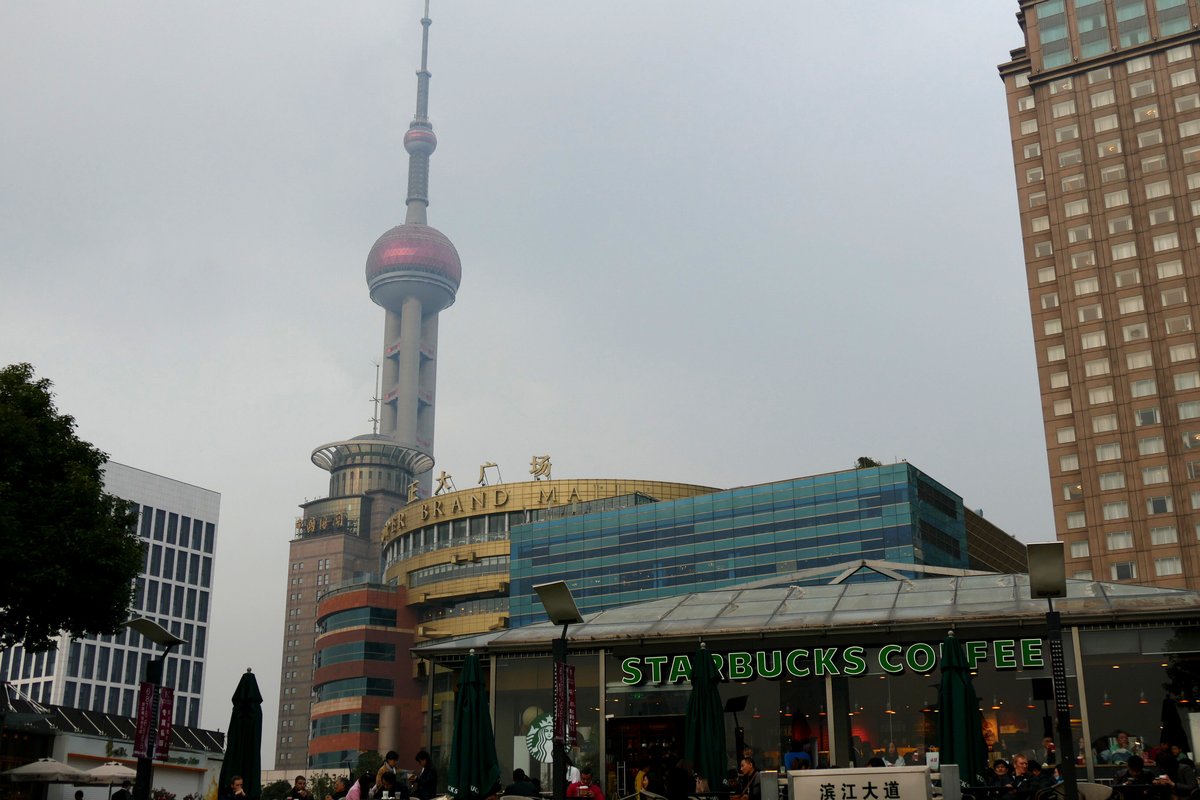
- Super Brand Mall: Shopping and dining complex.
These attractions are all within walking distance or a short metro ride, making it easy to plan a full day of sightseeing in the Lujiazui district (Deep China Travel).
Cultural Activities and Special Events
Light and Music Show
The nightly “Dare to Dream” LED light and music show transforms the tower into a vibrant beacon, visible from across the city and especially impressive from the Bund (etravelwave.com).
Shanghai Urban History and Development Museum
This museum, located in the tower’s basement, features galleries on Shanghai’s architecture, urban development, and daily life across eras, enhanced by interactive displays and multimedia presentations.
Family Experiences: Kiddie Land
Kiddie Land provides a variety of educational and entertaining activities for children, including VR experiences and themed play zones.
Art Installations and Exhibitions
The Lightpainting Gallery and rotating art installations at the tower’s base showcase the best of local and international creativity.
Seasonal Events
The tower hosts festivities for Chinese New Year, Mid-Autumn Festival, international art exhibitions, and more, often with extended hours and special programs.
Frequently Asked Questions (FAQ)
Q: What are the Oriental Pearl Tower visiting hours?
A: Daily from 8:00 AM to 9:30 PM (last entry at 9:00 PM). Check ahead for holiday variations.
Q: How do I buy tickets?
A: Online via trusted platforms such as 247Tickets, Travel China Guide, or at the entrance.
Q: Is the tower accessible for visitors with disabilities?
A: Yes, all main areas are wheelchair accessible, with elevators and accessible restrooms.
Q: Are guided tours available?
A: Yes, guided and audio tours are offered in multiple languages.
Q: Can I dine in the tower?
A: Yes, the revolving restaurant and cafes serve a variety of cuisines.
Q: What else is nearby?
A: The Bund, Shanghai Tower, Jin Mao Tower, and the Shanghai History Museum.
Listen to the full story in the app
The whole Oriental Pearl Tower,
told well.
Listen to sourced travel stories with local history and practical context — ready offline.
Verified, and shown.
Researched and written by the Audiala editorial team from historical records, architectural archives, and local expertise.
Built from cited sources · see the method · How we make our guides →