
Historical Evolution and Architecture
Early Origins and Administrative Growth
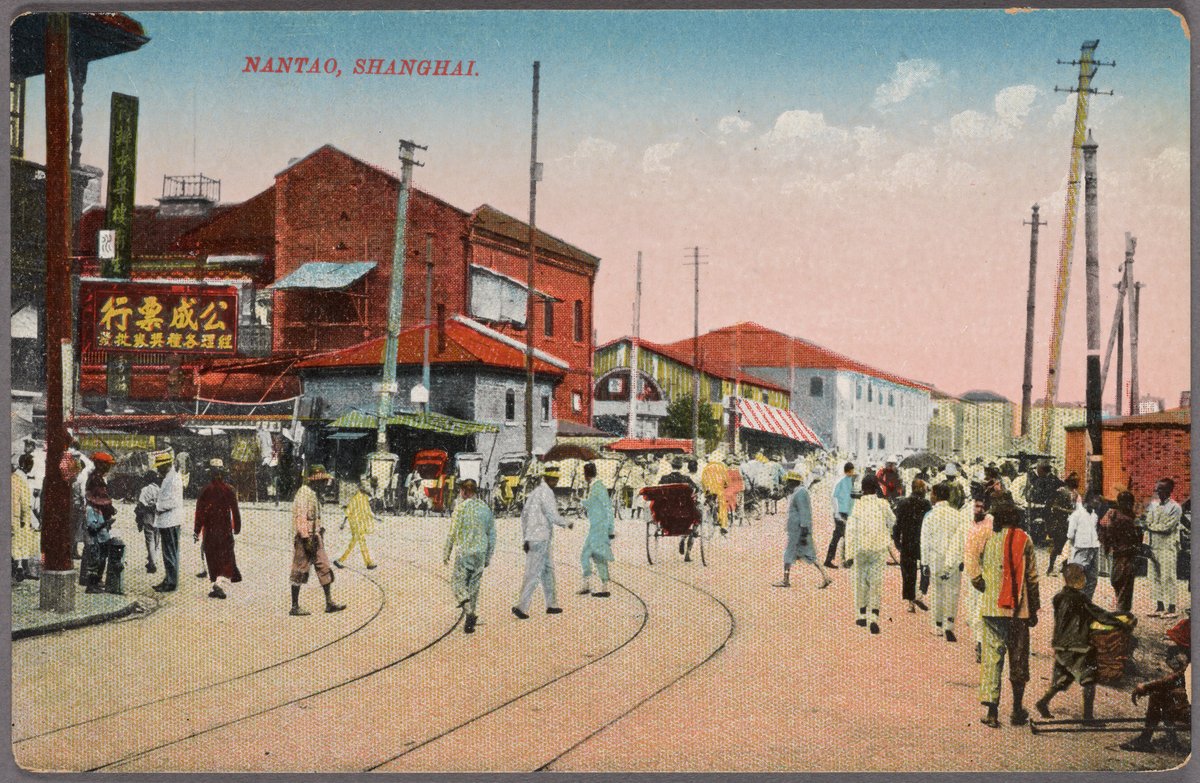
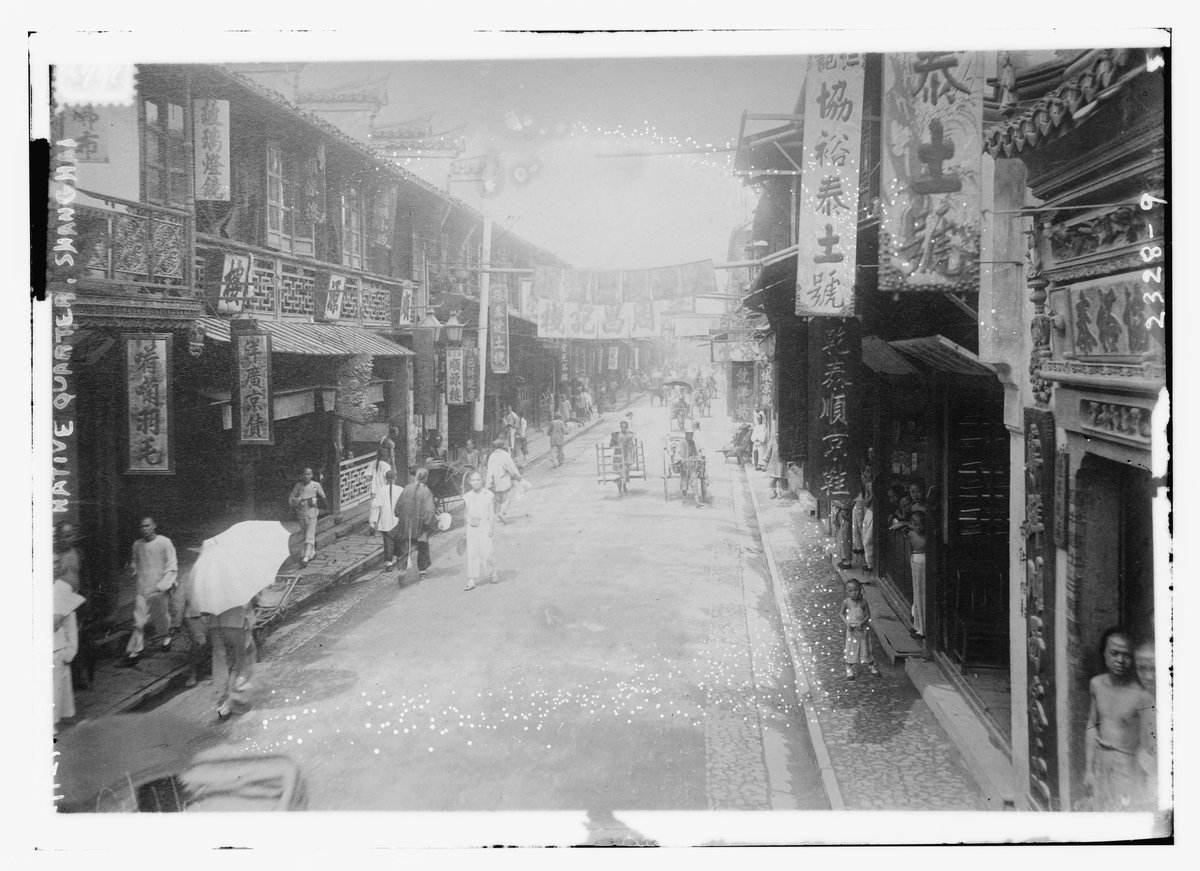
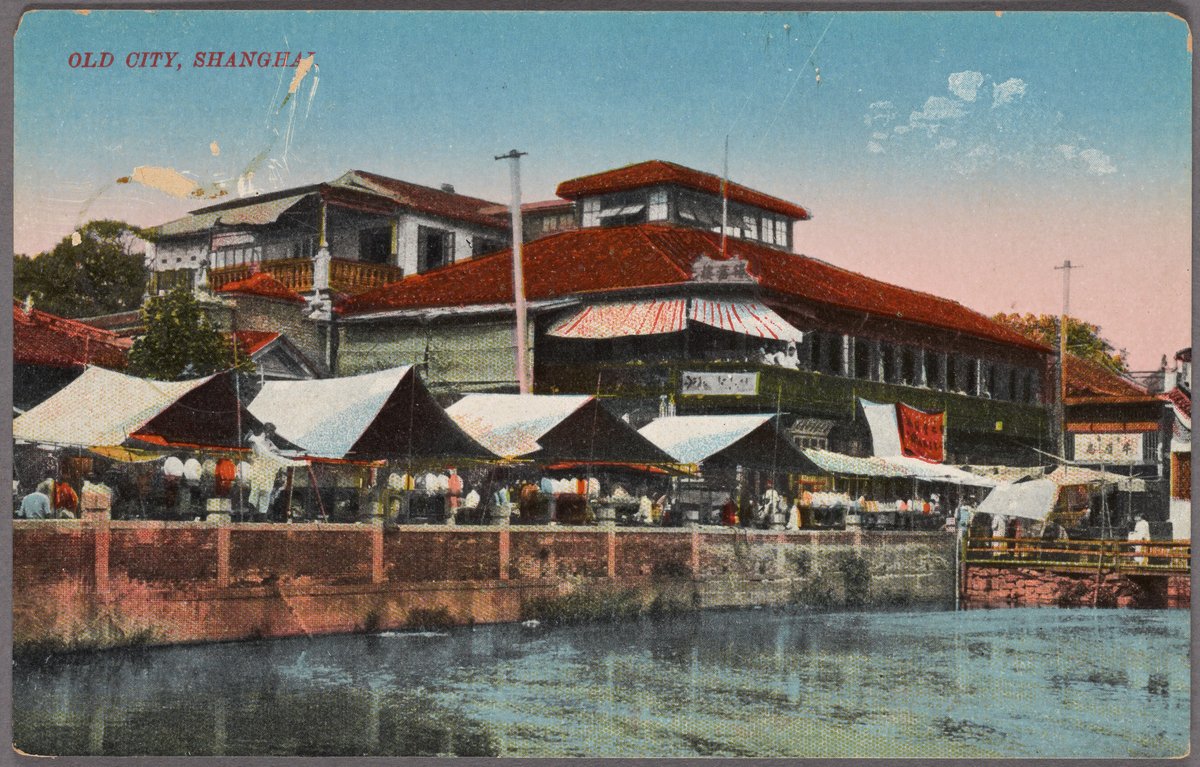
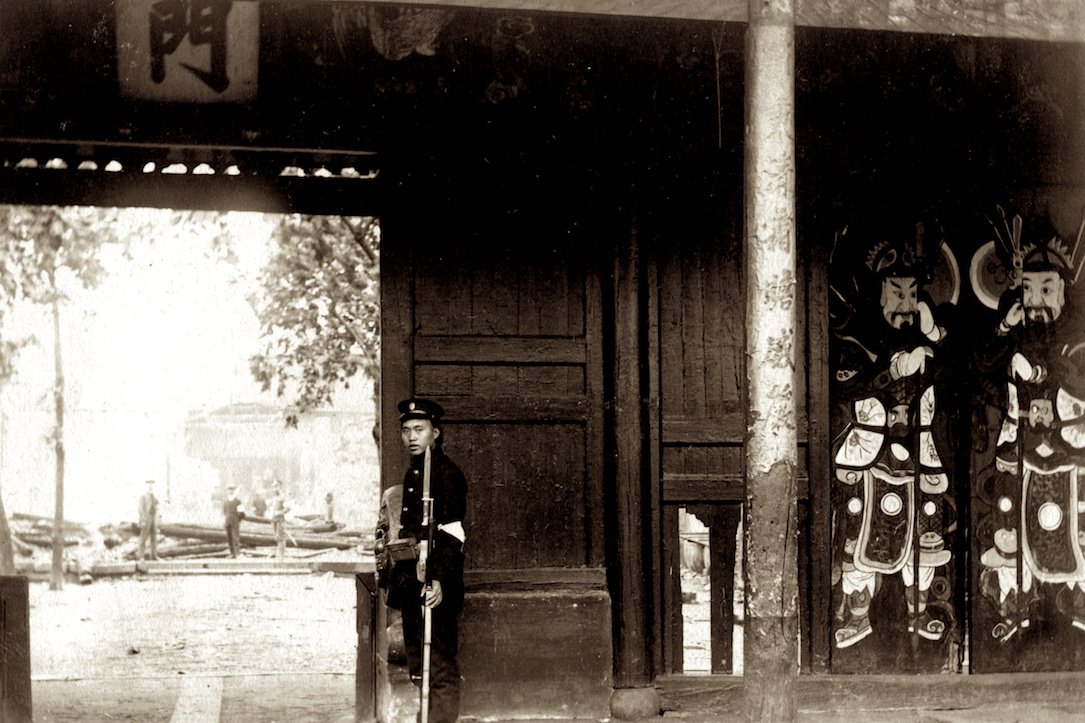
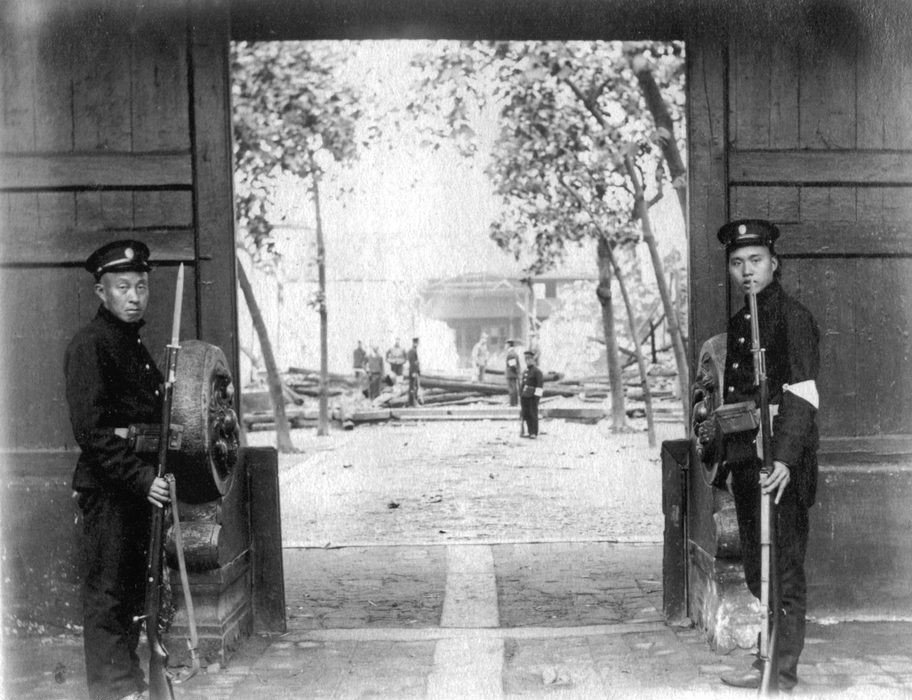
The Old City’s origins date to the Southern Song Dynasty (1127–1279), when it became a vital trading and administrative center. In 1292, under the Yuan Dynasty, Shanghai was officially established as a county, and its importance grew steadily over subsequent centuries (Shanghai Government Overview). The Ming Dynasty saw the construction of city walls in 1554 to defend against pirate raids, enclosing a dense urban core with six land gates and three water gates (Wikipedia).
Urban Change and Cultural Fusion
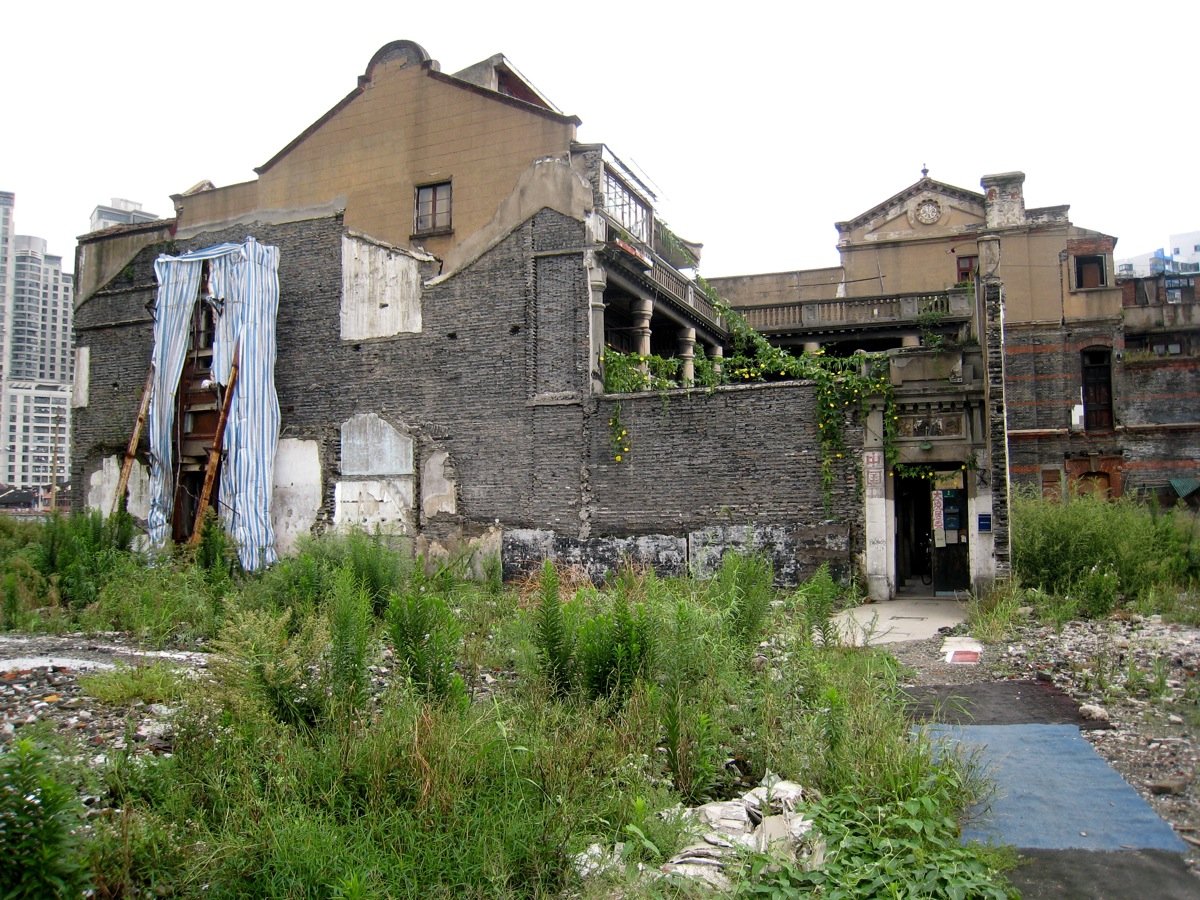
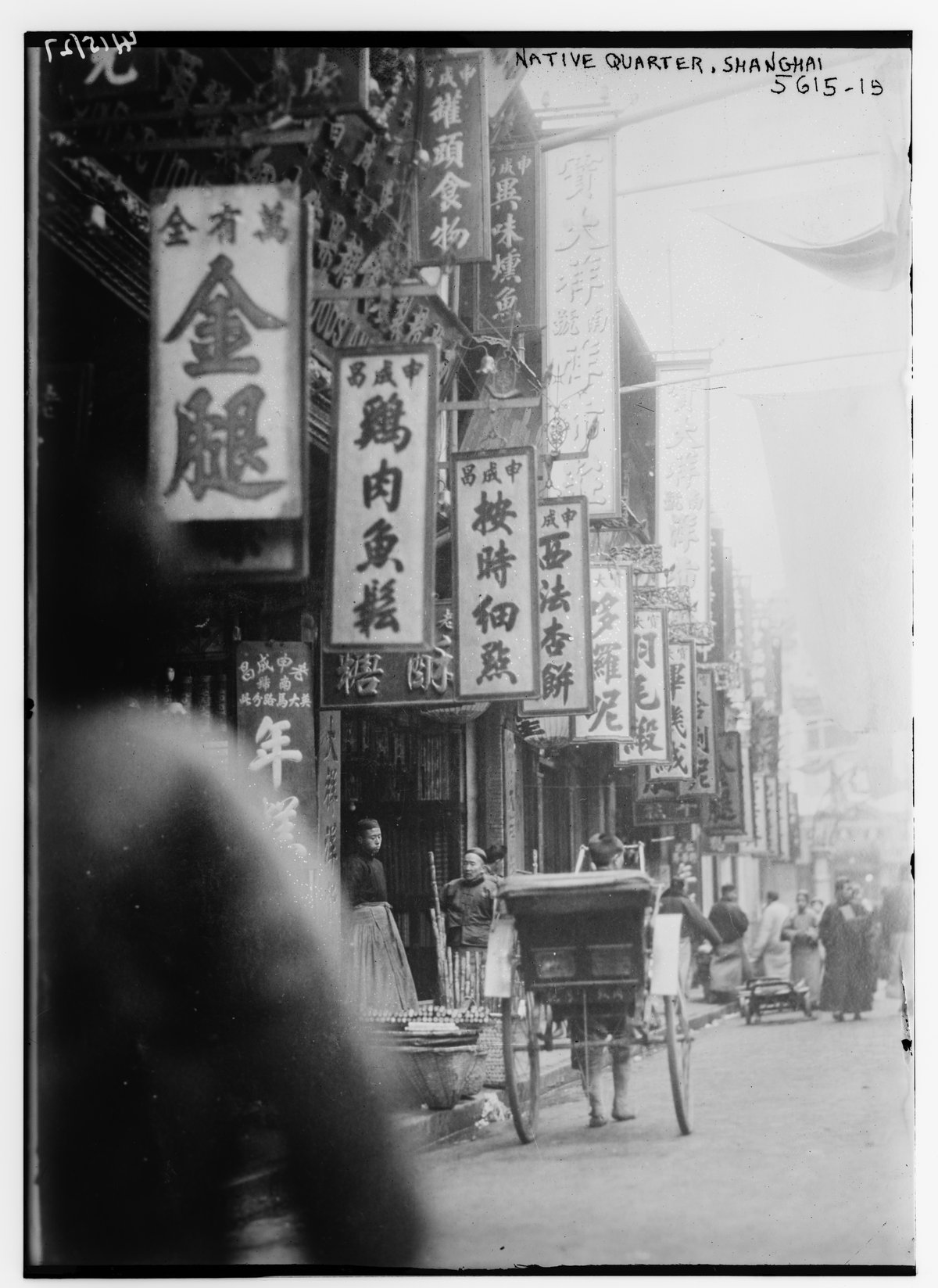
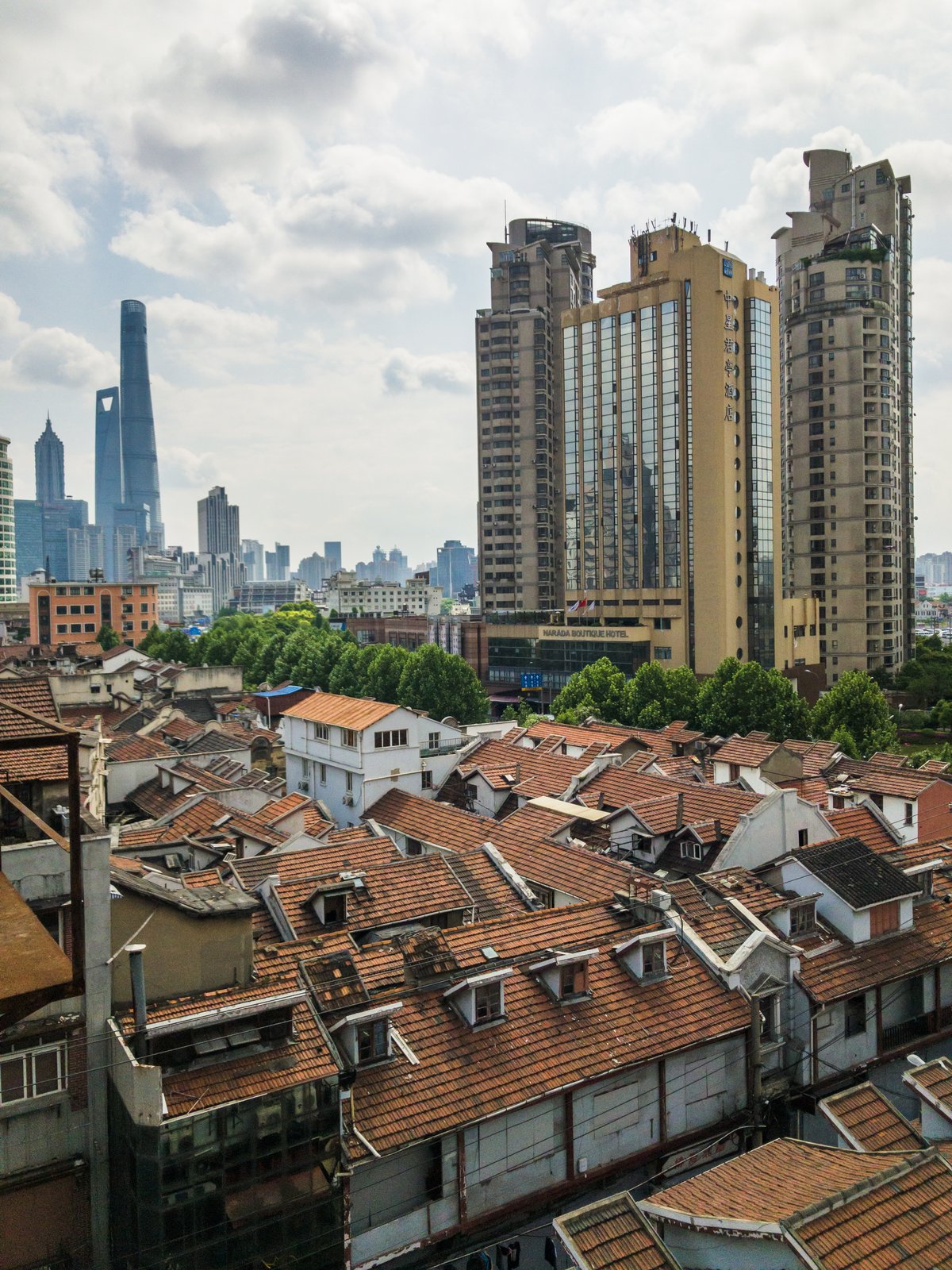
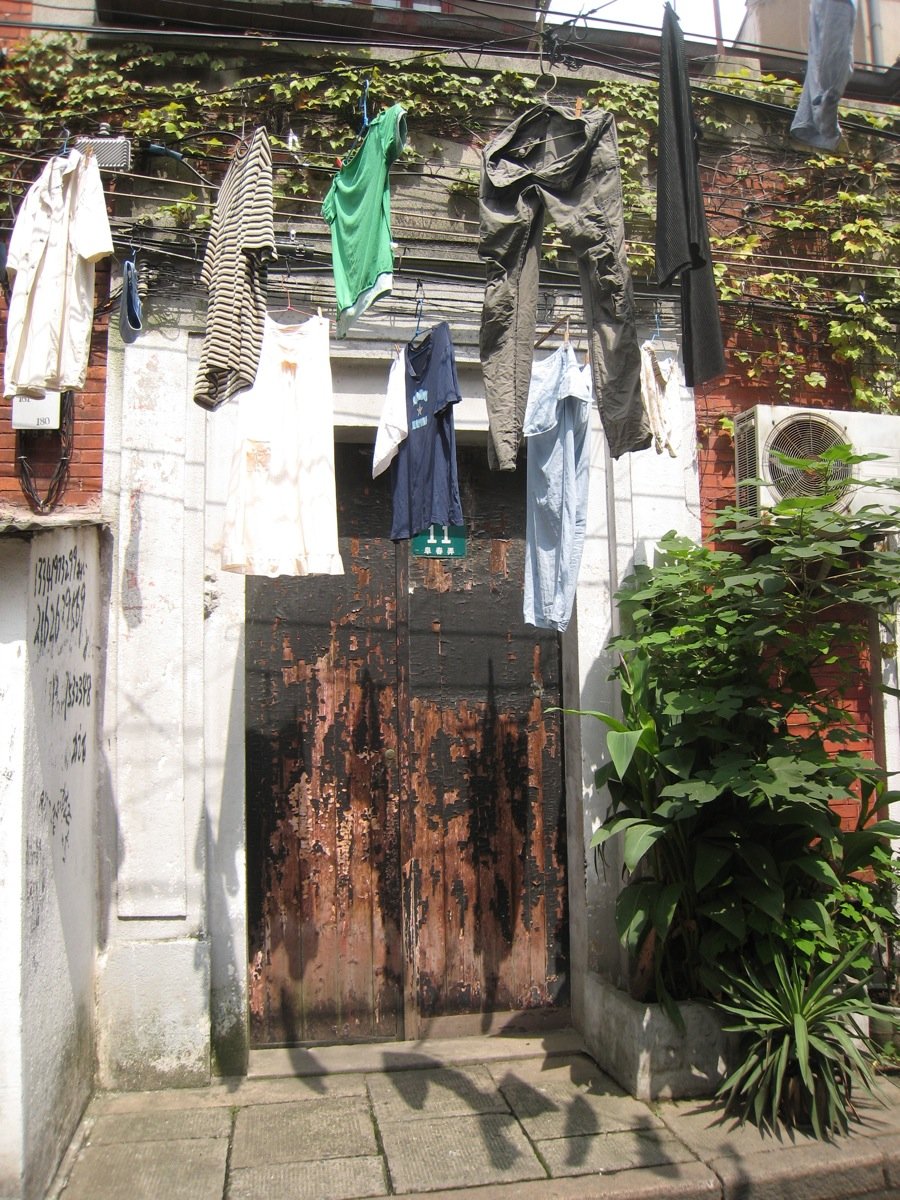
The arrival of foreign concessions in the 19th century introduced Western influences, particularly outside the city walls, while the Old City retained its traditional Chinese character. Demolition of the city walls in the early 20th century marked a turning point, blending historical preservation with urban modernization (Culture Shock Shanghai). The Old City is also the birthplace of the “Shikumen” architectural style—stone-gated houses that combine Chinese and Western elements (Shine.cn).
Key Cultural and Religious Landmarks
Religious and Spiritual Life
The City God Temple (Chenghuang Miao) remains a hub for Taoist worship and community gatherings, especially during festivals. The Shanghai Confucian Temple and several Buddhist shrines further enrich the area’s spiritual landscape (Discover China Guide).
Living Traditions
Traditional festivals, including the Spring Festival and Mid-Autumn Festival, bring the Old City to life with lantern displays, dragon dances, and temple fairs. Tea culture flourishes at historic teahouses, and practices such as calligraphy and embroidery can be experienced through workshops (Discover China Guide).
Visiting Hours, Tickets, and Guided Tours
- Yuyuan Garden 8:30 AM – 5:30 PM; tickets: 40 RMB (Official Yuyuan Garden website)
- City God Temple 8:00/8:30 AM – 4:30/5:00 PM; tickets: 10–20 RMB, varies by section
- Dajing Pavilion 9:00 AM – 5:00 PM (closed Mondays); tickets: 20–30 RMB
- Huxinting Teahouse 8:30 AM – 9:30 PM; bridge free, tea prices vary
Tickets can be purchased onsite or via official online platforms. Guided tours and audio guides are available at major attractions and through reputable travel apps and agencies (The Travel Intern).
Accessibility Information
The Old City’s main attractions, such as Yuyuan Garden and the City God Temple, offer partial wheelchair access and ramps. However, narrow alleys and historic sites may pose challenges for visitors with limited mobility. Check individual sites for detailed accessibility features.
Top Must-See Sites in the Old City
Yuyuan Garden (Yu Garden)
A masterpiece of Ming Dynasty garden design, Yuyuan features rockeries, ponds, pavilions, and quiet courtyards. Renowned for its classical beauty, it is divided into six themed areas and is particularly stunning in spring and autumn.
- Hours 8:30/9:00 AM – 4:30/5:30 PM
- Tickets 40 RMB (Official Yuyuan Garden website)
- Access Metro Line 10, Yuyuan Garden Station
- Note Wheelchair access limited due to uneven paths
City God Temple (Chenghuangmiao)
This Taoist temple, surrounded by a bustling bazaar, is the spiritual heart of the Old City. Its ornate halls host regular religious ceremonies and festivals, while the adjacent bazaar offers local snacks and souvenirs.
- Hours 8:00/8:30 AM – 4:30/5:00 PM
- Tickets 10–20 RMB
- Access Metro Line 10, Yuyuan Garden Station
Shanghai Old Street (Fangbang Middle Road)
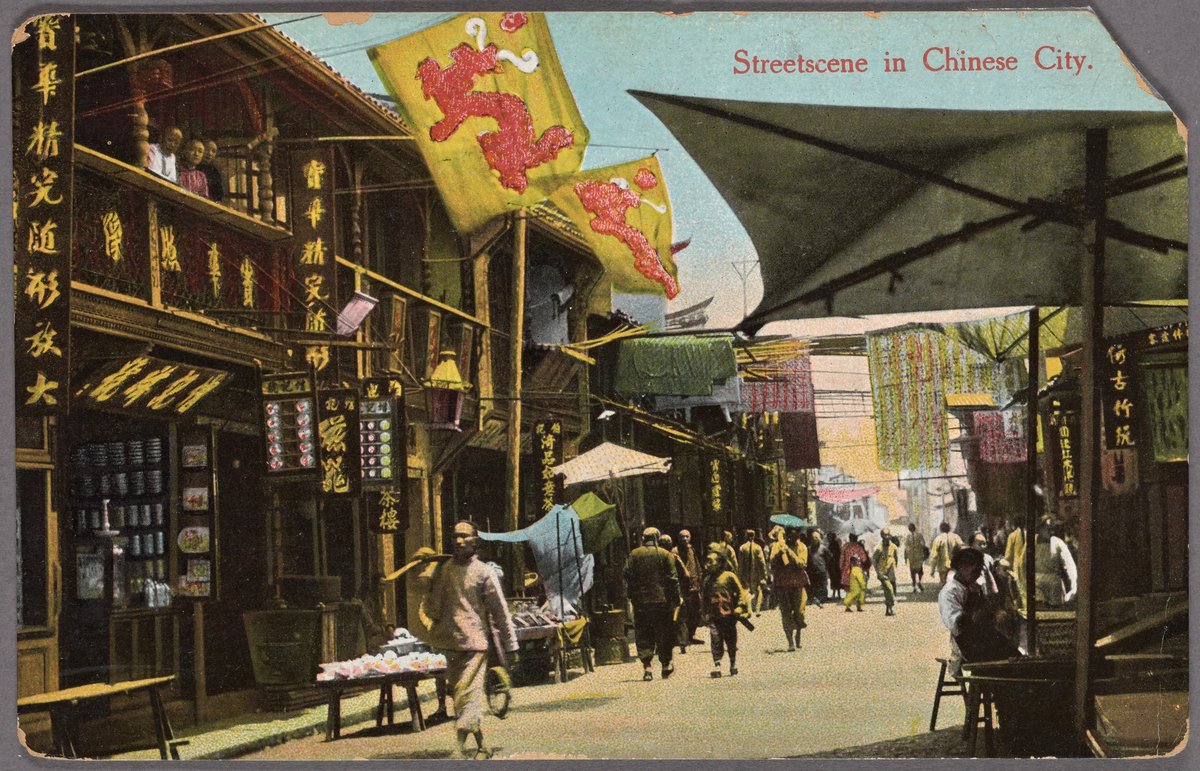
A vibrant pedestrian street lined with restored Qing Dynasty shophouses, antique stores, and food stalls, offering an authentic taste of old Shanghai.
- Hours Shops open 9:00 AM – 10:00 PM
- Tickets Free entry
- Access Short walk from Yuyuan Garden
Huxinting Teahouse and Zigzag Bridge
Located on a pond and accessed via the Nine-Turn Bridge, this historic teahouse is an iconic spot to enjoy traditional teas and snacks amid picturesque surroundings.
- Hours 8:30 AM – 9:30 PM
- Tickets Bridge free; tea prices vary
Laoximen District
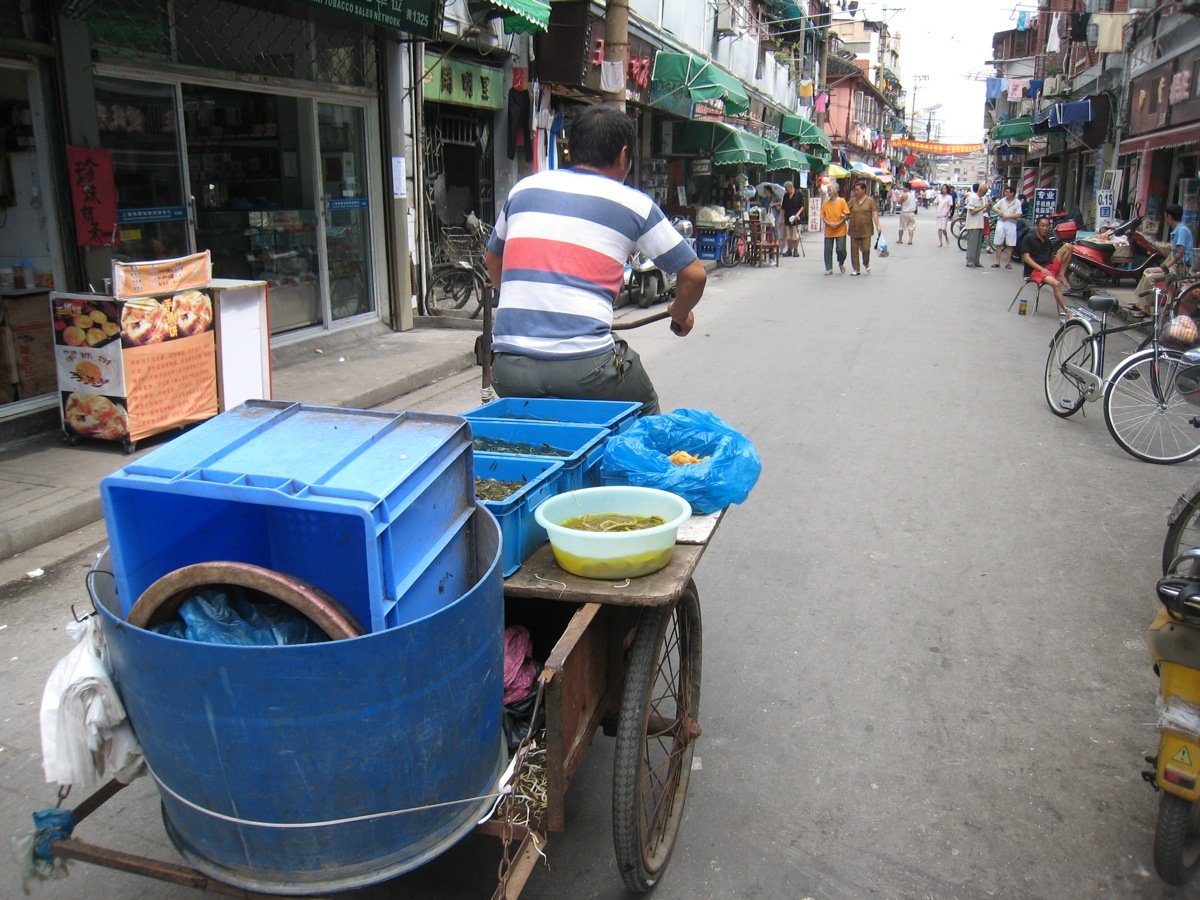
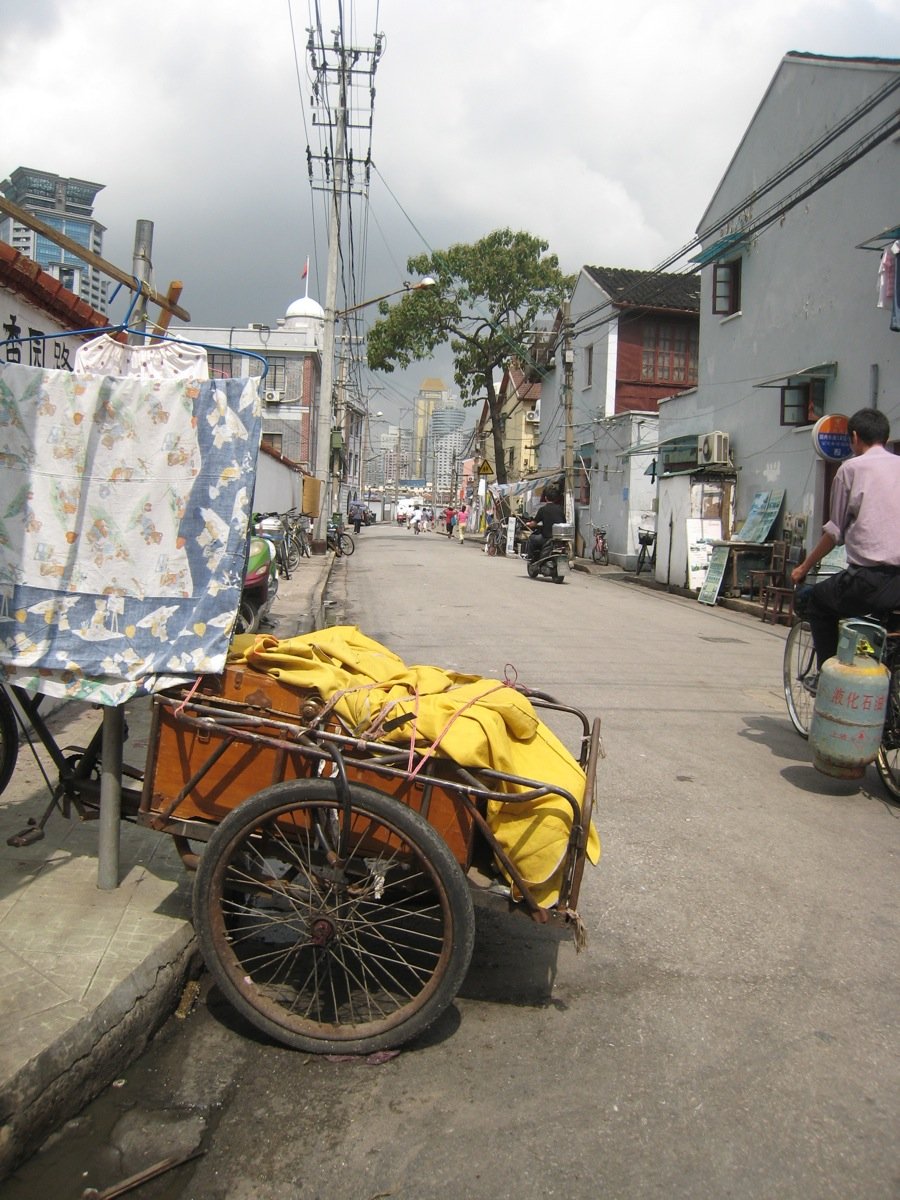
A historic neighborhood showcasing shikumen houses, narrow lanes, and traditional markets, offering a glimpse of pre-modern Shanghai.
- Hours Shops and markets generally 7:00 AM – 8:00 PM
- Tickets Free
- Access Metro Line 8/10, Laoximen Station
Shikumen Open House Museum (Xintiandi)
This museum displays restored shikumen architecture, illustrating Shanghai’s unique blend of East and West. Xintiandi’s pedestrian district is filled with boutiques and cafes.
- Hours 11:00 AM – 11:00 PM (museum hours may vary)
- Tickets 20 RMB
- Access Metro Line 10/13, Xintiandi Station
Tianzifang Arts & Crafts Enclave
A creative district in the French Concession, Tianzifang features preserved lane houses filled with studios, galleries, and restaurants.
- Hours Shops open 10:00 AM – 10:00 PM
- Tickets Free
- Access Metro Line 9, Dapuqiao Station
Practical Travel Tips
- Best Time to Visit Spring (March–May) and autumn (September–November) for pleasant weather; early mornings to avoid crowds (Asia Odyssey Travel).
- Getting Around Metro Lines 8, 9, and 10 serve the area; walking is ideal for exploring.
- Language English is present in tourist zones; basic Mandarin or translation apps are helpful.
- Safety The area is generally safe; stay alert for pickpockets in crowded places and watch for scooters in alleys.
- Payments Alipay and WeChat Pay are common; carry some cash as credit cards may not be accepted everywhere.
- Cultural Etiquette Dress modestly at temples, ask before photographing people, and bargain politely in markets.
Shopping and Culinary Highlights
- Souvenirs Traditional crafts, silk, calligraphy, paper cuttings, jade, and tea sets are popular. Main shopping streets include Fangbang Middle Road and Dongtai Road market.
- Street Food Sample xiaolongbao (soup dumplings), shengjianbao (pan-fried buns), sticky rice rolls, and local pastries (Discover China Guide). The area is a paradise for food lovers seeking authentic Shanghainese flavors.
Nearby Attractions
- The Bund Iconic riverside promenade with colonial-era architecture, minutes from the Old City (Camera Destinations).
- Zhujiajiao Water Town A historic canal village accessible via Metro Line 17 (The Travel Intern).
- People’s Square Cultural and civic center reachable by metro.
Frequently Asked Questions (FAQ)
Q: What are the Old City’s main visiting hours?
A: Most attractions open between 8:00–9:00 AM and close by 5:00 PM. Check specific sites for details.
Q: How do I buy tickets for Old City attractions?
A: Tickets are available onsite or online via official platforms.
Q: Are guided tours available?
A: Yes, both guided and self-guided tours are offered; check apps like GPSmyCity or reputable local operators.
Q: Is the Old City wheelchair accessible?
A: Major attractions offer partial access, but many historic streets and buildings are challenging for wheelchairs.
Q: What is the best way to reach the Old City?
A: Metro Line 10 (Yuyuan Garden Station) is the most convenient; taxis are also widely available.
Discover More
The Old City of Shanghai is a living museum where history, culture, and contemporary life blend. From classical gardens and vibrant markets to spiritual temples and creative enclaves, it offers an unparalleled window into Shanghai’s soul. By planning ahead—checking visiting hours, securing tickets, and considering accessibility—you can maximize your experience. Download the Audiala app for guided tours, offline maps, and real-time travel tips. Stay up to date by following our social media channels and let the Old City inspire your next adventure in Shanghai!