What Naval Medical University Is
Naval Medical University (NMU), formerly known as the Second Military Medical University, is in Shanghai’s Yangpu District. Established in 1949, it combines military medical training with civilian medical education, research, and healthcare. The university serves national defense and public health and is a center for medical education, research, and healthcare innovation.
NMU has “Double First-Class” status, recognizing its excellence in teaching and research (China Admissions). Its English-taught MBBS program attracts students from over 30 countries and is listed in the World Directory of Medical Schools. The university also participates in global health initiatives and academic exchanges.
History
Founding and development
NMU was established in 1949 to modernize the People’s Liberation Army Navy’s (PLAN) medical services. It brought together several military medical schools, adopted rigorous educational standards, and drew on Soviet models in its early development.
In the decades that followed, NMU broadened its work to include civilian medical education and research. Its renaming in 2017 reflected renewed naval medical priorities and China’s maritime ambitions.
Military medicine and disaster response
As the primary medical training center for the PLAN, NMU trains experts in naval and diving medicine. Its medical teams have contributed to national and international disaster response, including during the 2008 Sichuan earthquake.
What to See and Learn About
Campus and facilities
The campus covers approximately 1.1 square kilometers (270 acres) and includes educational, research, and clinical facilities. It is near academic neighbors Fudan and Tongji Universities.
Facilities and campus features include:
- Teaching buildings and laboratories for medical and naval disciplines, including a noted eight-year Chinese medicine program.
- A library covering 11,000+ square meters, with 500,000+ volumes, digital resources, and study spaces.
- The State Key Laboratory of Medical Neurobiology, the National Liver Cancer Science Center, and East China’s largest burn treatment center.
- Dormitories, diverse dining options, sports fields, and fitness centers.
NMU employs distinguished faculty from the Chinese Academy of Sciences and the Chinese Academy of Engineering.
Naval Medical University Monument
The NMU Monument commemorates the university’s contributions to military and naval medicine, including its work in education, research, and healthcare for military and civilian populations. The site has multimedia exhibits and brochures. Expert guides explain the university’s history and contributions; English is available with advance notice. Special exhibitions are listed on the official website.
Affiliated hospitals
NMU’s affiliated hospitals are known for clinical training and patient care:
- Changhai Hospital Specializes in hepatobiliary surgery, trauma, burns, and cardiovascular care. International clinics provide multilingual services.
- Changzheng Hospital Specializes in orthopedics, neurosurgery, nephrology, and urology.
- Eastern Hepatobiliary Surgery Hospital Focuses on liver, gallbladder, and pancreatic diseases, minimally invasive surgery, and transplantation.
Practical Visiting Information
Hours and access
- General campus access The campus is generally open to the public on weekdays, 9:00 AM–5:00 PM. Some areas are restricted because of the university’s military affiliation.
- Monument Open Tuesday–Sunday, 9:00 AM–5:00 PM; closed Mondays and public holidays.
Confirm current visiting hours and restrictions with the visitor center or official website before visiting. Visitors should check in at the main gate and follow staff instructions.
Tickets and tours
Campus entry is usually free. Specific heritage sites, museums, or guided tours may require prior registration or a nominal fee. Most areas are free but may require prior registration or an invitation, especially for academic and hospital visits.
The monument is free to enter. Group tours are available with prior reservation through the visitor center. Guided tours of the campus and monument require an appointment, and advance booking is highly recommended. The university also hosts public lectures, health fairs, and exhibitions; check the official website for details and event schedules.
Location and transportation
- Address 上海市杨浦区翔殷路800号
- Metro Nearby stations include Jiangwan Stadium on Line 10 and Huangxing Park on Line 8. The monument’s public-transport information also lists Longdong Road Station on Line 3.
- Bus Several Yangpu District bus routes stop near campus gates. Buses 123 and 456 are listed for the monument.
- Taxi or ride-hailing Use the address above.
- Parking On-campus parking is limited; public parking is available nearby. Monument parking is limited on site.
Accessibility and photography
Main buildings have ramps and elevators. The monument is wheelchair accessible and has rest areas. Contact the visitor center or inform staff in advance if you need assistance.
Photography is permitted in public areas and in designated areas at the monument, but is restricted in research, military, and other sensitive zones. Seek permission where required.
Tips for Visitors
- Carry your passport or national ID, along with any necessary authorization.
- Most staff speak Mandarin; translation apps or guides may be useful.
- Wi-Fi is limited, and VPNs may be needed for international internet access.
- Set up Alipay or WeChat Pay in advance; cash is rarely accepted.
- Spring (March–May) and autumn (September–November) offer mild weather.
- Respect military regulations and privacy restrictions, and dress modestly and professionally.
Nearby Places
- Shanghai Botanical Garden A 10-minute drive.
- Fuxing Park Notable for traditional landscaping.
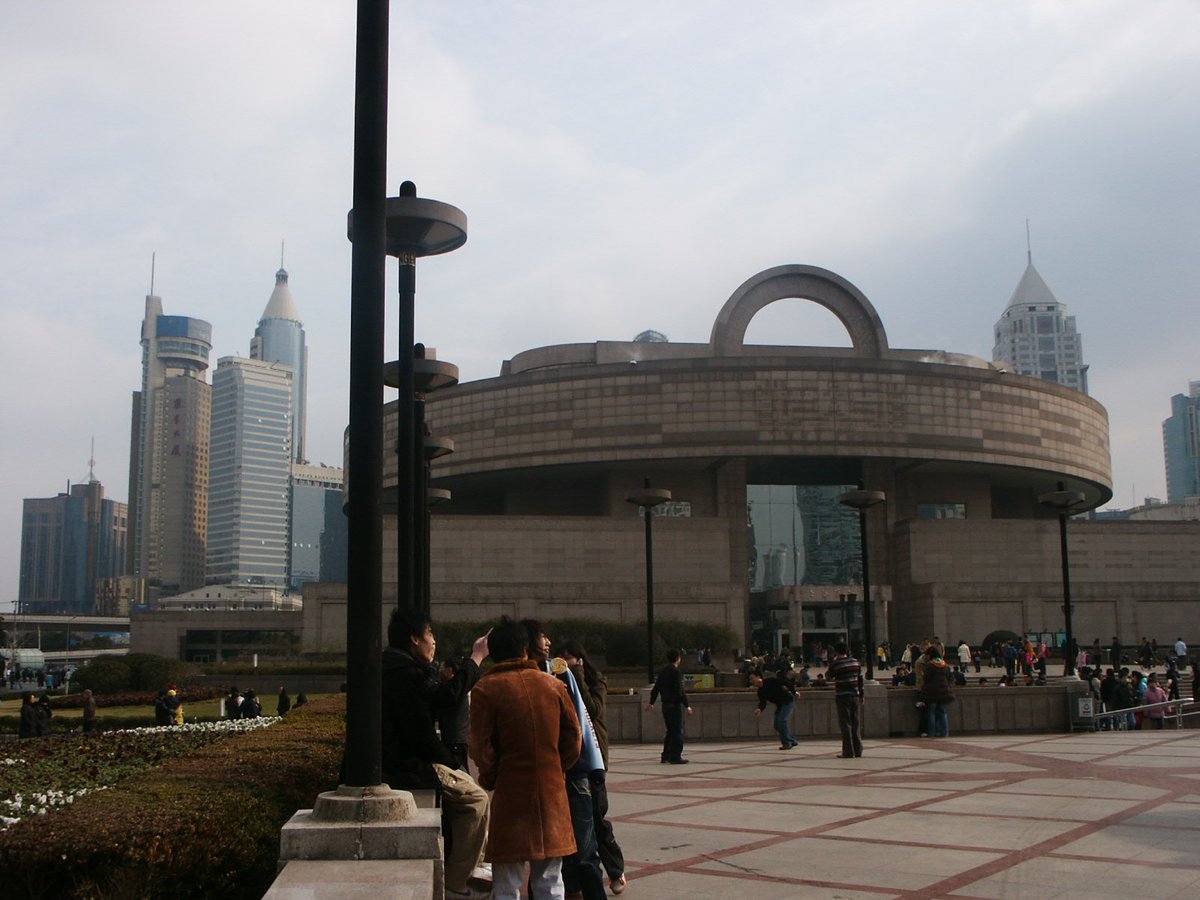
- Shanghai Museum Downtown, with displays of Chinese art and history.
Frequently Asked Questions
Q1: What are the NMU campus visiting hours?
A1: The campus is generally open weekdays, 9:00 AM–5:00 PM. Confirm in advance because of access restrictions. The monument is open Tuesday–Sunday, 9:00 AM–5:00 PM, and closed Mondays and public holidays.
Q2: Do I need a ticket or prior authorization?
A2: Most areas are free, but prior registration or an invitation may be required, especially for academic and hospital visits. The monument is free; group tours require prior reservation.
Q3: Are guided tours available in English?
A3: Yes, by prior arrangement. English is available for monument tours with advance notice.
Q4: Is the campus accessible for disabled visitors?
A4: Main buildings have ramps and elevators, and the monument is wheelchair accessible. Inform staff in advance if you need assistance.
Q5: Can I take photos on campus?
A5: Photography is permitted in public areas and designated monument areas, but not in restricted or sensitive zones.