Introduction to Nanqiao Town and Its Historical Significance
Nanqiao Town, located in the Fengxian District of southern Shanghai, is an essential destination for travelers seeking a blend of historical legacy and vibrant modernity. As the cultural heartland of Fengxian, Nanqiao offers a deep dive into Shanghai’s storied past, remarkable architectural heritage, and enduring local traditions. Its roots can be traced to the late Tang Dynasty, when its strategic location as the “Southern Bridge” across the Tangang River made it a hub for trade and cultural exchange. Ancient legends, notably those from the Spring and Autumn Period and tales of Confucian disciples, further enrich the town’s historical tapestry (arch2o.com; shine.cn).
Nanqiao’s attractions are diverse: stroll the historically preserved Nanqiao Old Street, marvel at Ming and Qing dynasty architecture, unwind in the tranquil Guhua Park, and explore the Fengxian Museum for insights into the region’s archaeological and agricultural past. Modern urban redevelopment—exemplified by projects like the Nanqiao Academy—demonstrates the town’s harmonious fusion of preservation and innovation (arch2o.com; shine.cn).
Cultural events, such as the annual Dragon Boat Festival, traditional opera, and handicraft workshops, bring Nanqiao’s living traditions to life (shine.cn). Recent urban upgrades have prioritized accessibility, with barrier-free paths, enhanced public amenities, and convenient transport links like Shanghai Metro Line 5 ensuring easy access for all visitors (touristplaces.guide; trip.com).
This guide provides detailed information on visiting hours, ticketing, major attractions, cultural highlights, and practical travel tips to help you plan an enriching and memorable visit to Nanqiao Town, one of Shanghai’s most dynamic historic and cultural destinations.
Discover Nanqiao Town: Shanghai’s Historic Gem
Nanqiao Town captivates visitors with its rich history, vibrant culture, and stunning architecture. Its unique blend of ancient legends, preserved heritage sites, and modern urban renewal makes it a must-visit for anyone seeking an authentic Shanghai experience. Whether you’re drawn to temples, parks, or the town’s living traditions, Nanqiao offers something for every traveler.
Early Origins and Historical Evolution
Nanqiao’s history stretches back to the late Tang Dynasty, when it emerged as a vital crossing point over the Tangang River (arch2o.com). Its location fostered centuries of trade, cultural exchange, and legend. Inhabited since the Spring and Autumn Period (770–476 BCE), the region is associated with revered figures like Yan Yan, a disciple of Confucius, reflecting the area’s longstanding values of hospitality and learning (shine.cn).
Legends and Local Folklore
Nanqiao’s identity is enriched by tales such as the “Three Women Temple” (三女祠; Sān Nǚ Cí), commemorating the loyalty and sacrifice of King Wu’s daughters during the Zhou Dynasty. Their story, memorialized in Guhua Park’s ancestral hall, underscores enduring values of loyalty and filial piety (shine.cn).
Architectural Heritage and Urban Renewal
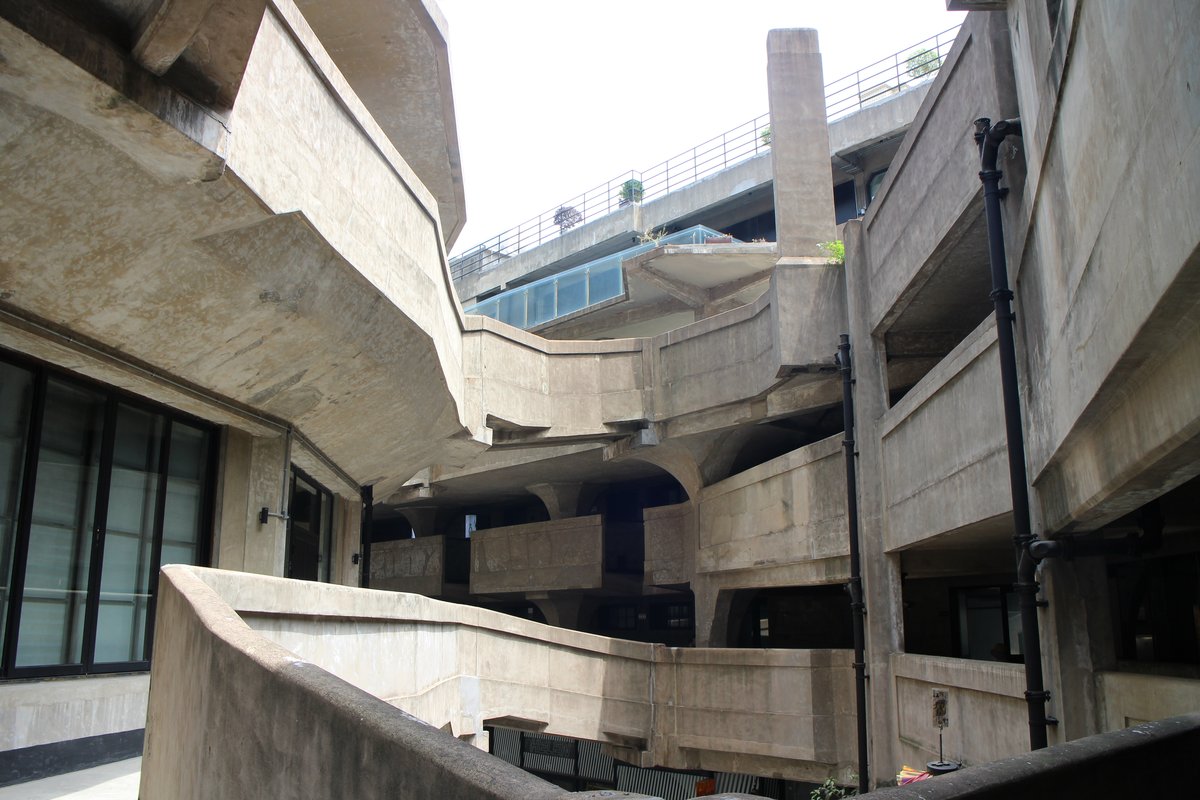
The Nanqiao Academy, with origins over a century old, symbolizes the town’s commitment to blending tradition and modernity. Its recent redevelopment by NODE Architecture & Urbanism harmonizes historical architecture with the surrounding canal and urban landscape (arch2o.com). Throughout the town, urban renewal efforts prioritize both the preservation of heritage and the integration of modern infrastructure.
Parks, Temples, and Cultural Relics
Guhua Park: A 10-hectare oasis with 22 stone bridges, relocated historic buildings, and the tranquil West Lake. The park is renowned for its Three Ladies Ancestral Hall and regular musical performances (shine.cn).
Other notable sites include:
- East Sea Guanyin Temple: Early Ming Dynasty Buddhist site (shine.cn).
- Eryan Temple: The largest Buddhist temple in Fengxian, famed for its ancient ginkgo trees and annual religious events (shine.cn).
- Huating Ancient Stone Dyke: The “Great Wall on the Sea,” now under development as a heritage park (shine.cn).
Visitor Information: Planning Your Visit
- Visiting Hours: Most sites open daily from 8:00 AM to 6:00 PM.
- Tickets: Entry to parks and temples is usually free; some special exhibits or guided tours require advance booking.
- Accessibility: Key attractions are wheelchair accessible, though some historic buildings have limited access.
- Getting There: Take Shanghai Metro Line 5 to Wangyuan Road Station, then transfer via local bus or taxi.
- Nearby Attractions: The Fengxian Museum near Jinhai Lake offers interactive exhibits on local history (trip.com).
Nanqiao as Fengxian’s Cultural Heartland
Nanqiao is recognized as Fengxian’s cultural center, balancing historical preservation with modern development (shine.cn). The Fengxian Museum, designed by Sou Fujimoto, offers engaging displays on urban planning and local history.
Community, Festivals, and Living Traditions
Cultural life thrives in Nanqiao, with regular events, musical performances, and traditional festivals. Guhua Park is a hub for arts like zither and flute music. Customs such as tying red wish strips to Eryan Temple’s ancient ginkgo trees continue to enrich the visitor experience (shine.cn).
Modern Development and Cultural Preservation
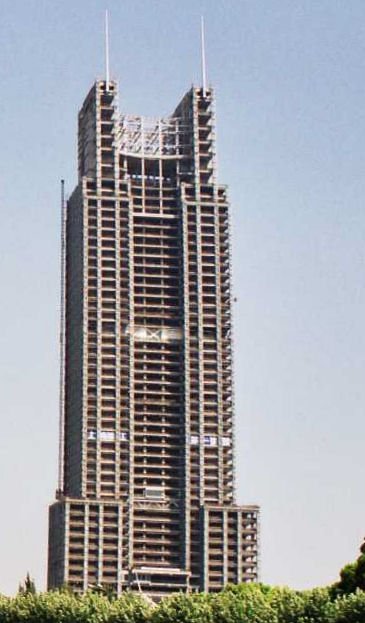
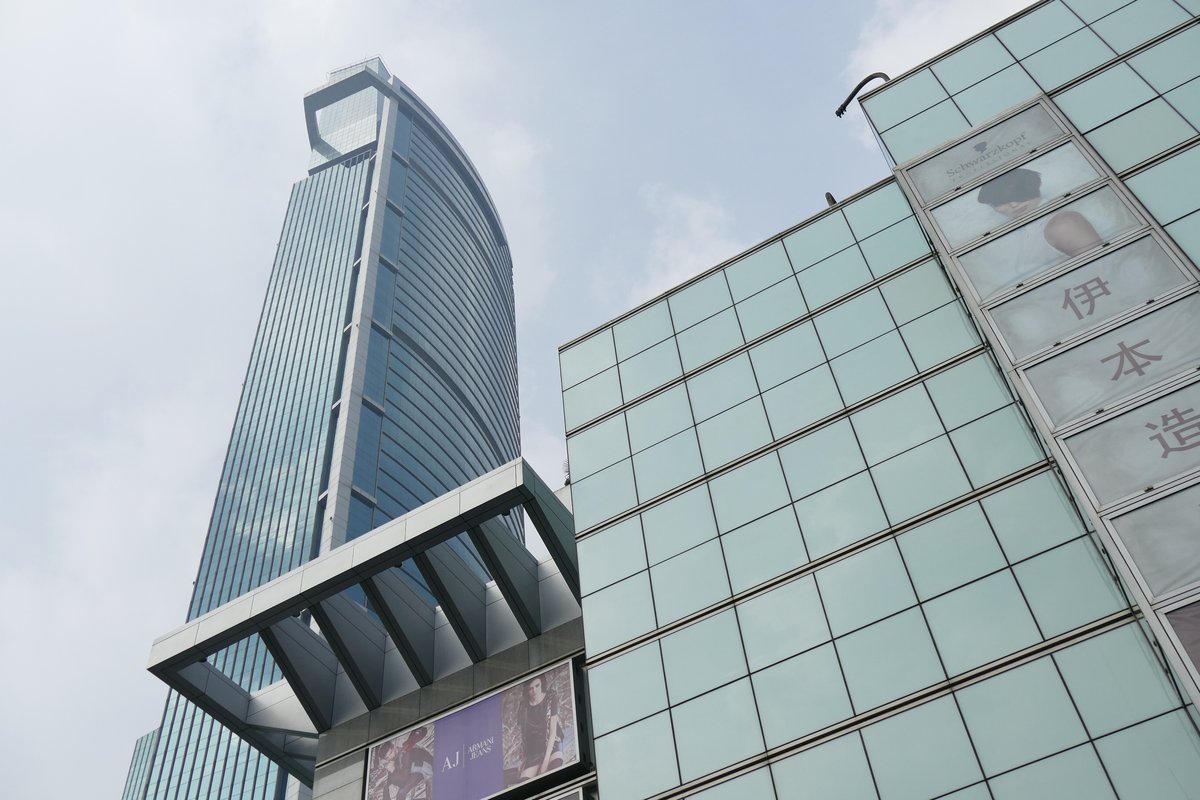
Urban growth in Nanqiao is guided by a commitment to heritage preservation. Landmark projects—including a new 250-meter tower near Wangyuan Road Metro Station and the Oriental Beauty Valley boulevard—demonstrate sustainable development that honors the town’s historical character (shine.cn).
Major Attractions in Nanqiao Town
Nanqiao Old Street and Historical Architecture
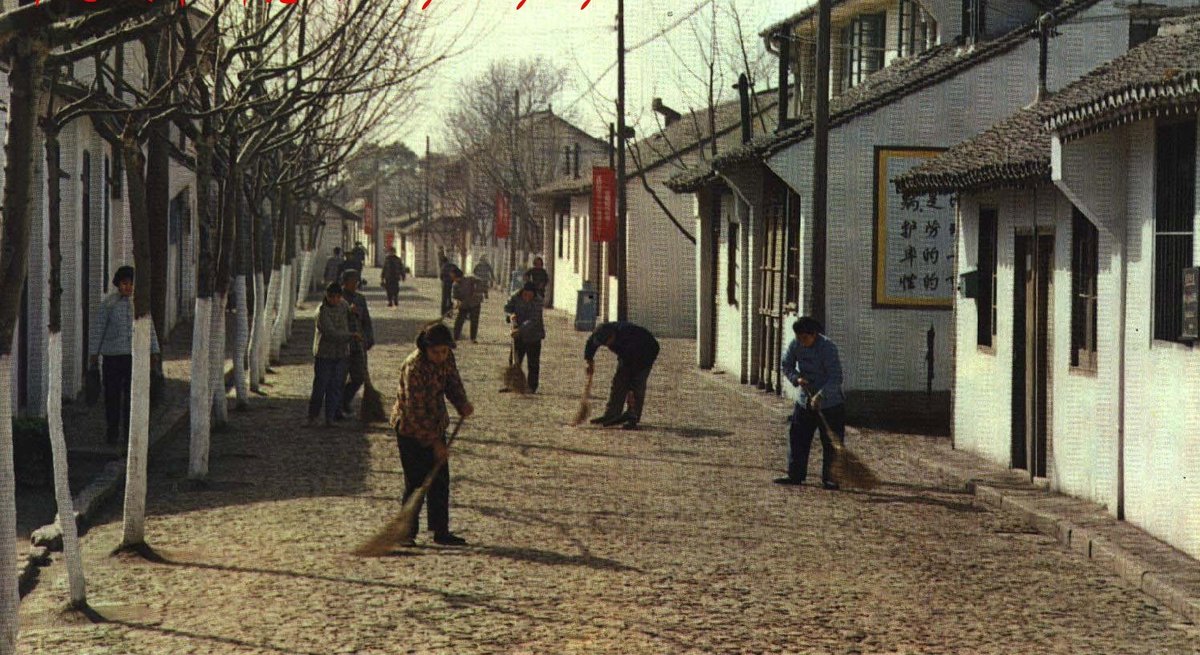
This beautifully preserved street features Ming and Qing dynasty shophouses, ancestral halls, and teahouses. Open daily from 8:00 AM to 6:00 PM, the area is free to enter, with nominal fees for some guided tours or special exhibits. The street is especially lively during festivals, with lantern displays and performances.
Fengxian Museum
Open Tuesday to Sunday, 9:00 AM–5:00 PM (closed Mondays), and charging 30 CNY, the museum presents Fengxian’s agricultural history, market town development, and archaeological finds. Guided tours and hands-on workshops are available by appointment (trip.com).
Guhua Park
Open daily from dawn to dusk with free admission, Guhua Park is known for classical landscaping, lotus ponds, and regular tai chi sessions. Recent upgrades have improved accessibility for visitors with mobility needs.
Nanqiao Central Business District (CBD)
A showcase of Fengxian’s economic vitality, the CBD features office towers, shopping malls, and entertainment venues. Landmark spots like Fengxian Wanda Plaza and the Nanqiao Cultural Center host concerts, exhibitions, and events. Opening hours are typically 10:00 AM–10:00 PM.
Local Temples and Religious Sites
The Nanqiao Guandi Temple, open daily from 7:00 AM to 7:00 PM, is a focal point for traditional rituals and major festivals such as Lunar New Year and Guan Yu’s birthday.
Nanqiao Riverside Promenade
This revitalized promenade along the Fengxian River offers landscaped paths, public art, and panoramic sunset views. Open 24/7 and popular with photographers.
Urban Renewal in Nanqiao Town
- Housing Upgrades: Modernization projects have improved living standards while preserving community ties.
- Infrastructure Improvements: Renovated sidewalks, improved lighting, and expanded public toilets enhance daily life and visitor convenience.
- Public Services: New schools, healthcare centers, and community hubs support the growing population.
- Ecological Enhancements: Green initiatives, flood control, and park development have improved the environment.
- Transport Upgrades: Expanded metro, highways, and bike-friendly routes have made Nanqiao more accessible, benefiting both locals and tourists.
These efforts have transformed Nanqiao into a model for integrating historical preservation with modern urban needs.
The Historic Fengxian Monument
About the Monument
A symbol of Nanqiao’s historical significance, the Fengxian Monument commemorates key local events and figures. Visitors can explore the monument, read plaques, and join guided tours for a deeper understanding of the district’s heritage.
Visiting Information
- Hours: Daily, 8:00 AM–6:00 PM
- Tickets: Free admission
- Accessibility: Wheelchair-friendly, with paved pathways and ramps
Cultural Attractions
- Festivals: The Dragon Boat Festival in June features races, workshops, and performances near the monument.
- Traditional Opera: Local troupes perform during festivals, offering an immersive cultural experience.
- Handicraft Workshops: Participate in traditional crafts like zongzi making and paper cutting.
Nearby Attractions
- Nanqiao Old Street: For local cuisine and shopping
- 150 Resettlement Base: Hosts civic events and exhibitions
- Fengxian Museum: Provides broader historical context
Practical Tips
- Best Time to Visit: June for the Dragon Boat Festival or during spring/autumn
- Language: Mandarin is predominant; English tours available by request
- Photography: Encouraged, but be respectful at cultural sites
- Event Registration: Some activities require advance booking
Getting to Nanqiao Town
- By Metro: Shanghai Metro Line 5 (South Extension) to Nanqiao Station; local buses/taxis for onward travel
- By Bus: Multiple routes serve Nanqiao from Shanghai districts
- By Taxi/Ride-hailing: 45–60 minutes from central Shanghai (120–180 RMB)
- By Car: Accessible via S4 and S2 expressways; parking is available
For international travelers, both Pudong and Hongqiao airports offer metro and taxi connections to Nanqiao.
Visitor Essentials
- Language: Mandarin is primary; translation apps recommended (The Helpful Panda)
- Currency: Chinese Yuan (CNY); mobile payments (Alipay, WeChat Pay) dominate
- Safety: Nanqiao is safe; use bottled water and standard precautions
- Weather: Best visited in spring and autumn (15–25°C); summers are hot/humid, winters mild (China Highlights)
- Etiquette: Tipping not customary (The Helpful Panda); dress modestly at temples; carry ID/passport
- Connectivity: Public Wi-Fi available in some locations; VPN needed for restricted sites
Key Attractions: Visiting Hours and Ticketing
| Attraction | Hours | Admission | Notes |
|---|---|---|---|
| Nanqiao Ancient Town | 9:00–18:00 | Free (some sites 10–30 RMB) | Ming/Qing streets, canals, markets (Tourist Places Guide) |
| Nanqiao Cultural Park | 6:00–21:00 | Free | Gardens, art events (Tourist Places Guide) |
| Tianyi Pavilion | 8:30–17:00 | Free/10 RMB | Historic architecture (Tourist Places Guide) |
| Nanqiao Lake Scenic Area | Daylight | Free | Boating, birdwatching (Tourist Places Guide) |
| Fengxian Museum | 9:00–17:00 (Tue–Sun) | 30 RMB | Local history (trip.com) |
Recommended Itinerary: 1–2 Days in Nanqiao
Day 1: Heritage and Culture
- Morning: Arrive and explore Nanqiao Ancient Town; enjoy breakfast in a teahouse
- Midday: Visit Tianyi Pavilion and gardens; lunch with local specialties
- Afternoon: Experience Nanqiao Cultural Park and any ongoing exhibitions
- Evening: Dine riverside or attend festival events if available
Day 2: Nature and Local Life
- Morning: Cycle or walk around Nanqiao Lake Scenic Area; visit markets
- Midday: Lunch lakeside or picnic in the park
- Afternoon: Visit a local museum or explore lesser-known neighborhoods
Accommodation and Dining
- Stay: Options range from budget guesthouses to mid-range hotels; book via Ctrip, Booking.com, or Agoda
- Food: Sample Fengxian crab, Nanqiao noodles, and fresh local produce at street markets or family-run eateries
Transportation Within Nanqiao
- Walking/Biking: Most attractions are walkable; bike rentals are widely available
- Buses: Connect major sites (2–3 RMB fare)
- Taxis/Ride-hailing: Official taxis or Didi recommended
Accessibility
Main attractions offer barrier-free access, though some historic areas have uneven surfaces. Public restrooms are available at parks and major sites.
Frequently Asked Questions (FAQs)
Q: What are typical visiting hours for Nanqiao attractions?
A: Most open around 9:00 and close by 18:00. Nanqiao Cultural Park operates 6:00–21:00.
Q: Are there entrance fees?
A: Ancient Town and Cultural Park are free; some sites/museums charge 10–30 RMB.
Q: Where do I buy tickets?
A: On-site for most sites; online for festivals or special events.
Q: When should I visit?
A: Spring (March–May) and autumn (September–November) are ideal.
Q: Is English spoken?
A: Limited outside hotels/tourist spots; use translation apps.
Q: Payment methods?
A: Alipay/WeChat Pay preferred; some credit cards accepted at larger businesses.
Visuals and Media
[Images: Nanqiao Ancient Town, Tianyi Pavilion, Cultural Park, Lake Scenic Area (with descriptive alt text).]
[Map: Key attractions, metro stations, recommended walking routes.]
Internal Links
For further inspiration, see Top Historical Sites in Shanghai and How to Use Shanghai Metro Like a Pro.
Discover More
Ready to uncover Nanqiao Town’s charm? Download the Audiala app for real-time info, ticket bookings, and insider tips. Follow us on social media for the latest travel guides and event updates!
Summary: Key Visitor Tips for Nanqiao Town
Nanqiao Town exemplifies the successful integration of heritage preservation and modern urban development. From its ancient river-crossing origins to its current role as a vibrant cultural hub, Nanqiao offers a wealth of experiences—historic streets, temples, parks, and museums. Ongoing urban renewal ensures both accessibility and authenticity, making Nanqiao welcoming for all visitors (shine.cn; arch2o.com).
Cultural festivals, performances, and interactive workshops provide engaging opportunities to connect with living traditions. With convenient transportation, detailed visitor info, and a wide range of attractions, Nanqiao is an excellent gateway to Shanghai’s southern heritage. For the best experience, visit in spring or autumn, and make use of guided tours and cultural events. Stay updated and enhance your trip by downloading the Audiala app and following official channels (trip.com; shine.cn).
Listen to the full story in the app
Your Personal Curator, in Your Pocket.
Audio guides for 1,100+ cities across 96 countries. History, stories, and local insight — offline ready.
Audiala App
Available on iOS & Android
Join 50k+ Curators
Sources
- verified
- verified
- verified
- verified
- verified
- verified
- verified
Last reviewed: