Historical Background and National Significance
Soong Ching Ling: Life and Legacy
Soong Ching Ling, born into the prominent Soong family, received a Western education at Wesleyan College in the USA before returning to China and marrying Dr. Sun Yat-sen in 1915. Her political career spanned the Republic’s birth, the Sino-Japanese War, the Chinese Civil War, and the formation of the People’s Republic of China, where she served as Vice-President and later Honorary President. Revered as the “Mother of Modern China,” she championed social welfare, gender equality, and international understanding (fridayeveryday.com, chinadragontours.com).
The Mausoleum’s Role in National Memory
Located in Changning District, the mausoleum was designated a national monument in 1982, with Soong Ching Ling’s ashes interred on site. Its understated granite tombstone, inscribed by Deng Xiaoping, and a marble statue serve as focal points for public commemoration, official ceremonies, and educational activities, reinforcing her place in China’s collective memory (wikipedia.org).
Visiting Information: Hours, Tickets, Accessibility
Visiting Hours
- Mausoleum Open daily, 9:00 AM – 5:00 PM (last entry: 4:30 PM)
- Former Residence 9:00 AM – 4:30 PM (last entry: 4:00 PM)
- Best Times Spring and autumn for pleasant weather
Ticket Information
- Mausoleum Free admission; ID may be required
- Former Residence 16–20 RMB; available on-site or via authorized online platforms; discounts for groups and occasional guided tour packages
Accessibility
- Wheelchair-accessible pathways, ramps, and elevators
- Assistance available upon request
Guided Tours
- In Mandarin and English; audio guides in multiple languages
- Advance booking recommended during peak seasons
Architectural Features and Exhibits
Mausoleum Layout and Design
Set on the former International Cemetery, the mausoleum features a central axis leading through tree-lined boulevards and Monumental Square, culminating at the tomb and exhibition halls (shcn.gov.cn). The architecture blends traditional Chinese and modern elements, evoking dignity and harmony with the natural landscape (Lonely Planet).
Statues and Memorials
A life-sized Han white marble statue of Soong Ching Ling stands as the centerpiece, with inscriptions and commemorative plaques throughout the grounds.
Exhibition Hall Highlights
- Personal Artifacts Black qípáo, gifts, and memorabilia
- Historical Documents Letters, photographs, and official papers
- Multimedia Displays Interactive exhibits on her life and China’s transformation
- International Cemetery Gravestones of foreign residents, reflecting Shanghai’s cosmopolitan history
Conservation Efforts and Preservation
Environmental and Material Challenges
The dolomite marble statue, sourced from Fangshan, Beijing, faces threats from air pollution, acid rain, humidity, and biological growth. Conservation teams use 3D imaging, infrared thermography, and ultrasonic inspections for ongoing monitoring (ISPRS Archives).
Conservation Philosophy
Emphasis is placed on minimal intervention, original material preservation, and ecological safety. Partnerships with universities and international organizations ensure that preservation methods are up-to-date and sustainable.
Location, Transportation, and Nearby Attractions
Location
- Mausoleum 21 Songyuan Road, Changning District
- Former Residence 1843 Middle Huaihai Road, Xuhui District
How to Get There
- Metro Line 3 or 4 to Zhongshan Park (mausoleum); Line 1 to Xujiahui (former residence)
- Bus Multiple routes stop nearby
- Taxi/Ride-share Widely available in Shanghai
Nearby Attractions
- Former Residence of Sun Yat-sen
- Wukang Road Historic District
- Xujiahui Park
- Shanghai Jiao Tong University
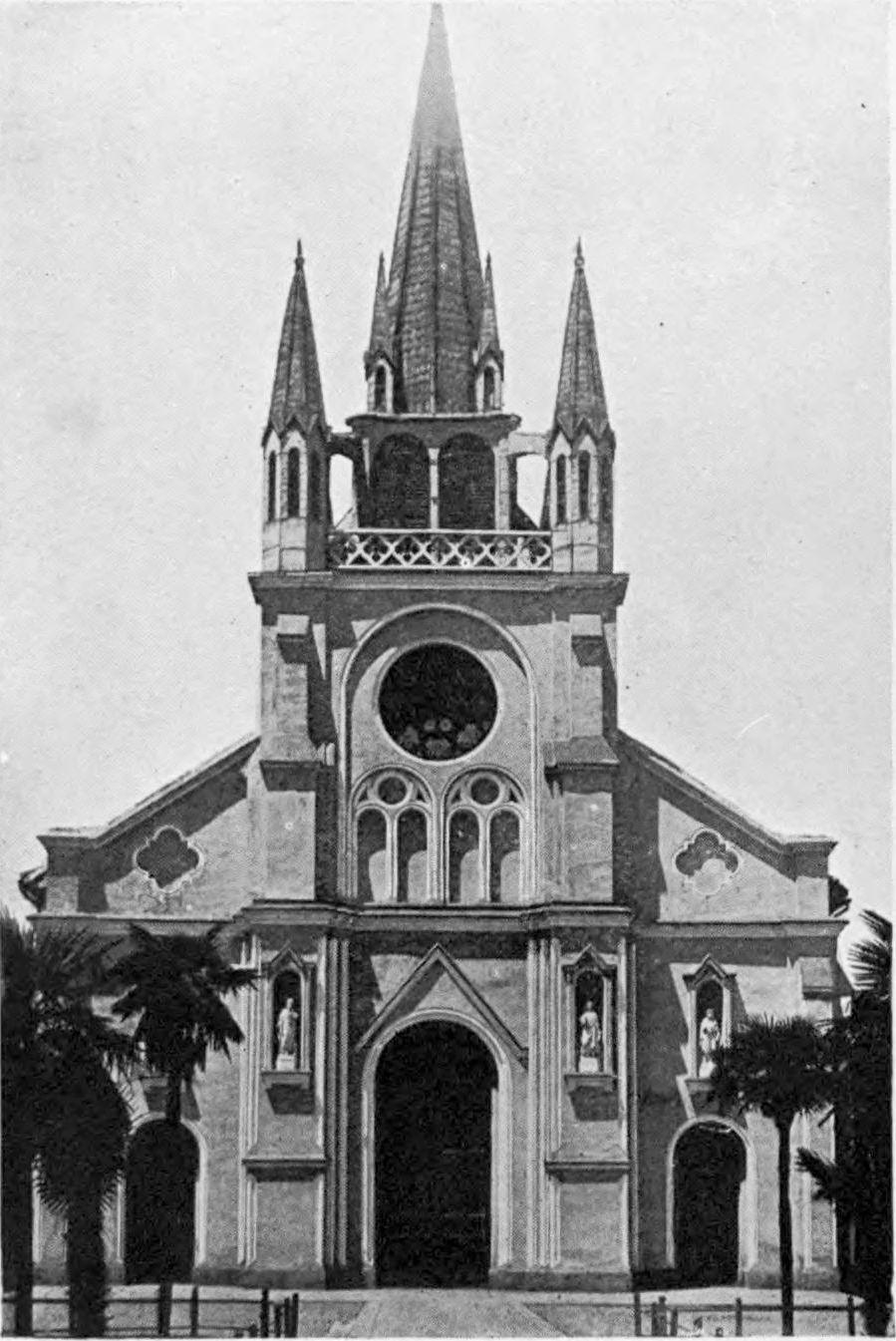
- St. Ignatius Cathedral
Visitor Experience and Amenities
- Signage Clear bilingual (Chinese and English) wayfinding
- Facilities Restrooms, benches, and a souvenir shop
- Photographic Spots Marble statue, Monumental Square, landscaped gardens, and historic car “Jim” presented by Stalin
- Special Events Commemorative activities on key anniversaries and public holidays
Frequently Asked Questions (FAQs)
Q: What are the visiting hours?
A: 9:00 AM – 5:00 PM for the mausoleum; 9:00 AM – 4:30 PM for the residence.
Q: Is admission free?
A: The mausoleum is free; a modest fee applies to the former residence.
Q: Are guided tours available?
A: Yes, in Mandarin and English, as well as audio guides.
Q: Is the site accessible for wheelchair users?
A: Yes, with ramps and accessible facilities.
Q: What’s the best time to visit?
A: Spring and autumn for comfort and natural beauty.
Q: Can I take photos?
A: Yes, but flash and video may be restricted in some areas.
Visual Guide
Suggested Images:
- Mausoleum entrance and statue
- Monumental Square
- Soong Ching Ling’s black qípáo
- Landscaped grounds and century-old trees
Virtual Tour:
Summary and Travel Tips
The Mausoleum of Soong Ching Ling and her former residence offer an in-depth look at China’s modern history and the pivotal role of a remarkable woman. With accessible facilities, rich exhibits, and ongoing conservation, these sites are both educational and contemplative. Combine your visit with other Shanghai historical sites for a richer experience. Download the Audiala app for guided tours and real-time updates, and follow official channels for event announcements and travel tips.