Historical Context
Early Burial and Commemoration (1936–1956)
Lu Xun, born Zhou Shuren in Shaoxing, Zhejiang, was a central figure in the New Culture Movement. After his death in 1936, he was initially buried in the Wanguo Public Cemetery in Shanghai. His grave, marked by a modest cement gravestone with a pottery sculpture and an inscription by his son Zhou Haiying, quickly became a site of reverence for admirers and intellectuals. Notable commemorations included the 10th anniversary of his death in 1946, which saw the planting of commemorative cypress trees by Zhou Enlai and Xu Guangping (everything.explained.today).
Relocation and Memorialization
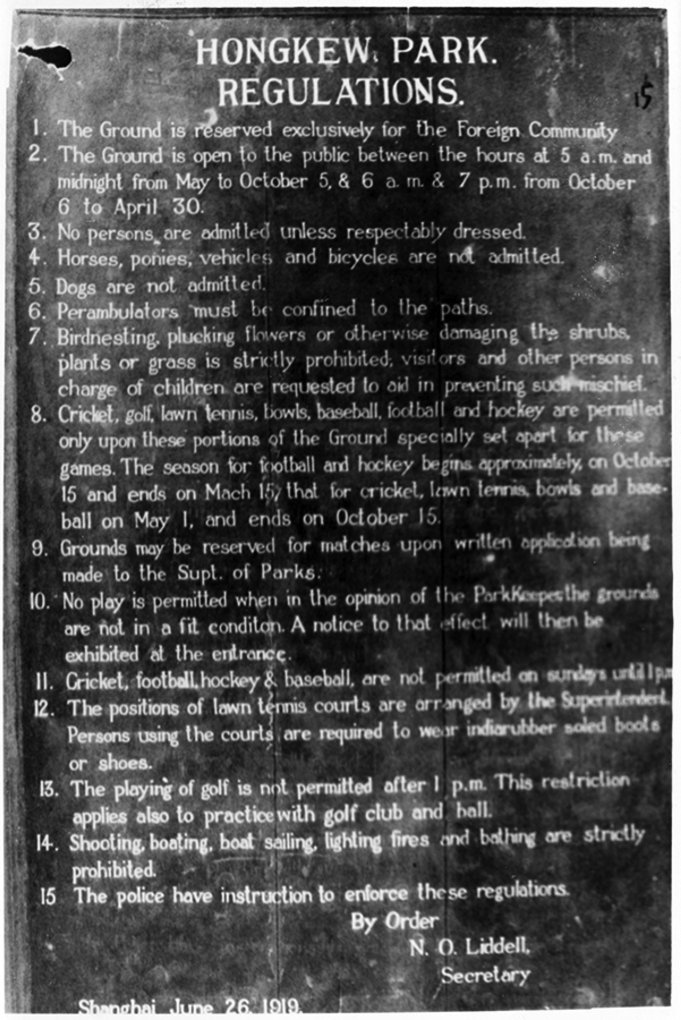
By the early 1950s, the limitations of the original burial site and Lu Xun’s growing national significance led to the decision to move his grave. After extensive discussions, Hongkou Park (now Lu Xun Park)—a place Lu Xun frequented—was chosen as the new site. The relocation, formalized in 1956 with the State Council’s approval, underscored the new government’s commitment to preserving and honoring cultural heritage (everything.explained.today).
Construction of the New Tomb (1956)
A team led by architects Chen Zhi and Wang Dingzeng designed the new tomb, with construction beginning in July 1956. The completed tomb, officially opened to the public in October 1956, features a large granite tombstone engraved with “鲁迅先生之墓” (“The Tomb of Mr. Lu Xun”) in Mao Zedong’s calligraphy. The tomb is flanked by pine trees planted by Xu Guangping and Zhou Haiying, adding a personal touch to the memorial (shine.cn).
National Recognition and Protection
In 1961, the State Council listed the Tomb of Lu Xun as a nationally protected historical and cultural site, ensuring its ongoing preservation. The site continues to attract thousands of visitors each month, both domestic and international (everything.explained.today).
The Shanghai Lu Xun Museum and Memorial Complex
The commemoration of Lu Xun extends beyond his tomb. The Shanghai Lu Xun Museum, founded in 1950 and moved to Lu Xun Park in 1956, preserves over 78,000 artifacts, including manuscripts, personal items, letters, and an extensive art collection. Notable displays include Lu Xun’s manuscripts, his plaster death mask, and a significant collection of modern Chinese art (govt.chinadaily.com.cn). The proximity of Lu Xun’s former residence, restored under the guidance of Xu Guangping, adds depth to the historical context and visitor experience (shine.cn).
Visiting Information
Visiting Hours
- Lu Xun Park 6:00 AM – 9:00 PM daily
- Tomb of Lu Xun 8:00 AM – 5:30 PM daily
- Shanghai Lu Xun Museum 9:00 AM – 5:00 PM, Tuesday to Sunday (closed Mondays)
Tickets and Admission
- Lu Xun Park & Tomb Free admission
- Lu Xun Museum Free or nominal fee (typically around 20 RMB for adults; discounts may apply—verify before visiting)
Accessibility
- The park, tomb, and museum are wheelchair accessible with paved paths and ramps.
- Assistance is available upon request.
Travel Tips
- Best Time to Visit Spring and autumn for pleasant weather and scenic blooms.
- Guided Tours Available at the museum; advance booking recommended.
- Photography Permitted in most areas, but flash and tripods may be restricted—check on-site signage.
Directions
- By Metro Line 3 or Line 8 to Lu Xun Park Station (鲁迅公园站), Exit 1; short walk to park entrance.
- By Bus Multiple routes, including 30, 46, 65, and 911.
- By Taxi Request “Lu Xun Park” (鲁迅公园).
Nearby Attractions
- Lu Xun’s Former Residence Five-minute walk from the tomb.
- Duolun Road Cultural Street Historic street with preserved writers’ residences and cafes.
- Hongkou Football Stadium Nearby for sports and events.
Architectural Features and Visitor Experience
The tomb’s minimalist granite structure symbolizes strength and endurance. Three broad granite steps lead to the main platform, where visitors often leave flowers in memorial vases. The prominent gravestone inscription in Mao Zedong’s calligraphy underscores Lu Xun’s national significance.
Surrounding the tomb are cypress and pine trees, bronze statues, and seasonal cherry blossoms—some transplanted from Tokyo’s Ueno Park—creating a serene and contemplative environment ideal for reflection. The adjacent Lu Xun Memorial Hall houses personal artifacts, manuscripts, and a gallery of modern Chinese art (trip.com).
Cultural and Political Significance
Lu Xun’s tomb is a focal point for commemorating modern Chinese literature and intellectual history. His critical essays and stories influenced the course of 20th-century Chinese thought, and his memorial has become a pilgrimage site for students, intellectuals, and international visitors alike. The site’s integration of personal and political memory, symbolized by Mao’s inscription and annual commemorations, reflects its centrality in Chinese cultural heritage (shine.cn).
Preservation and Legacy
The careful preservation of both the original and relocated graves, along with the establishment of the museum and ongoing national protection, highlights the importance of Lu Xun’s legacy in modern China. The tomb stands as a testament to the enduring power of literature and collective memory (everything.explained.today; govt.chinadaily.com.cn).
Frequently Asked Questions (FAQ)
Q: What are the visiting hours for Lu Xun Tomb and Museum?
A: Lu Xun Park is open from 6:00 AM to 9:00 PM; the tomb from 8:00 AM to 5:30 PM; the museum from 9:00 AM to 5:00 PM (closed Mondays).
Q: Is there an entrance fee?
A: Entry to the park and tomb is free; the museum may charge a nominal fee—check before visiting.
Q: How do I get to Lu Xun Tomb by public transport?
A: Take Shanghai Metro Line 3 or 8 to Lu Xun Park Station (Exit 1), or use bus lines 30, 46, 65, or 911.
Q: Are guided tours available?
A: Yes, guided tours can be booked at the museum or through local travel agencies.
Q: Is the site wheelchair accessible?
A: Yes, the park and memorial complex have paved, accessible paths.