Plan and listen to Lu Xun Park with Audiala.
Audio guide in your pocket, itinerary in your browser. Built for the way you actually visit.
Introduction
Ouyang Road (欧阳路), situated in the bustling Hongkou District of Shanghai, is a unique blend of historical richness and modern vibrancy. This street stands as a testament to Shanghai's dynamic past and its evolution into a cosmopolitan metropolis. From its origins in the late Qing Dynasty through its pivotal role during the era of foreign concessions to its significant cultural and social milestones, Ouyang Road encapsulates the essence of Shanghai's historical and cultural journey. This comprehensive guide aims to provide you with an in-depth exploration of Ouyang Road, covering its historical significance, architectural heritage, notable landmarks, and practical visitor information to enhance your experience.
The transformation of Ouyang Road mirrors the broader development of Shanghai itself. During the late 19th and early 20th centuries, the establishment of foreign concessions near Ouyang Road facilitated a unique blend of Chinese and Western architectural styles, cultural practices, and social interactions (Historic Shanghai). This area became a melting pot of cultures, a characteristic that remains evident today. The road's historical buildings, such as Shikumen houses, and its cultural institutions reflect this rich heritage, making it a must-visit for history enthusiasts and casual travelers alike.
Moreover, Ouyang Road's resilience during the Japanese occupation and its subsequent post-war reconstruction highlight the spirit and determination of the local community. Recent preservation efforts by the Shanghai Municipal Government and various cultural organizations aim to maintain this historical legacy while promoting cultural tourism and community engagement (Historic Shanghai). Whether you are exploring the Former Residence of Lu Xun, strolling through Hongkou Park, or visiting the Ohel Moishe Synagogue, this guide will equip you with all the necessary information to make your visit to Ouyang Road both enriching and memorable.

Historical Background
Early Development and Significance
The development of Ouyang Road can be traced back to the late Qing Dynasty (1644–1912), a period when Shanghai was transforming from a small fishing village into a bustling port city. During the late 19th and early 20th centuries, Shanghai became a focal point for international trade and cultural exchange. The establishment of foreign concessions, particularly the British and American concessions, played a crucial role in shaping the city’s urban landscape. Ouyang Road, located near these concessions, became a melting pot of Chinese and Western influences, evident in its architectural styles and cultural landmarks.
Architectural Heritage
The architectural landscape of Ouyang Road is a testament to Shanghai’s cosmopolitan past. The road features a mix of traditional Chinese buildings and Western-style structures, reflecting the city’s unique blend of Eastern and Western cultures. Notable architectural styles include Shikumen, a traditional Shanghainese architectural style that combines Western and Chinese elements. Shikumen houses, characterized by their stone gate frames and enclosed courtyards, were prevalent in the early 20th century and remain a significant part of Shanghai’s architectural heritage (Historic Shanghai).
Cultural and Social Milestones
Ouyang Road has witnessed numerous cultural and social milestones that have shaped its historical significance. During the 1920s and 1930s, Shanghai was known as “The Paris of the East, the New York of the West,” a period marked by rapid industrialization and cultural flourishing (Wikipedia). The road was home to various cultural institutions, including theaters, cinemas, and cafes, which became popular gathering spots for intellectuals, artists, and socialites.
The road also played a significant role during the Japanese occupation of Shanghai (1937–1945). Many buildings along Ouyang Road were repurposed for military use, and the area became a hub for resistance activities. The resilience and spirit of the local community during this tumultuous period are commemorated through various historical markers and memorials along the road.
Post-War Reconstruction and Modernization
Following the end of World War II and the establishment of the People’s Republic of China in 1949, Ouyang Road underwent significant reconstruction and modernization. The government initiated various urban development projects to restore and enhance the infrastructure of the area. This period saw the construction of new residential buildings, commercial establishments, and public amenities, transforming Ouyang Road into a modern urban thoroughfare while preserving its historical charm (Wikipedia).
Preservation Efforts
In recent years, there has been a growing emphasis on preserving the historical and cultural heritage of Ouyang Road. The Shanghai Municipal Government, in collaboration with various cultural and historical organizations, has implemented several preservation initiatives. These efforts include the restoration of historical buildings, the establishment of heritage trails, and the promotion of cultural tourism. According to Wu Jiang, Chairman of the Urban Planning Society of Shanghai, preserving urban historical roads like Ouyang Road is crucial for conveying the city’s history and culture (Historic Shanghai).
Notable Landmarks
Several notable landmarks along Ouyang Road highlight its historical and cultural significance:
-
The Former Residence of Lu Xun: This historical site was the home of Lu Xun, one of China’s most influential writers and intellectuals. The residence has been preserved as a museum, showcasing Lu Xun’s life and contributions to Chinese literature and culture (China Discovery).
-
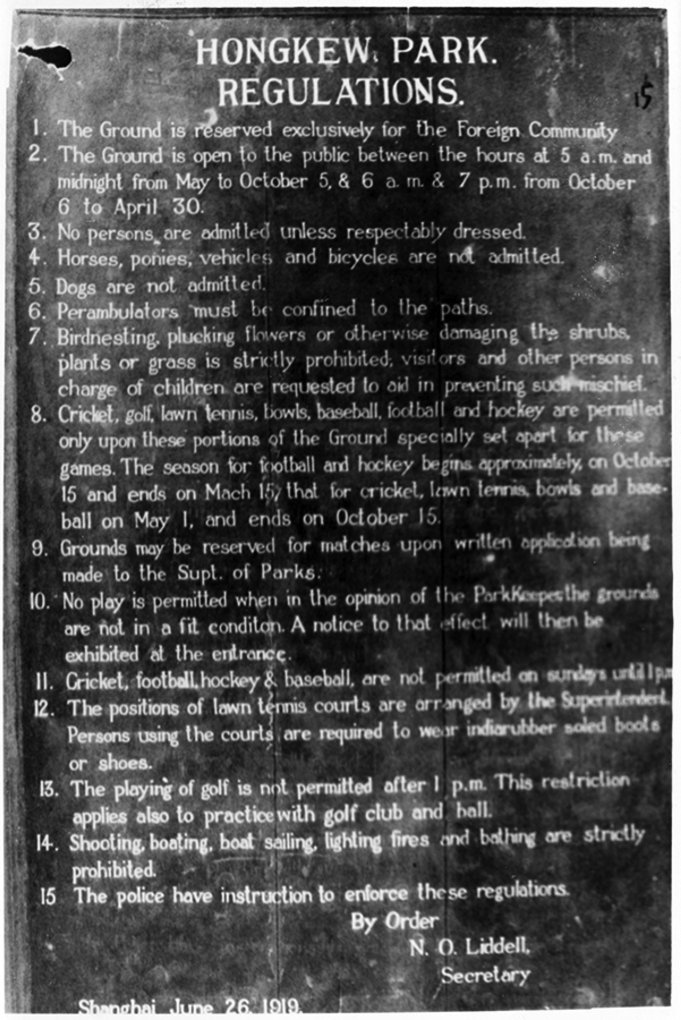
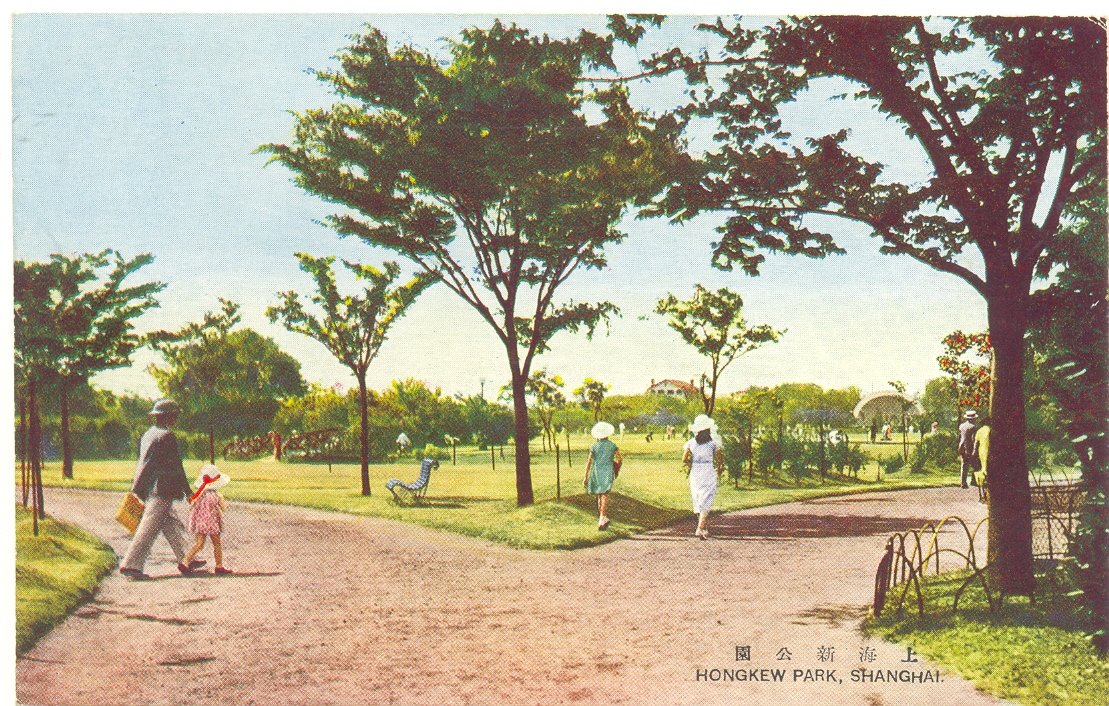
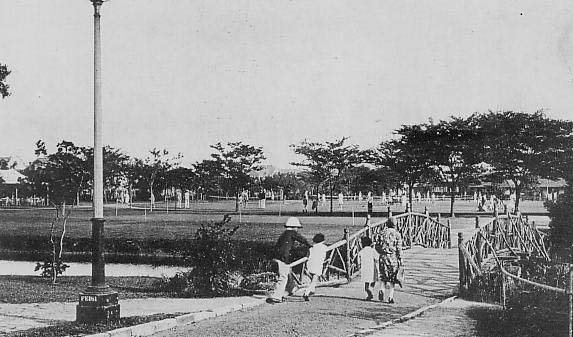
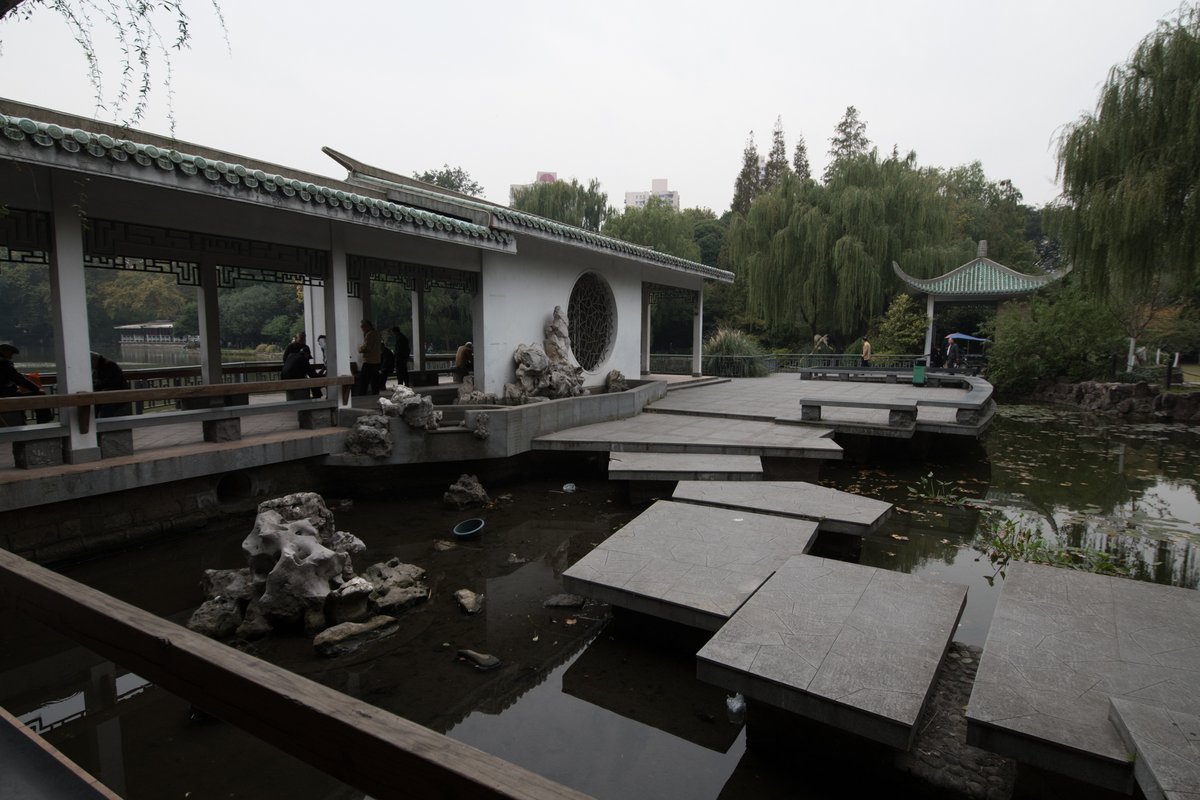
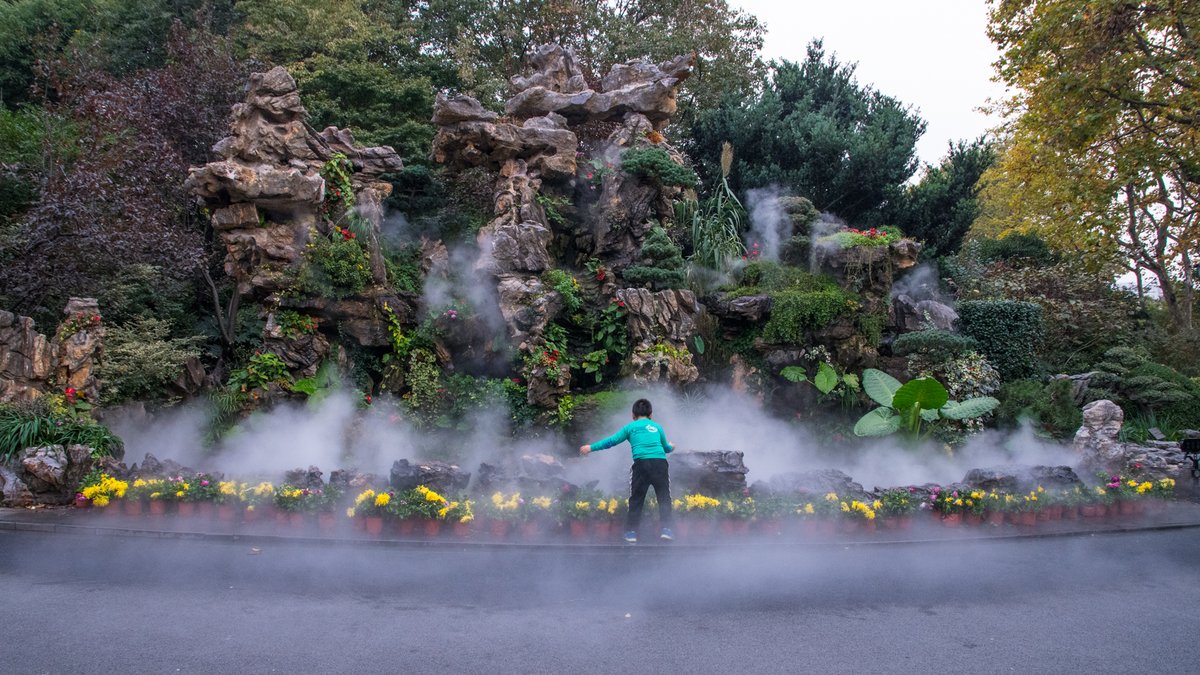
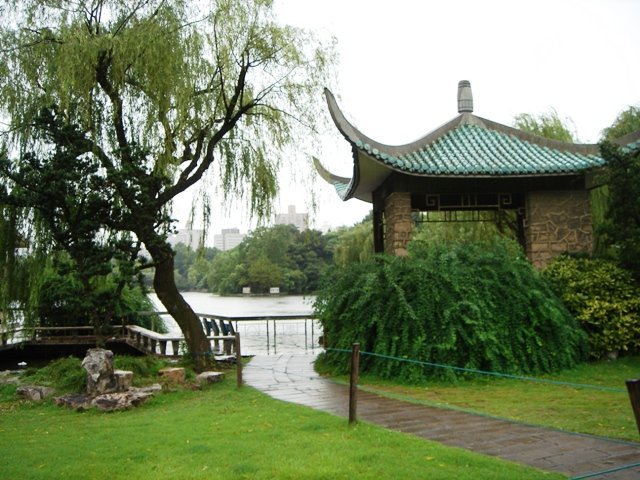
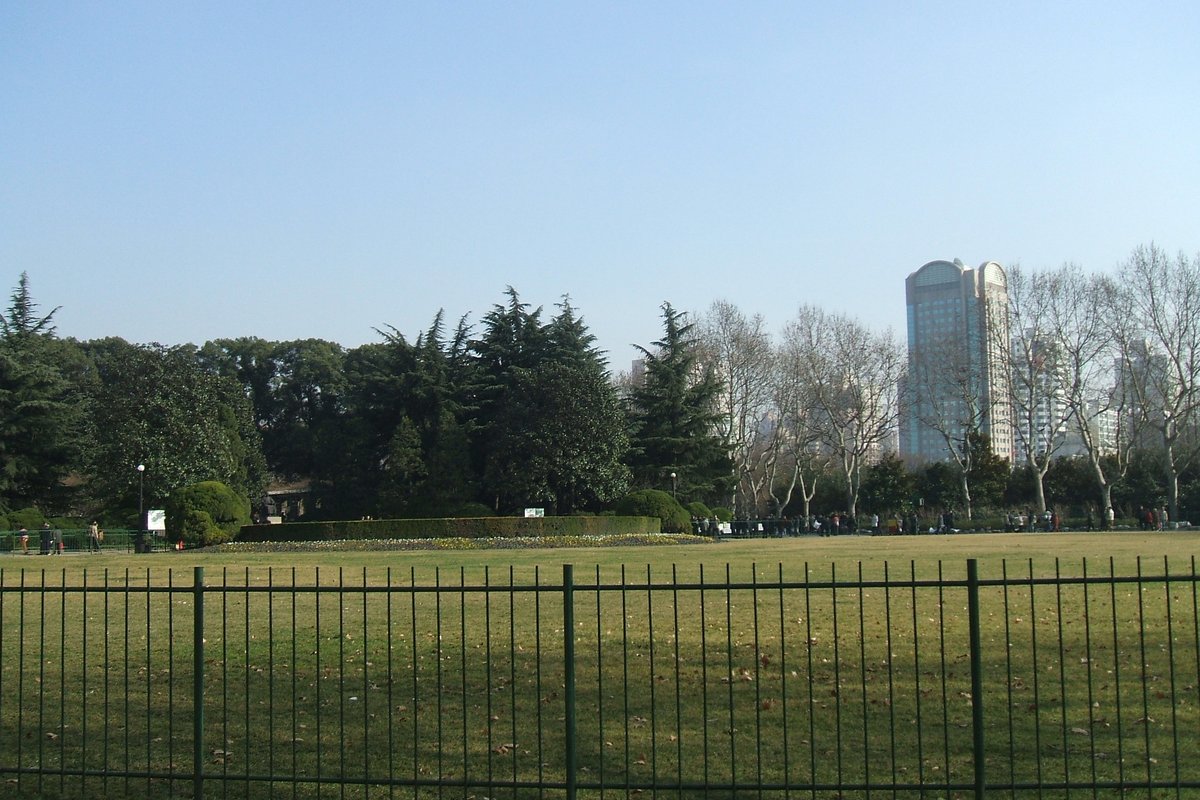
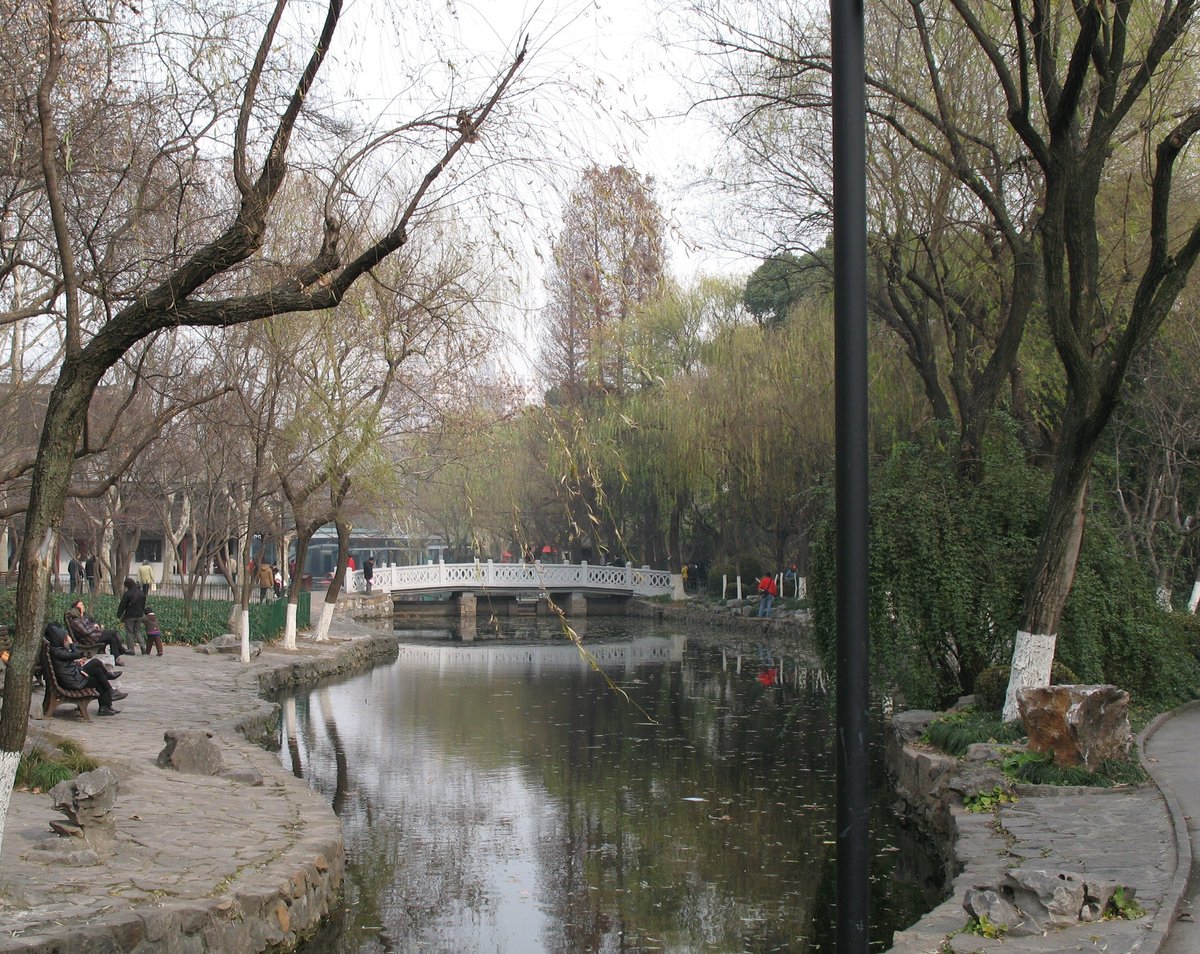
Hongkou Park (Lu Xun Park): Located near Ouyang Road, this park is named in honor of Lu Xun and features a statue of the writer. The park is a popular recreational area and a site of historical significance, reflecting the cultural heritage of the Hongkou District (China Discovery).
-
Ohel Moishe Synagogue: This historic synagogue, located in the vicinity of Ouyang Road, serves as a reminder of the Jewish community that once thrived in Shanghai. The synagogue has been converted into the Shanghai Jewish Refugees Museum, commemorating the Jewish refugees who found sanctuary in Shanghai during World War II (Facts and Details).
Visitor Information
Best Time to Visit
The ideal time to visit Ouyang Road is during the spring (March to May) and autumn (September to November) months, when the weather is pleasant and conducive for outdoor activities (China Discovery).
Getting There
Ouyang Road is easily accessible by public transportation. Visitors can take the metro to the Hongkou Football Stadium Station (Line 3 or Line 8) and walk to Ouyang Road. Alternatively, taxis and buses are readily available throughout the city (China Discovery).
Exploring the Area
Take a leisurely stroll along Ouyang Road to appreciate its historical architecture and cultural landmarks. Consider joining a guided walking tour to gain deeper insights into the history and significance of the area (Bounce).
Cultural Etiquette
While exploring historical sites and cultural landmarks, be respectful of local customs and traditions. Avoid making loud noises, and always seek permission before taking photographs of people or private properties (Let’s Travel to China).
Accessibility
Ouyang Road is generally accessible to people with disabilities. Many of the historical landmarks have been equipped with ramps and other accessibility features. However, it’s advisable to check with individual sites for specific accessibility information before visiting.
Tickets and Guided Tours
Most of the landmarks along Ouyang Road, including the Former Residence of Lu Xun and the Shanghai Jewish Refugees Museum, have nominal entrance fees. Guided tours are available and can provide a more comprehensive understanding of the area's historical significance. Prices and availability can vary, so it’s recommended to check the official websites or contact the landmarks directly for the most up-to-date information.
FAQ
What are the visiting hours for Ouyang Road?
Ouyang Road itself is open to visitors at all times. However, the visiting hours for specific landmarks such as the Former Residence of Lu Xun and the Shanghai Jewish Refugees Museum may vary. It’s best to check their official websites for current visiting hours.
Are there guided tours available for Ouyang Road?
Yes, guided tours are available and highly recommended to gain deeper insights into the history and cultural significance of Ouyang Road. These tours often include visits to key landmarks and provide historical context and interesting anecdotes.
What are the ticket prices for attractions on Ouyang Road?
Ticket prices for attractions like the Former Residence of Lu Xun and the Shanghai Jewish Refugees Museum are generally nominal. For the most accurate and up-to-date information, visit the official websites of these landmarks.
Listen to the full story in the app
The whole Lu Xun Park,
told well.
Listen to sourced travel stories with local history and practical context — ready offline.
Verified, and shown.
Researched and written by the Audiala editorial team from historical records, architectural archives, and local expertise.
Shanghai’s Preserved Heritage Roads
History of Shanghai
Shanghai Attractions
Jewish Community in Shanghai
Things to Know Before You Go to Shanghai
Top Shanghai Travel Guide Books
Best Time to Visit Shanghai
Built from cited sources · see the method · How we make our guides →