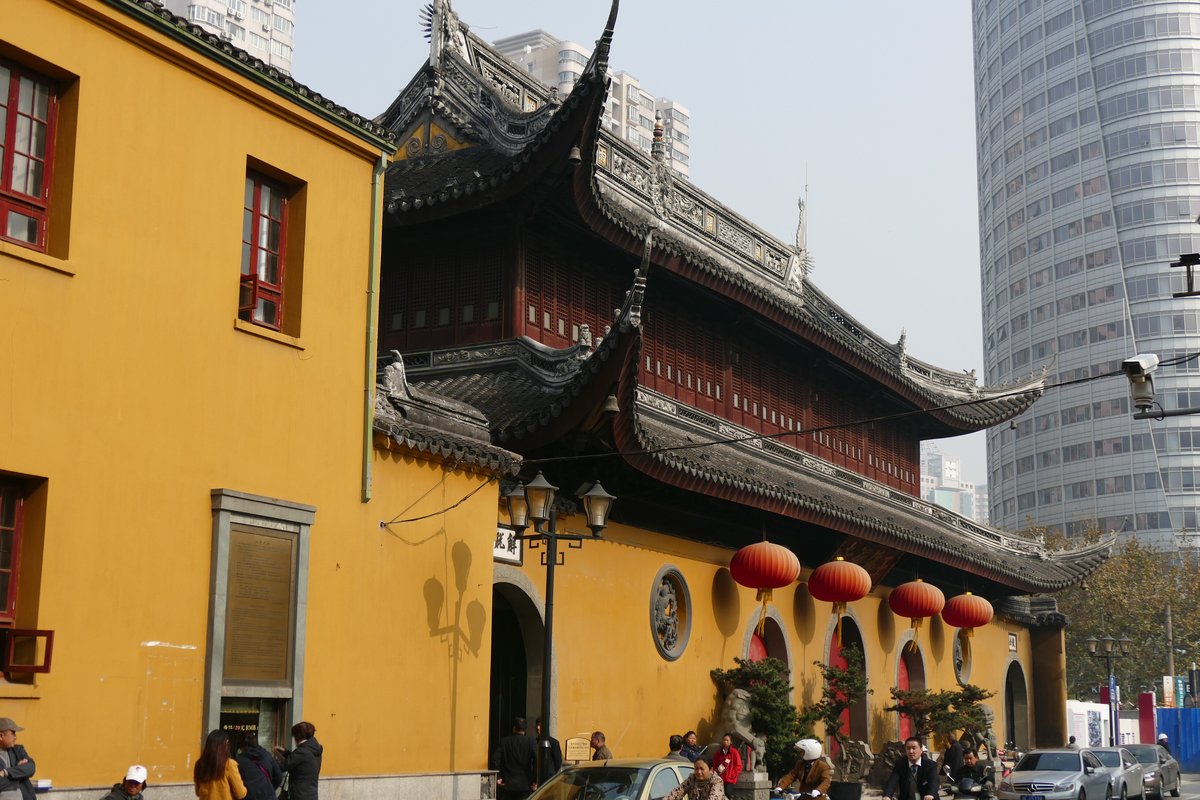
Plan and listen to Jade Buddha Temple with Audiala.
Audio guide in your pocket, itinerary in your browser. Built for the way you actually visit.
Introduction
Changhua Road (昌化路) in Shanghai's Jing'an District is a historic street that serves as a microcosm of the city's dynamic evolution from a colonial-era settlement to a bustling modern metropolis. Originally part of the International Settlement during the late 19th and early 20th centuries, Changhua Road has witnessed Shanghai's rapid urbanization and industrialization. From the bustling industrial hub it once was, filled with factories and Shikumen houses, to its current status as a modern and diverse community, Changhua Road remains a significant cultural and historical landmark. This guide aims to provide a comprehensive overview of Changhua Road, delving into its rich history, architectural marvels, cultural significance, and practical visitor information. Whether you're a history buff, art enthusiast, or foodie, Changhua Road offers a unique and enriching experience that captures the essence of Shanghai. (Shanghai Municipal Archives, Shanghai Urban Planning Exhibition Center, Travel China Guide).

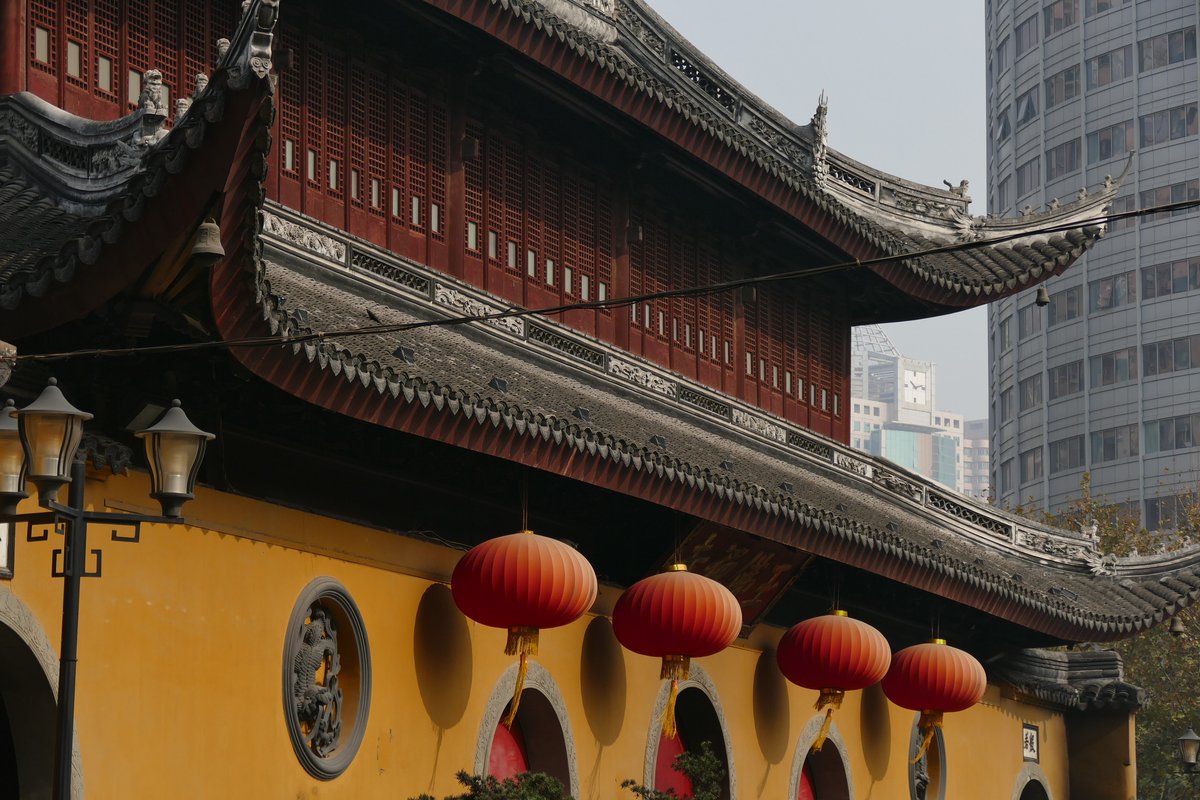
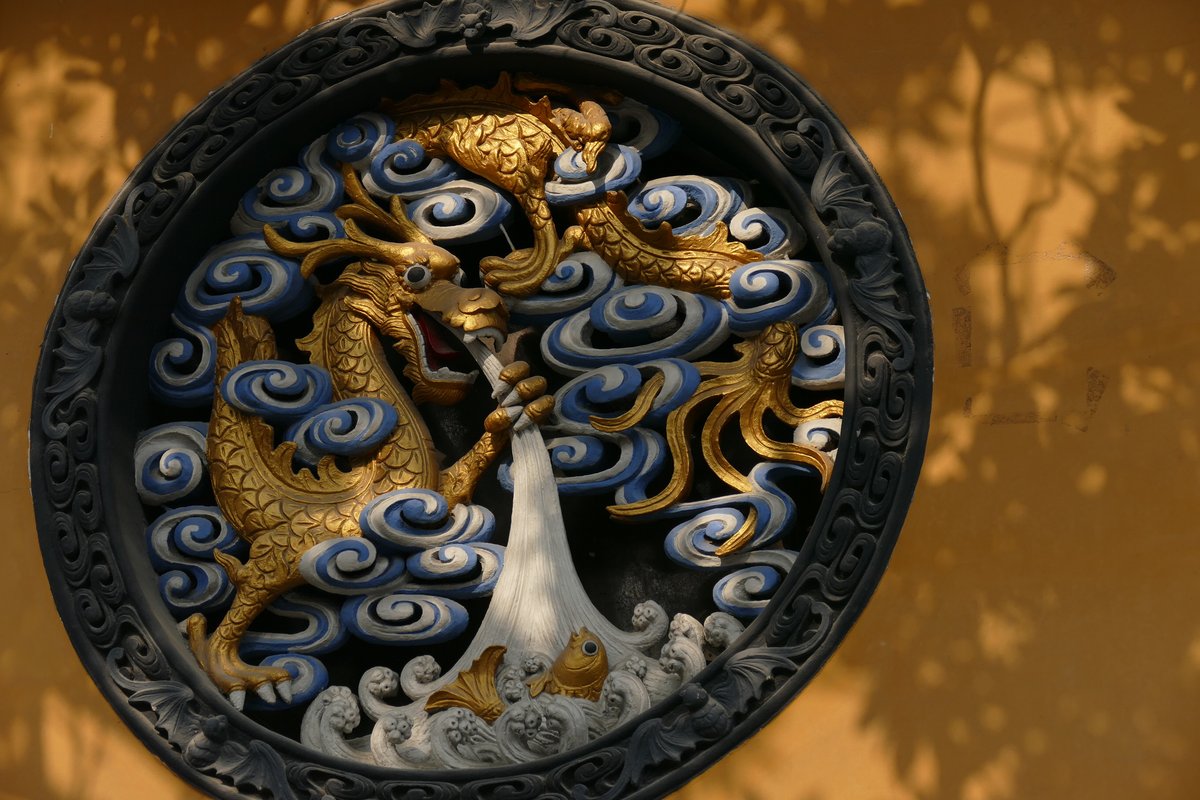
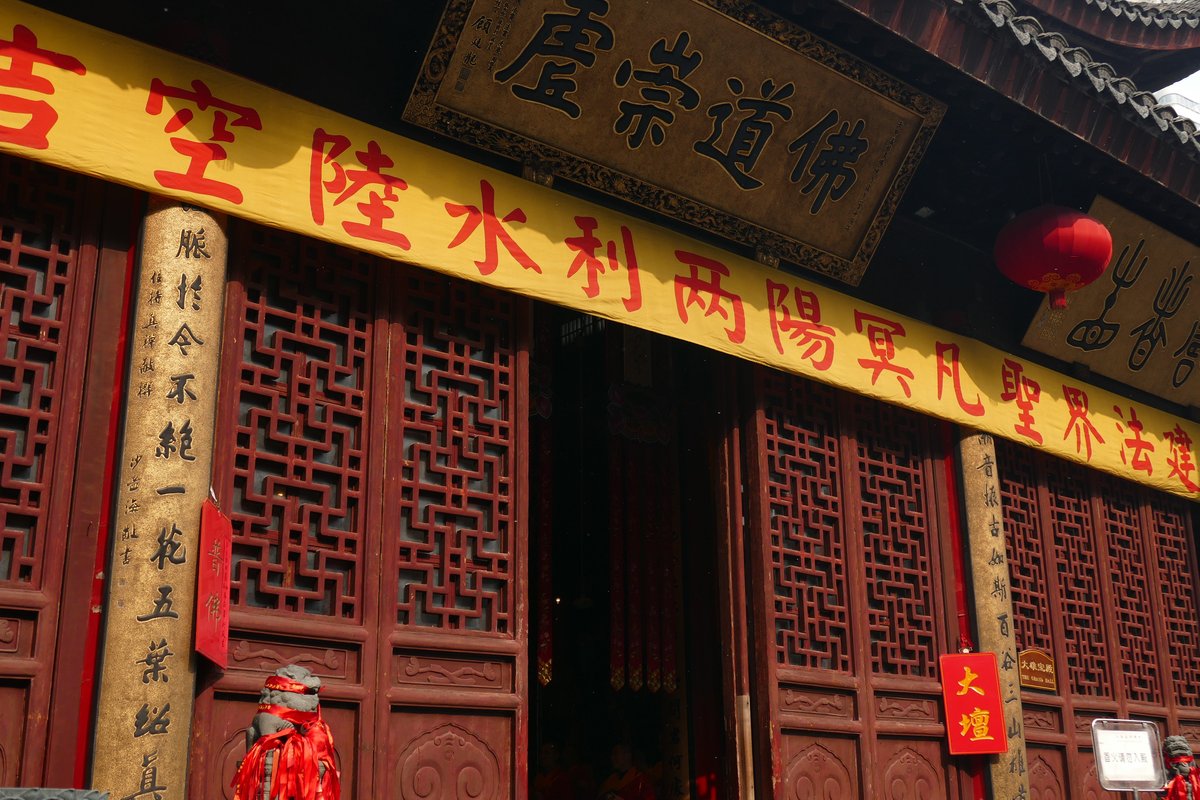
Early Development and Historical Context
Changhua Road is situated in the Jing'an District of Shanghai, a city known for its rich history and rapid modernization. The origins of Changhua Road can be traced back to the late 19th and early 20th centuries, a period marked by significant urban development in Shanghai. During this time, Shanghai was divided into various concessions controlled by foreign powers, including the British, French, and Americans. The area around Changhua Road was part of the International Settlement, which was administered by the British and American authorities.
The establishment of Changhua Road was influenced by the broader urban planning and infrastructure development initiatives undertaken by the International Settlement authorities. The road was designed to facilitate transportation and commerce, connecting various parts of the settlement and serving as a vital artery for the movement of goods and people.
Role in Shanghai's Industrialization
In the early 20th century, Changhua Road became an important industrial and commercial hub. The road was lined with factories, warehouses, and small businesses, contributing to Shanghai's reputation as the "Paris of the East" and a major economic center in Asia. The industrial activities along Changhua Road were diverse, ranging from textile manufacturing to food processing, reflecting the broader industrialization trends in Shanghai during this period.
The presence of these industries attracted a significant workforce, leading to the development of residential areas around Changhua Road. These neighborhoods were characterized by traditional Shikumen houses, a unique architectural style that combines Western and Chinese elements. The Shikumen houses provided affordable housing for the working-class population, contributing to the vibrant and dynamic community life along Changhua Road.
Impact of World War II and the Communist Revolution
The outbreak of World War II and the subsequent Japanese occupation of Shanghai had a profound impact on Changhua Road. The road, like many other parts of the city, experienced significant disruptions as a result of the war. Factories were repurposed for military production, and many residents were displaced due to the conflict.
Following the end of World War II and the establishment of the People's Republic of China in 1949, Changhua Road underwent further transformations. The new Communist government implemented sweeping economic and social reforms, including the nationalization of industries and the redistribution of land. These changes had a direct impact on the businesses and residents along Changhua Road, leading to the closure of many private enterprises and the establishment of state-owned factories.
Post-Reform Era and Modernization
The economic reforms initiated by Deng Xiaoping in the late 1970s marked a new chapter in the history of Changhua Road. The shift towards a market-oriented economy led to the revitalization of the area, with new businesses and commercial establishments emerging along the road. The traditional Shikumen houses were gradually replaced by modern high-rise buildings, reflecting the broader urbanization trends in Shanghai.
In recent years, Changhua Road has become a symbol of Shanghai's rapid modernization and economic growth. The road is now home to a mix of residential, commercial, and cultural establishments, attracting both locals and tourists. The transformation of Changhua Road is emblematic of Shanghai's ability to adapt and evolve, balancing its rich historical heritage with the demands of a modern metropolis.
Cultural Significance and Preservation Efforts
Despite the rapid modernization, efforts have been made to preserve the cultural and historical heritage of Changhua Road. Several historical buildings and landmarks along the road have been designated as protected sites, ensuring that their architectural and cultural significance is maintained for future generations.
One notable example is the preservation of the Shikumen houses, which have been recognized for their unique architectural style and historical importance. These houses have been restored and repurposed as museums, cultural centers, and boutique hotels, providing visitors with a glimpse into the historical and cultural fabric of Shanghai.
Visitor Information
Visiting Hours
Most cultural sites and museums along Changhua Road are open from 9 AM to 5 PM. It's advisable to check the specific visiting hours of each site in advance.
Tickets
Admission fees vary depending on the site. Some museums and cultural centers offer free entry, while others may charge a nominal fee.
Guided Tours
Guided tours are available and can provide valuable insights into the history and significance of Changhua Road. Consider booking a tour in advance for a more enriching experience.
Nearby Attractions
Changhua Road is located near several other historical sites and attractions, including the Jing'an Temple and the Shanghai Urban Planning Exhibition Center. Plan your visit to include these nearby landmarks.
Travel Tips
The best time to visit Changhua Road is in the spring and autumn when the weather is pleasant. Public transportation options, such as buses and the metro, make it easy to reach the area.
FAQ
Q: What are the best times to visit Changhua Road? A: The best times to visit are in the spring and autumn when the weather is pleasant.
Q: Are there guided tours available? A: Yes, guided tours are available and can offer valuable insights into the history and significance of Changhua Road.
Q: What are some nearby attractions? A: Nearby attractions include the Jing'an Temple and the Shanghai Urban Planning Exhibition Center.
Listen to the full story in the app
The whole Jade Buddha Temple,
told well.
Listen to sourced travel stories with local history and practical context — ready offline.
Verified, and shown.
Researched and written by the Audiala editorial team from historical records, architectural archives, and local expertise.
Built from cited sources · see the method · How we make our guides →