Founding and Early Development (1907–1949)
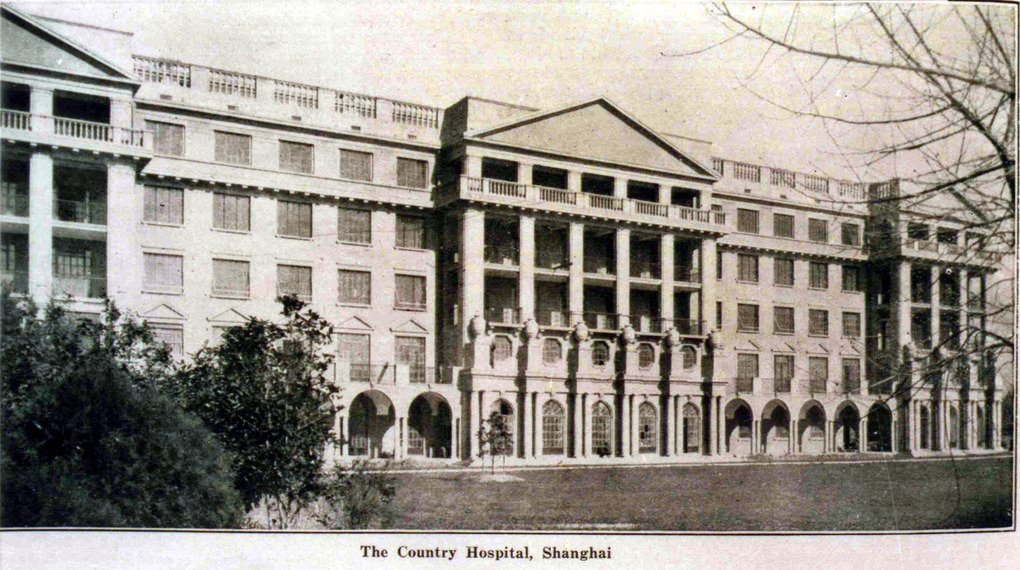
Established in 1907, Huashan Hospital was among the first medical institutions in China to be managed by Chinese professionals. Its early years were marked by a strong commitment to modern medical education and clinical care, setting the stage for future advancements in Chinese healthcare (Shanghai Government).
Growth and Specialization (1950s–1990s)
The hospital rapidly expanded its specialties, notably launching a pioneering neurosurgery department in 1953 and becoming a center of excellence in hand surgery, dermatology, and infectious diseases. By 2010, Huashan Hospital had evolved into a major tertiary care institution with over 1,200 beds (PubMed).
Visitor Information
Visiting Hours
- General Visiting Daily from 8:00 AM to 5:00 PM.
- Note Visiting times may vary by department. Confirm with the hospital or check its website for specific ward hours.
Ticketing and Entry Policies
- General Access Free for most visitors.
- Special Tours/Exhibitions May require advance booking or tickets; inquire ahead for details.
Accessibility
- Fully accessible with ramps, elevators, and dedicated parking for people with disabilities.
- Close to metro stations and bus routes for convenient access.
Travel Tips
- Address 12 Middle Wulumuqi Road, Jing’an District, Shanghai.
- Metro Lines 7 and 13 (nearest stations).
- Best Time to Visit Weekday mornings are generally less crowded.
Nearby Attractions
- Jing’an Temple
- Shanghai Natural History Museum
- Nanjing West Road shopping district
Architectural Features
Early Campus & Redevelopment
Huashan’s original red-brick buildings, such as the Harvard Building (built in 1910), reflect early 20th-century Chinese architectural aesthetics. Over time, the campus has expanded to serve as a major center for medical care, education, and research (Shanghai Government).
Sustainable Design Innovations
Modern redevelopment has transformed the hospital into a 1 million square-foot facility, integrating:
- Patient-centered Design Natural light, intuitive signage, and private entrances.
- Efficient Layout Proximity of key departments to streamline care.
- Advanced Patient Rooms Southern exposure and privacy-focused features.
- Sustainability Green roofs, high-efficiency glass, solar shading, and energy-saving systems (Gresham Smith).
Cultural and Medical Significance
Huashan Hospital is a pioneer in Chinese medical education and innovation, notably in neurosurgery and infectious diseases. Its successful integration of traditional Chinese and Western medicine cements its role as a leading cultural and medical institution (Medical Xiang). The Pudong campus expands its advanced medical capabilities with equipment such as Cyberknife and MRI scanners.
Notable Achievements
- First intracranial tumor resection in China.
- Development of formal postgraduate neurosurgery education.
- Advances in hand surgery and dermatology (ScienceDirect).
Frequently Asked Questions (FAQ)
Q: Are guided tours available at Huashan Hospital?
A: Yes, guided tours focused on history and architecture can be arranged by appointment.
Q: Is photography allowed?
A: Permitted in public areas; restricted in clinical zones.
Q: Can tourists visit the Pudong campus?
A: The Pudong campus is primarily for patients, with limited visitor access.
Q: Is parking available?
A: Yes, including spaces for disabled visitors.
Hospital Location, Access, and Transportation
- Main Campus Address 12 Wulumuqi Road M., Jing’an District, Shanghai (citynewsservice.cn).
- Operating Hours 8:00 AM–5:00 PM daily; emergency services 24/7.
- Metro Access Jing’an Temple (Lines 2, 7), Changshu Road (Lines 1, 7).
- From Airports Maglev train and metro lines connect to downtown; taxis and Didi are convenient for the last leg (chinahighlights.com).
International Medical Services
Huashan Hospital’s International Medical Center delivers specialized care for foreign patients, including:
- Multilingual staff (English, Japanese, more)
- Dedicated outpatient/inpatient services
- Insurance support and direct billing for select providers
- Assistance with medical visas and remote consultations
Contact: (021) 6248-3986 / 5288-9998, or [email protected] (citynewsservice.cn).
Appointment Booking & Registration
- Online Via hospital website or WeChat mini-program (Chinese interface).
- Phone Through the International Medical Center.
- Walk-in Available, but expect longer wait times.
Bring your passport, insurance details, and previous medical records (expatden.com).
Patient Experience
Outpatient Services
- General outpatient clinics can be crowded, with limited English outside the international division.
- The International Medical Center offers a quieter environment, English-speaking staff, and shorter waits. Health check-up packages are available with results in up to 14 business days (smartshanghai.com).
Inpatient Services
- Standard wards are clean and modern, typically shared. VIP/international wards feature private rooms and enhanced amenities (expatden.com).
Insurance and Payment
- Upfront Payment Required Direct billing is limited; most pay first and seek reimbursement (smartshanghai.com).
- Accepted Methods Cash, Chinese bank cards, Alipay, WeChat Pay, some international credit cards (mainly in the International Medical Center).
- Documentation Bring insurance policy and claim forms; hospital issues detailed invoices.
Language and Communication
- International Division English-speaking staff; interpreters for other languages.
- General Areas Limited English; consider a translator app or Chinese-speaking companion (expatden.com).
- Signage Generally bilingual, though some documents are Chinese-only.
Safety, Hygiene, and COVID-19 Protocols
- Shanghai is considered very safe.
- Huashan Hospital upholds high hygiene standards (xplrverse.com).
- As of June 2025, COVID-19 restrictions are mostly lifted, but mask-wearing is common in crowded areas. Hand sanitizer is widely available.
Essential Tips for International Visitors
- Carry your passport and medical documents.
- Be prepared for upfront payment; set up payment apps before arrival.
- Use Didi and translation apps for ease of travel and communication.
- Arrive early, especially for morning appointments.
- Emergency services: Call 120 for an ambulance in Shanghai.
Nearby Amenities and Accommodation
The hospital’s central location provides easy access to hotels, restaurants, pharmacies, and ATMs. International hotel chains and serviced apartments are available for different budgets (chinahighlights.com).
Cultural Considerations
- Greet staff with a smile and “Ni Hao.”
- Present business cards with both hands.
- Privacy is less pronounced than in Western hospitals, except in VIP wards.
- Tipping is not customary.
Summary
Huashan Hospital exemplifies Shanghai’s trajectory in healthcare innovation, blending rich cultural heritage with modern medical care. Its international medical center, advanced booking systems, and multilingual support make it accessible for global visitors (citynewsservice.cn). The hospital’s sustainable architectural features and central location, surrounded by notable attractions, offer a multifaceted experience for both patients and tourists (Gresham Smith). For the most current information, consult the official Huashan Hospital website and consider using mobile apps like Audiala for updates and guided tours.