
Origins and Historical Context
Acquisition of the Residence
In 1918, a group of overseas Chinese in Canada purchased the villa as a gift for Sun Yat-sen, providing him with a base for revolutionary activities during his years in Shanghai (Wikipedia). The residence’s location in the cosmopolitan French Concession made it an ideal setting for political dialogue and international engagement.
Sun Yat-sen’s Residency
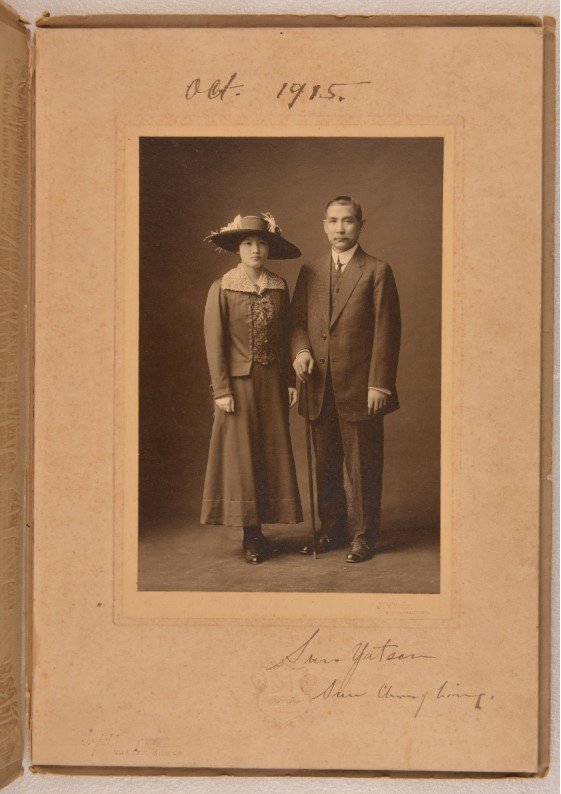
Between 1918 and 1924, Sun Yat-sen and his wife, Soong Ching-ling, lived in this house. Here, Sun refined his foundational political philosophies—including the Three Principles of the People—and authored pivotal documents such as the Sun-Joffe Manifesto, marking the beginning of formal cooperation between the Kuomintang and the Chinese Communist Party (China Expedition Tours; China Highlights). The residence became a hub for revolutionary planning, intellectual debate, and diplomatic exchange.
Soong Ching-ling’s Stewardship
After Sun’s passing in 1925, Soong Ching-ling continued to reside in the villa until 1937, when the Japanese occupation forced her to leave. She meticulously preserved the house, later donating it to the Nationalist government as a tribute to Sun’s legacy (China Expedition Tours).
Architectural Features and Preservation
The villa is a striking example of early 20th-century Western architecture adapted for Shanghai’s elite. Its symmetrical façade, magenta-tiled roof, gray pebble or red brick walls, and white window frames evoke the cosmopolitan flair of the French Concession (China Dragon Tours; China Highlights). The spacious interior includes a reception hall, study, living and dining rooms, and bedrooms, all restored to reflect the original living conditions of Sun Yat-sen and Soong Ching-ling.
Original furnishings and artifacts—including Sun’s desk, over 5,000 books, and personal items such as a sword gifted by a Japanese general—connect visitors with the revolutionary’s daily life (Shanghai Tour). The tranquil garden, with its hollies, camphor, and magnolia trees, offers an oasis amid the bustling city (China Expedition Tours).
Restoration efforts have prioritized historical accuracy, preserving architectural details like stained glass, fireplaces, and imported fixtures while updating the infrastructure for visitor safety and accessibility (Shanghai Museum).
Exhibition Highlights
First Floor
- Living Room and Dining Hall Displays photographs from Sun’s presidency, calligraphies, paintings, and ivory carvings. The dining room features portraits of Sun and Soong Ching-ling, silver shields, and commemorative gifts.
Second Floor
- Study Over 5,000 Chinese and foreign books cover subjects such as politics, economics, and geography. Maps—including one hand-painted by Sun—line the walls.
- Bedroom Preserved with period furnishings and photographs documenting Sun and Soong’s life together.
- Sitting Room Exhibits Sun’s personal belongings, such as clothing, glasses, dinnerware, and medical supplies.
Thematic Exhibitions
More than 1,000 photographs and relics illustrate Sun’s revolutionary achievements and relationships with other political figures. The exhibitions contextualize major works like the “Doctrines of Sun Wen” and the Three Principles of the People, providing insight into the political currents of the era (tripstoshanghai.com).
Visiting Information
Opening Hours
- Tuesday to Sunday 9:00 AM – 4:30 PM (last admission at 4:00 PM)
- Closed Mondays (except national holidays)
- Note Seasonal variations may apply; check the official website for updates.
Tickets and Entry
- Admission Fee RMB 20 for adults, with discounts for students, seniors, and children.
- Purchase Onsite at the entrance or via official platforms (e.g., WeChat, museum website).
- Entry Valid ID required; standard security checks in place.
Guided Tours
- Languages Mandarin tours are scheduled; English tours require advance booking. Audio guides in multiple languages are available for a small fee.
- Booking Recommended during peak periods.
Accessibility and Facilities
- Wheelchair Access Ramps and elevators available. Some upper-floor exhibits may be accessible only by stairs due to the building’s historic structure.
- Amenities Restrooms (including accessible facilities), drinking water, gift shop, and seating in the garden.
- Photography Permitted outdoors and in select rooms; flash and tripods are prohibited. Observe signage for restrictions.
Getting There
- Metro South Shaanxi Road Station (Lines 1, 10, 12) or Xujiahui/Hengshan Road stations, both within walking distance.
- Bus Multiple routes serve the area (visitourchina.com).
- Cycling/Walking Pedestrian-friendly and bike-sharing stations nearby.
Travel Tips
- Best Time to Visit Weekday mornings, avoiding major holidays like National Day and Chinese New Year.
- Duration Allocate 1–2 hours for the residence, museum, and gardens.
- Weather Spring and autumn offer the most pleasant conditions.
- Preparation Bring valid ID (passport for foreign visitors) and check for event schedules or temporary exhibits.
Visitor Etiquette and Health Measures
- Respect Maintain quiet, avoid touching displays, and supervise children.
- Prohibited No eating, drinking, or smoking indoors; no pets except registered service animals.
- Health & Safety Temperature checks, mask-wearing, and hand sanitizer stations may be in effect. Stay updated via Shanghai Municipal Government COVID-19 Updates.
Nearby Attractions
- Fuxing Park Ideal for a post-visit stroll.
- Other Residences Explore the homes of Zhou Enlai and Soong Ching-ling nearby.
- Boutiques & Cafes The French Concession is known for its vibrant dining and shopping scene.
- See Also Explore More Shanghai Historical Sites | Top Attractions in the French Concession | Guide to Public Transportation in Shanghai
Frequently Asked Questions (FAQ)
Q: What are the opening hours?
A: Tuesday–Sunday, 9:00 AM–4:30 PM; closed Mondays except holidays.
Q: How much is admission?
A: RMB 20 for adults; discounts available.
Q: Are guided tours available in English?
A: Yes, with advance booking.
Q: Is the residence accessible for visitors with limited mobility?
A: Yes, with ramps and elevators; some upper-floor exhibits may require stairs.
Q: Can I take photos inside?
A: Yes, in designated areas; flash and tripods are prohibited.
Q: How do I get there via public transport?
A: Nearest metro: South Shaanxi Road Station (Lines 1, 10, 12); various bus lines also serve the area.


