Historical Background
Origins and Establishment
The Former Liaison Office played a pivotal role in early CPC history, operating as a secret center for political and military coordination, especially from the late 1920s through the 1940s. Located within the protective boundaries of the French Concession and International Settlement, it was ideal for covert operations during times of turmoil. The office’s significance is tied to major historical events, including the Chinese Civil War and anti-Japanese resistance, serving as a nexus between the CPC Central Committee and the Central Military Commission (History of the CPC).
Transformation and Preservation
Following the establishment of the People’s Republic of China in 1949, many such sites, including the Former Liaison Office, were preserved and transformed into educational museums. In particular, the First National Congress site was recognized as a national cultural relic in 1961, and the Liaison Office has continued to serve as a venue for political education and patriotic instruction (History Hit - First National Congress; Wikipedia - Site of the First National Congress of the CPC).
The building reflects Shanghai’s Shikumen architectural style, blending Western and Chinese elements, and has been restored to maintain its historical authenticity. It houses exhibitions on the CPC’s early struggles, original documents, and multimedia displays.
Visiting Information
Location and Access
The Former Liaison Office is centrally located in Shanghai, typically within the Huangpu or Jing’an Districts. The most notable address is No. 10, Lane 673, Jiangning Road (Shine.cn). The site is easily accessible via Shanghai Metro Lines 1, 2, or 10, with major stations such as People’s Square and Jiangning Road within walking distance. Public transport is recommended due to frequent downtown traffic congestion (The China Journey).
Visiting Hours
- Opening Days Tuesday–Sunday
- Hours 9:00 AM – 5:00 PM (last entry at 4:30 PM)
- Closed Mondays (except national holidays)
- Note Always check the official website for possible changes due to holidays or special events (Shanghai Tourist Information).
Tickets and Admission
- Admission Free or nominal fee, depending on current policy.
- Booking Recommended to reserve tickets online in advance, especially during weekends and public holidays.
- Group Visits Advance booking is required for groups and guided tours.
Guided Tours
- Languages Mandarin (regularly), English (occasionally or by prior arrangement).
- Booking Advised to book guided tours in advance for a more informative experience.
Site Layout and Visitor Experience
Exhibition Galleries
- Restored Office Spaces Faithfully recreating the working environment of CPC leaders.
- Archival Exhibits Photographs, original documents, and period artifacts.
- Multimedia Displays Interactive screens and rare film footage.
- Thematic Exhibitions Rotating displays focus on significant events like the founding of the Central Military Commission and the anti-Japanese resistance (Laitimes).
Facilities
- Rest Areas Benches and shaded spots for relaxation.
- Restrooms Modern and accessible.
- Gift Shop Books, souvenirs, and educational materials.
- Event Spaces Host lectures, commemorations, and educational programs.
Accessibility and Facilities
- Wheelchair Access Ramps and elevators are available.
- Multilingual Signage Chinese and English; key displays may offer additional languages.
- Security Visitors undergo standard security checks; avoid bringing large bags or restricted items.
- Photography Allowed in public/exhibit areas except where prohibited; non-flash only.
Practical Visitor Tips
- Best Times Weekday mornings for fewer crowds; avoid Chinese holidays such as National Day (October 1–7) and Labor Day (May 1–3).
- Recommended Visit Duration 1–2 hours.
- Dress Code Respectful and modest attire is expected.
- Payment China is largely cashless; mobile payment apps like Alipay or WeChat Pay are standard. Some sites accept cash or international cards (Meet in Shanghai).
- Language English is spoken at major hotels; translation apps are helpful at the memorial.
- Toiletries Bring your own toilet paper and hand sanitizer for public restrooms (The Helpful Panda).
Cultural Etiquette
- Behavior Remain respectful and quiet, especially during commemorative activities.
- Photography Observe posted signs; do not use flash in exhibition halls.
- Group Visits Large groups should arrange bookings in advance and follow site protocols.
Nearby Attractions
- Site of the First National Congress of the CPC Adjacent to Xintiandi’s historic Shikumen district.
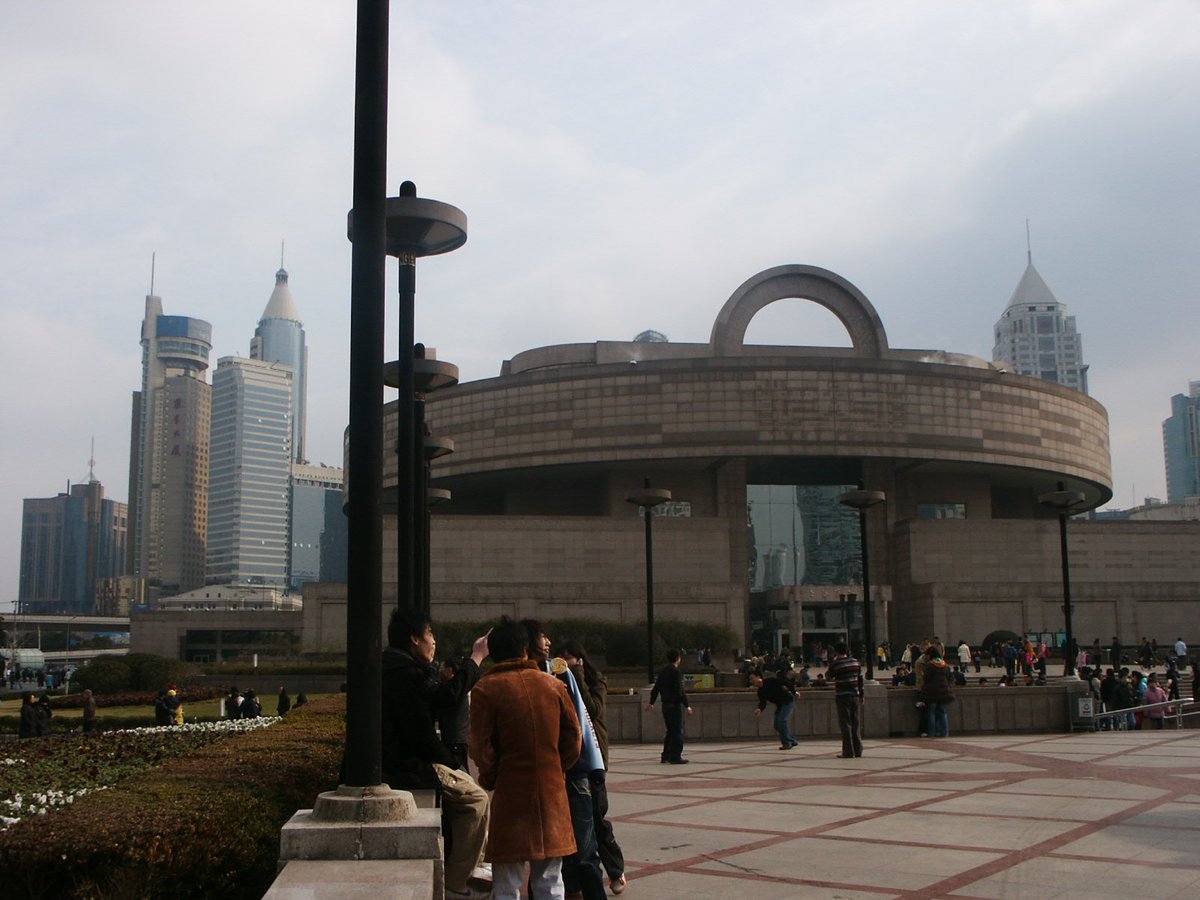
- Shanghai Museum
- Bund Waterfront
- Memorial Hall of the First National Congress of the CPC
- Shanghai National Security Education Center
These sites can be combined for a thematic itinerary exploring Shanghai’s revolutionary and cosmopolitan heritage (TravelChinaGuide; China Highlights).
Frequently Asked Questions (FAQ)
Q: What are the visiting hours?
A: Tuesday–Sunday, 9:00 AM–5:00 PM (last entry 4:30 PM); closed Mondays.
Q: Is there an admission fee?
A: Admission is free or very low cost. Booking ahead is recommended.
Q: Are guided tours available in English?
A: Yes, by prior arrangement; regular tours are in Mandarin.
Q: Is the site wheelchair accessible?
A: Yes, with ramps and elevators in most areas.
Q: Can I take photos inside?
A: Non-flash photography is usually allowed in public areas; some rooms may have restrictions.
Q: How do I get there by public transport?
A: Use the Shanghai Metro (Lines 1, 2, or 10) and walk from the nearest station.
Q: What is the best time to visit?
A: Weekday mornings, avoiding major Chinese holidays, for a quieter experience.