
1. History and Construction
Early Development (1965–1971)
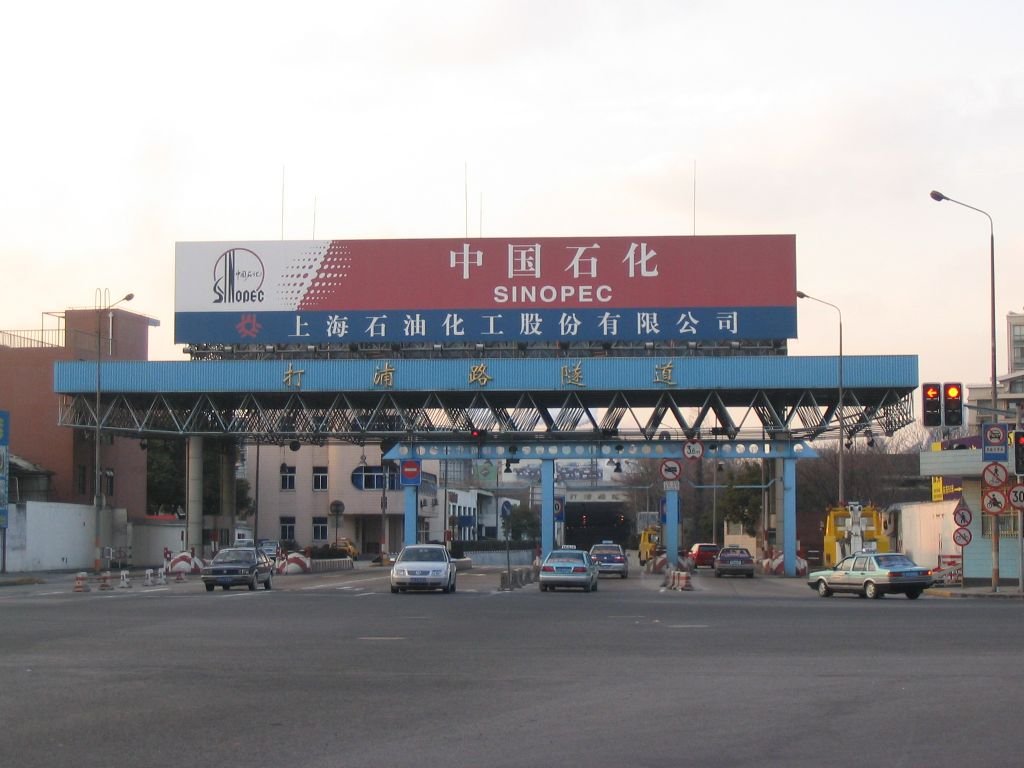
The Dapu Road Tunnel, initially known as the Huangpu River Tunnel or Project 651, was conceived during Shanghai’s push for urban modernization in the 1960s. Construction began in 1965, led by the Shanghai Tunnel Project Company (now STEC), and challenged the era’s technical limits by employing domestically developed shield tunneling techniques to bore through the river’s silty bed. The tunnel spans approximately 2.7 kilometers, with 1.5 kilometers beneath the river, and was completed in 1971. This engineering achievement dramatically improved cross-river connectivity, reducing dependence on ferries and catalyzing the integration of the city.
The tunnel’s construction was a technological milestone for China, earning the National Science Award in 1978 (STEC Major Projects). Overcoming the challenges of “digging a hole in the tofu”—a metaphor for tunneling through soft, unstable soils—showcased a new era of domestic civil engineering.
Expansion for Expo 2010
With the city’s rapid growth and the upcoming 2010 World Expo, a second parallel tube was constructed between 2009 and 2010. This expansion doubled capacity, separated traffic flows, and introduced advanced safety and ventilation systems, further cementing the tunnel’s central role in Shanghai’s transport infrastructure (Shanghai Highlights: Pudong New Area).
2. Tunnel Structure and Engineering
Engineering Design
The Dapu Road Tunnel features a twin-bore design, each tube carrying two to three lanes of traffic. Its construction utilized the shield tunneling method—critical for Shanghai’s waterlogged, soft soil environment. The tunnel’s reinforced concrete lining and multiple waterproofing layers ensure durability and safety against river pressure.
- Length ~2.7 km (1.7 miles), with ~1.5 km underwater
- Bore Configuration Separate tubes for each direction
- Lane Count Two to three per tube
- Ventilation State-of-the-art systems maintain air quality
- Emergency Exits Cross-passages every 250–300 meters
Safety Systems
The tunnel is equipped with:
- Fire detection and suppression (hydrants, smoke/heat detectors)
- Emergency exits and clearly marked evacuation routes
- Continuous air quality monitoring
- Floodgates and seismic design for natural disaster resilience
- 24/7 surveillance and traffic monitoring
3. Operation and Traffic Management
Operating continuously, the Dapu Road Tunnel handles over 40,000 vehicles daily, serving as a core cross-river route.
- Speed Limits 40–60 km/h, strictly enforced
- Vehicle Restrictions No hazardous materials, oversized trucks, non-motorized vehicles, or scooters
- Maintenance Scheduled during off-peak hours to minimize disruption
4. Visiting Information
Hours and Access
- Operating Hours 24/7, year-round
- Access Motor vehicles only (cars, taxis, buses); no pedestrian or bicycle access
- Fees As of June 2025, the tunnel is toll-free for private vehicles (Shanghai Transportation Cost)
Accessibility
- For Vehicles All standard vehicles, including those accommodating passengers with disabilities, are permitted.
- Pedestrians & Cyclists Not allowed for safety reasons. Instead, use alternative crossings like the Bund Sightseeing Tunnel or the Lupu Bridge walkway.
Guided Tours and Photography
- Guided Tours The tunnel itself does not offer tours, but many city tours discuss its significance and include stops at nearby attractions.
- Photography Not permitted inside. The entrances and riverbanks offer excellent opportunities for photos of the skyline and tunnel portals.
5. Getting There
By Metro
- Puxi Side Dapuqiao Station (Line 9)
- Pudong Side Tangqiao Station (Line 4) These stations are a short walk from the respective tunnel entrances (Shanghai Metro Map).
By Bus
Multiple routes serve Dapuqiao and Tangqiao, including lines 17, 41, 146, and 786.
By Taxi or Ride-Hailing
Taxis and Didi are widely available. Provide “打浦路隧道” (Dapu Road Tunnel) as your destination.
6. Nearby Attractions
- The Bund Iconic riverside promenade with historic architecture
- Lujiazui Financial District Modern skyscrapers, shopping, and entertainment
- Tianzifang Artistic alleyways, Shikumen architecture, and boutique shops (Tianzifang Guide)
- Luwan District Tree-lined streets in the former French Concession (French Concession Guide)
- Yu Garden Classic Chinese gardens and bazaars
7. Visitor Tips
- Best Times Avoid peak hours (7:00–9:30 AM, 5:00–7:30 PM) to minimize traffic delays
- Weather Tunnel crossing is unaffected by rain, but be careful of slippery surfaces at entrances
- Language All signage is bilingual; tunnel staff may have limited English, so translation apps are helpful
- Navigation Real-time updates via local apps (Baidu Maps, Gaode/Amap) and the Shanghai Municipal Transportation website
8. Cultural and Urban Significance
The Dapu Road Tunnel is emblematic of Shanghai’s transformation from a divided city to a unified metropolis. Its construction catalyzed Pudong’s rise from farmland to a world-class financial center, fostered economic integration, and contributed to Shanghai’s “Haipai” culture—a blend of East and West, tradition and innovation (Haipai Culture).
9. Safety and Environmental Considerations
- Air Quality Well-ventilated but can be lower than outdoors; sensitive individuals should limit exposure
- Emergency Procedures Use marked exits and emergency phones if needed
- Environmental Impact Has reduced surface congestion but increased vehicle emissions; the city continues to invest in public transport and green initiatives (Springer: Economic Development, Urban Expansion, and Sustainable Development in Shanghai)
10. Frequently Asked Questions (FAQ)
Q: Can I walk or cycle through the Dapu Road Tunnel?
A: No, the tunnel is only open to motor vehicles; pedestrians and cyclists should use the Bund Sightseeing Tunnel or Lupu Bridge.
Q: Is there a toll to use the Dapu Road Tunnel?
A: No, as of June 2025, it is toll-free for private vehicles.
Q: Are there guided tours of the tunnel?
A: No, but city tours often include information about the tunnel and nearby sites.
Q: Is the tunnel always open?
A: Yes, it operates 24/7, with rare closures for maintenance announced in advance.
Q: What are the nearest metro stations?
A: Dapuqiao Station (Line 9) on the Puxi side and Tangqiao Station (Line 4) on the Pudong side.