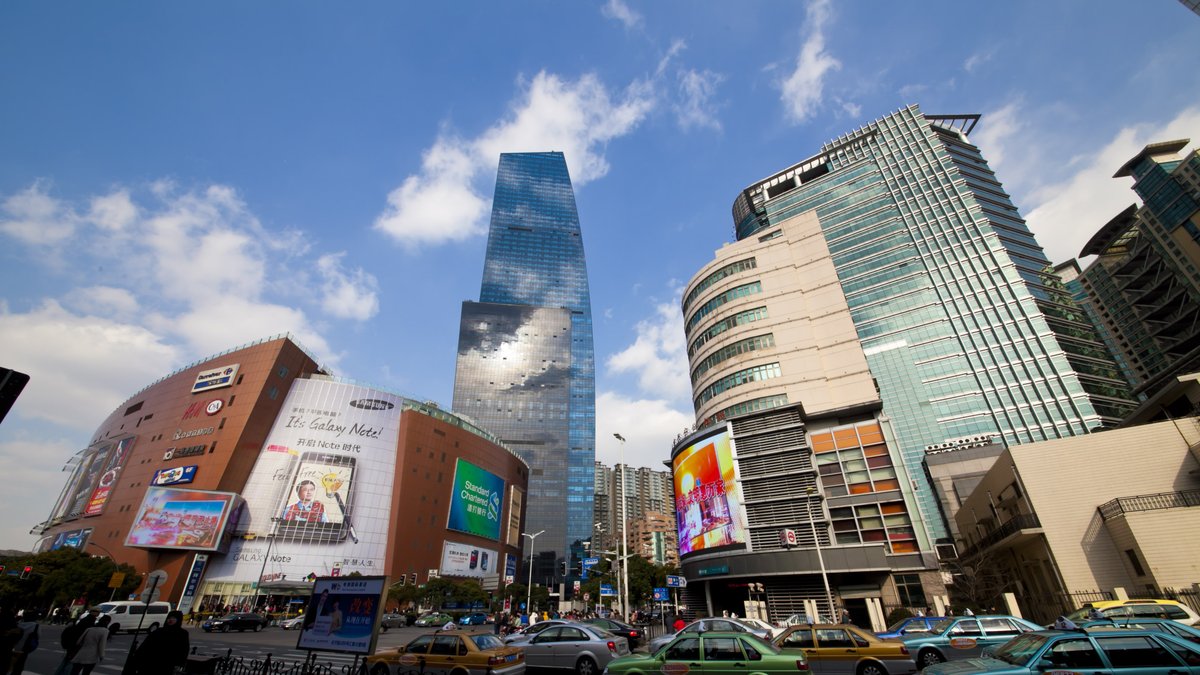
Introduction
Shanghai, the financial heart of China, boasts a cityscape shaped by a blend of rich history and rapid modernization. Two iconic financial landmarks—the Bank of China Headquarters and the Bank of Shanghai Headquarters—symbolize both the city’s past and its dynamic present. These buildings are not only architectural marvels but also significant markers of Shanghai’s evolution into a global financial center.
This comprehensive guide provides everything you need to know about visiting these headquarters: their history, architecture, visiting hours, accessibility, transport options, practical tips, and nearby attractions. Whether you are passionate about history, architecture, or Shanghai’s urban energy, this guide equips you to make the most of your visit. (TravelChinaGuide; Springer; KKday; Rough Guides)
Photo Gallery
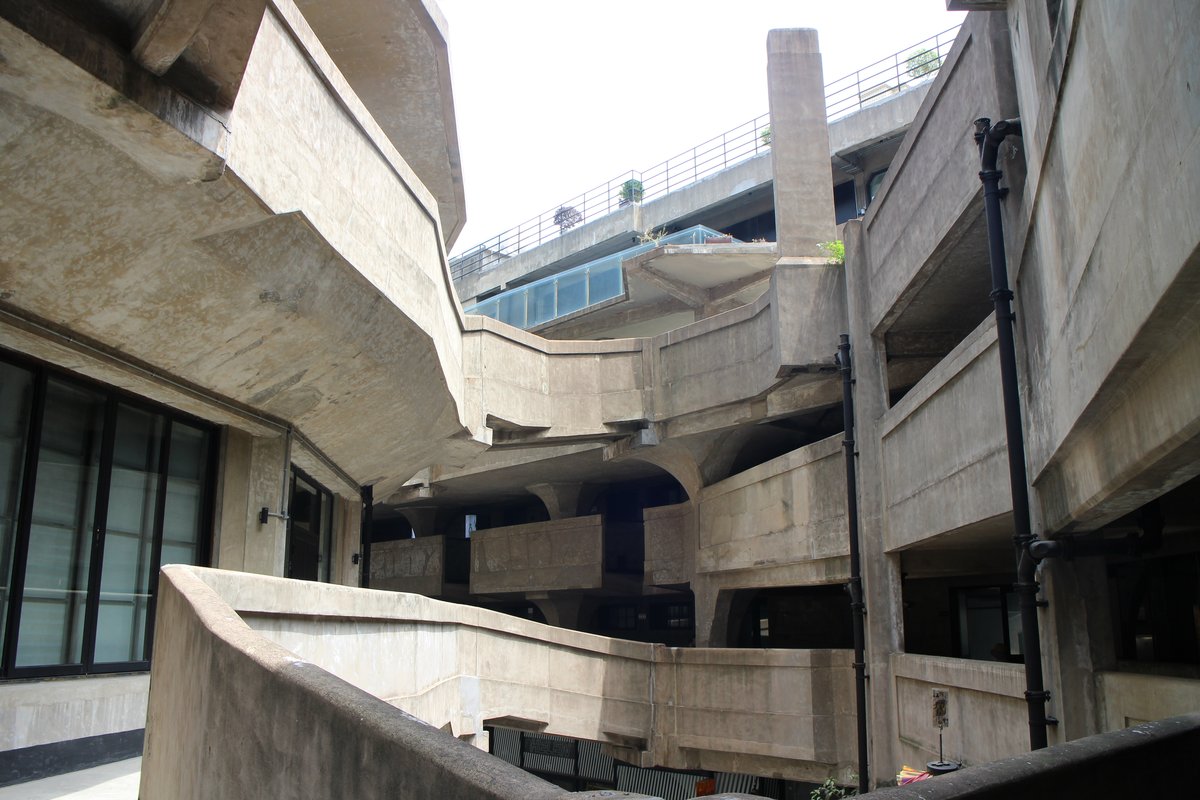
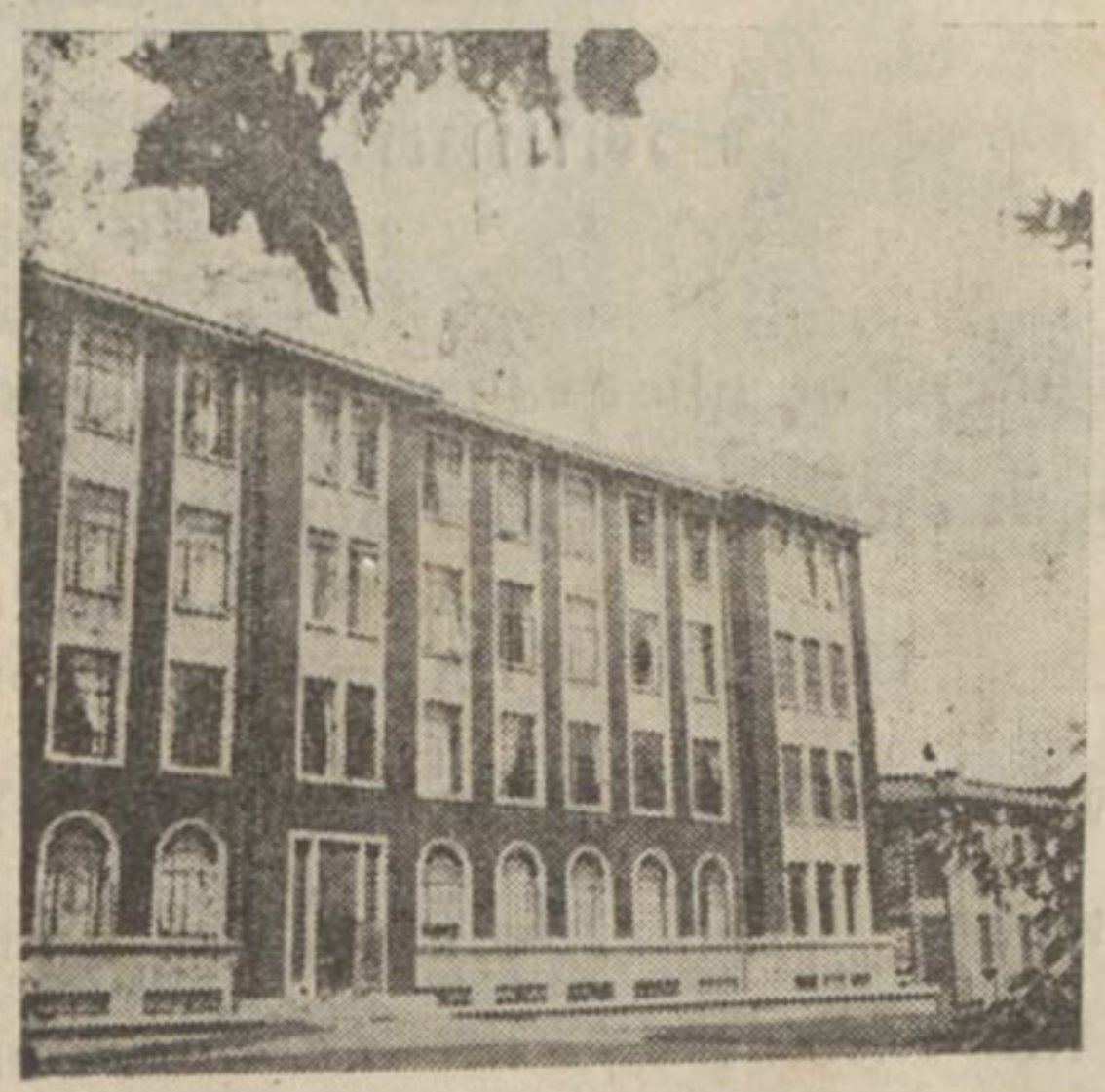
Explore Bank of Shanghai Headquarters in Pictures
History and Cultural Significance
Early Foundations
Shanghai’s transformation from a small port town to an international financial powerhouse began in the 19th century, especially after the First Opium War opened the city to foreign trade. The arrival of international banks and the establishment of the Bank of China (BOC) in 1912 laid the groundwork for its enduring financial influence (Springer; Bank of China).
The Rise of Modern Banking
The Bank of China played a pivotal role in shaping Shanghai’s financial landscape, reflecting the city’s growing global ambitions. Today, BOC operates in 57 countries and remains a cornerstone of China’s international banking sector (Bank of China).
The Bank of Shanghai’s Development
Established in 1995, the Bank of Shanghai emerged as one of China’s leading urban commercial banks. Its headquarters, completed in 2005, embodies the city’s meteoric economic rise and its aspiration to be a world-class financial center (Forbes).
Architecture and Urban Renewal
Bank of China Headquarters
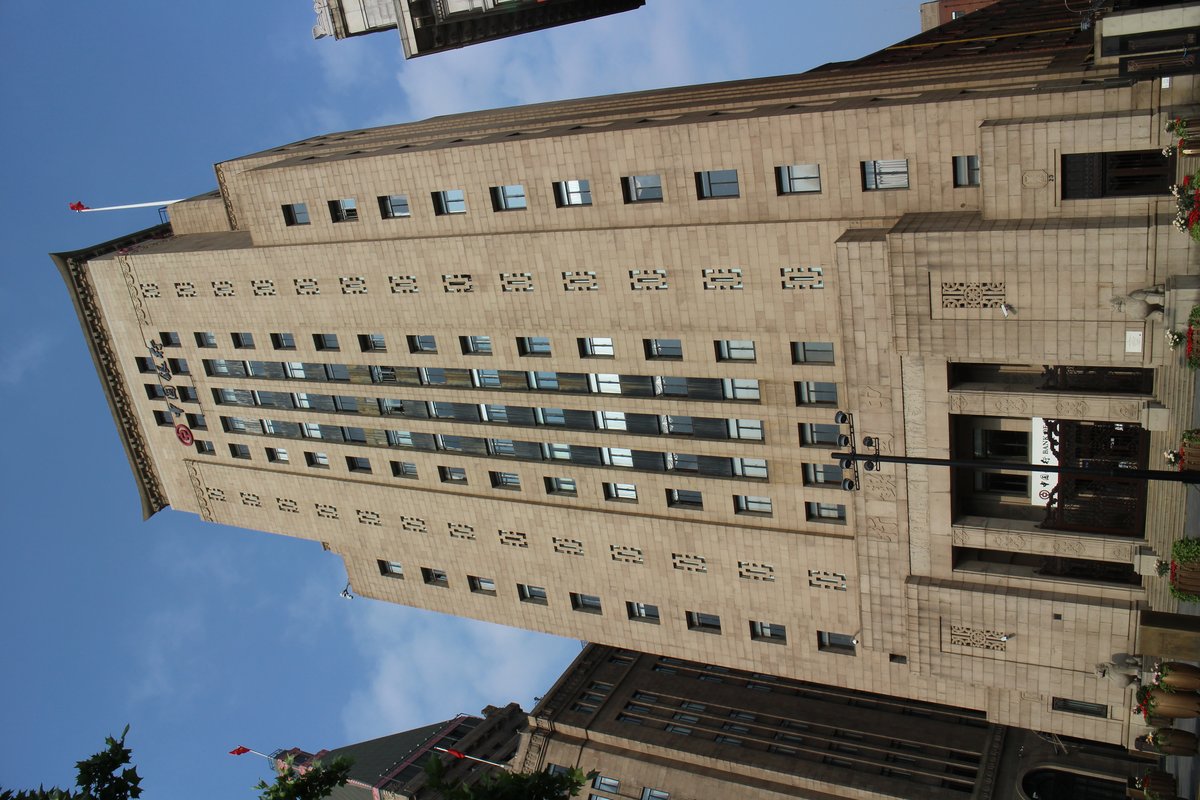
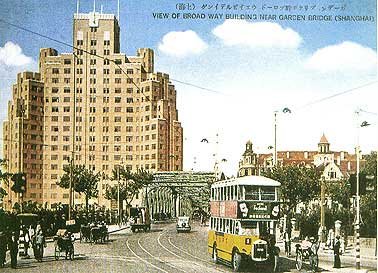
Located on the historic Bund, the BOC Headquarters is a 1937 masterpiece blending neo-classical and traditional Chinese design. Its pyramid-shaped roof, stone arches, and longevity motifs symbolize stability and prosperity, making it a defining feature of the Bund’s waterfront (TravelChinaGuide).
Bank of Shanghai Headquarters
Situated at 168 East Yincheng Road in Pudong’s Lujiazui district, the Bank of Shanghai Headquarters is a 46-story skyscraper reaching 252 meters. Designed by Kenzo Tange Associates, this modernist tower features a sleek glass façade and state-of-the-art lighting, exemplifying Shanghai’s embrace of contemporary architecture and global urbanism (ArchDaily; Skyscraper Centre).
Urban Renewal
Shanghai’s urban development balances modernization with heritage conservation. Comprehensive planning and renewal initiatives have preserved historic sites like the Bund while allowing new financial landmarks to rise in Pudong (Springer).
Visitor Information
Bank of China Headquarters (The Bund)
- Location: 23 East Zhongshan No. 1 Road, Huangpu District
- Visiting Hours: Exterior accessible daily, 8:00 AM–8:00 PM
- Tickets: Free for exterior viewing; no interior tourist access
- Guided Tours: Walking tours of the Bund, including BOC, are available via local agencies
- Accessibility: Wheelchair-friendly walkways along the Bund
- Photography: Excellent at sunrise, sunset, and at night when the Bund is illuminated
Bank of Shanghai Headquarters (Lujiazui)
- Location: 168 East Yincheng Road, Pudong
- Visiting Hours: Public banking halls open Monday–Friday, 9:00 AM–5:00 PM; upper floors are not open to the public
- Tickets: No entry fee for public banking areas
- Guided Tours: Occasional tours during architecture or cultural events; arrange in advance
- Accessibility: Barrier-free entrances, elevators, restrooms
- Photography: Best from nearby streets and parks; skyline views from across the river at the Bund
Location & Transportation
- Bank of China Headquarters: Take Shanghai Metro Line 2 or Line 10 to East Nanjing Road Station; walk to the Bund (TravelChinaGuide).
- Bank of Shanghai Headquarters: Use Metro Line 2 to Lujiazui Station; the building is a short walk away. Multiple bus lines and taxi options are available, but metro is preferable during rush hour (KKday).
Nearby Attractions
- The Bund: Colonial architecture, river views, and vibrant nightlife
- Shanghai Tower: China’s tallest building with an observation deck
- Jin Mao Tower: Iconic design with skywalk tours
- Shanghai Museum: Rich historical exhibits
- Oriental Pearl Tower: Landmark television and sightseeing tower
- Lujiazui Shopping & Dining: Upscale malls, restaurants, and cafes
Practical Visitor Advice
- Currency: Carry Chinese Yuan (RMB) as digital payments may not work for all foreigners (KKday).
- Language: English is widely spoken in financial districts; most signs are bilingual. Basic Mandarin phrases are helpful.
- Safety: The area is highly secure, but standard precautions against pickpocketing apply.
- Health: Drink bottled water; medical facilities are easily accessible (The Travel Blogs).
- Etiquette: Business attire is standard in the district. Formal greetings are appreciated in professional settings.
Frequently Asked Questions (FAQ)
Q: Can I enter the Bank of Shanghai or Bank of China headquarters as a tourist?
A: Both buildings are active financial institutions. The Bank of China headquarters and the Bank of Shanghai headquarters’ public areas are open only during typical business hours; there are no public interior tours.
Q: Are there entry fees or tickets?
A: No tickets are required for exterior viewing or entry to public banking areas.
Q: Where can I get the best views?
A: For the Bank of Shanghai Headquarters, the Bund offers exceptional skyline views. For the Bund and BOC, visit at sunset or at night for dramatic lighting.
Q: Are the buildings accessible for people with disabilities?
A: Yes, both areas feature barrier-free access.
Q: Are guided tours available?
A: Walking tours of the Bund and Lujiazui often include commentary on these buildings. Special interior tours are rare and usually limited to special events.
Listen to the full story in the app
Your Personal Curator, in Your Pocket.
Audio guides for 1,100+ cities across 96 countries. History, stories, and local insight — offline ready.
Audiala App
Available on iOS & Android
Join 50k+ Curators
Sources
- verified
- verified
- verified
- verified
- verified
- verified
- verified
- verified
- verified
Last reviewed: