Early Beginnings: Trade Commission Origins (1921–1937)
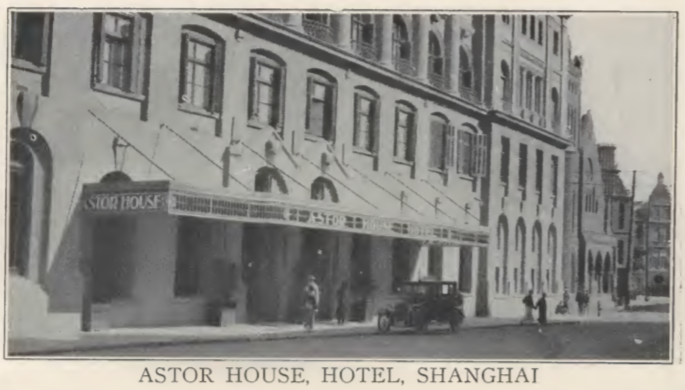
Australia’s official presence in Shanghai dates back to 1921 with the establishment of a Trade Commission. As Shanghai emerged as a critical commercial hub, the Trade Commission promoted Australian exports and business relations, operating from the HSBC Building within the International Settlement. This early initiative anchored Australia’s engagement in East Asia.
Expansion, Wartime, and Challenges (1935–1951)
In 1935, Trade Commissioner Vivian Gordon Bowden further developed Australia’s interests during turbulent times, including the Second Sino-Japanese War and Japanese occupation. The Commission continued its work until 1948, despite regional instability, finally closing in 1951 amidst the rise of the People’s Republic of China.
Dormancy and Re-establishment (1951–1984)
With the closure of the Trade Commission, Australia’s official presence in Shanghai was dormant for over three decades. Diplomatic activities were managed via the Australian Embassy in Beijing following its establishment in 1972.
Modern Era: Consulate-General Reopens (1984–Present)
The Australian Consulate-General in Shanghai was officially reopened in 1984, reflecting the renewed focus on expanding economic and cultural ties. Since then, the consulate has grown to become a hub for consular support, trade facilitation, and community engagement in East China (Australian Consulate-General Shanghai).
Diplomatic and Economic Significance
Regional Jurisdiction and Bilateral Relations
The consulate serves Shanghai and the surrounding provinces of Jiangsu, Zhejiang, and Anhui, complementing the Australian Embassy in Beijing and other consulates in China. Its jurisdiction covers one of China’s most economically significant regions, supporting trade, education, and cultural diplomacy.
Trade and Investment Support
With China as Australia’s largest trading partner, the consulate and Austrade (Australian Trade and Investment Commission) provide vital support to Australian exporters and investors. Services include market intelligence, business networking, and risk mitigation (Australian Consulate-General Shanghai).
Cultural and Educational Engagement
The consulate promotes Australian culture and education through events like film festivals, art exhibitions, and educational fairs. Partnerships with Shanghai’s leading institutions foster student exchanges and collaborative research. Notable annual events include ANZAC Day and Australia Day commemorations, which strengthen community ties (ANZAC Day 2025 Commemoration).
Consular Services and Community Support
Services for Australians
- Passport Services Applications, renewals, and emergency travel documents.
- Notarial Services Document certification, witnessing signatures, statutory declarations.
- Visa and Immigration Information and processing support for visas, citizenship, and immigration.
- Emergency Assistance Crisis support for medical emergencies, legal issues, or lost passports.
- Trade and Business Support Assistance for Australian companies and investors.
How to Access Services
- Appointments Most consular services require advance booking. Appointments can be made via the official website. Walk-ins are only accepted for passport collection and emergencies.
- Required Documents Bring valid government-issued photo ID (passport or Chinese ID), appointment confirmation, and all necessary documentation for your requested service.
Community Events and Engagement
The consulate actively supports the local Australian and New Zealand communities through events, mailing lists, and community initiatives. Participation in official events, such as ANZAC Day, requires advance registration and ID for security purposes (ANZAC Day 2025 Commemoration).
Practical Information for Visitors
Location and Contact
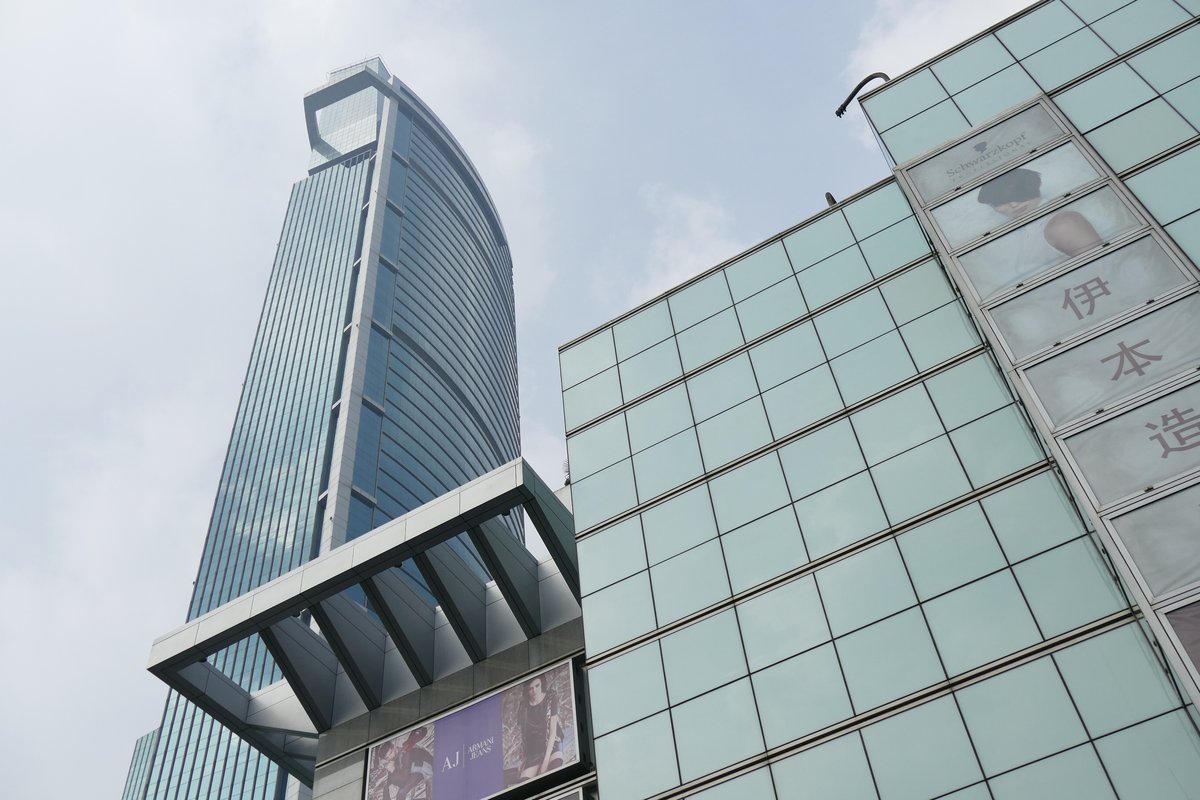
- Address Level 22, CITIC Square, 1168 Nanjing West Road, Shanghai 200041, China
- Coordinates 31.22888°N, 121.455257°E
- Telephone +86 21 5292 5500
- Fax +86 21 5292 5511
- Contact Form Contact the Consulate
Visiting Hours
- General Opening Monday to Friday, 9:30 AM–4:00 PM
- Passport Applications By appointment, Monday to Friday
- Notarial Services By appointment, Tuesday to Thursday afternoons
- Passport Collection & Emergencies Walk-ins accepted
- Public Holidays Closed; check website for updates
Security and Accessibility
- Security Screening All visitors must undergo screening; bring only essential items.
- Wheelchair Access The building is fully accessible; notify staff if assistance is needed.
- Language Support English and Mandarin are spoken. Bring a translator if needed.
Health, Safety, and COVID-19 Protocols
- Follow current local and Australian government guidelines.
- Masks and sanitizer may be required.
- No vaccinations are provided on-site.
Emergency Contacts
- For after-hours emergencies, call +86 21 5292 5500 and follow prompts for consular assistance.
Practical Tips for Your Visit
- Book Early Schedule appointments at least two weeks in advance.
- Prepare Documentation Bring all required documents and ID.
- Stay Informed Rely on official channels or WeChat Fa-bu for service updates.
- Travel Insurance Strongly recommended for all visitors.
- Register Australians in East China should register with the consulate for emergency updates.
Nearby Amenities and Attractions
- Transportation Accessible via Shanghai Metro (West Nanjing Road, Jing’an Temple stations), taxis, and ride-hailing apps.
- Hotels & Restaurants Numerous options within walking distance on Nanjing West Road.
- ATMs & Banks Located in and around CITIC Square.
- Landmarks Jing’an Temple, The Bund, Yu Garden, and Shanghai Museum offer rich cultural experiences.
Frequently Asked Questions (FAQs)
Q: Can I visit the consulate without an appointment?
A: Only for passport collection and emergencies. All other services require an appointment.
Q: How do I book an appointment?
A: Use the official website booking system.
Q: What documents do I need for a passport renewal?
A: Your current passport, valid ID, and supporting documents as specified online.
Q: Is the consulate building accessible?
A: Yes, it is wheelchair accessible. Notify the consulate in advance for assistance.
Q: What should I do in case of an emergency after hours?
A: Call the main number and follow the emergency prompts.
Q: How do I stay updated on consulate news?
A: Subscribe to the mailing list and check the official website.
Summary
The Australian Consulate-General in Shanghai is a vital resource for Australians and others seeking consular support, trade facilitation, and cultural connection in East China. Its history and current operations reflect the depth of Australia-China relations. Visitors should familiarize themselves with appointment requirements, security protocols, and available services to ensure a smooth visit. The consulate’s proximity to major Shanghai landmarks also provides an excellent opportunity to explore the city’s heritage alongside consular needs. For the most accurate and up-to-date information, always consult the Australian Consulate-General Shanghai official website.