
Aurora University: A Historical Gem in the French Concession
Founding and Early Development (1903–1911)
Established on February 27, 1903, Aurora University (Université l'Aurore, 震旦大学) emerged as one of the earliest Western-style higher education institutions in China. Ma Xiangbo, its founder, envisioned a university rivaling the best in the world, integrating classical Chinese learning and Western liberal arts. Initially named Aurora College, its Latin name “Aurora”—meaning “dawn”—symbolized enlightenment and new beginnings. After Ma’s departure in 1905 to establish Fudan University, the French Jesuits assumed leadership, expanding the university’s reach and academic offerings.
Academic Expansion and Specializations (1911–1940s)
Relocating in 1908 to Shanghai’s French Concession, Aurora University swiftly became one of the city’s foremost private universities. It offered comprehensive faculties in Law, Medicine, Sciences, Applied Sciences, and Literature, alongside specialized programs in women’s education and natural sciences.
- Medical and Scientific Education The School of Medicine, established in 1911, adopted a French curriculum, with preparatory and clinical training conducted in affiliated hospitals such as Guangci Hospital (now Ruijin Hospital). The School of Dentistry, established in the 1930s, introduced a full six-year program by 1948, attracting students from across China.
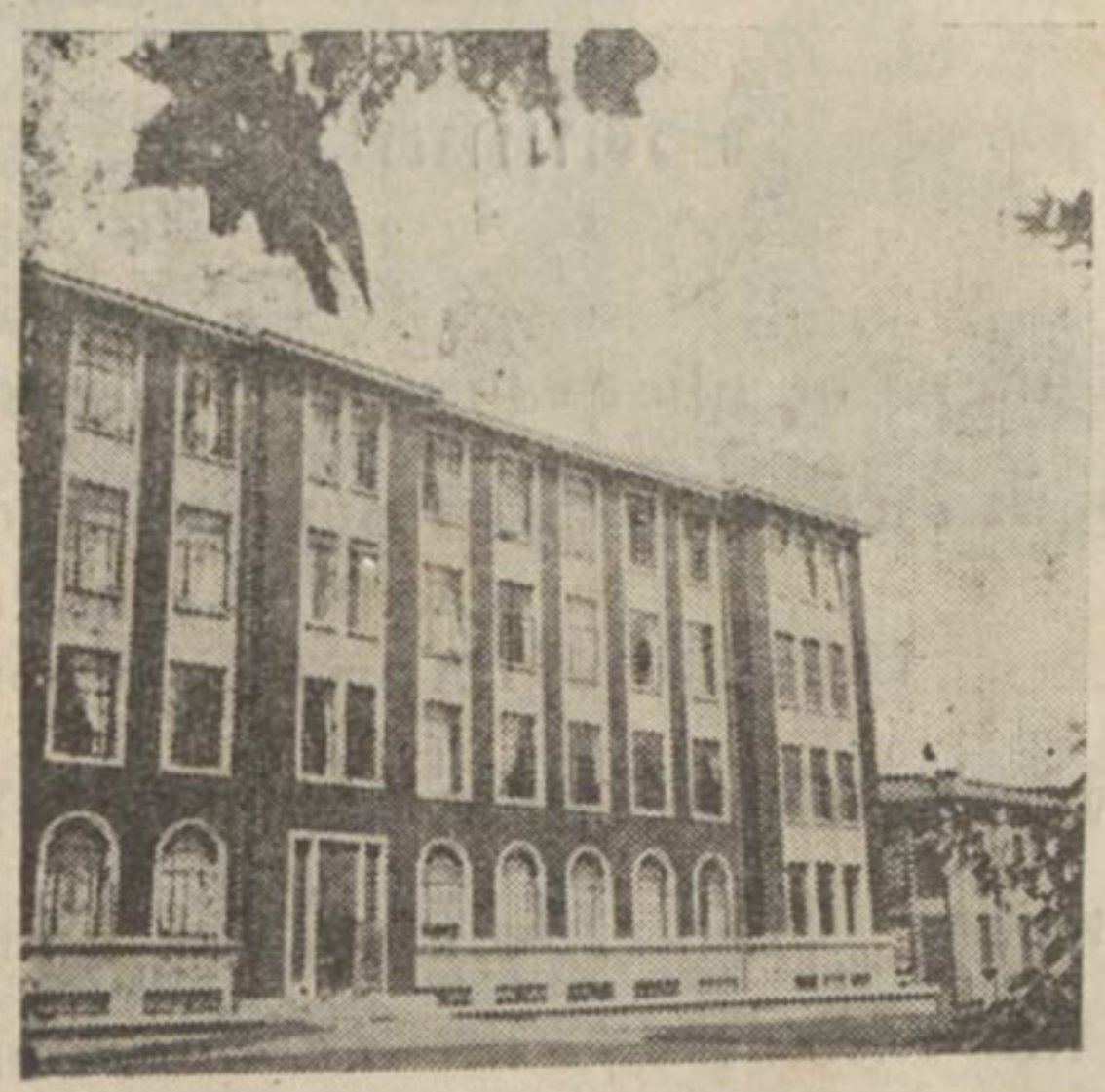
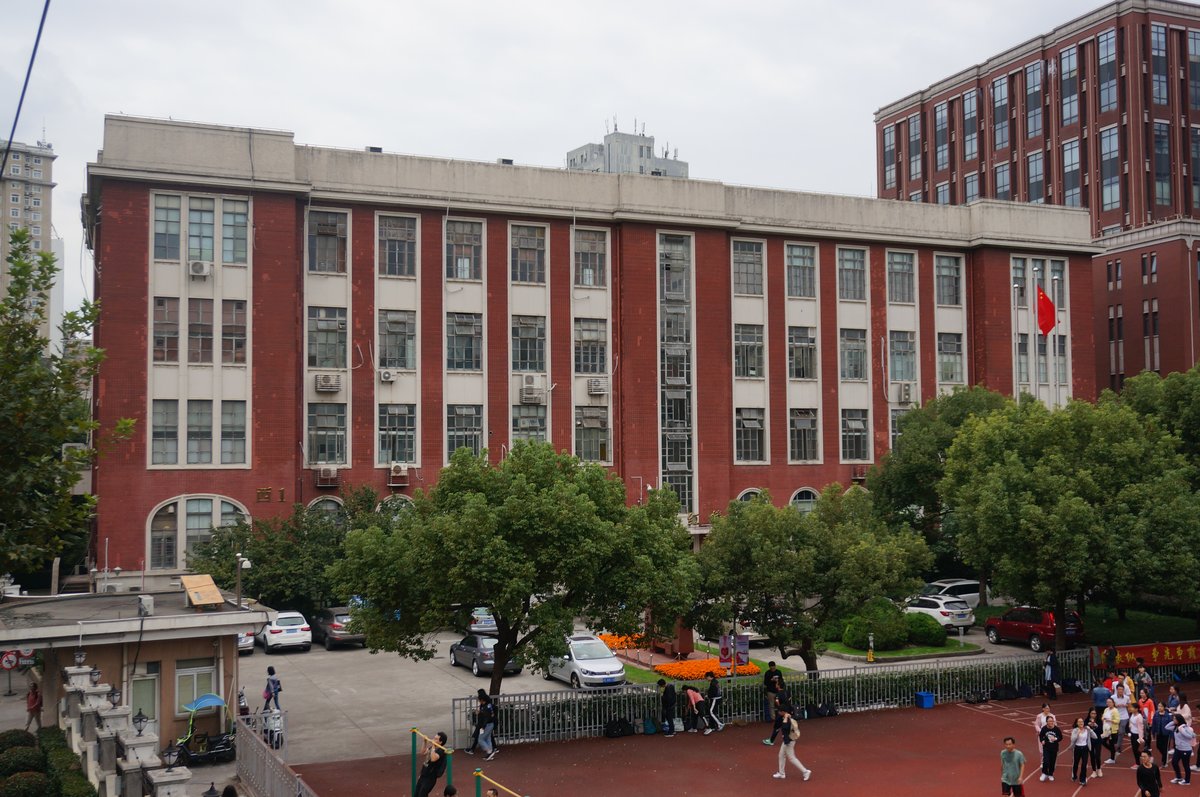
- Aurora College for Women Founded in 1926, this pioneering women’s college, led by American nuns, emphasized holistic development and independence. Its 1939 building at 141 Changle Road, notable for its modernist, cross-shaped architecture, remains a historic landmark.
Wartime Resilience and Postwar Changes (1937–1952)
During the Second Sino-Japanese War and World War II, the university’s campus was occupied and repurposed as a POW camp, yet Aurora managed to sustain limited academic activities. After the war, the university expanded, but the rise of the Communist Party in 1949 led to its closure in 1952. Its medical faculty merged into Shanghai Second Medical College, while other departments were absorbed by Fudan and Jiao Tong universities. Many of its staff continued their educational mission in Taiwan.
Visiting Historical Sites Today
While Aurora University no longer operates, key sites remain accessible:
- Aurora College for Women (141 Changle Road) Now part of Shanghai Xiangming High School. The exterior can be viewed from the street at any time. Interior access is limited to school hours (Monday–Friday, 8:00 AM–5:00 PM) and requires prior permission.
- French Concession Walk the historic streets where Aurora once stood, taking in the colonial-era architecture and ambiance.
- Ruijin Hospital Formerly Guangci Hospital, this institution continues Aurora’s medical legacy.
Practical Info:
- Guided Tours Several local tour operators include Aurora sites within French Concession walking tours.
- Accessibility The area is pedestrian-friendly with convenient public transport. Amenities such as restrooms and cafes are available nearby, though limited at the historic buildings themselves.
Legacy and Notable Alumni
Aurora’s alumni have significantly contributed to Chinese society, particularly in medicine, law, and education. Notable faculty like Qian Zhongshu and strong networks among “Aurorians” have helped sustain its legacy long after closure.
Aurora University’s Cultural Impact and Educational Philosophy
Crossroads of Cultures
Aurora University uniquely blended Chinese traditions with Jesuit and French educational ideals. Its location in the French Concession fostered a cosmopolitan spirit, and its curriculum required proficiency in French, often teaching upper-level courses in French or English. This approach positioned Aurora as a bridge between East and West (Cambridge.org).
Educational Innovations
Aurora’s holistic curriculum combined sciences and humanities, emphasizing intellectual freedom and respect for individual dignity. The medical faculty became a national leader, training hundreds of Chinese doctors and integrating Western and traditional Chinese medical practices (Shine.cn).
Navigating Political and Religious Dynamics
The university managed a delicate balance between its Jesuit roots and the shifting political landscape. By positioning itself as neither overtly missionary nor colonial, Aurora maintained autonomy and drew students from diverse backgrounds. During political upheaval, it increased Chinese faculty leadership and adapted its curriculum to meet national needs (Cambridge.org).
Modern Commemoration
Aurora’s legacy is celebrated in modern Shanghai. The Aurora Museum, designed by Tadao Ando and opened in 2013, serves as a “cultural treasure box” housing ancient Chinese artifacts—reflecting the university’s commitment to cultural exchange (Shine.cn).
Aurora Museum Shanghai: Visitor Information
Location and Hours
- Address 2555 Longwu Road, Pudong, Shanghai (Aurora International Building, Lujiazui)
- Getting There Accessible via metro lines 7 and 16 (Longyang Road Station) and multiple bus routes. Lujiazui Metro Station (Line 2) is closest to the museum.
- Hours Tuesday–Sunday, 9:00 AM–5:00 PM (last entry 4:30 PM). Closed Mondays except public holidays (Trip.com).
Tickets and Accessibility
- Admission Generally free; check website for ticketed exhibitions or special events.
- Booking Online reservations recommended during holidays or for special shows.
- Accessibility Fully wheelchair accessible, with ramps, elevators, and accessible restrooms and parking.
Collections and Exhibitions
The museum’s permanent collection features world-class jade, Buddhist sculptures, ceramics, and porcelain, spanning from the Neolithic Age to the Ming and Qing dynasties. Temporary exhibitions often explore Silk Road artifacts or East–West artistic exchanges (Shanghai Government).
Guided Tours and Programs
- Tours Available in English and Mandarin. Advance booking is advised for group tours.
- Educational Programs Workshops, lectures, and hands-on activities focus on jade carving, calligraphy, and Chinese art.
- Visitor Services Audio guides, child-friendly facilities, and a cloakroom are provided.
Facilities and Practical Tips
- Wi-Fi Free throughout the museum.
- Dining No museum café; nearby Lujiazui offers abundant dining options (e.g., IFC Mall).
- Photography Allowed in most areas (no flash); follow posted signs.
Nearby Attractions
- The Bund Iconic riverside promenade with colonial and modern architecture (China Highlights).
- Oriental Pearl Tower Famous city landmark.
- Shanghai Tower China’s tallest building.
- Yu Garden Historic Chinese garden.
- Shanghai Ocean Aquarium Notable family destination.
Suggested itinerary: Morning at Aurora Museum, lunch in Lujiazui, walk along The Bund, evening at Oriental Pearl Tower.
Essential Cultural Tips for Tourists
Cultural Etiquette
- Dress Modest, smart-casual clothing is recommended, especially in religious or academic settings.
- Behavior Speak quietly, avoid touching artifacts, and follow local customs—remove hats/shoes if requested.
- Photography Ask permission indoors; avoid photographing people without consent.
Language and Communication
- Useful Phrases “Ni hao” (你好, hello), “Xie xie” (谢谢, thank you), “Qing wen” (请问, excuse me).
- Apps Translation and payment apps (WeChat, Alipay) are widely used.
Safety and Local Insights
- Personal Belongings Keep valuables secure, especially in crowded areas.
- Navigation Public transport is efficient; walking is ideal for exploring the French Concession.
- Engagement Show interest in local history and support area businesses.
Frequently Asked Questions
Q: Can I visit the Aurora College for Women building?
A: The exterior at 141 Changle Road is viewable anytime. Interior visits require prior permission and are generally limited to school hours.
Q: What are Aurora Museum’s hours?
A: Tuesday–Sunday, 9:00 AM–5:00 PM; closed Mondays except public holidays.
Q: Are tickets required for Aurora Museum?
A: Admission is typically free. Special exhibitions may require tickets—check the official website.
Q: Is Aurora Museum accessible?
A: Yes, full wheelchair access, ramps, and accessible restrooms.
Q: Are guided tours available?
A: Yes, in Chinese and English. Book in advance for groups.
Q: What is the best time of year to visit Aurora sites?
A: Spring (March–May) and autumn (September–November) offer the best weather for walking tours.
Summary and Key Highlights
Aurora University’s enduring legacy lies in its pioneering role in Western-style education and its vibrant blend of Chinese and global traditions. Its academic and architectural heritage continues in preserved sites within the French Concession and the modern Aurora Museum. Visitors can immerse themselves in Shanghai’s transformation, explore curated collections, and engage with local culture through practical tips on hours, tickets, accessibility, and etiquette. For an up-to-date, comprehensive experience, consult Cambridge.org, Shine.cn, and the Aurora Museum official page.