Introduction
The first time the Bund hits you at dusk, the contrast is almost violent: on your left, the dignified stone façades of 1920s banks and trading houses stand shoulder to shoulder like old European uncles; on your right, across the Huangpu, Pudong’s glass-and-steel towers flare neon pink and acid green against a sky the color of wet ink. This is Shanghai, People’s Republic of China — a city that refuses to choose between its past and its future, so it simply performs both at once, every single night.
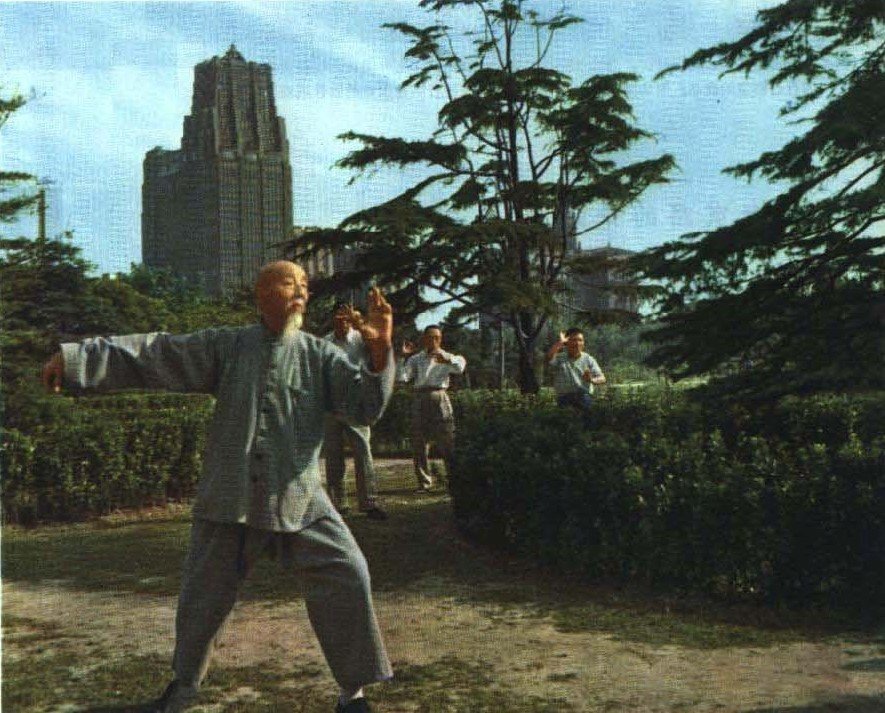
Walk ten minutes inland and the roar of the river gives way to the click of mahjong tiles behind courtyard walls, the hiss of steam baskets lifting xiaolongbao at 7 a.m., and the faint metallic tang of old Shikumen lane houses where laundry still flutters like prayer flags. The city’s genius lies in these collisions: a 1927 Art Deco apartment building might now house a Scandinavian roastery on the ground floor while grandmothers practice tai chi on the roof at sunrise. Nothing is purely one thing here.
That layered quality makes Shanghai addictive for anyone who likes to read cities like novels. You can spend a morning inside the hushed bronzes of the Shanghai Museum on People’s Square, then emerge into the controlled chaos of Yunnan Road smelling of fried scallions and pork chops. The same afternoon you can lose yourself in the former French Concession’s plane-tree shade and still make it to a 320-meter 360-degree viewpoint that opened only last year. The city never stops updating its own story.
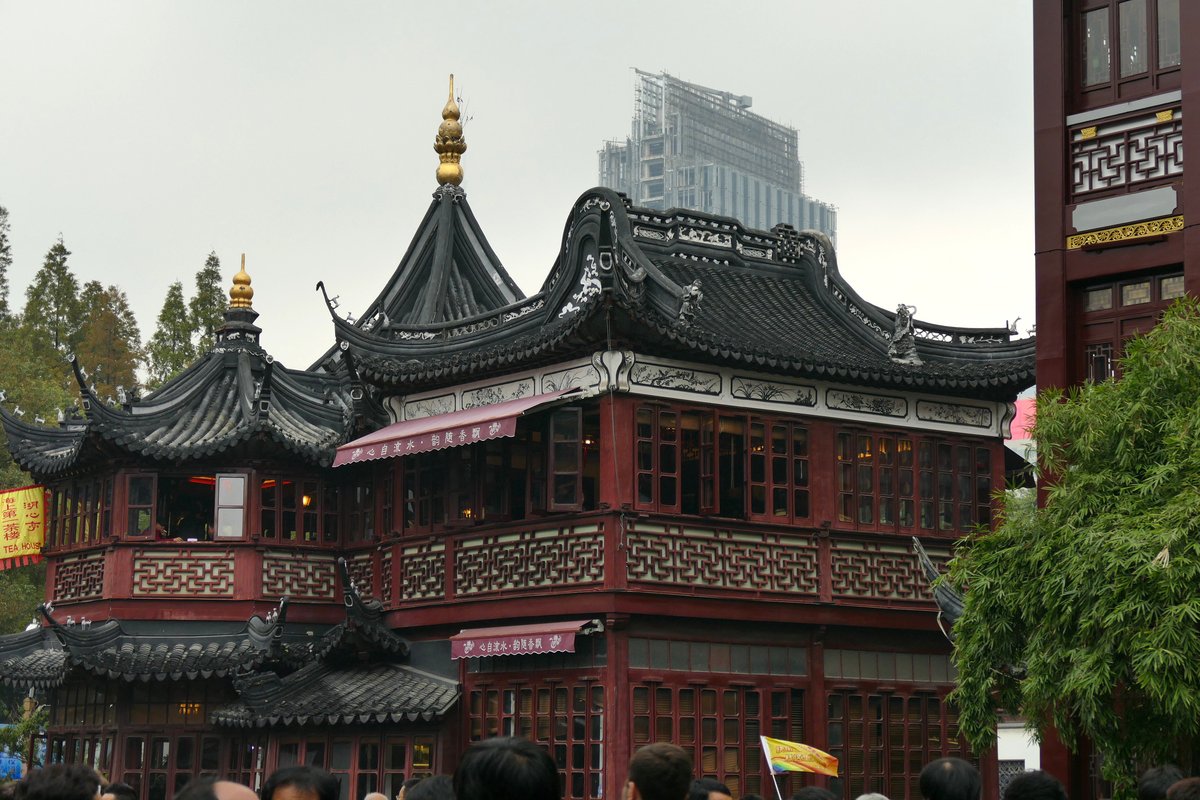
Yet for all the headlines about supertalls and skylines, the Shanghai that stays with you is smaller and quieter: the particular echo of your footsteps in a 1930s lilong alley at twilight, the smell of hairy crab drifting from a tiny restaurant in autumn, the way light falls through the lattice windows of Yuyuan Garden exactly as it did four centuries ago. This is a city that has been many things — treaty port, revolutionary crucible, manufacturing capital, financial powerhouse — and has kept the best fragments of every version.
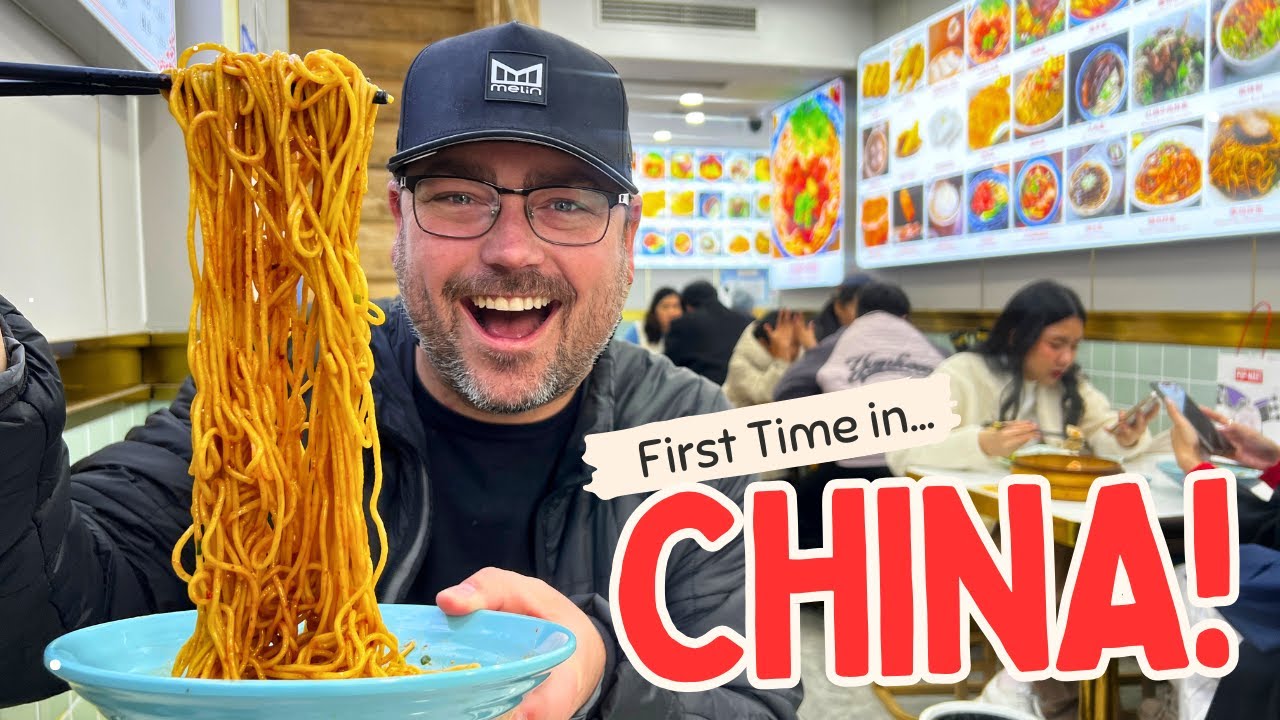
Americans Try Chinese Food in SHANGHAI🇨🇳
Here's GoodPlaces to Visit
The Most Interesting Places in Shanghai
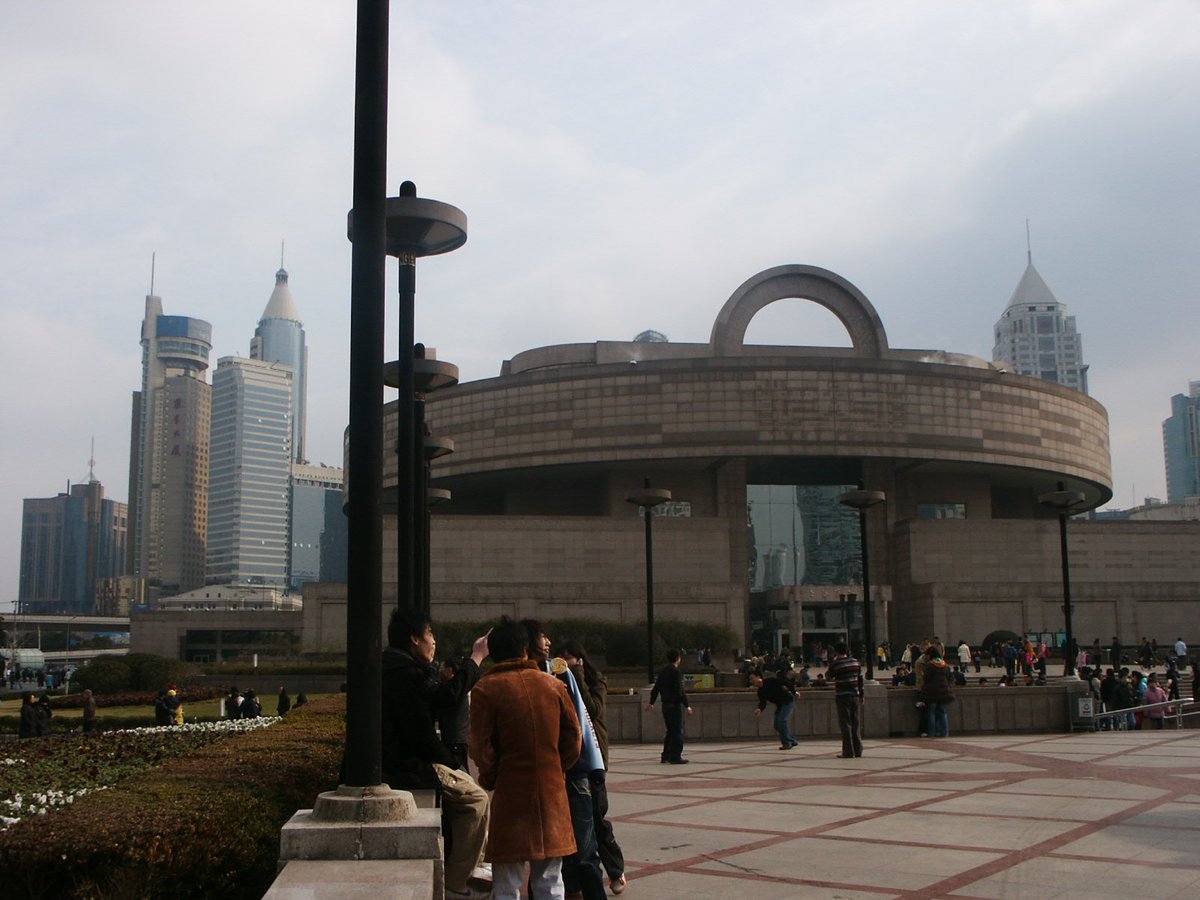
Shanghai Museum
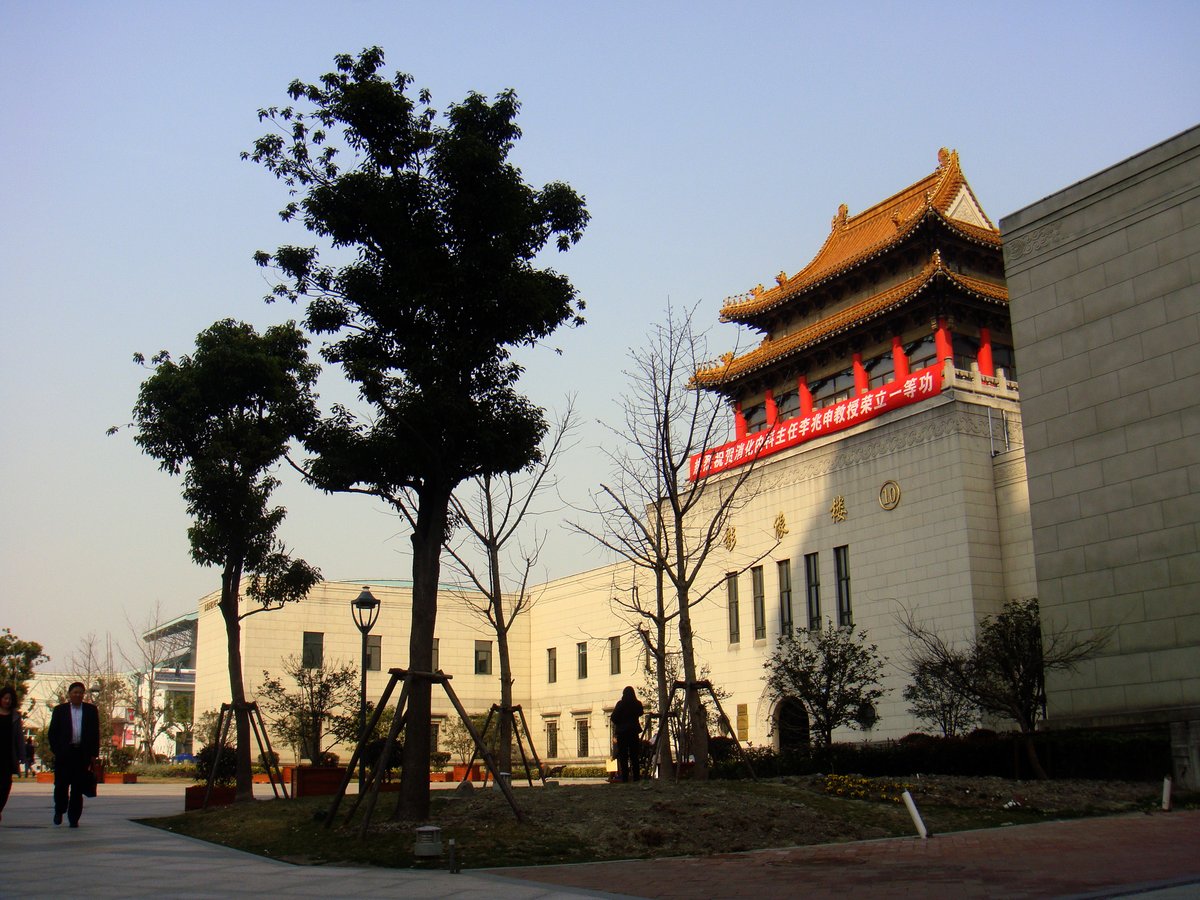
西藏南路 (South Xizang Road) is a historically rich and culturally vibrant thoroughfare located in Shanghai's Huangpu District.
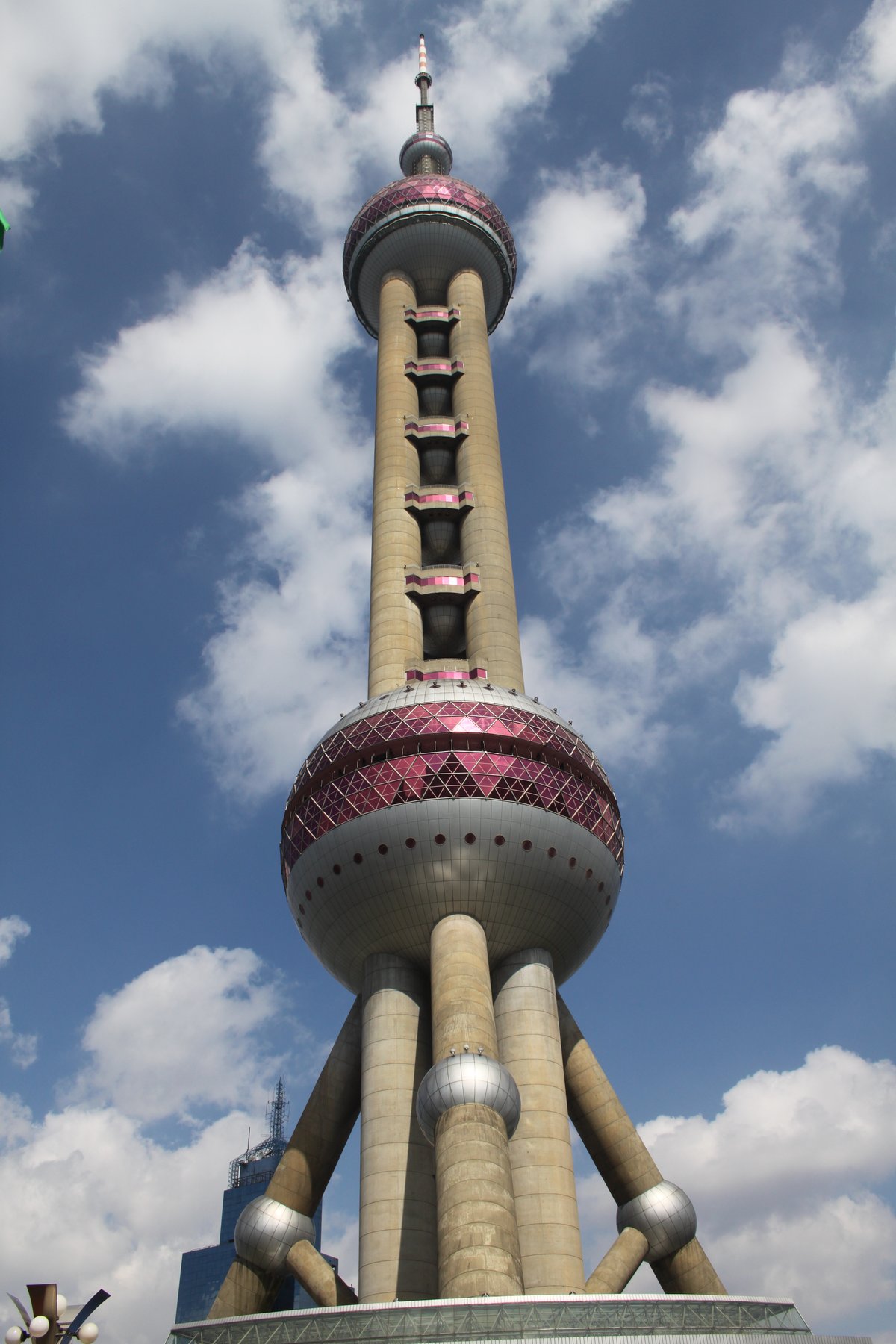
Oriental Pearl Tower
The Oriental Pearl Tower (东方明珠广播电视塔) stands as one of Shanghai’s most distinctive and celebrated landmarks, symbolizing the city’s harmonious blend of…
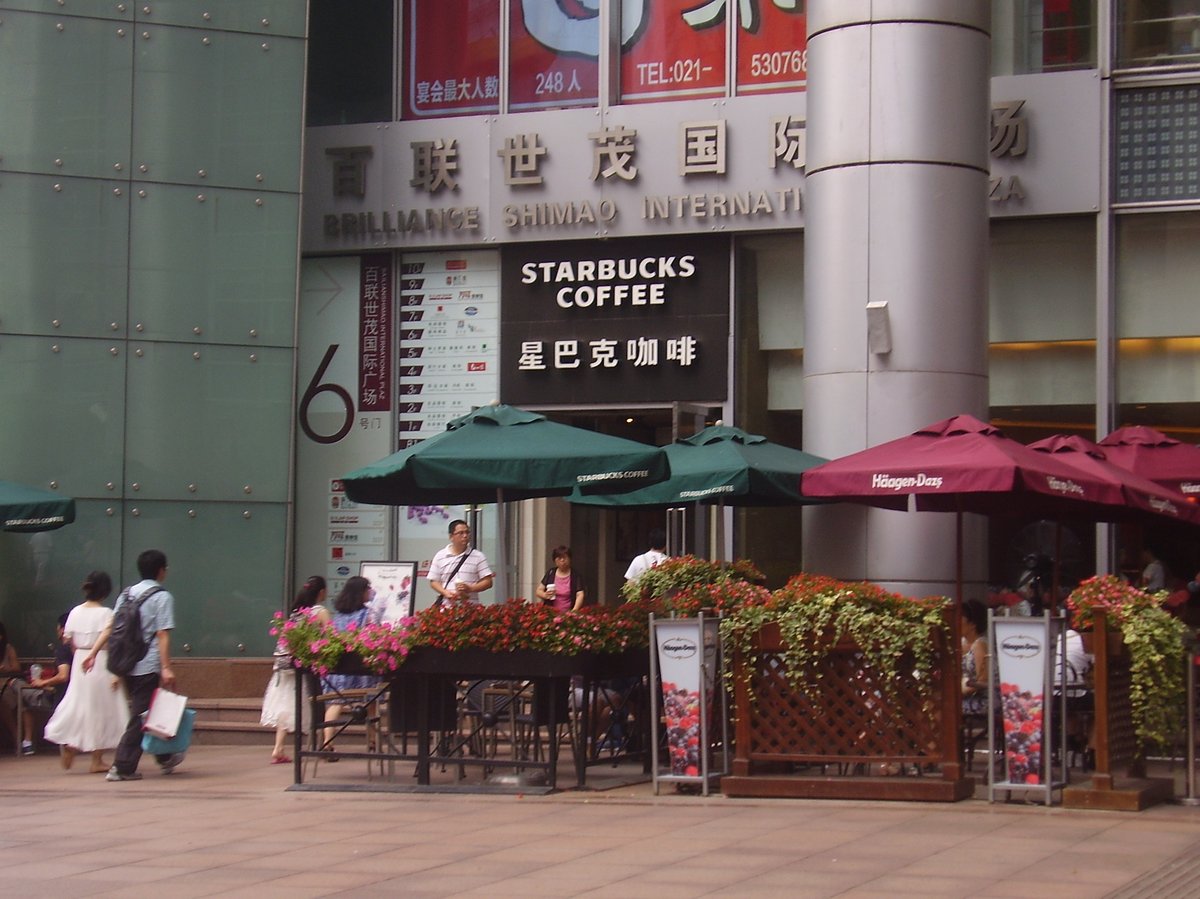
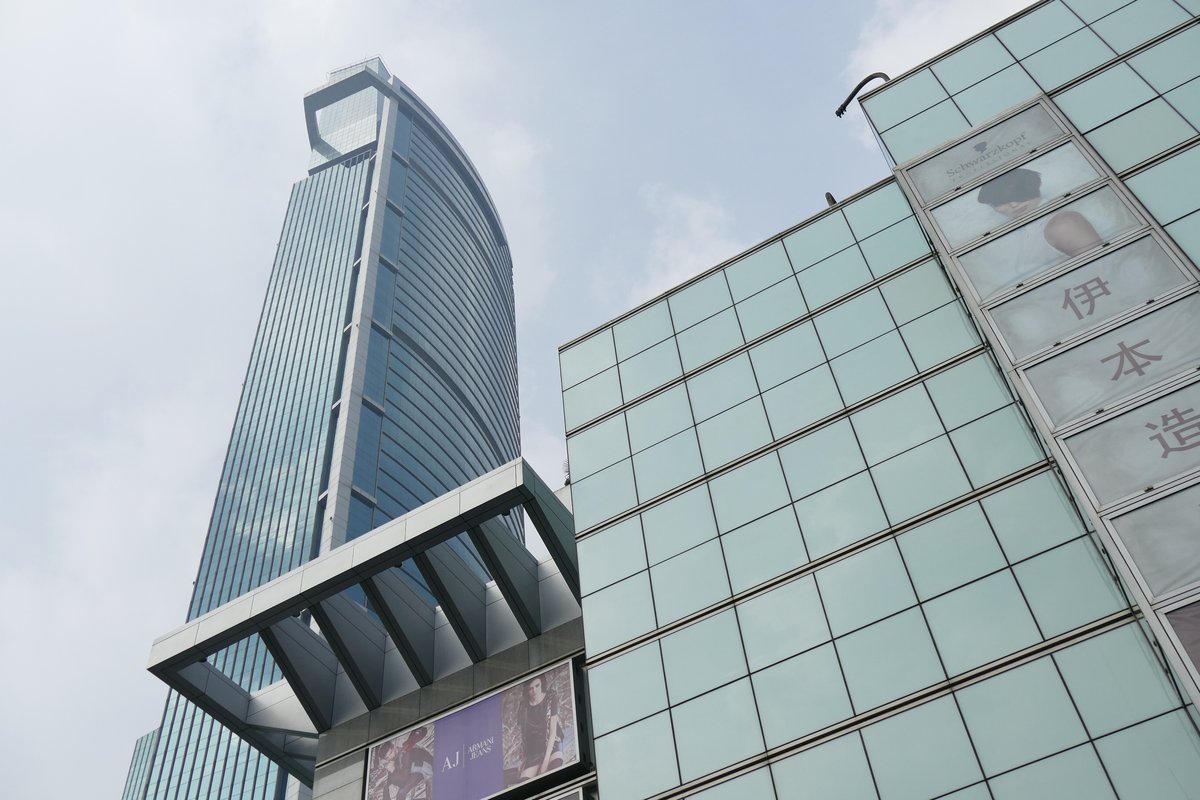
Shimao International Plaza
Shimao International Plaza stands as one of Shanghai’s most iconic skyscrapers, symbolizing the city’s rapid modernization and its status as a global…
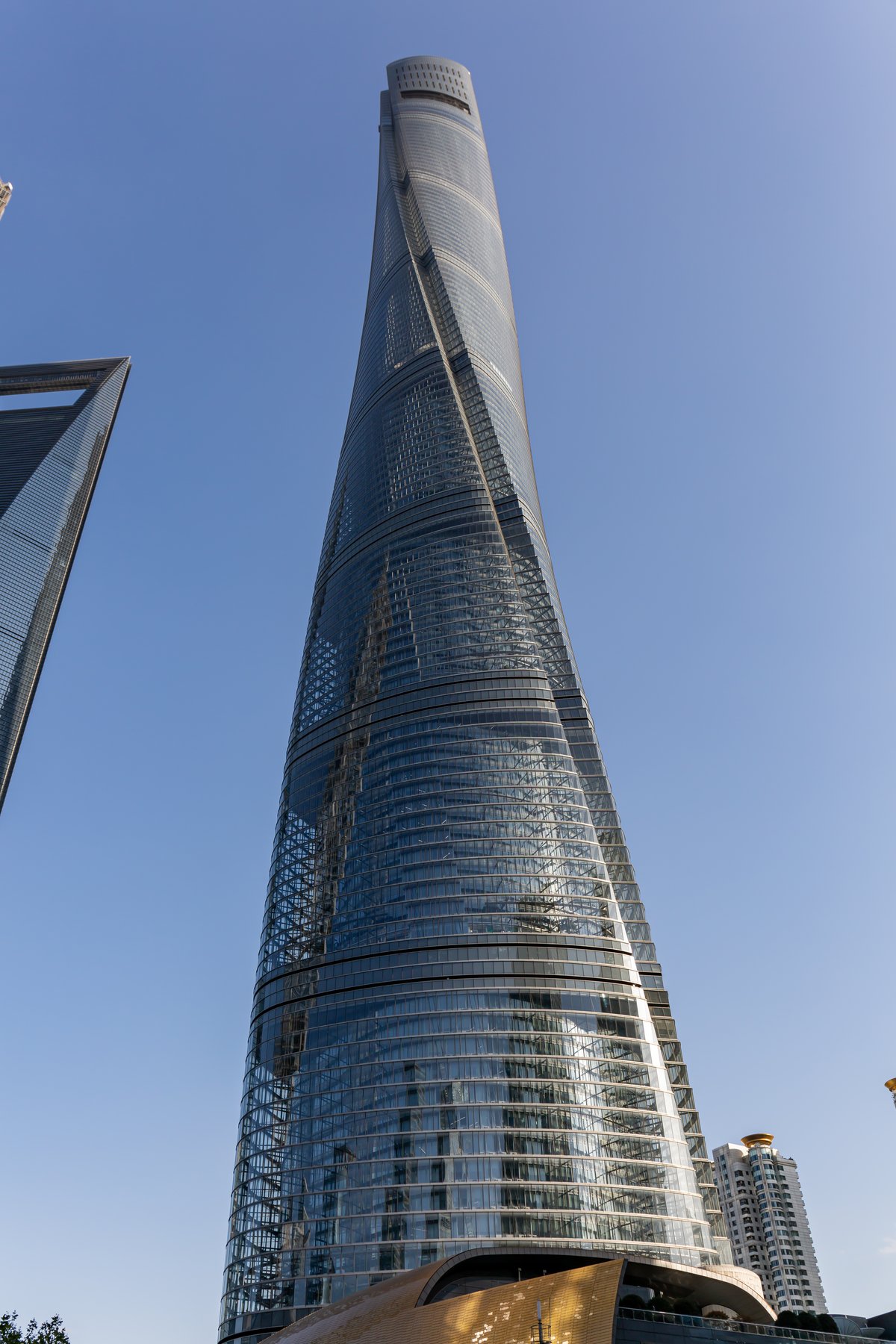
Shanghai Tower
The Renmin Road Tunnel, also known as the People's Road Tunnel, is an extraordinary feat of engineering and a vital piece of Shanghai's infrastructure.
Shanghai Disneyland Park
Shanghai Disneyland Park, located in the Pudong District of Shanghai, People's Republic of China, represents a landmark fusion of Disney magic with Chinese…
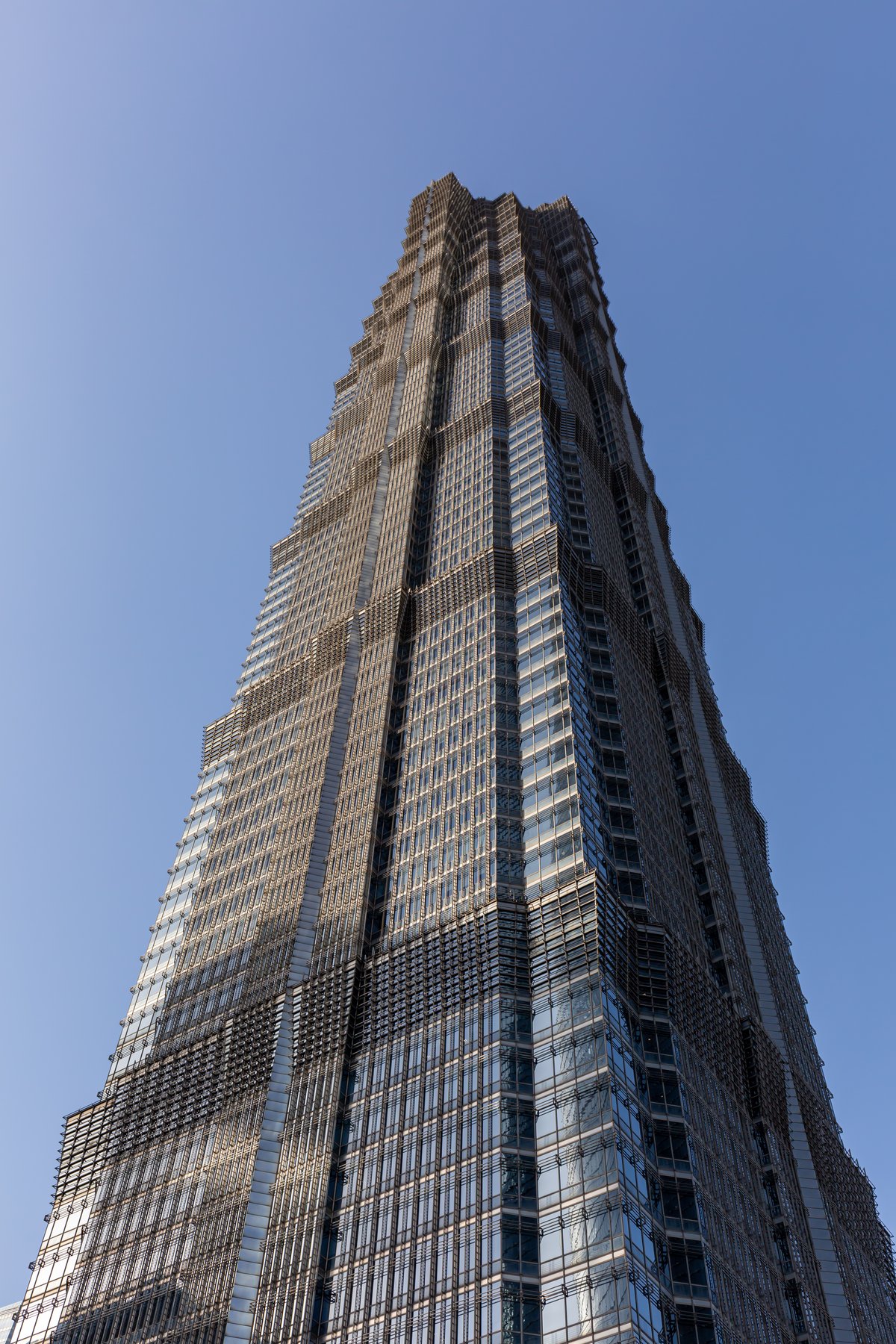
Jin Mao Tower
The Jin Mao Tower, a landmark of modern architecture and a cultural icon in Shanghai, China, is an impressive skyscraper that symbolizes the city's rapid…
People'S Square
People’s Square in Shanghai stands as an iconic symbol of the city’s rich history, cultural evolution, and modern urban vitality.
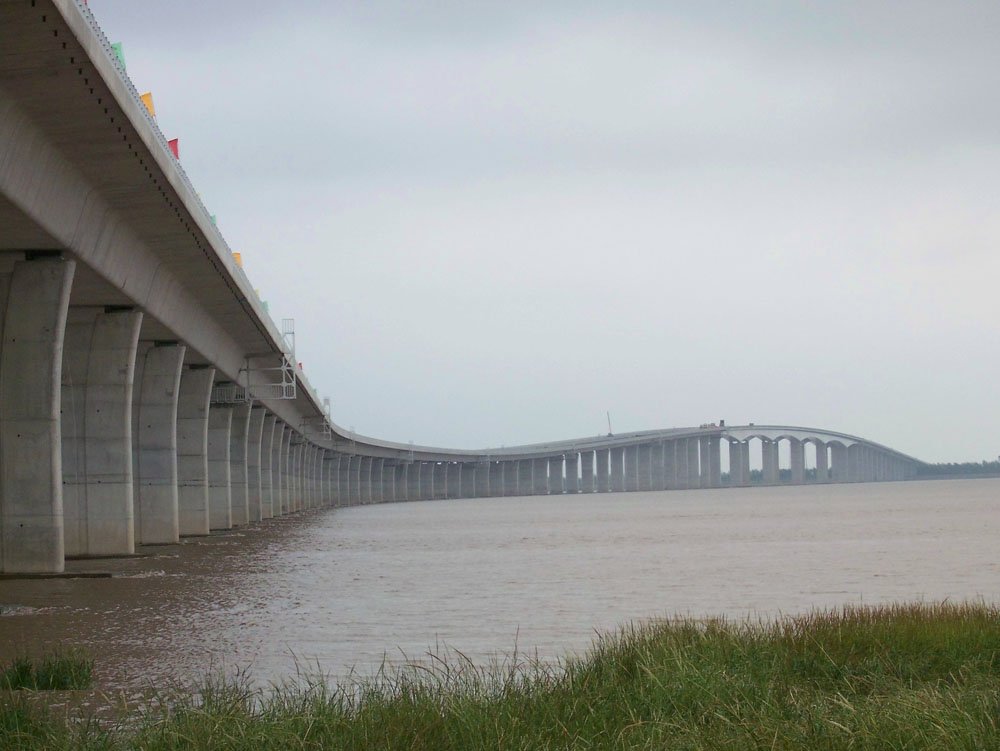
Donghai Bridge
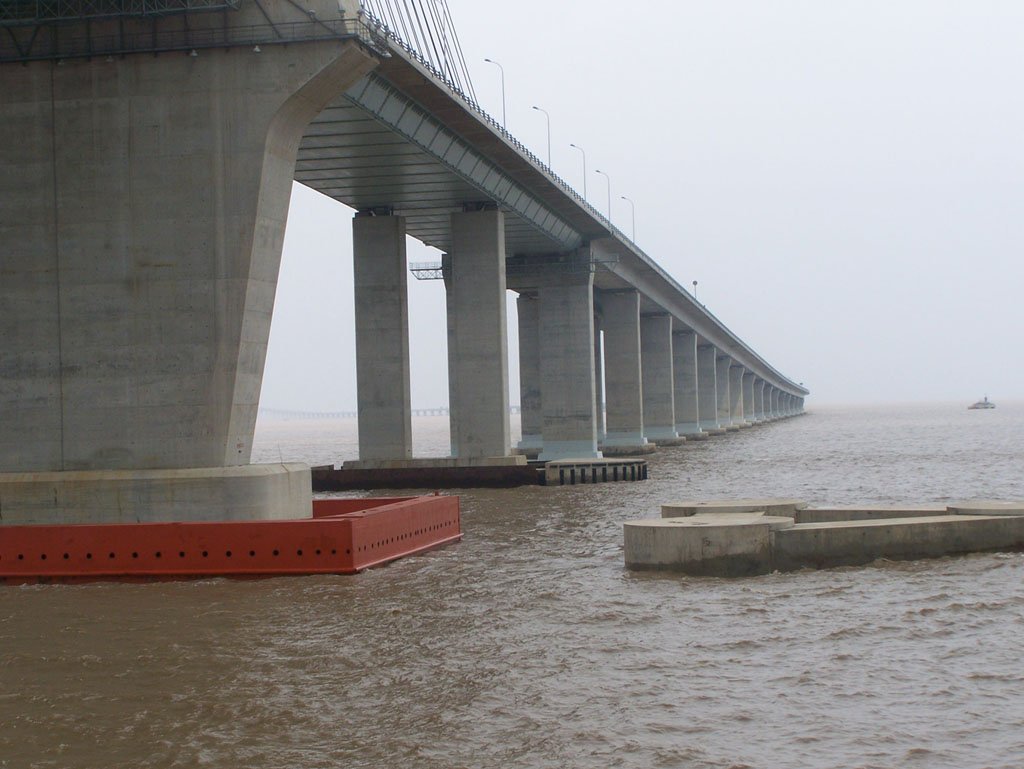
Spanning an impressive 32.5 kilometers across Hangzhou Bay, the Donghai Bridge (东海大桥) stands as one of the world’s longest sea-crossing bridges, symbolizing…
Shanghai Yangtze River Tunnel and Bridge
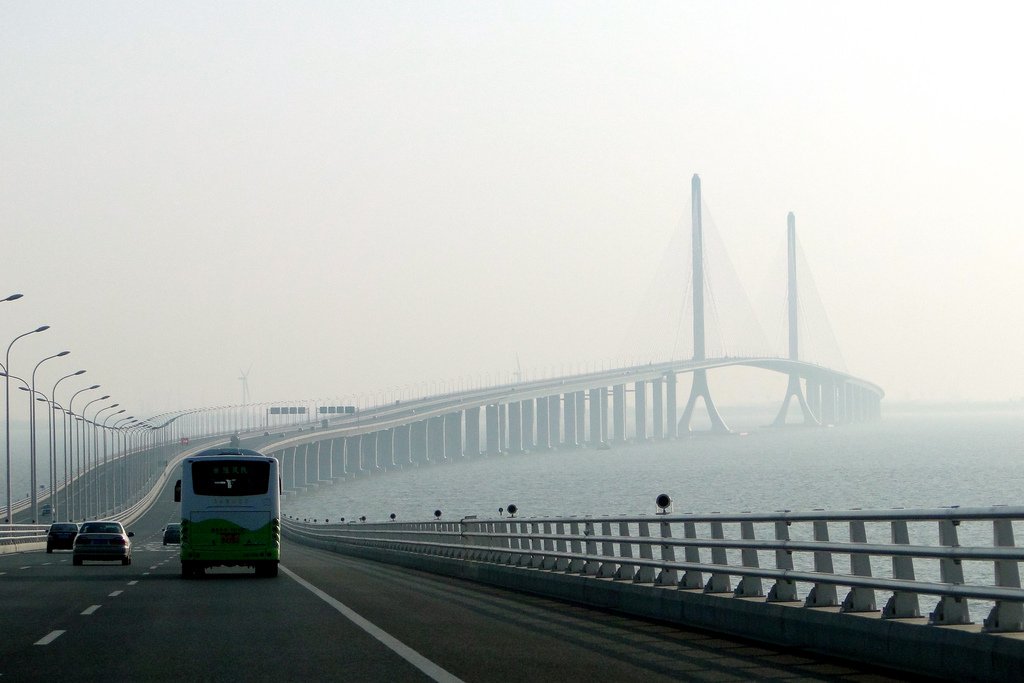
The Shanghai Yangtze River Tunnel and Bridge represents a landmark achievement in modern civil engineering and urban development, serving as a crucial…
Sheshan Basilica
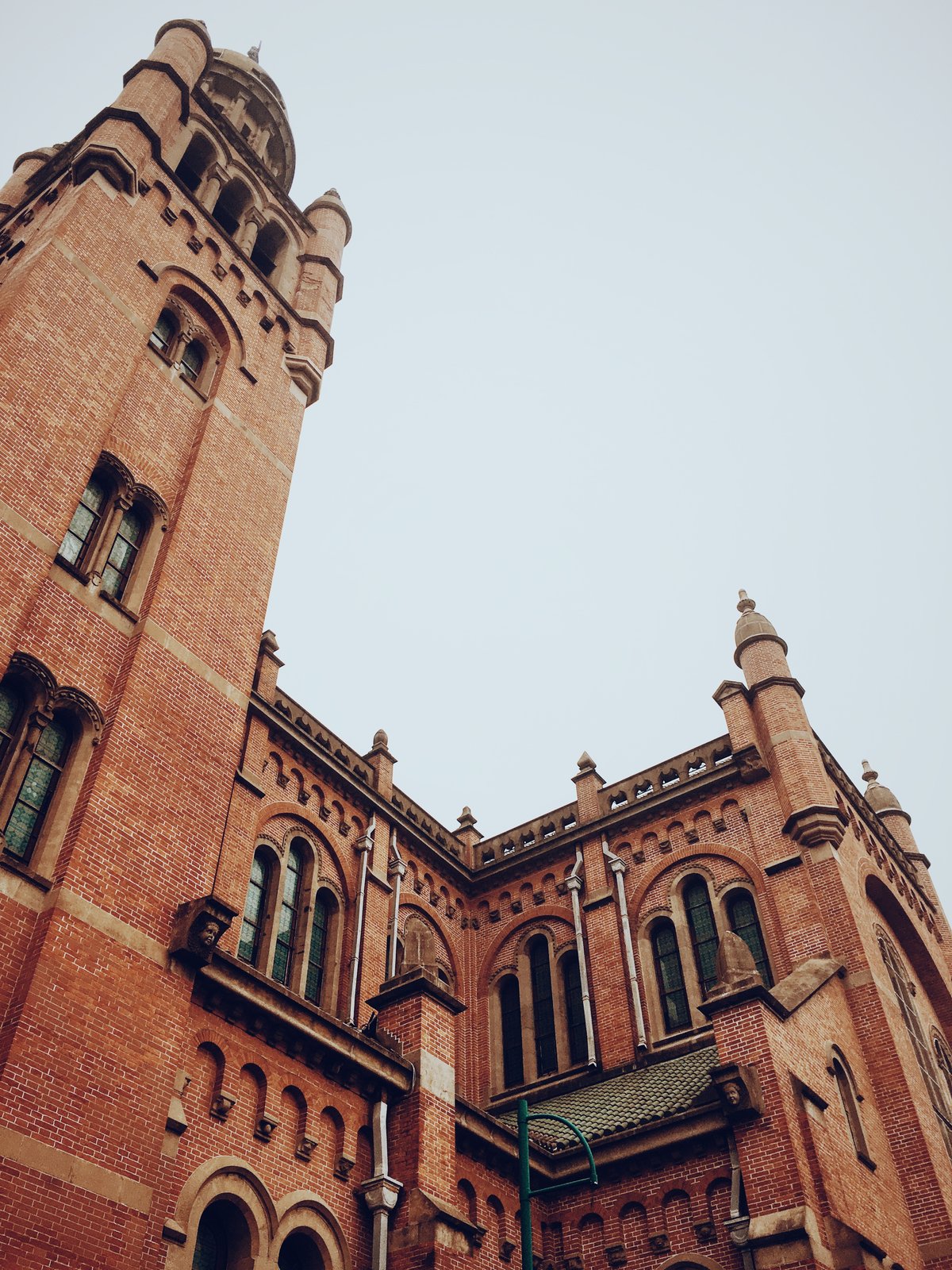
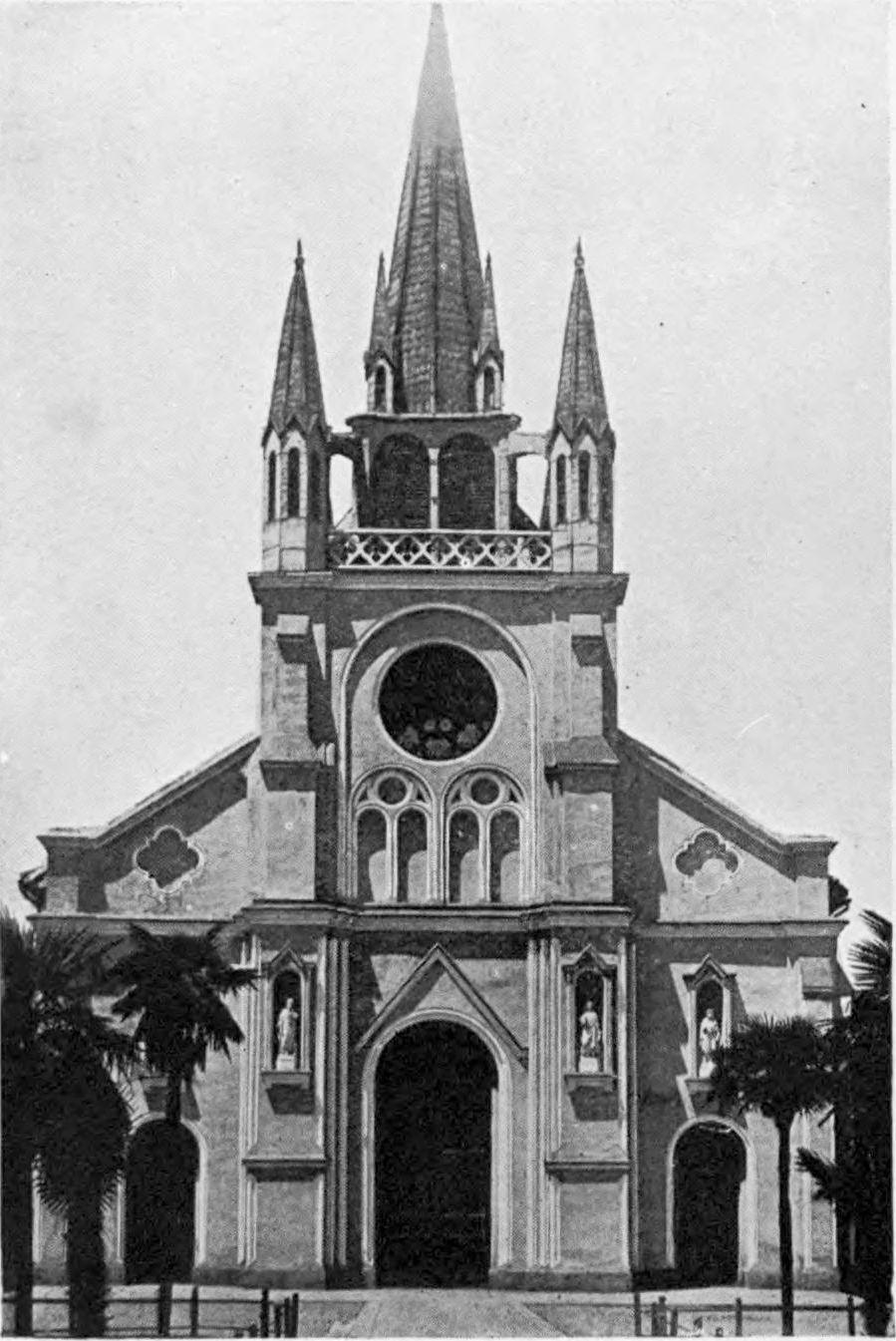
Nestled atop West Sheshan Hill in Shanghai’s Songjiang District, the Sheshan Basilica, officially the Basilica of Our Lady Help of Christians, stands as a…
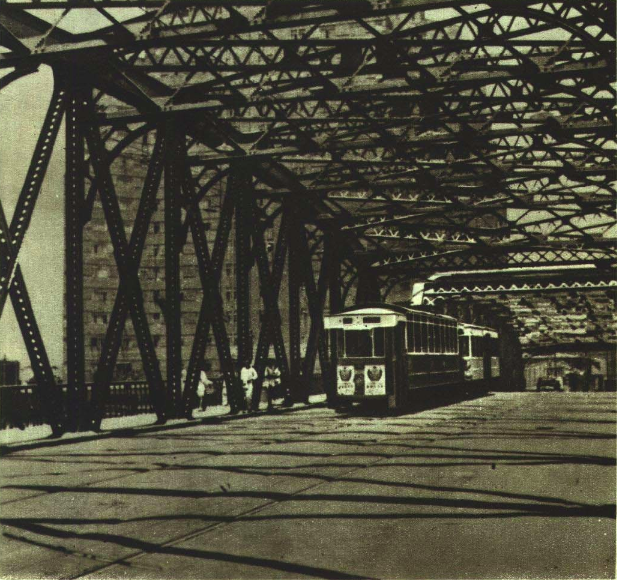
Lupu Bridge
Lupu Bridge (卢浦大桥), spanning the Huangpu River and linking Shanghai’s historic Puxi district with the modern Pudong area, stands as a monumental icon of…
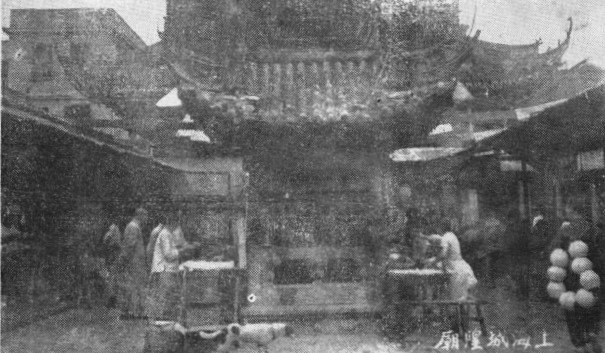
City God Temple of Shanghai
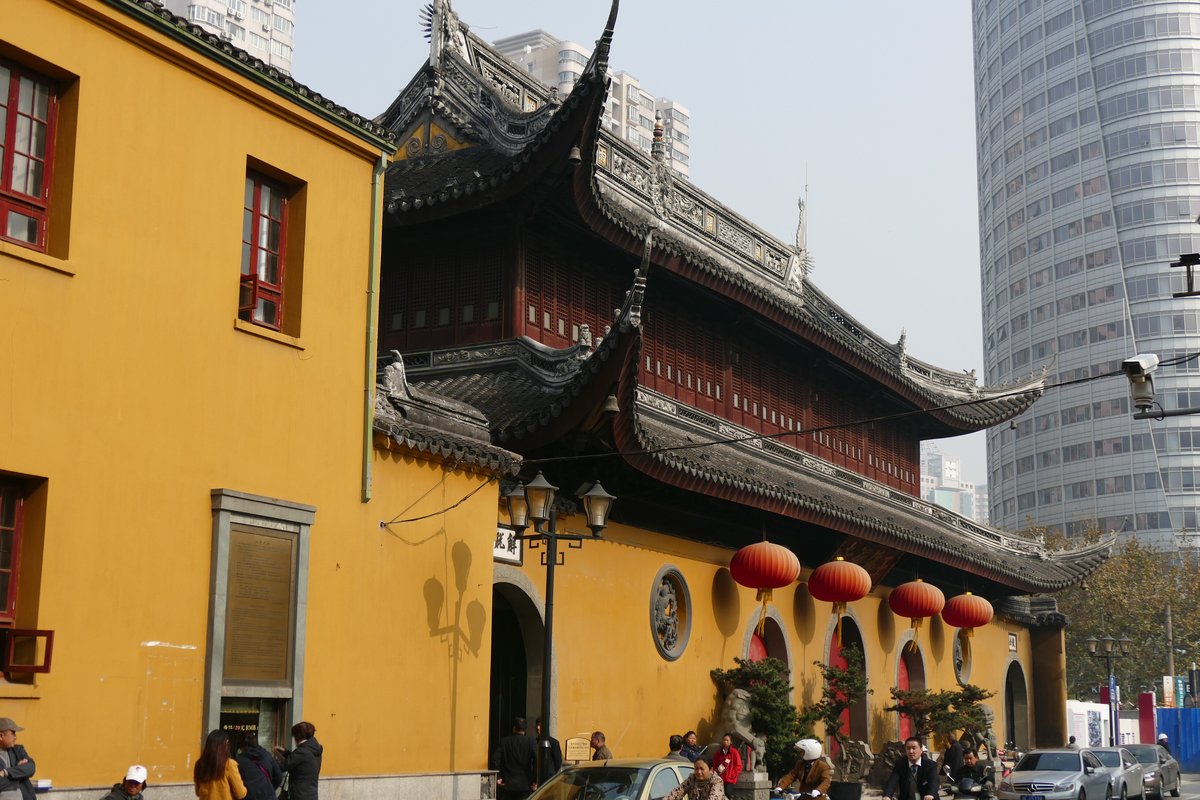
The City God Temple of Shanghai, known locally as Chenghuang Miao (城隍庙), stands as one of the city’s most treasured historical and cultural landmarks.
What Makes This City Special
The Bund at Dusk
Stand on the 1.5 km promenade as the colonial facades behind you light up and Pudong’s supertalls ignite across the Huangpu. The contrast between 1920s neoclassical grandeur and 21st-century glass towers is sharper here than anywhere else in the world.
Layered Museums
Shanghai Museum on People’s Square still holds the finest bronzes and calligraphy in the country, while the new Shanghai Museum East (opened 2024) gives them breathing room. Add the distinctive China Art Museum inside the former Expo 2010 pavilion and the reopened Science and Technology Museum (Feb 2026) and you have four world-class institutions that quietly outpace most capitals.
Concession-Era Texture
Wander Wukang Road, Shanyin Road and the Rockbund at dawn and you’ll pass Art Deco lane houses, Shikumen gates and 1930s villas still lived in by locals. These pockets of Republican-era Shanghai feel more intimate and layered than the polished Bund.
Unexpected Green Escapes
Century Park became a 24-hour unfenced public space in 2024 and the 24 km Pudong Riverfront Greenway offers shaded cycling paths with rest stations every kilometre. Even on humid August days these corridors give the city breathing room most visitors never discover.
Historical Timeline
From Marsh Village to Global Megacity
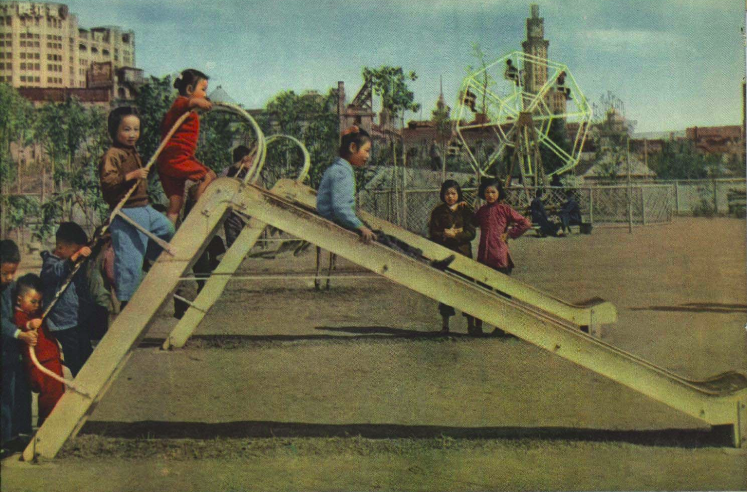
Six thousand years of transformation on the Huangpu
Songze Settlement Emerges
The earliest known ancestors of Shanghai built houses, dug wells, and planted rice along the marshy delta. The Songze site preserves the city's oldest human remains, pottery, and evidence of settled agriculture. What began as scattered fishing hamlets in a wetland would one day become one of Earth's largest urban centers.
Huating County Established
Under the Tang dynasty, officials carved Huating County out of the vast wetlands. This marked the first formal administrative recognition of the Shanghai region. The name "Shen" or "Hu" still lingered in local speech, a reminder that the city had not yet earned its own identity.
Shanghai Becomes a Market Town
The Song court elevated the fishing settlement to market-town status. A customs office soon followed, collecting duties on the growing river trade. The smell of salt, fish, and cotton began to define the air along the Huangpu.
Shanghai County Founded
The Yuan dynasty formally created Shanghai County, the clearest administrative birth of the city. By now the port shipped cotton textiles across the empire. The name "Shanghai" (literally "upon the sea") finally stuck.
City Wall Rises Against Pirates
Frightened by repeated wokou raids, residents built a 4.5-kilometer-long, 8-meter-high brick wall with six land gates and three water gates. The wall enclosed the old Chinese city for nearly 360 years, defining its shape until the Republican era tore most of it down.
Pan Yunduan Builds Yuyuan
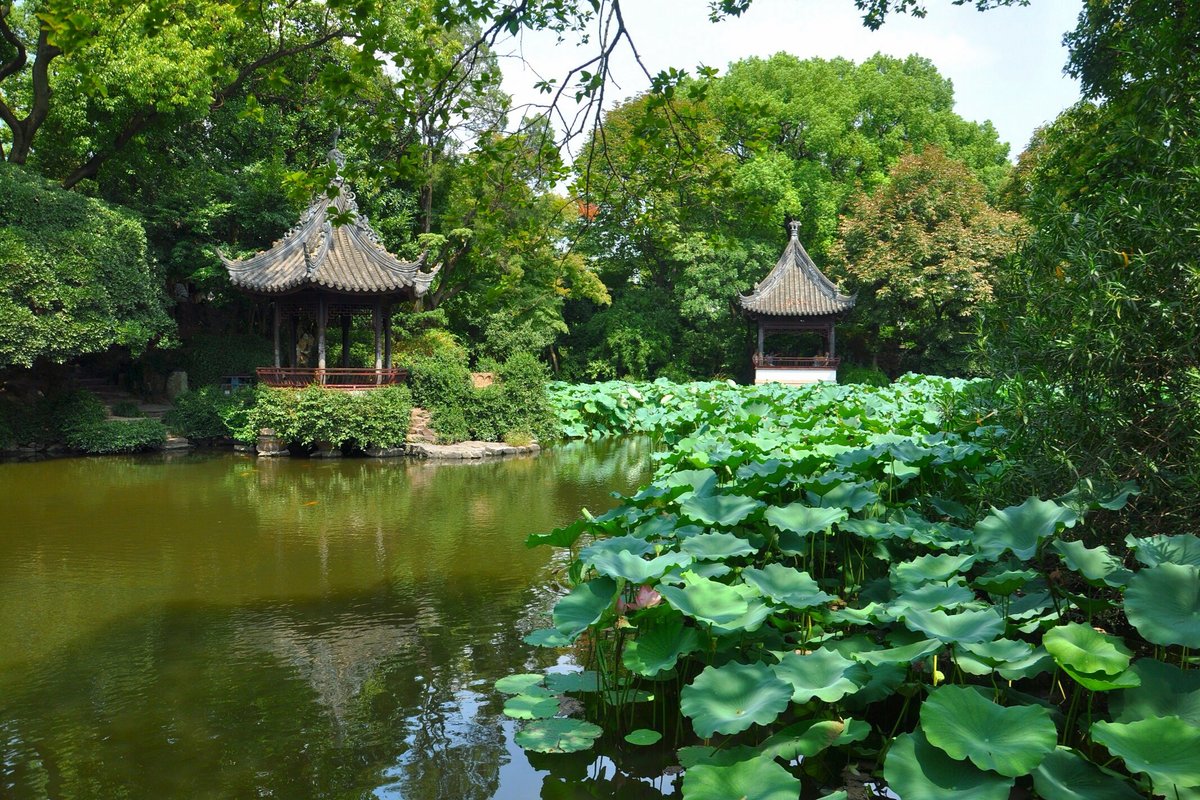
Ming official Pan Yunduan began constructing the classical garden that would become Yuyuan. Rocks, pavilions, and ponds were arranged over decades to create a private scholar's paradise in the heart of the bustling cotton town. Today it remains the most visited fragment of Ming Shanghai.
Treaty of Nanjing Opens Shanghai
After defeat in the First Opium War, the Qing were forced to open Shanghai as a treaty port. The city that had been a modest county seat suddenly stood on the threshold of global transformation. Foreign gunboats anchored where fishing junks once dominated.
British Concession Founded
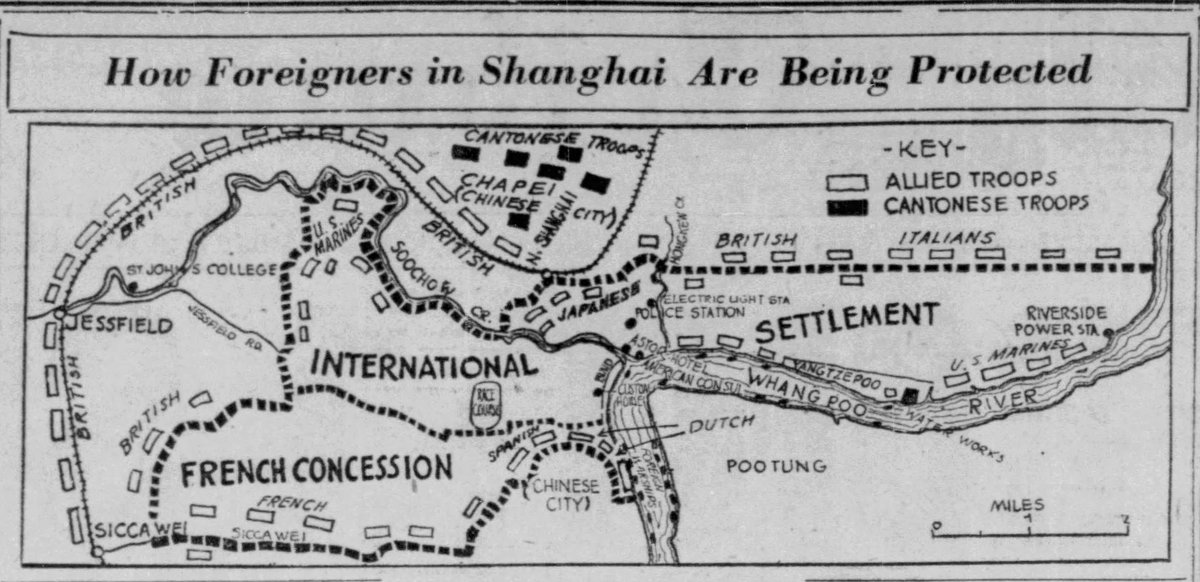
The British established their concession along the Bund. Within years the Americans and French followed, creating a patchwork of extraterritorial zones. These parallel cities would shape Shanghai's unique hybrid character for the next century.
Small Swords Occupy Old City
The Small Swords Society, allied with the Taiping rebels, seized the walled Chinese city. Refugees flooded into the foreign concessions for safety, accelerating their growth. The old city walls witnessed fierce fighting before Qing forces retook the district in 1855.
Jiangnan Arsenal Launched
China's first modern industrial complex began producing ships, guns, and machinery on the Huangpu. The arsenal marked Shanghai's shift from cotton port to industrial powerhouse and laid groundwork for later scientific and military development.
Liu Haisu Founds Art School
Painter Liu Haisu established the Shanghai School of Fine Arts, one of China's first modern art academies. He shocked conservative society by introducing live models and Western techniques, helping birth a distinctly Shanghai modernist aesthetic.
Birth of the Chinese Communist Party
Thirteen delegates, including a young Mao Zedong, met secretly in a shikumen house on Rue Wantz. The First National Congress of the CPC was forced to finish on a boat in nearby Jiaxing after police suspicion. The decision made in that humid Shanghai summer would reshape the 20th century.
May Thirtieth Movement Erupts
British police fired on Chinese demonstrators outside a Japanese mill, killing thirteen. The massacre ignited nationwide protests and boycotts. Shanghai's foreign concessions suddenly felt the full weight of Chinese nationalist anger.
Lu Xun Arrives in Shanghai
China's greatest modern writer settled in the city in 1927 and lived here until his death in 1936. From his modest apartment he produced biting essays that skewered both Nationalists and leftists while chronicling the contradictions of treaty-port life.
Chiang's Shanghai Massacre
On April 12, Chiang Kai-shek's forces and Green Gang allies slaughtered thousands of communist workers and unionists. The purge shattered the First United Front and turned Shanghai's streets red. The city would never be the same.
Eileen Chang's Shanghai Childhood
Born into a declining aristocratic family, the teenage Eileen Chang absorbed the city's glamour and decay. The contradictions she witnessed in 1930s Shanghai would later fuel her masterpieces of modern Chinese literature, capturing a world on the edge of catastrophe.
January 28 Incident
Japanese forces attacked Shanghai in what became a brutal preview of total war. The 19th Route Army resisted fiercely for over a month. Civilian districts were reduced to rubble, foreshadowing the greater horror that would come in 1937.
Battle of Shanghai
For three horrific months, Chinese and Japanese forces fought through the city's streets and suburbs. Over 250,000 Chinese soldiers died. The heroic defense of Sihang Warehouse by 420 men became a national legend as the city burned around them.
Jewish Refugees Reach Shanghai
As Europe closed its doors, roughly 18,000-20,000 Jewish refugees found sanctuary in Japanese-occupied Shanghai. The city became one of the only places on Earth that would accept them without visas. In the Hongkou district, they rebuilt fragments of European life amid wartime chaos.
Liberation of Shanghai
The People's Liberation Army entered the city on May 27 after a carefully managed campaign that spared the urban core. The last foreign gunboats slipped down the Huangpu. A new chapter began as the treaty-port era finally ended.
Pudong Development Announced
Deng Xiaoping's decision to develop the muddy farmland across the Huangpu transformed Shanghai's destiny. Within a decade, rice paddies became a forest of supertalls. The Oriental Pearl Tower would soon rise as the symbol of this new ambition.
Oriental Pearl Tower Opens
At 468 meters, the Oriental Pearl became the tallest structure in Asia. Its glittering spheres and neon silhouette instantly redefined Shanghai's skyline. The contrast with the colonial Bund across the river was exactly what the new Shanghai wanted the world to see.
Shanghai World Expo
The city hosted the largest and most attended World Expo in history, drawing 73 million visitors. The theme "Better City, Better Life" reflected Shanghai's own journey from treaty port to global metropolis. The massive pavilions on both sides of the Huangpu celebrated China's return to the world stage.
Shanghai Tower Completed
At 632 meters with 127 floors, the Shanghai Tower became China's tallest building. Its twisting form and green technologies announced that the city was no longer merely catching up with the West but defining a new Asian urban future.
Notable Figures
Eileen Chang
1920–1995 · WriterEileen Chang turned 1930s and 1940s Shanghai into literary myth. She wrote Love in a Fallen City and Lust, Caution in the city’s crowded lanes and decaying mansions. Walking the old French Concession today, you still feel the atmospheric tension she captured so precisely.
Lu Xun
1881–1936 · WriterLu Xun moved to Shanghai in 1927 and became the sharpest voice of modern Chinese literature. He wrote his most biting satires while living in the city’s foreign concessions. His former residence in Hongkou remains a quiet sanctuary amid the surrounding development.
Yao Ming
born 1980 · Basketball playerYao Ming first learned to play basketball in Shanghai’s Xuhui District and starred for the Shanghai Sharks before becoming an NBA superstar. Locals still speak of him as the gentle giant who put Chinese basketball on the world map. The city feels proud every time his name appears.
László Hudec
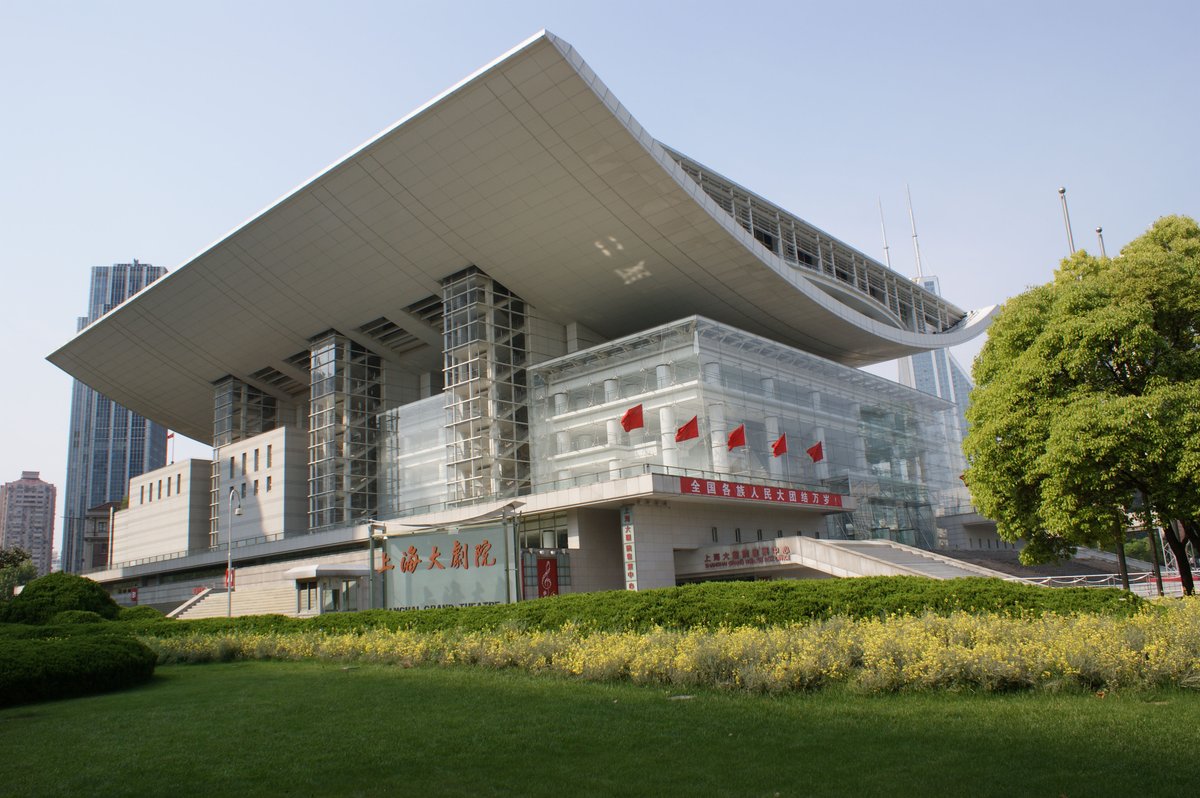
1893–1958 · ArchitectHungarian architect László Hudec designed some of Shanghai’s most distinctive pre-war buildings, including the Park Hotel and Grand Theatre. His blend of Art Deco and local sensibility still defines parts of the skyline. Walk Nanjing Road and you are literally surrounded by his legacy.
Plan your visit
Practical guides for Shanghai — pick the format that matches your trip.
Shanghai Money-Saving Passes & Cards
Should you buy a Shanghai pass? Usually only for heavy metro use or a maglev day. Compare Shanghai transport cards, bundles, prices, and honest break-even math.
Shanghai First-Timer Tips: Hacks a Local Would Tell a Friend
Shanghai first-timer guide by a local: queue hacks for Shanghai Tower & Jin Mao, Pudong Airport taxi scams to avoid, Alipay setup, and the tea ceremony trap.
Photo Gallery
Explore Shanghai in Pictures
The historic buildings of The Bund in Shanghai, People's Republic of China, are beautifully illuminated against the night sky.
JC Terry on Pexels · Pexels License
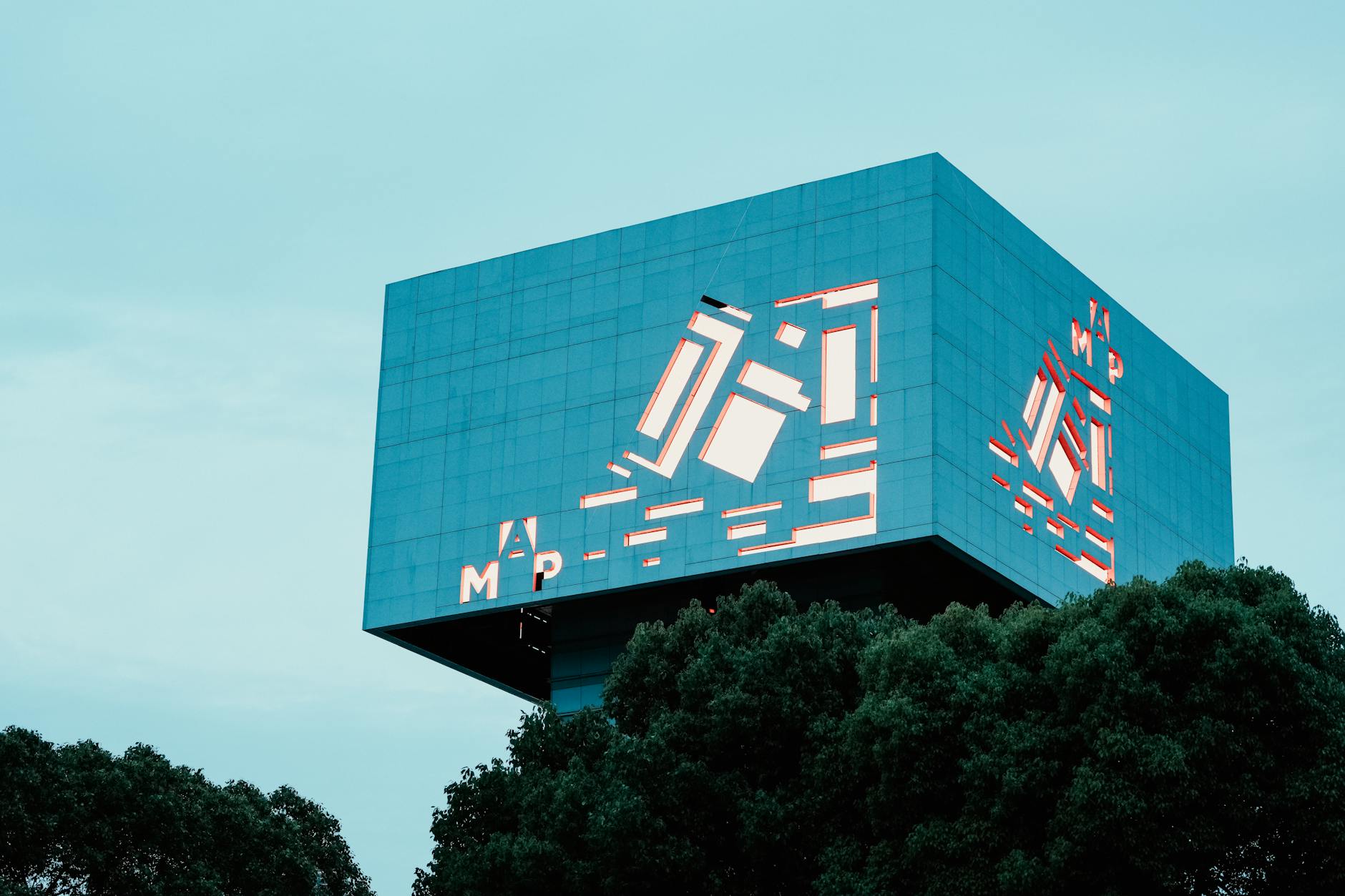
The striking, geometric facade of the Minsheng Art Wharf stands out against the sky in Shanghai, People's Republic of China.
tian Jin on Pexels · Pexels License
A peaceful afternoon in a Shanghai park, where modern skyscrapers contrast with historic architecture and locals enjoy the outdoor space.
Bingqian Li on Pexels · Pexels License
The historic Jing'an Temple stands as a serene landmark in the heart of Shanghai, People's Republic of China, surrounded by modern urban development.
Bruna Santos on Pexels · Pexels License
Videos
Watch & Explore Shanghai
THINGS TO KNOW BEFORE YOU GO TO SHANGHAI
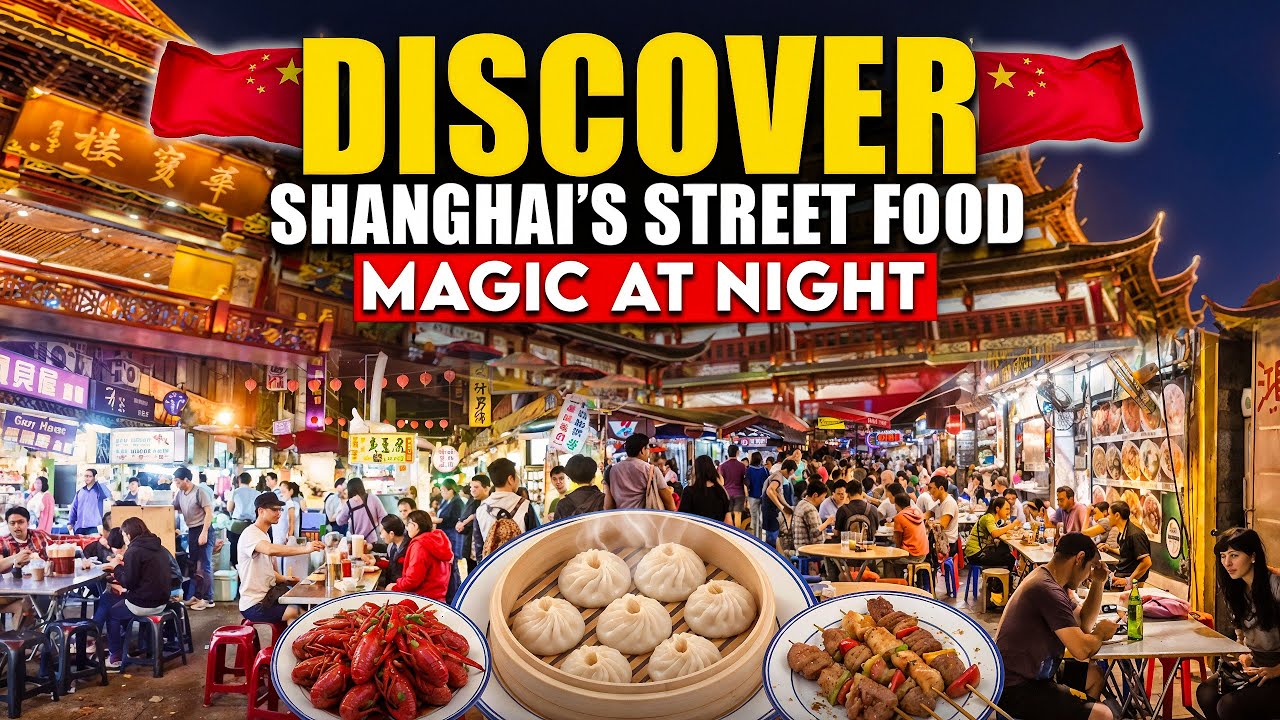
Shanghai Night Market Foods You Have to Try!
Practical Information
Getting There
Pudong International Airport (PVG) handles most international flights and sits on Metro Line 2; Hongqiao International Airport (SHA) serves domestic routes and is also on Lines 2 and 10. The new Airport Link Line (opened Dec 2024) connects both airports in roughly 40 minutes. Taxis from PVG to People’s Square cost about CNY 180 and take 50 minutes in normal traffic.
Getting Around
The Shanghai Metro system has 21 lines and 517 stations as of 2026. Contactless Visa, Mastercard and UnionPay cards work directly since June 2025. A one-day unlimited metro pass costs CNY 18, a three-day CNY 45. The Shanghai Pass prepaid card works on metro, buses, ferries and some taxis. Shared bikes (Hellobike, Meituan, Qingju) are everywhere and the Huangpu Riverfront Greenway has dedicated cycling lanes.
Climate & Best Time
Spring (Mar–May) averages 11–21 °C and autumn (Sep–Nov) 15–27 °C; both are the most comfortable periods. Plum-rain season hits mid-June to early July with heavy rain, while late August to mid-September brings typhoon risk. Summers are hot and humid (July/Aug highs near 32 °C), winters damp and chilly (Dec–Feb 3–11 °C). Best visit windows are April–May and October–November.
Safety
Shanghai is consistently ranked among the safest major cities in the world. Main tourist streets are safe at night, though standard caution applies in nightlife areas. Police (110), fire (119) and ambulance (120) all offer English support. The main risks are typhoon-season weather near the riverfront and online scams involving fake arrival-card websites.
Where to Eat
Don't Leave Without Trying
弄堂小馄饨
local favoriteOrder: The mini wontons are the whole point — delicate skin, pork filling, served in a light broth that tastes like home cooking, not a tourist trap.
This is the kind of place locals actually queue for: tiny, no-fuss, doing one thing perfectly. Jing'an location means it's not buried in the tourist zones.
顶特勒粥面馆
local favoriteOrder: The congee with century egg and pork, or the noodles with braised toppings — comfort food that locals eat three times a week.
Located on Huaihai Road in the heart of the French Concession, this is where Shanghainese come for everyday noodle and congee cravings. Steady, reliable, packed at lunch.
Lillian Cake Shop
quick biteOrder: The pastries and cream cakes — Shanghai's trusted neighborhood bakery for a quick breakfast or afternoon pick-me-up near People's Square.
Over 100 reviews and a solid 4.5 rating tells you this isn't hype; it's the real deal for accessible, well-made pastries in a central location.
凯司令
cafeOrder: Coffee and pastries in a café that carries Shanghai's old-world charm — sit, linger, watch Nanjing Road go by.
A nostalgic Shanghai institution on Nanjing Xi Lu with extended hours; the kind of place where you actually want to spend time, not just grab and go.
Nuevo 66 Coffee in Coffee 咖啡馆
cafeOrder: Coffee and an afternoon snack — this is a neighborhood spot on Nan Chang Lu in the French Concession where you can actually think.
Perfect 5-star rating and afternoon-evening hours make this an ideal refuge for coffee and quiet in the tree-lined French Concession.
辛香汇
local favoriteOrder: Sichuan specialties with bold spice and depth — this is where you go for a break from Shanghainese classics and something with real kick.
Perfect rating and a dedicated website suggest serious, consistent cooking. Located in Zha Bei, away from tourist clusters, this is a genuine neighborhood find.
Citizen Café & Bar
cafeOrder: Coffee by day, cocktails by night — a versatile spot on Jinxian Road that works for both a morning meeting and an evening drink.
23 reviews and solid 4.4 rating on Jinxian Road in the French Concession means it's a trusted local haunt that knows how to do both café and bar well.
Sweetiecs
local favoriteOrder: A neighborhood gem on Wu Jiang Lu near Nanjing Xi Lu — worth exploring for something different without leaving Jing'an.
Small review count but solid 4.5 rating suggests this is a local secret rather than a tourist destination; Jing'an location keeps it real.
Dining Tips
- check Tipping is not standard in Shanghai. In local restaurants, leave nothing. In upscale international venues, check if a 10% service charge is already added.
- check Shanghai is mobile-payment-first: Alipay and WeChat Pay are the default. Most restaurants accept foreign cards linked to these apps, though cash still works.
- check Lunch centers around noon with busy hours 11:30 AM–1:30 PM. Dinner is typically 6:00–7:00 PM, with peak restaurant hours 6:00–8:00 PM.
- check Breakfast is commonly 6:30–8:00 AM, so if you want local energy, eat early.
Restaurant data powered by Google
Tips for Visitors
Visit in Spring
April and May offer 11–24°C temperatures with manageable rainfall before the June plum rains arrive. Shanghai’s official tourism office lists these as the best months for walking the Bund, exploring Yuyuan, and strolling the French Concession.
Tap Foreign Cards
Since June 2025 you can tap Visa, Mastercard or UnionPay cards directly on the entire metro network. A one-day unlimited metro pass costs CNY 18 and excludes the Maglev.
Eat Breakfast Early
Locals finish xiaolongbao and shengjianbao by 9 am. Head to Jia Jia Tang Bao or Yang’s Fry Dumpling before 8 am to avoid hour-long queues and still-warm pork soup dumplings.
Tipping Not Expected
Tipping is not customary in Shanghai restaurants or taxis. Only some hotel restaurants add a 10–15% service charge; otherwise leave the full bill amount.
Bund at Dusk
The 1.5 km Bund promenade shows colonial façades on one side and Pudong’s skyscrapers on the other. The best light and fewer crowds occur 30 minutes before sunset.
Police Speak English
Dial 110 for police; the line officially supports eight foreign languages including English. Keep your hotel address written in Chinese characters for taxis or directions.
Explore the city with a personal guide in your pocket
Your Personal Curator, in Your Pocket.
Audio guides for 1,100+ cities across 96 countries. History, stories, and local insight — offline ready.
Audiala App
Available on iOS & Android
Join 50k+ Curators
Frequently Asked
Is Shanghai worth visiting? add
Yes, Shanghai is worth visiting. It delivers one of Asia’s sharpest old-meets-new contrasts within a single walk: colonial Bund buildings facing 21st-century Pudong towers. The city also offers serious museums, excellent dumplings, and walkable historic neighborhoods that most visitors underestimate.
How many days do you need in Shanghai? add
Three to five days works well for most visitors. You can cover The Bund, Yuyuan Garden, Lujiazui, a museum, and a French Concession food walk in three full days. Five days lets you add a water-town day trip or slower cafe exploration in Xuhui.
How do you get from Pudong Airport to the city center? add
Metro Line 2 from Pudong Airport reaches People’s Square in about one hour for CNY 7. The Maglev reaches Longyang Road in eight minutes for CNY 50, then transfer to metro. Taxis cost around CNY 180 and take 50 minutes.
Is Shanghai safe for tourists? add
Shanghai is one of the safest major cities in the world for tourists. Main streets are safe at night, violent crime is rare, and the biggest risks are pickpockets in crowded tourist spots or scams in nightlife areas.
When is the best time to visit Shanghai? add
Spring (April–May) and autumn (October–November) are the best times. Both seasons avoid the June plum rains, July–August heat and humidity, and late-August typhoon risk.
Sources
- verified Official Shanghai Government Tourism Portal — Primary source for attractions, transport, safety, seasonal guidance, and official opening hours as of 2026.
- verified Meet in Shanghai Official Site — Detailed attraction pages, Yuyuan Garden hours, museum reopening news, and food culture information.
- verified Shanghai Airport Official Website — Current Maglev, metro, bus, and Airport Link Line schedules and fares.
Last reviewed: