
Place
People's Republic of China Updated Apr 2026
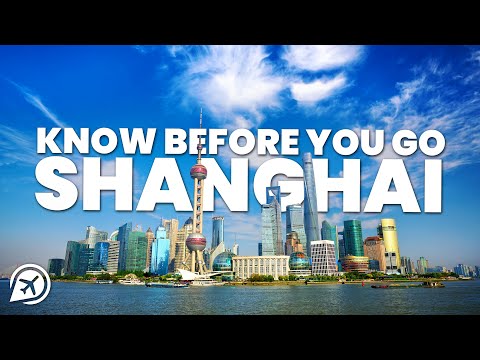
The first time the Bund hits you at dusk, the contrast is almost violent: on your left, the dignified stone façades of 1920s banks and trading houses stand shoulder to shoulder like old European uncles; on your right, across the Huangpu, Pudong’s glass-and-steel towers flare neon pink and acid green against a sky the color of wet ink. This is Shanghai, People’s Republic of China — a city that refuses to choose between its past and its future, so it simply performs both at once, every single night.
 Photo: Bruna Santos / Pexels
Built from cited sources · see the method · How we make our guides →
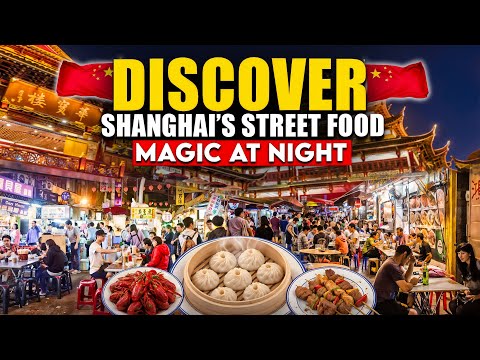
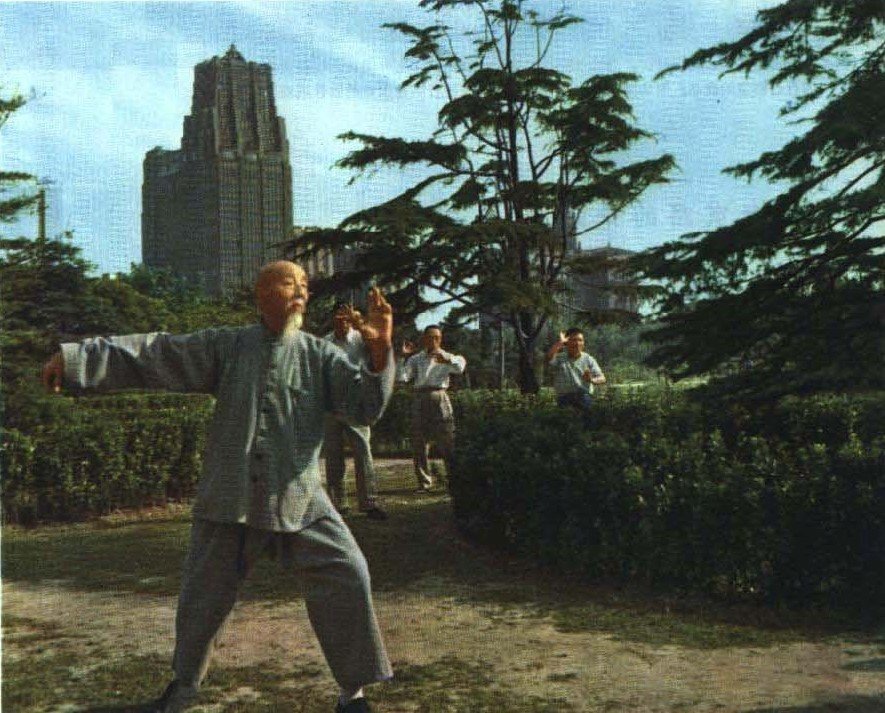
Walk ten minutes inland and the roar of the river gives way to the click of mahjong tiles behind courtyard walls, the hiss of steam baskets lifting xiaolongbao at 7 a.m., and the faint metallic tang of old Shikumen lane houses where laundry still flutters like prayer flags. The city’s genius lies in these collisions: a 1927 Art Deco apartment building might now house a Scandinavian roastery on the ground floor while grandmothers practice tai chi on the roof at sunrise. Nothing is purely one thing here.
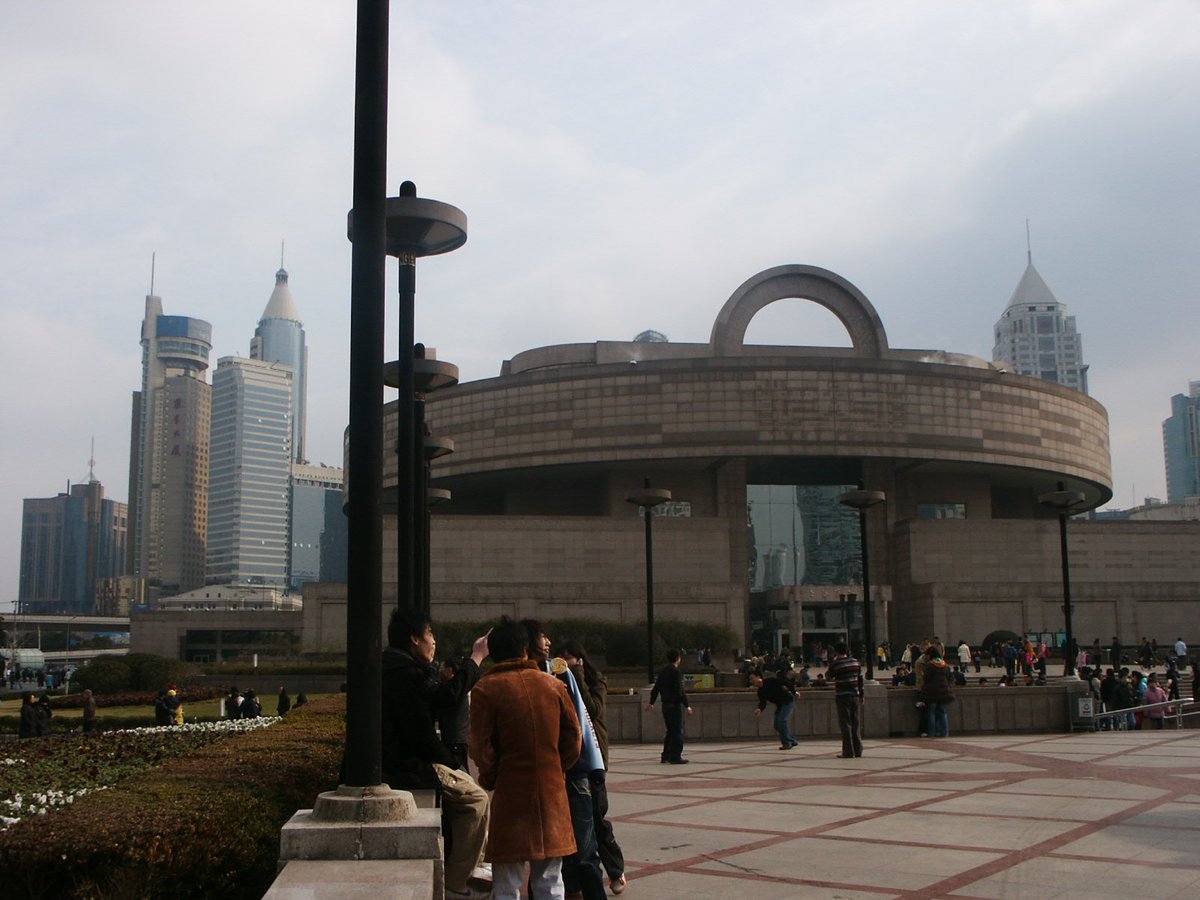
That layered quality makes Shanghai addictive for anyone who likes to read cities like novels. You can spend a morning inside the hushed bronzes of the Shanghai Museum on People’s Square, then emerge into the controlled chaos of Yunnan Road smelling of fried scallions and pork chops. The same afternoon you can lose yourself in the former French Concession’s plane-tree shade and still make it to a 320-meter 360-degree viewpoint that opened only last year. The city never stops updating its own story.
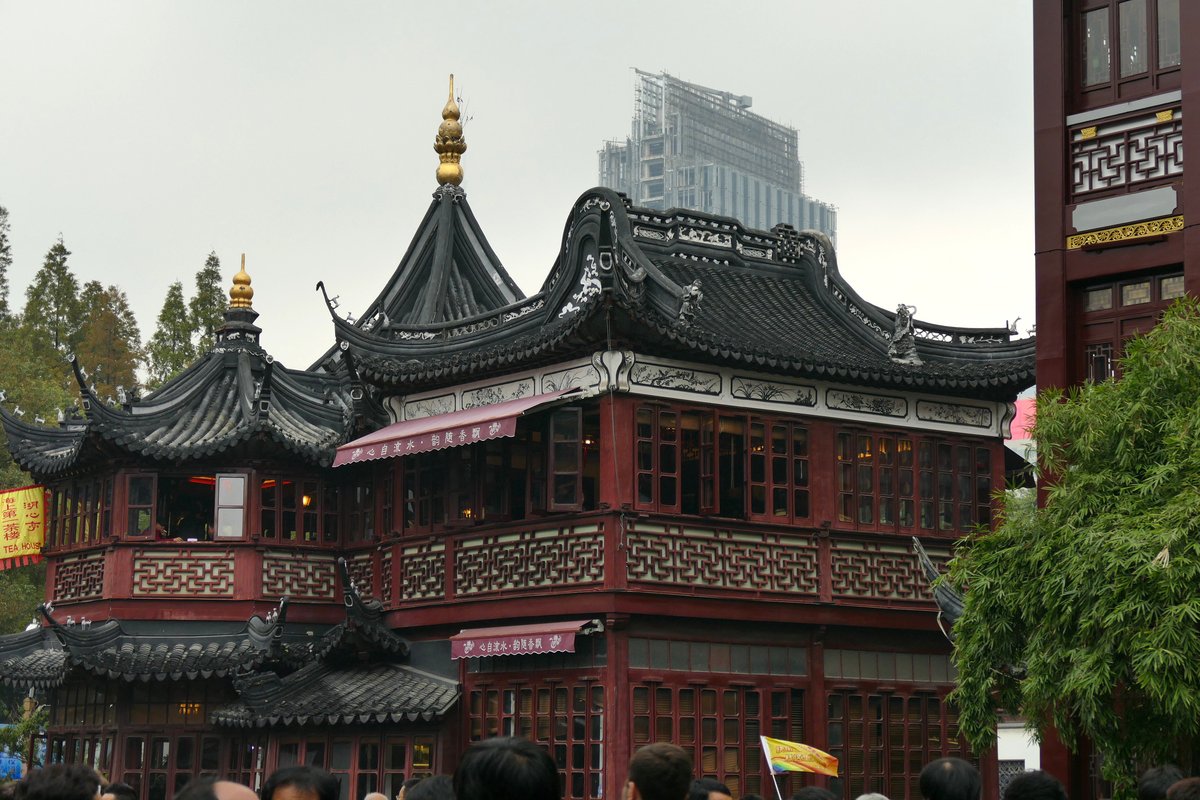
Yet for all the headlines about supertalls and skylines, the Shanghai that stays with you is smaller and quieter: the particular echo of your footsteps in a 1930s lilong alley at twilight, the smell of hairy crab drifting from a tiny restaurant in autumn, the way light falls through the lattice windows of Yuyuan Garden exactly as it did four centuries ago. This is a city that has been many things — treaty port, revolutionary crucible, manufacturing capital, financial powerhouse — and has kept the best fragments of every version.
Not every monument, just the ones we'd walk you past ourselves.
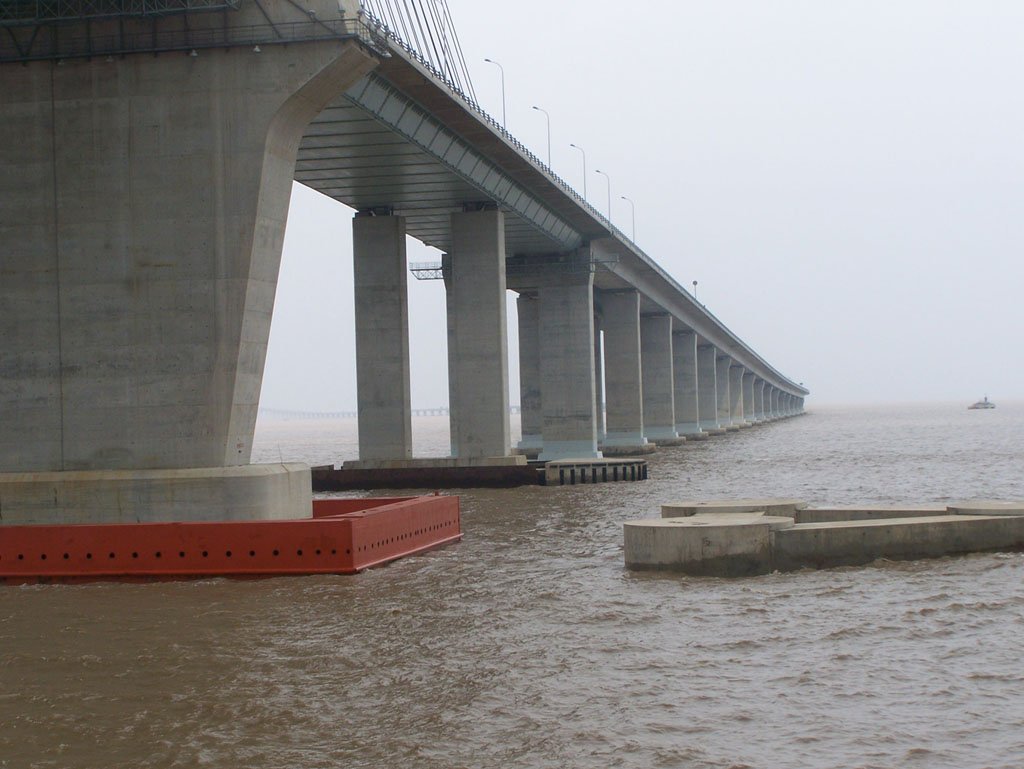
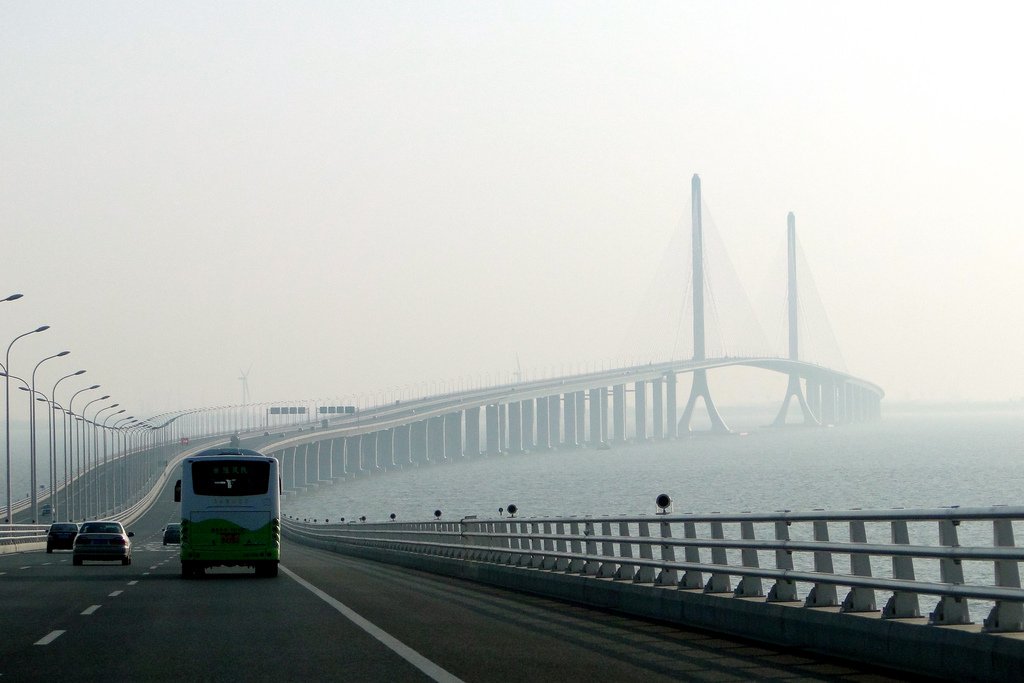
Where to wander, by quarter — each with its own rhythm.
Before you go
Curated from places in this city. Same price as official sites.


Prices shown are indicative — final pricing and availability are confirmed at checkout. Audiala may receive a commission from bookings made via these links.
Six thousand years of transformation on the Huangpu
The earliest known ancestors of Shanghai built houses, dug wells, and planted rice along the marshy delta. The Songze site preserves the city's oldest human remains, pottery, and evidence of settled agriculture. What began as scattered fishing hamlets in a wetland would one day become one of Earth's largest urban centers.
Under the Tang dynasty, officials carved Huating County out of the vast wetlands. This marked the first formal administrative recognition of the Shanghai region. The name "Shen" or "Hu" still lingered in local speech, a reminder that the city had not yet earned its own identity.
The Song court elevated the fishing settlement to market-town status. A customs office soon followed, collecting duties on the growing river trade. The smell of salt, fish, and cotton began to define the air along the Huangpu.
The Yuan dynasty formally created Shanghai County, the clearest administrative birth of the city. By now the port shipped cotton textiles across the empire. The name "Shanghai" (literally "upon the sea") finally stuck.
Frightened by repeated wokou raids, residents built a 4.5-kilometer-long, 8-meter-high brick wall with six land gates and three water gates. The wall enclosed the old Chinese city for nearly 360 years, defining its shape until the Republican era tore most of it down.
Ming official Pan Yunduan began constructing the classical garden that would become Yuyuan. Rocks, pavilions, and ponds were arranged over decades to create a private scholar's paradise in the heart of the bustling cotton town. Today it remains the most visited fragment of Ming Shanghai.
After defeat in the First Opium War, the Qing were forced to open Shanghai as a treaty port. The city that had been a modest county seat suddenly stood on the threshold of global transformation. Foreign gunboats anchored where fishing junks once dominated.
The British established their concession along the Bund. Within years the Americans and French followed, creating a patchwork of extraterritorial zones. These parallel cities would shape Shanghai's unique hybrid character for the next century.
The Small Swords Society, allied with the Taiping rebels, seized the walled Chinese city. Refugees flooded into the foreign concessions for safety, accelerating their growth. The old city walls witnessed fierce fighting before Qing forces retook the district in 1855.
China's first modern industrial complex began producing ships, guns, and machinery on the Huangpu. The arsenal marked Shanghai's shift from cotton port to industrial powerhouse and laid groundwork for later scientific and military development.
Painter Liu Haisu established the Shanghai School of Fine Arts, one of China's first modern art academies. He shocked conservative society by introducing live models and Western techniques, helping birth a distinctly Shanghai modernist aesthetic.
Thirteen delegates, including a young Mao Zedong, met secretly in a shikumen house on Rue Wantz. The First National Congress of the CPC was forced to finish on a boat in nearby Jiaxing after police suspicion. The decision made in that humid Shanghai summer would reshape the 20th century.
British police fired on Chinese demonstrators outside a Japanese mill, killing thirteen. The massacre ignited nationwide protests and boycotts. Shanghai's foreign concessions suddenly felt the full weight of Chinese nationalist anger.
China's greatest modern writer settled in the city in 1927 and lived here until his death in 1936. From his modest apartment he produced biting essays that skewered both Nationalists and leftists while chronicling the contradictions of treaty-port life.
On April 12, Chiang Kai-shek's forces and Green Gang allies slaughtered thousands of communist workers and unionists. The purge shattered the First United Front and turned Shanghai's streets red. The city would never be the same.
Born into a declining aristocratic family, the teenage Eileen Chang absorbed the city's glamour and decay. The contradictions she witnessed in 1930s Shanghai would later fuel her masterpieces of modern Chinese literature, capturing a world on the edge of catastrophe.
Japanese forces attacked Shanghai in what became a brutal preview of total war. The 19th Route Army resisted fiercely for over a month. Civilian districts were reduced to rubble, foreshadowing the greater horror that would come in 1937.
For three horrific months, Chinese and Japanese forces fought through the city's streets and suburbs. Over 250,000 Chinese soldiers died. The heroic defense of Sihang Warehouse by 420 men became a national legend as the city burned around them.
As Europe closed its doors, roughly 18,000-20,000 Jewish refugees found sanctuary in Japanese-occupied Shanghai. The city became one of the only places on Earth that would accept them without visas. In the Hongkou district, they rebuilt fragments of European life amid wartime chaos.
The People's Liberation Army entered the city on May 27 after a carefully managed campaign that spared the urban core. The last foreign gunboats slipped down the Huangpu. A new chapter began as the treaty-port era finally ended.
Deng Xiaoping's decision to develop the muddy farmland across the Huangpu transformed Shanghai's destiny. Within a decade, rice paddies became a forest of supertalls. The Oriental Pearl Tower would soon rise as the symbol of this new ambition.
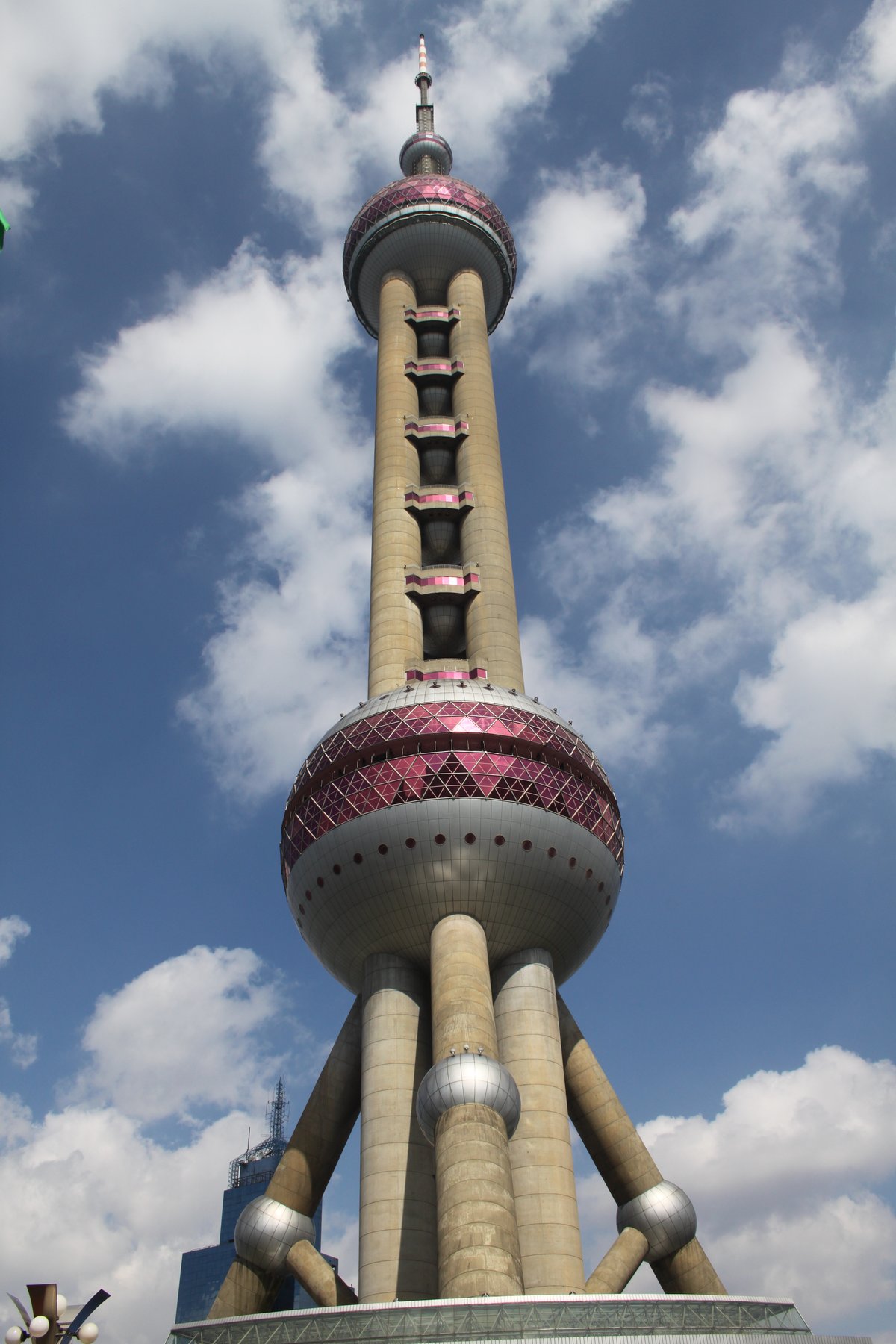
At 468 meters, the Oriental Pearl became the tallest structure in Asia. Its glittering spheres and neon silhouette instantly redefined Shanghai's skyline. The contrast with the colonial Bund across the river was exactly what the new Shanghai wanted the world to see.
The city hosted the largest and most attended World Expo in history, drawing 73 million visitors. The theme "Better City, Better Life" reflected Shanghai's own journey from treaty port to global metropolis. The massive pavilions on both sides of the Huangpu celebrated China's return to the world stage.
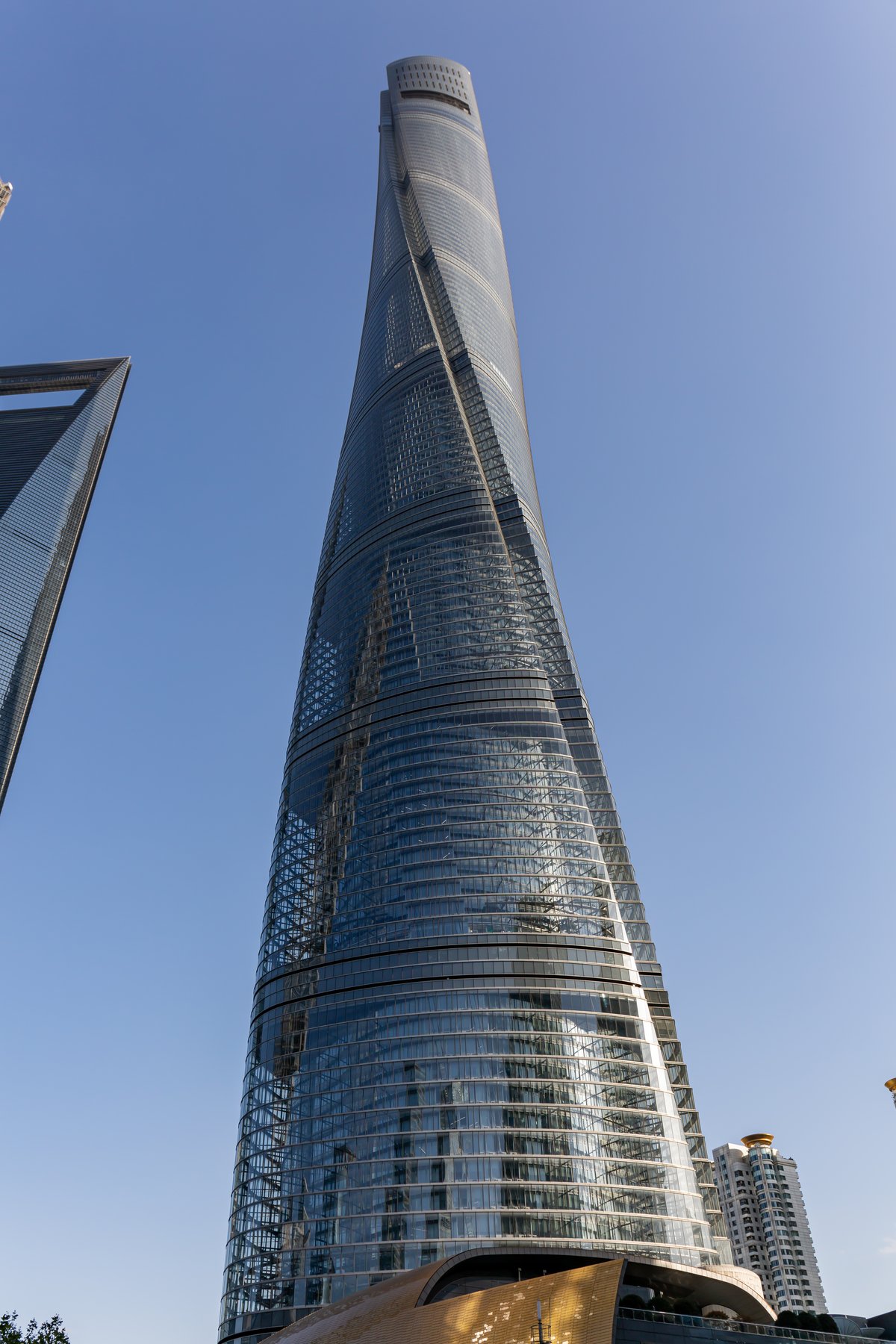
At 632 meters with 127 floors, the Shanghai Tower became China's tallest building. Its twisting form and green technologies announced that the city was no longer merely catching up with the West but defining a new Asian urban future.
Writer · 1920–1995
Born and educated in Shanghai
Eileen Chang turned 1930s and 1940s Shanghai into literary myth. She wrote Love in a Fallen City and Lust, Caution in the city’s crowded lanes and decaying mansions. Walking the old French Concession today, you still feel the atmospheric tension she captured so precisely.
Writer · 1881–1936
Lived in Shanghai from 1927 until his death
Lu Xun moved to Shanghai in 1927 and became the sharpest voice of modern Chinese literature. He wrote his most biting satires while living in the city’s foreign concessions. His former residence in Hongkou remains a quiet sanctuary amid the surrounding development.
Basketball player · born 1980
Born and raised in Shanghai
Yao Ming first learned to play basketball in Shanghai’s Xuhui District and starred for the Shanghai Sharks before becoming an NBA superstar. Locals still speak of him as the gentle giant who put Chinese basketball on the world map. The city feels proud every time his name appears.
Architect · 1893–1958
Lived and worked in Shanghai 1918–1940s
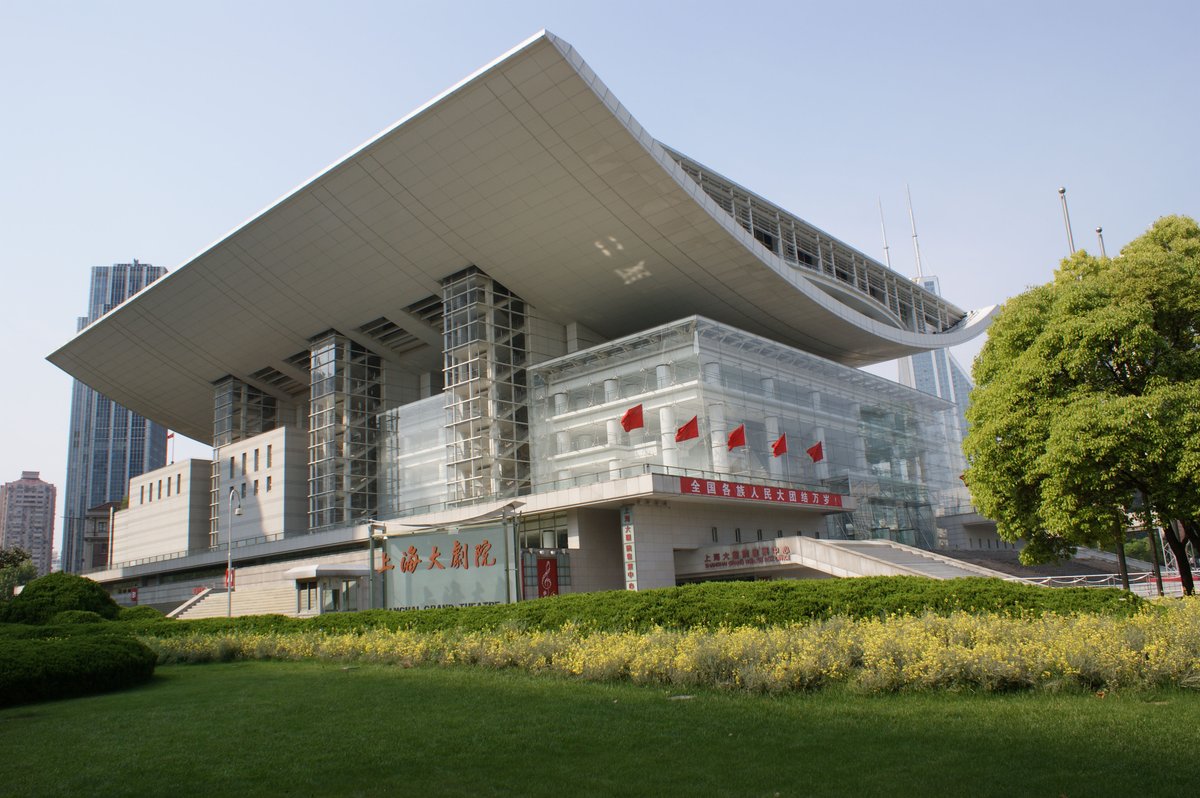
Hungarian architect László Hudec designed some of Shanghai’s most distinctive pre-war buildings, including the Park Hotel and Grand Theatre. His blend of Art Deco and local sensibility still defines parts of the skyline. Walk Nanjing Road and you are literally surrounded by his legacy.
Where locals actually book dinner — not the tourist menus.
Small things that change how the city treats you.
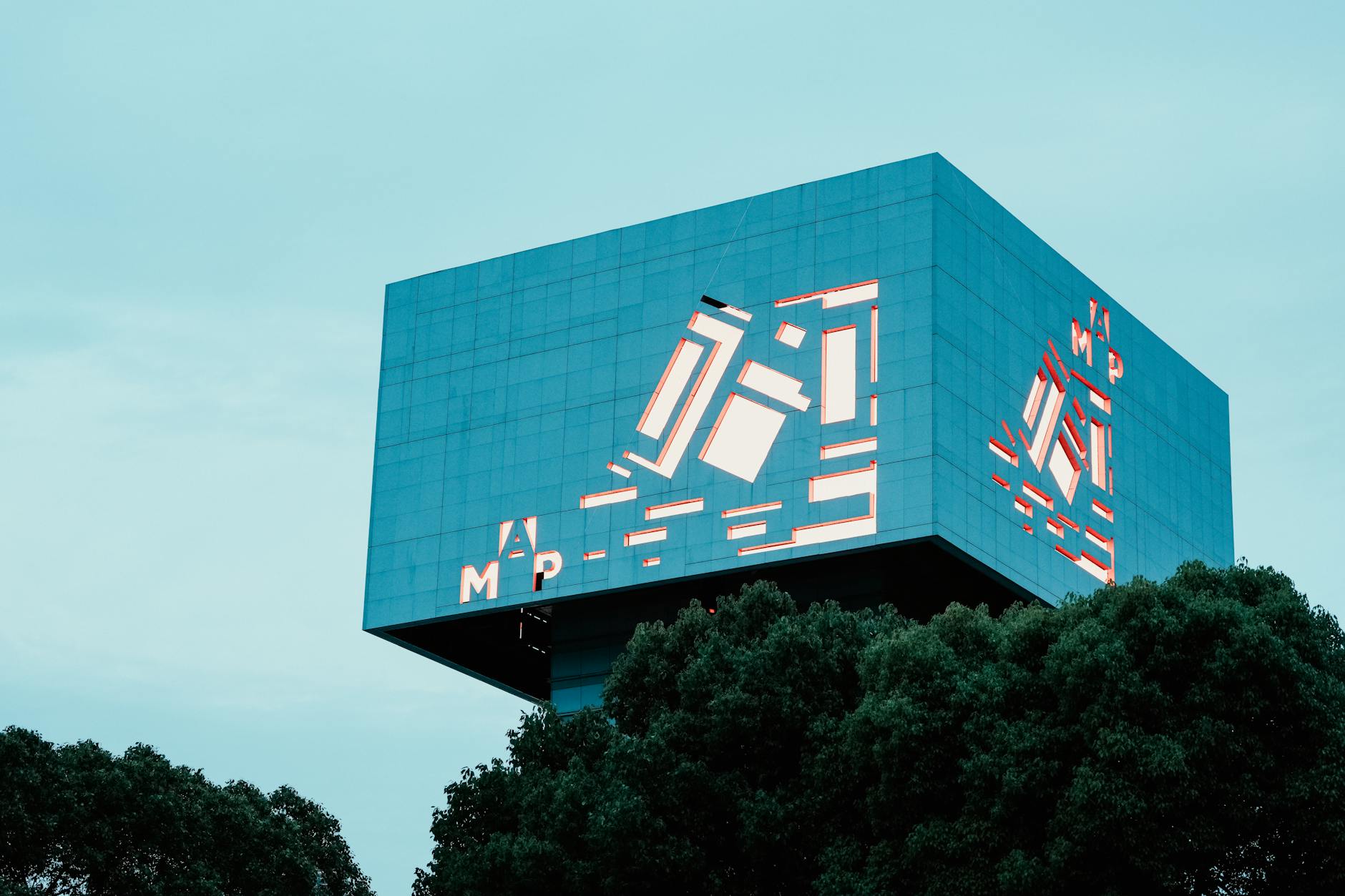
The city, as it actually looks.



Yes, Shanghai is worth visiting. It delivers one of Asia’s sharpest old-meets-new contrasts within a single walk: colonial Bund buildings facing 21st-century Pudong towers. The city also offers serious museums, excellent dumplings, and walkable historic neighborhoods that most visitors underestimate.
Three to five days works well for most visitors. You can cover The Bund, Yuyuan Garden, Lujiazui, a museum, and a French Concession food walk in three full days. Five days lets you add a water-town day trip or slower cafe exploration in Xuhui.
Metro Line 2 from Pudong Airport reaches People’s Square in about one hour for CNY 7. The Maglev reaches Longyang Road in eight minutes for CNY 50, then transfer to metro. Taxis cost around CNY 180 and take 50 minutes.
Shanghai is one of the safest major cities in the world for tourists. Main streets are safe at night, violent crime is rare, and the biggest risks are pickpockets in crowded tourist spots or scams in nightlife areas.
Spring (April–May) and autumn (October–November) are the best times. Both seasons avoid the June plum rains, July–August heat and humidity, and late-August typhoon risk.
259 places to discover
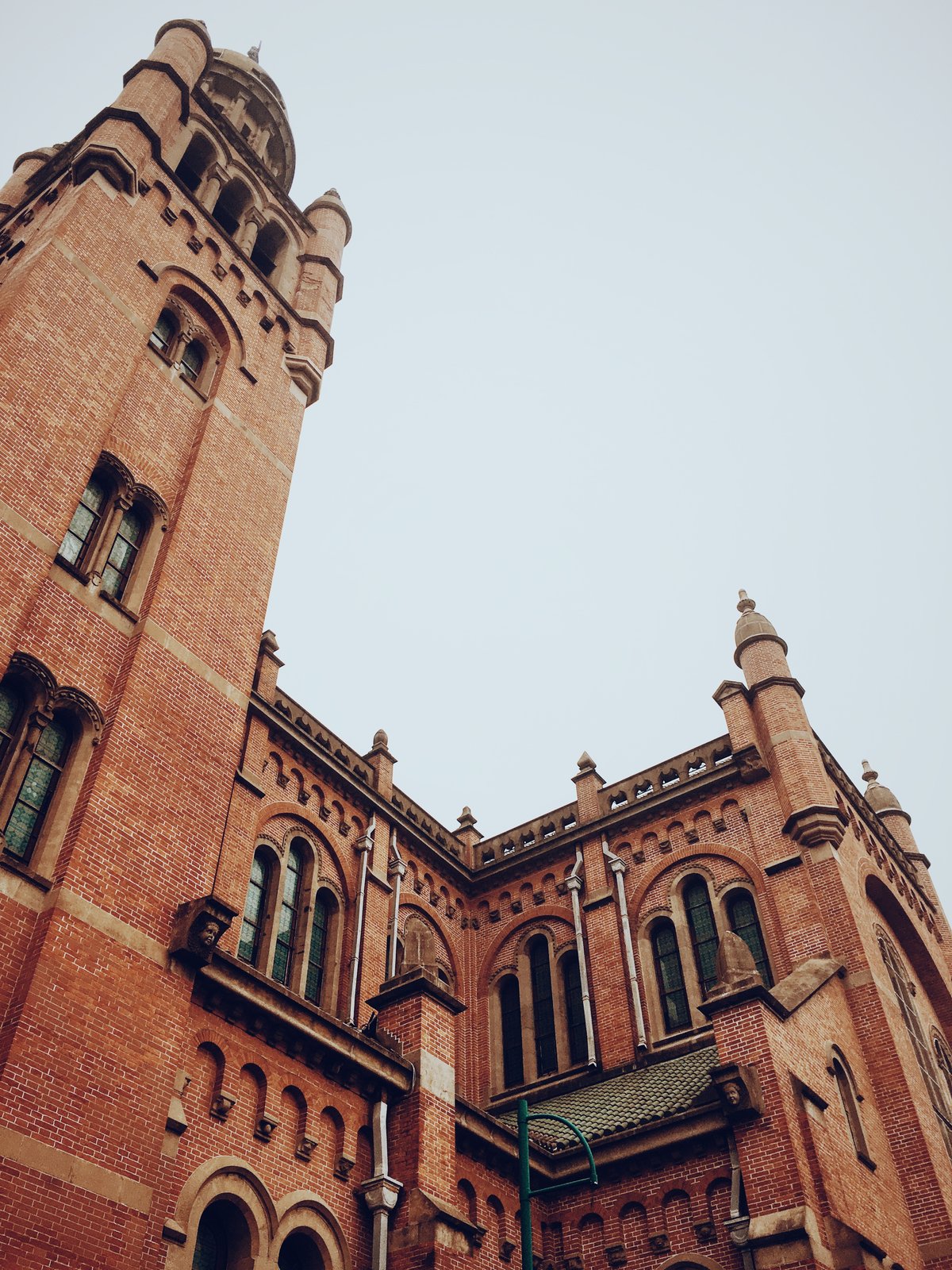



Showing 1–48 of 259 places
Saved and recently read places — kept on this device only.
Photos may have been resized or cropped.