Plan and listen to Tsing Ma Bridge with Audiala.
Audio guide in your pocket, itinerary in your browser. Built for the way you actually visit.
Introduction
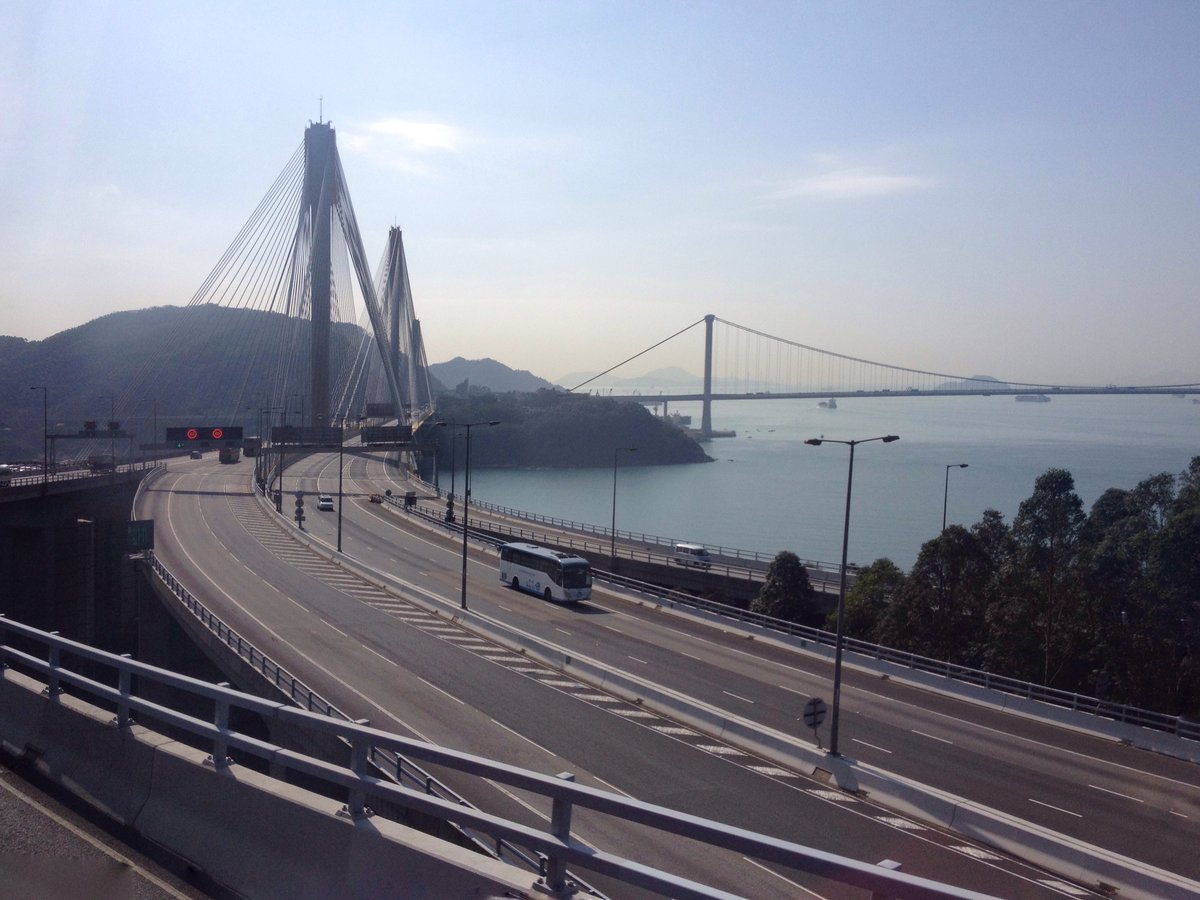
The Tsing Ma Bridge, an iconic engineering marvel in Hong Kong, stands as a testament to the city's rapid development and modernity. Connecting Tsing Yi Island and Ma Wan Island, it is pivotal in facilitating access to Lantau Island and the Hong Kong International Airport. Completed in 1997, it is renowned for being the world's longest suspension bridge that carries both road and rail traffic (Discover Hong Kong). This comprehensive guide will delve into the rich history, intricate design, and visitor information, ensuring you make the most of your trip to this architectural wonder. Whether you're a history enthusiast, an engineering aficionado, or a casual tourist, the Tsing Ma Bridge offers a unique blend of cultural significance and structural brilliance.

History of Tsing Ma Bridge
Conception and Planning
The idea for the Tsing Ma Bridge was conceived in the late 1970s as part of a broader plan to improve Hong Kong's infrastructure and connectivity. The bridge was envisioned to connect Tsing Yi Island and Ma Wan Island, facilitating access to the rapidly developing Lantau Island and the Hong Kong International Airport at Chek Lap Kok. The project was part of the Airport Core Programme, a series of infrastructure projects aimed at supporting the new airport's construction and operation.
Design and Engineering
The Tsing Ma Bridge was designed by the British engineering firm Mott MacDonald. The design process began in earnest in the early 1980s, focusing on creating a structure that could withstand the region's challenging weather conditions, including typhoons. The bridge's main span measures 1,377 meters, making it the world's longest span for a bridge carrying both road and rail traffic at the time of its completion. The total length of the bridge is 2.16 kilometers. The bridge's towers rise to a height of 206 meters, providing the necessary support for the massive structure.
Construction
Construction of the Tsing Ma Bridge began in May 1992 and was completed in May 1997. The project was a massive undertaking, involving thousands of workers and numerous engineering challenges. One of the most significant challenges was constructing the bridge's foundations, which required extensive underwater work. The bridge's construction utilized over 49,000 tonnes of steel and 275,000 cubic meters of concrete. The main cables, which support the bridge's deck, were fabricated in Japan and transported to Hong Kong for installation. Each cable is composed of 70,000 individual wires, providing the necessary strength to support the bridge's weight.
Opening and Early Years
The Tsing Ma Bridge was officially opened on April 27, 1997, by the then-Governor of Hong Kong, Chris Patten. The opening ceremony was a significant event, attended by dignitaries from around the world. The bridge was named after the two islands it connects - Tsing Yi and Ma Wan. In its early years, the Tsing Ma Bridge quickly became an iconic symbol of Hong Kong's modernity and engineering prowess. It played a crucial role in facilitating the movement of goods and people between the city and the new airport, significantly reducing travel times and improving logistics.
Visitor Information
Tickets and Visiting Hours
Visiting the Tsing Ma Bridge is free of charge. The Tsing Ma Bridge Visitors Centre, located on Tsing Yi Island, is open from 10:00 AM to 6:00 PM daily. The center provides detailed information about the bridge's construction, design, and significance, as well as interactive exhibits and displays.
Travel Tips
- Best Time to Visit: The best time to visit the Tsing Ma Bridge is during the early morning or late afternoon when the light is perfect for photography.
- Getting There: The Tsing Ma Bridge is accessible by car, bus, and the MTR. The closest MTR station is Tsing Yi Station, from where visitors can take a taxi or a bus to the Visitors Centre.
- What to Bring: Don't forget to bring your camera for stunning views and comfortable walking shoes for exploring the area.
Nearby Attractions
- Lantau Island: Home to Hong Kong Disneyland, Ngong Ping 360, and the Tian Tan Buddha, Lantau Island offers a variety of attractions for visitors.
- Tsing Yi Nature Trails: Ideal for hiking and nature walks, offering panoramic views of the bridge and surrounding areas.
- Ma Wan Park: A family-friendly park with various attractions, including the Noah's Ark theme park.
Significance and Impact
The Tsing Ma Bridge has had a profound impact on Hong Kong's development. It is a critical component of the Lantau Link, a series of bridges and tunnels that connect the urban areas of Hong Kong with Lantau Island and the airport. The bridge has facilitated economic growth by improving access to the airport and supporting the development of new residential and commercial areas on Lantau Island. The bridge is also a vital part of Hong Kong's transportation network, carrying both road and rail traffic. The lower deck of the bridge accommodates the MTR's Airport Express and Tung Chung Line, providing a fast and efficient connection between the airport and the city. The upper deck carries six lanes of road traffic, with two lanes reserved for emergency use.
Maintenance and Upgrades
Maintaining the Tsing Ma Bridge is a complex and ongoing task. The bridge is subject to regular inspections and maintenance to ensure its structural integrity and safety. This includes routine checks of the main cables, towers, and deck, as well as more extensive maintenance work as needed. In recent years, the bridge has undergone several upgrades to improve its resilience and capacity. These upgrades have included the installation of new lighting systems, the reinforcement of key structural elements, and the implementation of advanced monitoring systems to detect and address potential issues before they become serious problems.
Cultural and Touristic Importance
The Tsing Ma Bridge is not only an engineering marvel but also a cultural and touristic landmark. It has been featured in numerous films, television shows, and advertisements, symbolizing Hong Kong's modernity and connectivity. The bridge is also a popular spot for tourists, offering stunning views of the surrounding area and the South China Sea.
FAQ
- What are the visiting hours for Tsing Ma Bridge? The Tsing Ma Bridge Visitors Centre is open from 10:00 AM to 6:00 PM daily.
- How do I get tickets for the Tsing Ma Bridge tour? Visiting the Tsing Ma Bridge is free of charge; no tickets are required.
- Is the Tsing Ma Bridge accessible by public transport? Yes, the bridge is accessible by car, bus, and the MTR. The closest MTR station is Tsing Yi Station.
Listen to the full story in the app
The whole Tsing Ma Bridge,
told well.
Audio guides for 1,100+ cities across 96 countries. History, stories, and local insight — offline ready.
Verified, and shown.
Researched and written by the Audiala editorial team from historical records, architectural archives, and local expertise.
Researched from Wikidata, Wikipedia & official sources · fact-checked · How we make our guides →