Plan and listen to The Cenotaph with Audiala.
Audio guide in your pocket, itinerary in your browser. Built for the way you actually visit.
Introduction
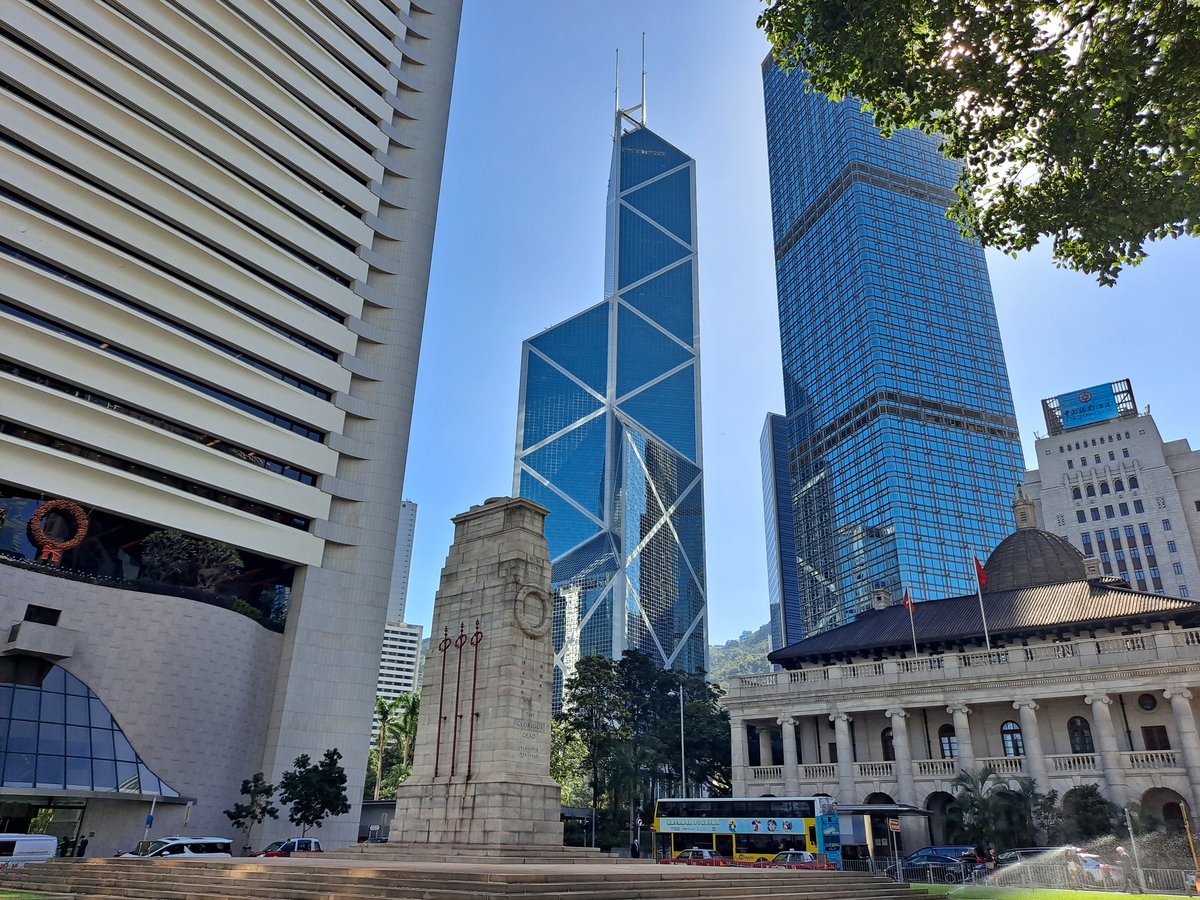
Standing in the heart of Central, Hong Kong, the Cenotaph is one of the city’s most significant war memorials. Erected in 1923 and modeled after the original Cenotaph in Whitehall, London, this austere monument honors those who sacrificed their lives during the First and Second World Wars and the Battle of Hong Kong. Over time, the Cenotaph has grown from a colonial-era memorial into a powerful symbol of remembrance, multicultural identity, and civic engagement. Today, it serves as a focal point for annual ceremonies, daily reflection, and as a key stop for history enthusiasts and visitors seeking to understand Hong Kong’s complex past. This comprehensive guide covers everything you need to know about visiting the Cenotaph—its history, visiting hours, accessibility, nearby attractions, and cultural significance (AMO; hongkongfreetours.com; Wikipedia; Public Art Around the World).

Origins and Construction
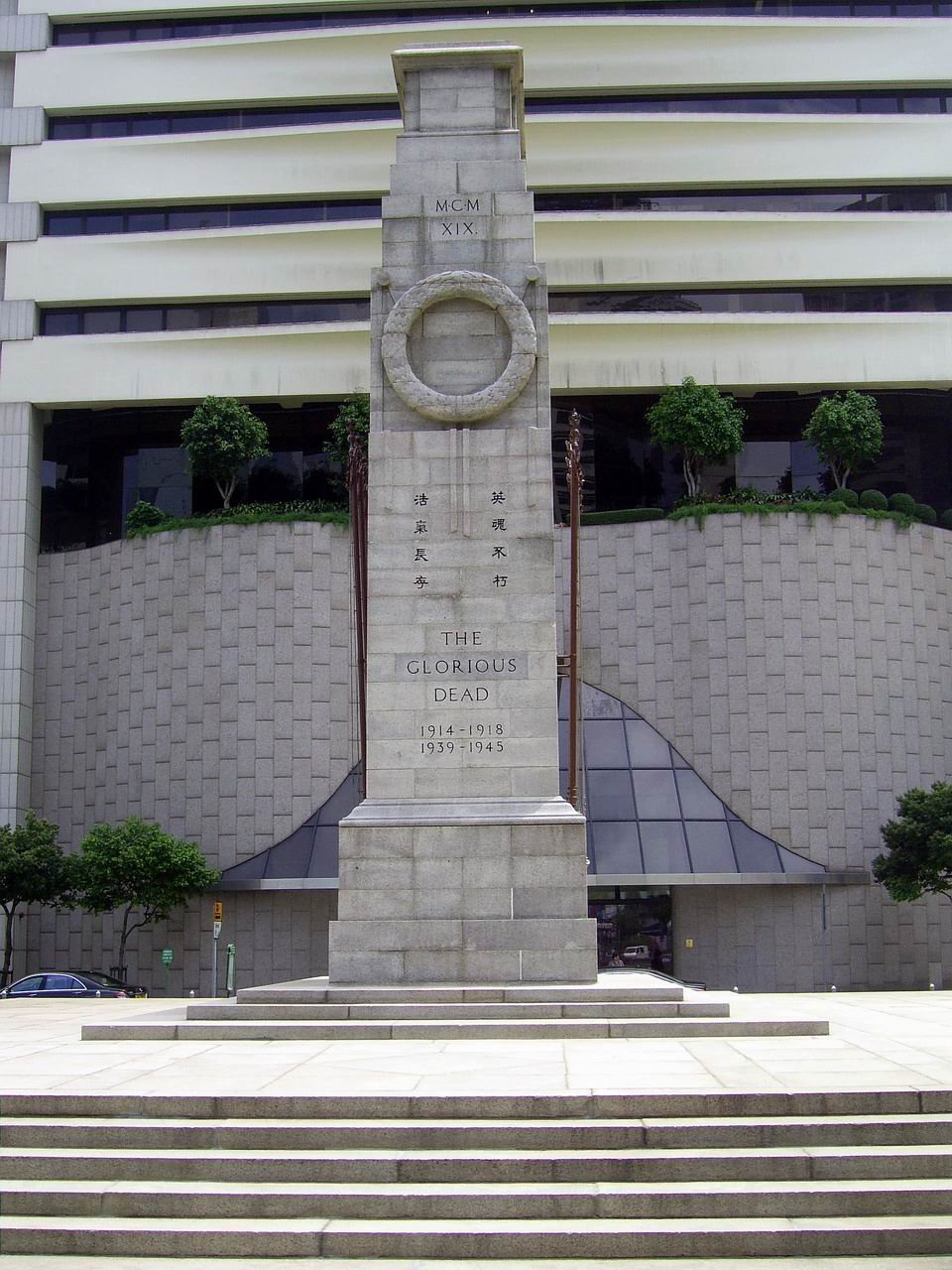
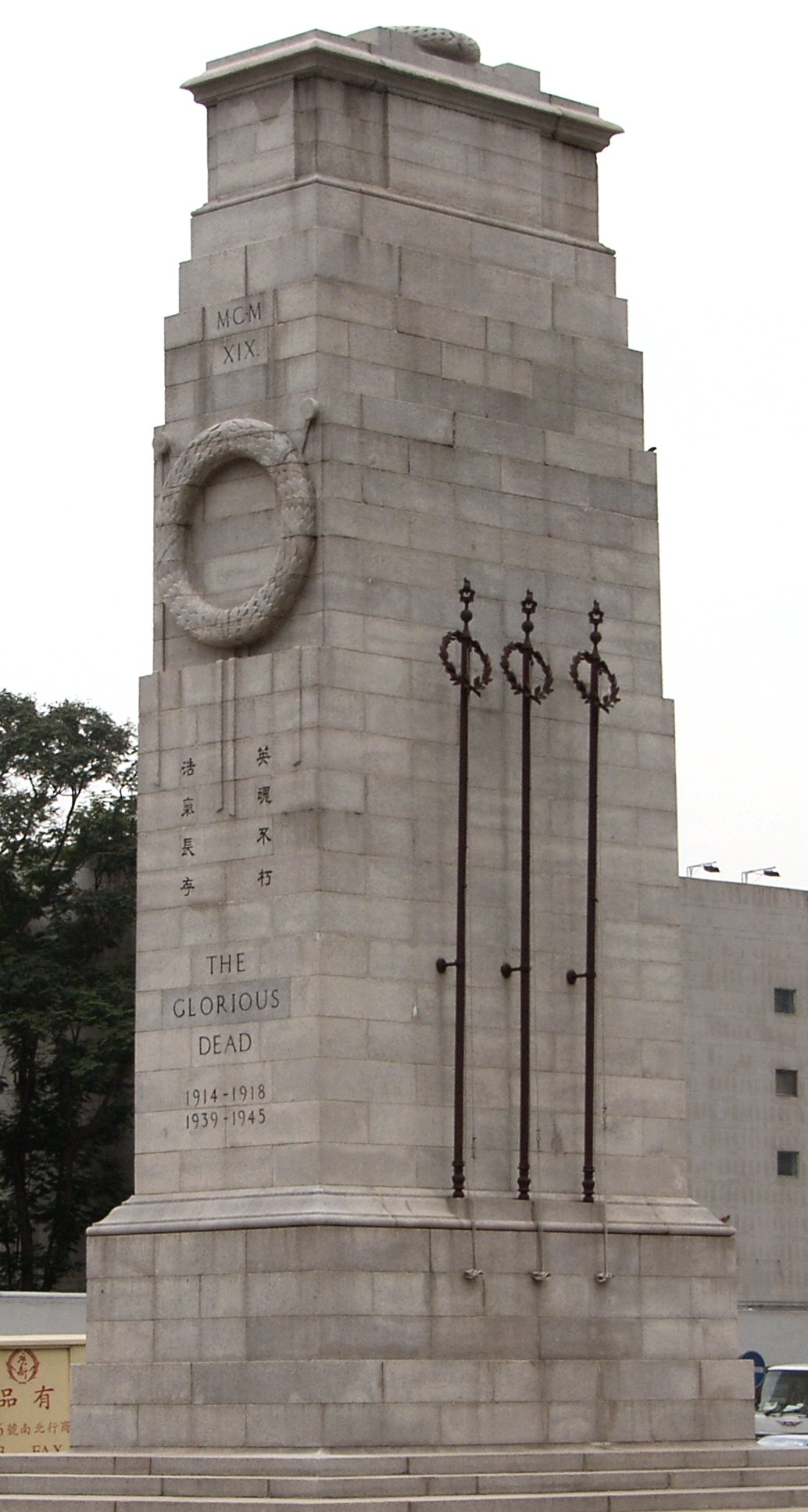
The Hong Kong Cenotaph was unveiled on 24 May 1923 by then-Governor Sir Reginald Edward Stubbs. The monument’s design is a near-replica of the Whitehall Cenotaph and was executed by Palmer & Turner, using durable granite and standing roughly 10 meters tall. Originally, it occupied a prominent waterfront location between Statue Square and City Hall, symbolizing the city’s colonial ties and the sacrifices made during World War I (AMO; Public Art Around the World).
Commemoration and Inscriptions
Initially, the Cenotaph honored only those who fell in World War I, with the inscription “The Glorious Dead” and the years “1914–1918.” After World War II, the years “1939–1945” were added, broadening its commemorative scope, especially following the heavy casualties during the Battle of Hong Kong. The addition of the Chinese inscription 英魂不朽 浩氣長存 (“May their martyred souls be immortal, and their noble spirits endure”) in the 1970s and 1980s further recognized the sacrifices of local Chinese defenders and civilians, transforming the monument into a symbol for all Hong Kong people (AMO; AMO PDF).
Evolution of the Memorial
Declared a protected monument in 2013, the Cenotaph remains one of Hong Kong’s most intact examples of Classical Revival architecture. Its annual Remembrance Sunday ceremonies, first consolidated in 1981, continue to draw diverse communities, officials, and faith groups. Even after the 1997 handover, these commemorations persist, reflecting the city’s enduring connection to its past and its multicultural ethos (Kiddle; Wikipedia).
Visiting Information
Hours and Admission
- Open 24 hours a day, 7 days a week. The Cenotaph is an outdoor public monument; visitors can approach the site at any time.
- No tickets or admission fee are required; the monument is freely accessible to all (hongkongfreetours.com).
Location and Accessibility
- Address: Statue Square, Central, Hong Kong Island, adjacent to City Hall and the Former Supreme Court Building.
- Nearest MTR: Central Station (Exit J1 or D2); a short walk from the station brings you directly to the monument.
- By Tram: The historic “ding ding” trams run along nearby Des Voeux Road.
- By Bus/Taxi: Numerous city bus routes and taxis serve the Central district.
- Accessibility: The plaza is flat, paved, and wheelchair friendly, with ramps and unobstructed approaches (hongkongfreetours.com).
How to Get There
- From Central MTR Station, take Exit J1 or D2 and walk 2–5 minutes towards Statue Square.
- The site is also easily accessed on foot from nearby attractions such as Chater Garden and St. John’s Cathedral.
Events and Ceremonies
Remembrance Sunday
Held annually on the Sunday closest to November 11, Remembrance Sunday is the most significant event at the Cenotaph. Organized by the Royal British Legion and Hong Kong Ex-Servicemen’s Association, the ceremony includes the laying of wreaths, two minutes of silence, and performances by the Hong Kong Police Pipe Band. Visitors are welcome to attend but should expect large crowds and cordoned areas during the event (AMO PDF).
Chung Yeung Festival
Since 1998, official commemorations have also been held at the nearby City Hall Memorial Shrine during the Chung Yeung Festival, with the Cenotaph remaining the primary site for public remembrance.
Nearby Attractions
The Cenotaph’s strategic location allows for easy exploration of other historic and cultural sites:
- City Hall: Cultural complex with concert halls, exhibitions, and a public library.
- Statue Square: Open plaza with historic statues and green spaces.
- St. John’s Cathedral: Oldest Anglican church in the Far East.
- Former Supreme Court Building: Colonial-era architecture and landmark.
- Chater Garden: Landscaped park perfect for relaxation.
- Flagstaff House Museum of Tea Ware: Colonial museum dedicated to tea culture.
Visitor Guidelines and Tips
- Respect the solemnity of the site: keep noise to a minimum and avoid disruptive behavior.
- Photography is allowed but refrain from climbing on the monument or obstructing ceremonies.
- Best times to visit: Early morning or late afternoon for quieter visits and optimal lighting.
- Combine your visit with a walking tour of Central to experience more of Hong Kong’s heritage.
- Accessibility: The site is suitable for visitors with mobility needs; nearby amenities include public restrooms at City Hall and numerous cafes and shops.
- Weather: Prepare for Hong Kong’s subtropical climate—bring water and sun protection.
Frequently Asked Questions (FAQ)
Q: What are the visiting hours for the Hong Kong Cenotaph?
A: The Cenotaph is open 24/7 as a public outdoor monument.
Q: Is there an entrance fee or ticket required?
A: No, it is free to visit and no tickets are needed.
Q: Is the Cenotaph wheelchair accessible?
A: Yes, the site and surrounding plaza are flat and accessible.
Q: Are guided tours available?
A: Many historical walking tours of Central include the Cenotaph as a highlight.
Q: When can I witness ceremonies?
A: Major events occur on Remembrance Sunday (nearest to November 11) and during the Chung Yeung Festival.
Listen to the full story in the app
The whole The Cenotaph,
told well.
Audio guides for 1,100+ cities across 96 countries. History, stories, and local insight — offline ready.
Verified, and shown.
Researched and written by the Audiala editorial team from historical records, architectural archives, and local expertise.
Researched from Wikidata, Wikipedia & official sources · fact-checked · How we make our guides →