Plan and listen to Stonecutters Bridge with Audiala.
Audio guide in your pocket, itinerary in your browser. Built for the way you actually visit.
Introduction
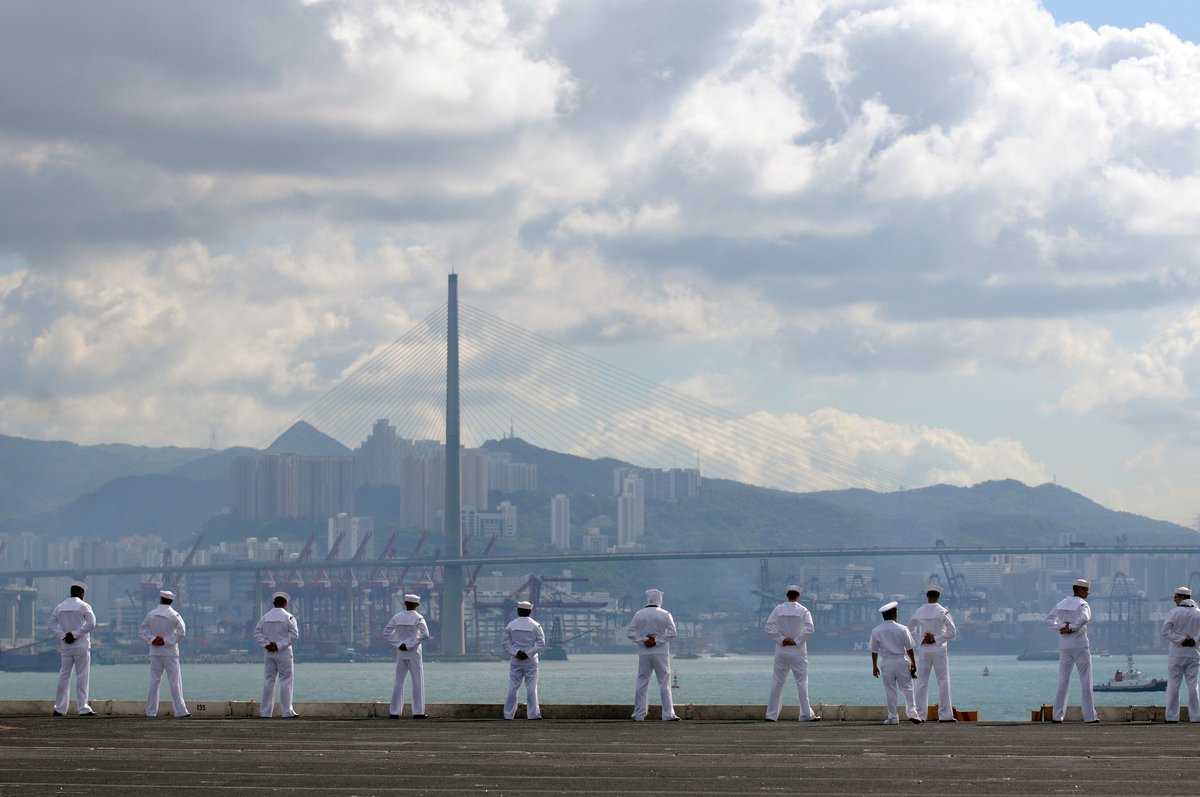
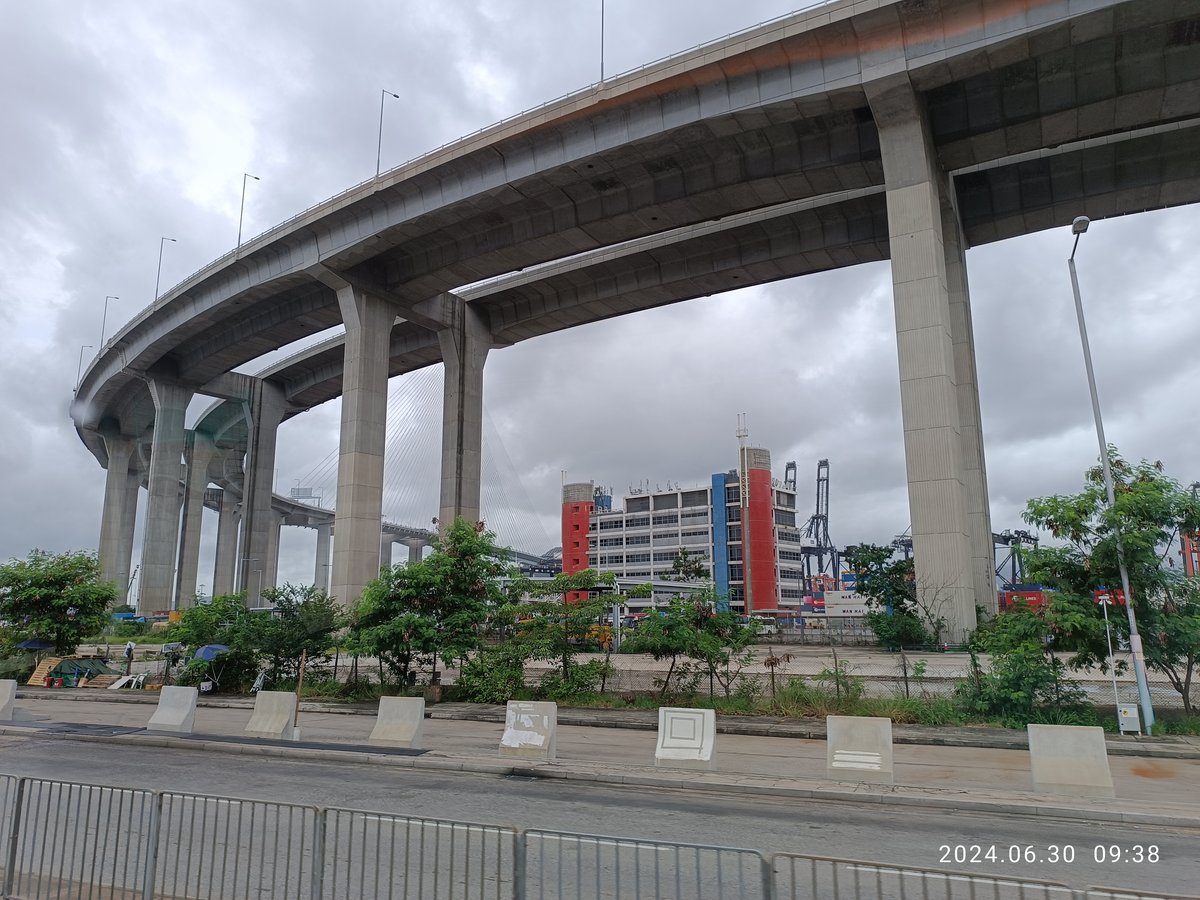
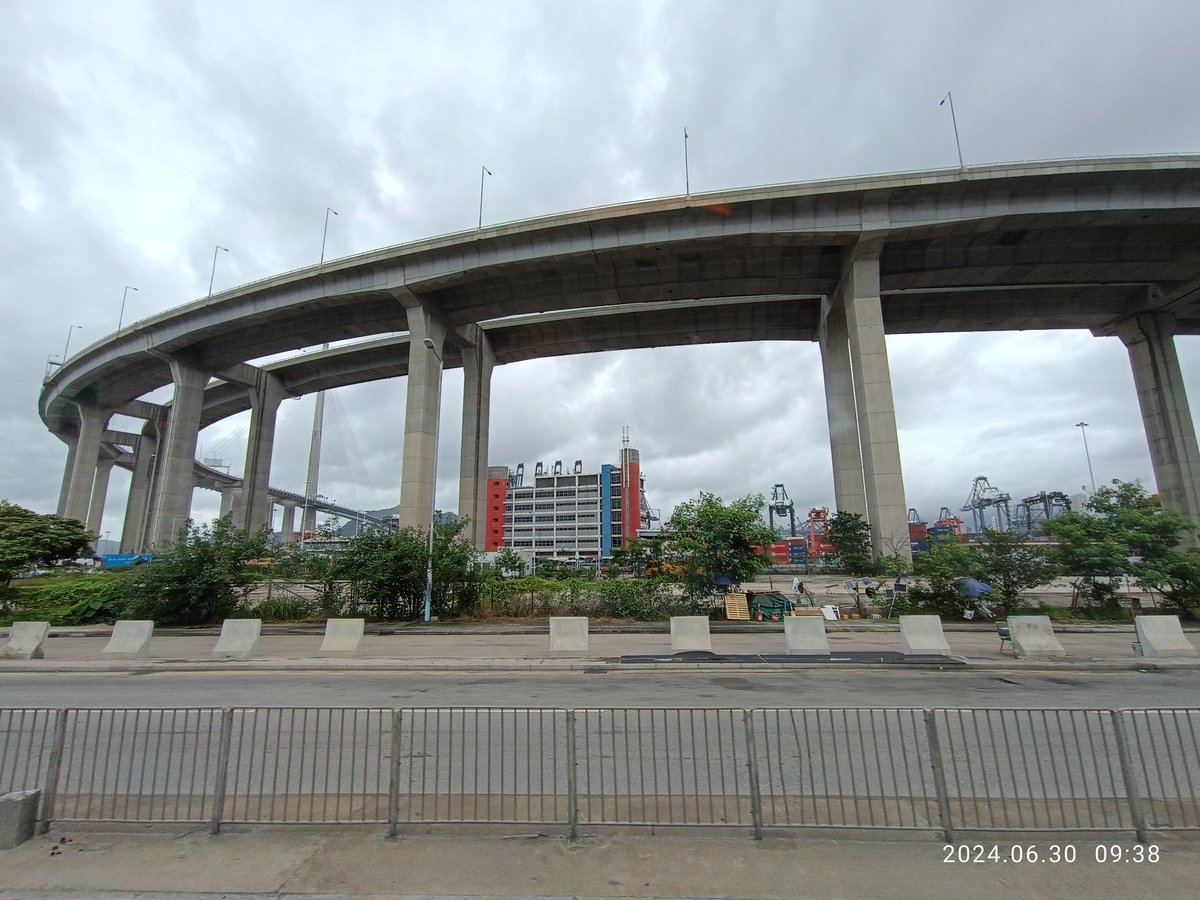
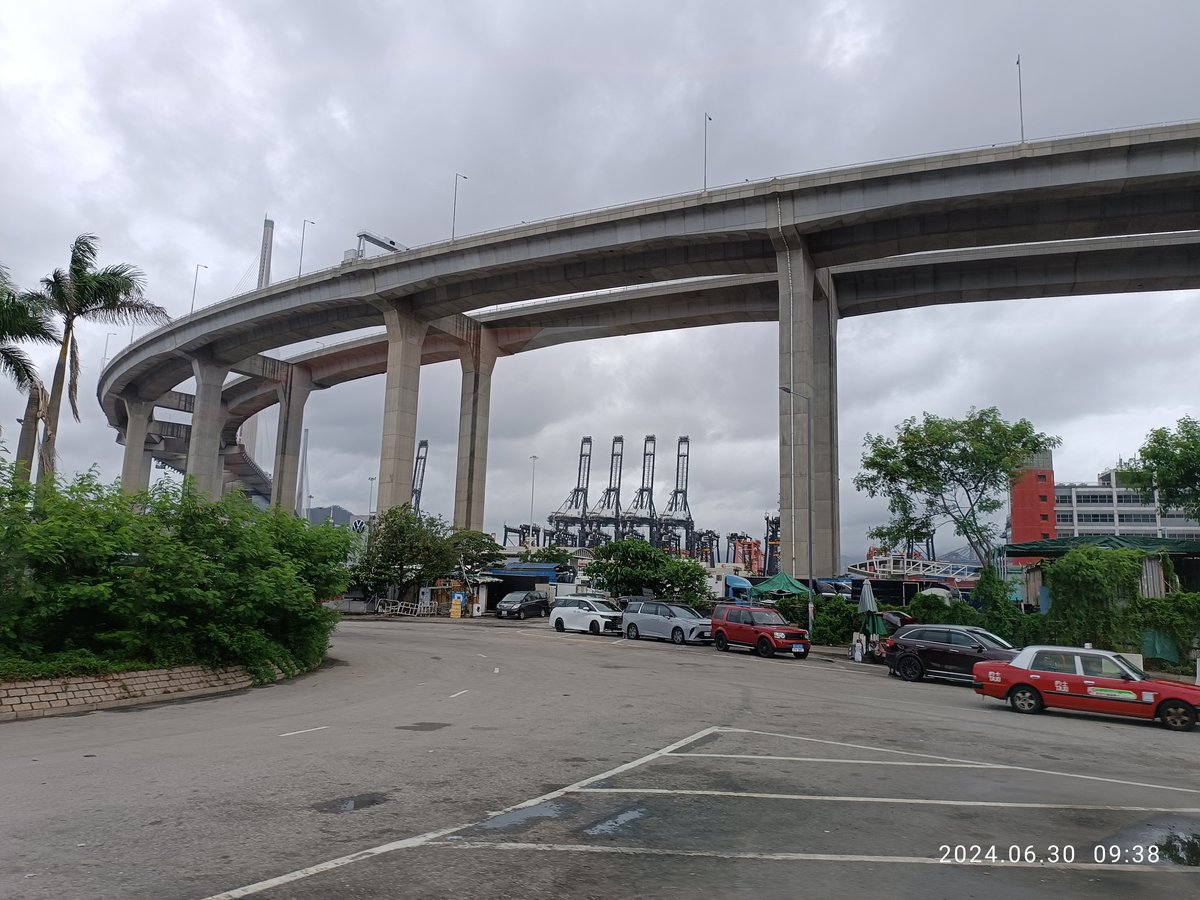
Stonecutters Bridge, known locally as 昂船洲大橋, is an iconic structure in Hong Kong that embodies the city's relentless progress and innovative spirit. Completed in 2009, this marvel of modern engineering connects Tsing Yi and Stonecutters Island, significantly enhancing the efficiency of the Kwai Tsing Container Terminals—one of the busiest ports in the world. The bridge's construction was part of Hong Kong's ambitious infrastructure development plans conceived in the late 1980s, aimed at improving the region's transportation network (Arup). The bridge's design, a collaborative effort involving leading engineering firms such as Arup and Maeda Corporation, features a cable-stayed structure with a main span of 1,018 meters and towers standing at 298 meters (Highways Department). This comprehensive guide explores the history, significance, and visitor information for those looking to experience this landmark firsthand.






History of Stonecutters Bridge, Hong Kong
Early Planning and Conception
The idea for the Stonecutters Bridge was first conceived in the late 1980s as part of Hong Kong's ambitious infrastructure development plans. The bridge was envisioned to connect the rapidly developing areas of Tsing Yi and Stonecutters Island, facilitating smoother traffic flow and enhancing the efficiency of the Kwai Tsing Container Terminals, one of the busiest ports in the world. The initial feasibility studies and environmental impact assessments were conducted in the early 1990s, laying the groundwork for what would become one of the most iconic structures in Hong Kong.
Design and Engineering
The design of Stonecutters Bridge was a collaborative effort involving some of the world's leading engineering firms. The final design was selected through an international competition held in 2000, which was won by a consortium led by the British engineering firm Arup and the Japanese construction company Maeda Corporation. The bridge's design is a cable-stayed structure with a main span of 1,018 meters, making it one of the longest cable-stayed bridges in the world. The bridge's towers, standing at 298 meters, are among the tallest in the world for this type of structure. The design also incorporates advanced aerodynamic features to withstand typhoons, which are common in the region (Arup).
Construction Milestones
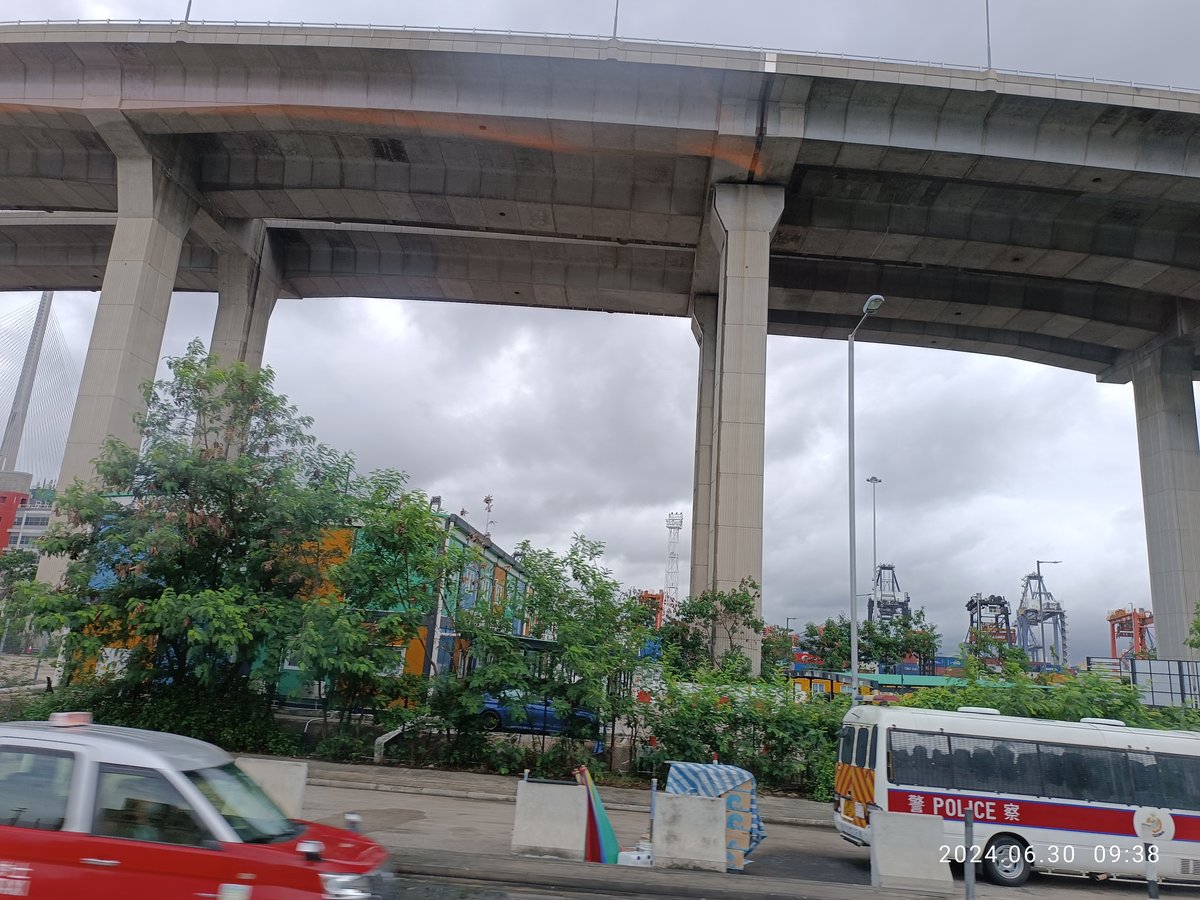
Construction of the Stonecutters Bridge began in April 2004 and was completed in December 2009. The project faced numerous challenges, including the need to construct the bridge over one of the busiest shipping lanes in the world. To minimize disruption, much of the construction was carried out at night. The bridge's deck was constructed using a combination of precast concrete segments and in-situ concrete, with the segments being lifted into place using a specially designed gantry crane. The construction process also involved the use of advanced GPS technology to ensure precise alignment of the bridge's components (Highways Department).
Visitor Information
Visiting Hours and Tickets
While the Stonecutters Bridge itself is a vehicular bridge and does not offer dedicated pedestrian access, there are several vantage points from which visitors can view and photograph this engineering marvel. Visiting hours for these viewpoints are generally from sunrise to sunset. There is no ticket required to view the bridge from public areas, making it an accessible attraction for all.
Guided Tours and Photographic Spots
For those interested in a more in-depth experience, guided tours are available that cover the history and engineering aspects of the bridge. These tours often include visits to nearby attractions and provide excellent photographic opportunities. Popular spots for capturing the bridge include the Nam Wan Kok Viewing Point and Tsing Yi Nature Trails.
Travel Tips
Getting There
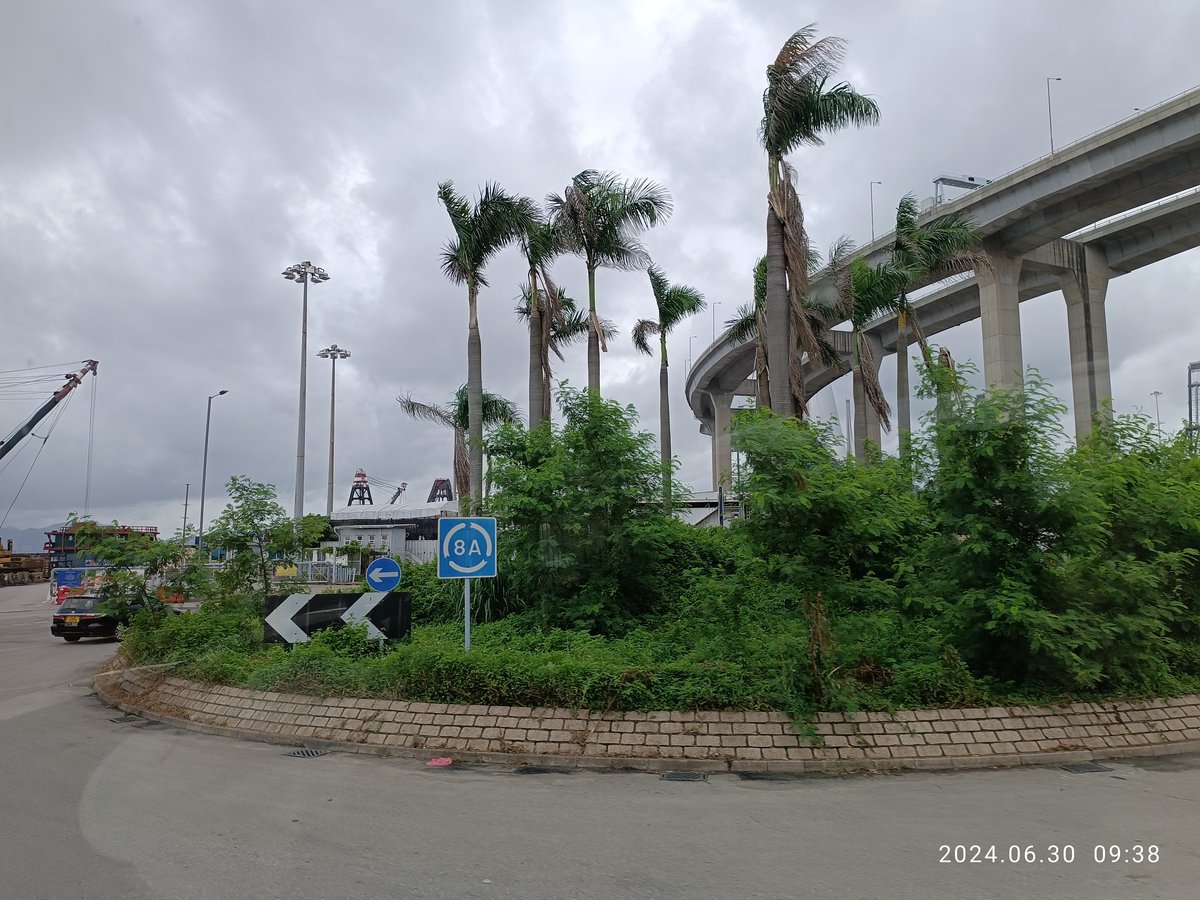
The Stonecutters Bridge can be best viewed from various points on Tsing Yi Island and Stonecutters Island. Public transport options include buses and the MTR. The nearest MTR stations are Tsing Yi and Lai King, from which you can take a bus or taxi to the viewing points.
Nearby Attractions
While visiting the Stonecutters Bridge, consider exploring nearby attractions such as the Tsing Ma Bridge, Maritime Square shopping mall, and the Tsing Yi Park. These spots offer additional leisure and educational opportunities, making your visit even more rewarding.
Cultural and Economic Significance
The Stonecutters Bridge is not just an engineering marvel; it is also a symbol of Hong Kong's economic resilience and its ability to undertake and complete large-scale infrastructure projects. The bridge has become an iconic part of Hong Kong's skyline and is featured prominently in promotional materials for the city. Economically, the bridge has enhanced the efficiency of the Kwai Tsing Container Terminals, contributing to Hong Kong's status as one of the world's leading logistics hubs. The bridge has also spurred development in the surrounding areas, leading to increased property values and new commercial opportunities (Hong Kong Trade Development Council).
Technological Innovations
One of the most remarkable aspects of the Stonecutters Bridge is the technological innovations that were employed during its construction. The bridge features a sophisticated monitoring system that includes sensors to measure wind speed, temperature, and structural strain. This data is continuously analyzed to ensure the bridge's safety and longevity. The bridge also incorporates advanced materials, such as high-performance concrete and corrosion-resistant steel, to withstand the harsh marine environment. These innovations have set new standards for bridge construction and have been studied by engineers and architects worldwide (Engineering News-Record).
Awards and Recognition
Since its completion, the Stonecutters Bridge has received numerous awards and accolades. In 2010, it won the Supreme Award for Structural Engineering Excellence from the Institution of Structural Engineers, recognizing its innovative design and construction. The bridge has also been featured in various engineering journals and has been the subject of numerous academic studies. Its success has cemented Hong Kong's reputation as a leader in infrastructure development and has inspired similar projects around the world (Institution of Structural Engineers).
Future Prospects
Looking ahead, the Stonecutters Bridge is expected to continue playing a vital role in Hong Kong's transportation network. Plans are underway to further enhance the bridge's connectivity with other major infrastructure projects, such as the Hong Kong-Zhuhai-Macao Bridge and the Guangzhou-Shenzhen-Hong Kong Express Rail Link. These developments will further integrate Hong Kong with the Greater Bay Area, creating new economic opportunities and reinforcing the city's position as a global logistics hub (Greater Bay Area Development Office).
FAQ
- What are the visiting hours for the Stonecutters Bridge? The bridge itself is not open to pedestrians, but nearby viewing points are generally accessible from sunrise to sunset.
- Do I need a ticket to visit the Stonecutters Bridge? No, there is no ticket required to view the bridge from public areas.
- Are there guided tours available? Yes, guided tours that cover the history and engineering of the bridge are available and often include visits to nearby attractions.
- How do I get to the Stonecutters Bridge? The bridge can be best viewed from Tsing Yi Island and Stonecutters Island. Public transport options include buses and the MTR, with the nearest stations being Tsing Yi and Lai King.
- What are some nearby attractions? Nearby attractions include the Tsing Ma Bridge, Maritime Square shopping mall, and Tsing Yi Park.
Listen to the full story in the app
The whole Stonecutters Bridge,
told well.
Audio guides for 1,100+ cities across 96 countries. History, stories, and local insight — offline ready.
Verified, and shown.
Researched and written by the Audiala editorial team from historical records, architectural archives, and local expertise.
Stonecutters Bridge
Stonecutters Bridge Project
Stonecutters Bridge, Hong Kong
Stonecutters Bridge
Researched from Wikidata, Wikipedia & official sources · fact-checked · How we make our guides →