Plan and listen to Statue Square with Audiala.
Audio guide in your pocket, itinerary in your browser. Built for the way you actually visit.
Introduction
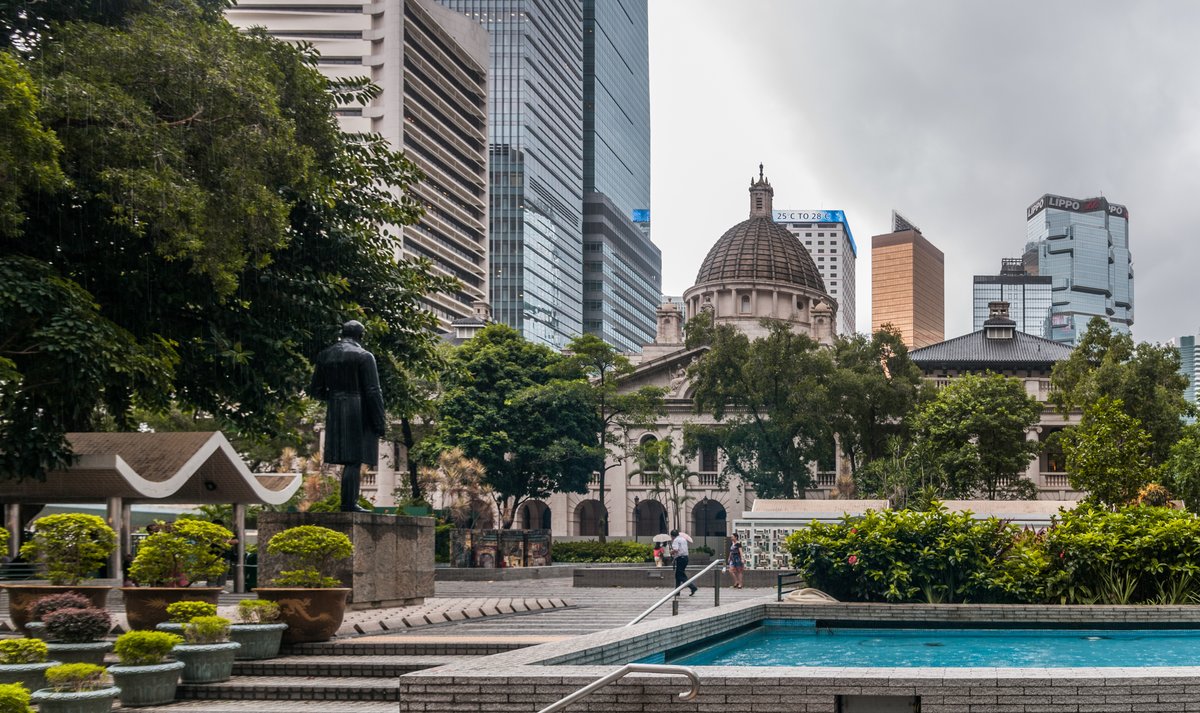
Statue Square, nestled in the heart of Hong Kong’s Central district, is a distinguished public space where colonial heritage meets modern city life. Established during the late 19th century under British colonial rule, the square was once adorned with statues of British royalty, symbolizing the city’s imperial ties and civic pride. Despite transformations over time, Statue Square remains a vital landmark—serving as a bridge between Hong Kong’s storied past and its cosmopolitan present.
Flanked by architectural icons such as the HSBC Headquarters, the Old Supreme Court (now the Court of Final Appeal), and the Legislative Council Complex, the square embodies Hong Kong’s transformation from a colonial outpost to a global financial powerhouse. It also plays a unique role as a social hub, hosting the vibrant Sunday gatherings of the city’s Filipino domestic worker community and various cultural events.
This detailed guide delves into Statue Square’s historical origins, urban evolution, social and cultural significance, and provides practical information on visiting hours, accessibility, guided tours, and nearby attractions. Whether you are a history enthusiast, architecture lover, or cultural explorer, Statue Square offers a multifaceted glimpse into Hong Kong’s identity.
For additional insights, see A View On Cities, Lonely Planet, and Hong Kong Cheapo.


The Historical Origins of Statue Square
Founded in the late 19th century, Statue Square was conceived as a ceremonial public plaza symbolizing British imperial presence in Hong Kong (A View On Cities). Named for the statues of British royalty and colonial dignitaries—including Queen Victoria, Prince Albert, and Sir Thomas Jackson—that originally graced its grounds, the square was designed to impress, offering sweeping views of Victoria Harbour (prior to later land reclamation).
Colonial Legacy and Urban Evolution
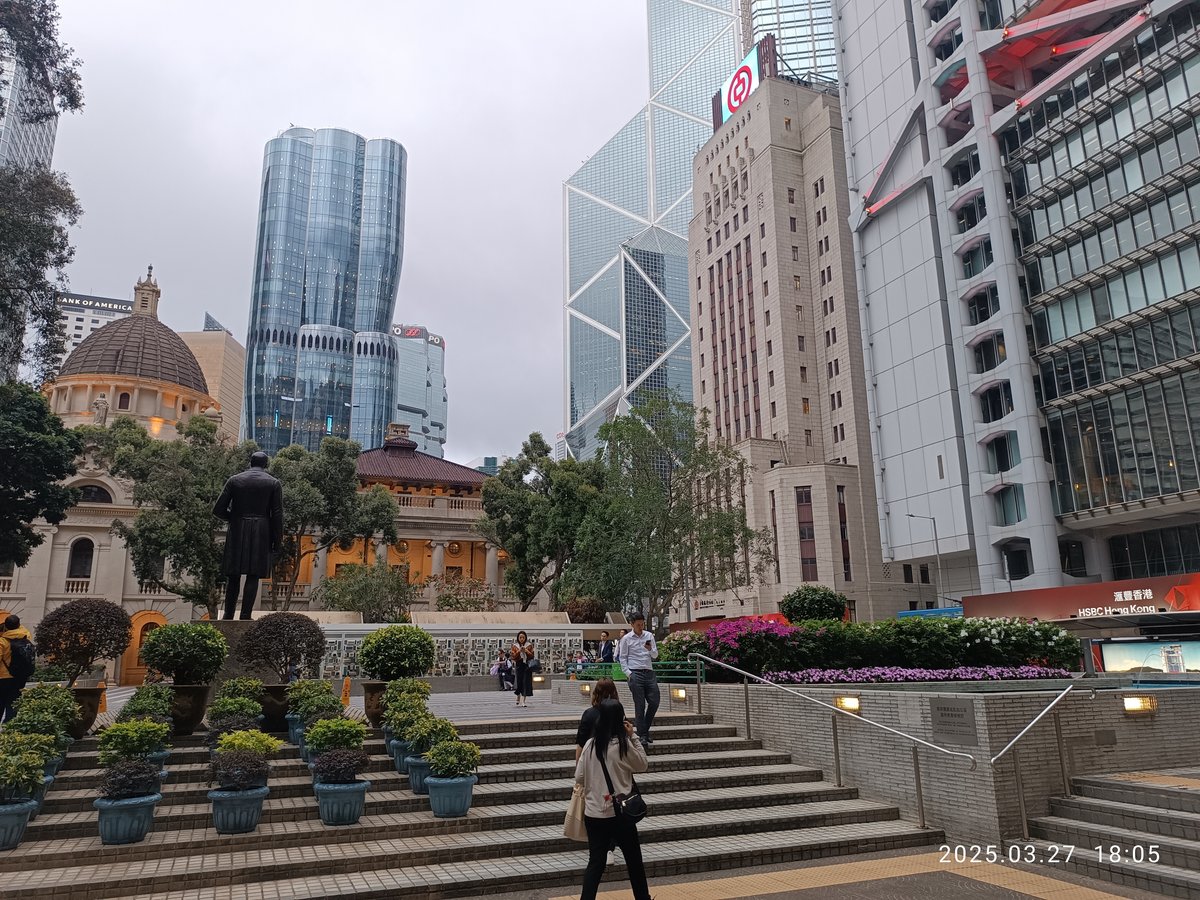
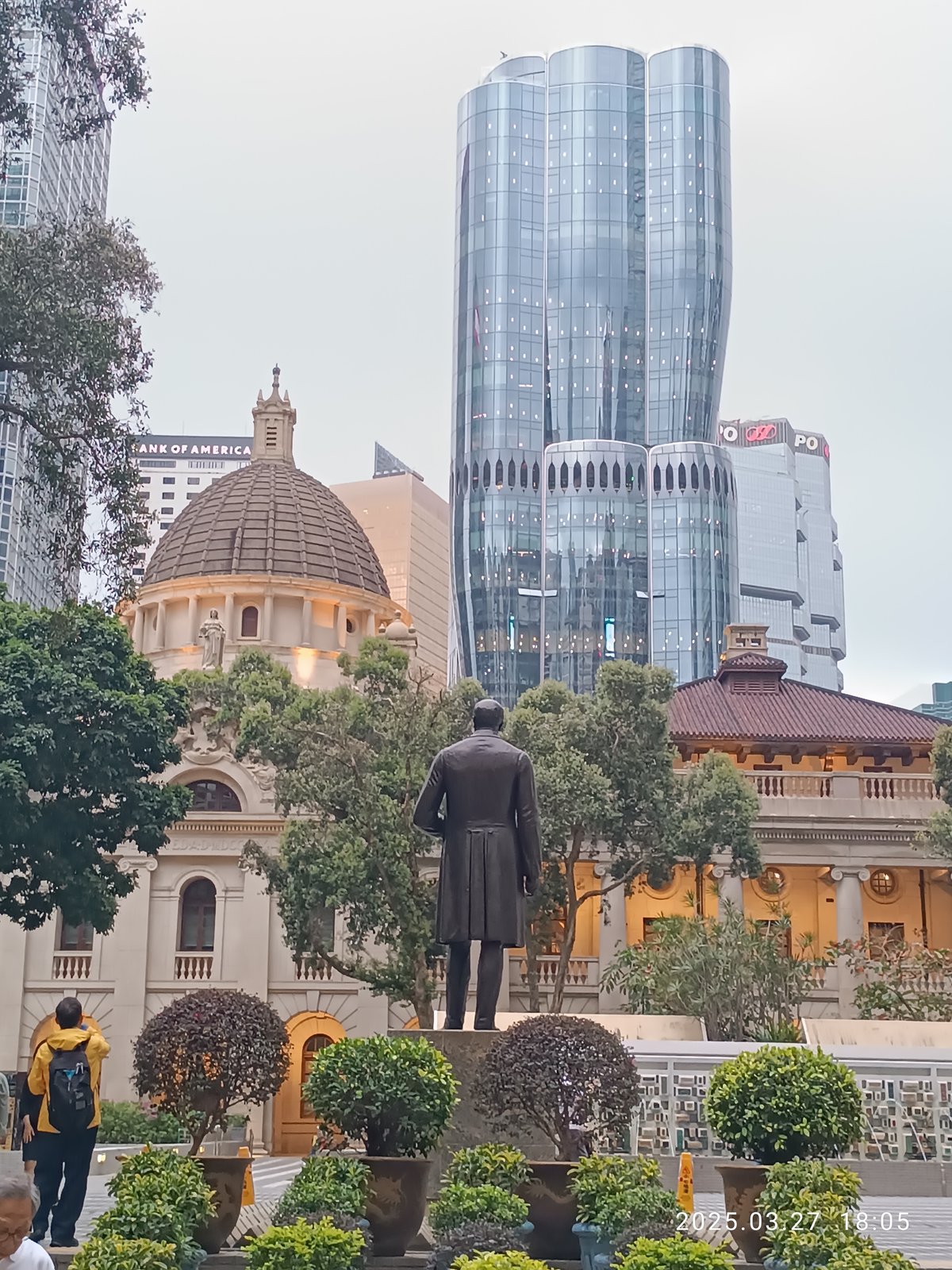
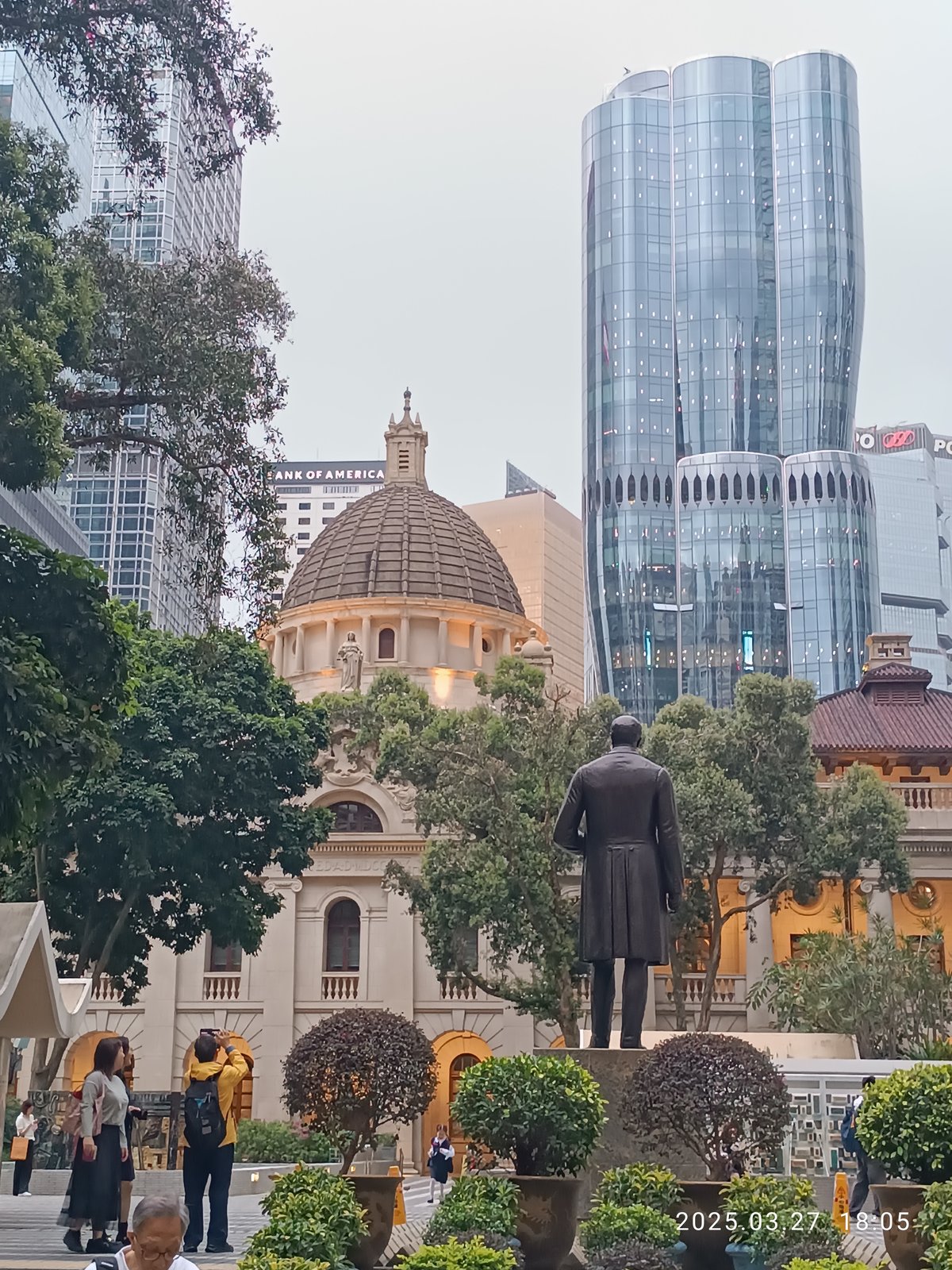
The square’s surroundings chart the city’s evolution from colonial administration to modern commerce. The Old Supreme Court Building (now the Court of Final Appeal), the HSBC Headquarters, Jardine House, and the Bank of China Building form a unique architectural tableau, juxtaposing neoclassical facades with glass-and-steel skyscrapers (Lonely Planet). This blend of old and new reflects Hong Kong’s East-meets-West character and underscores the square’s continuing civic role.
Wartime Turmoil and Restoration
During World War II, the Japanese occupation led to the removal and intended destruction of the square’s statues and the iconic HSBC bronze lions. Fortunately, many of these artifacts were recovered and returned post-war (A View On Cities). Subsequent decades saw further modifications, including landscape enhancements and the installation of the Cenotaph—a solemn war memorial modeled after London’s Whitehall Cenotaph—at the square’s northern end.
Social and Civic Significance
Statue Square is more than a historical site; it is a living civic space. Its open layout, seating, and shaded trees offer respite in the bustling business district, attracting office workers, tourists, and residents alike (Lonely Travelogue). Most notably, every Sunday, thousands of Filipino domestic workers gather here, transforming the square into a vibrant community hub—a testament to Hong Kong’s multicultural identity.
The square also serves as a venue for public ceremonies, protests, and major festivals, such as the annual WinterFest when it is transformed with Christmas decorations and events (A View On Cities).
Architectural Highlights
- HSBC Headquarters: Designed by Sir Norman Foster, this landmark building exemplifies modern architecture and public accessibility (Lonely Travelogue).
- Court of Final Appeal: Housed in the neoclassical former Supreme Court building.
- Jardine House: Hong Kong’s first skyscraper.
- The Cenotaph: War memorial for Hong Kong’s fallen, central to Remembrance Day ceremonies (Lonely Planet).
- Sir Thomas Jackson Statue: The only remaining colonial statue, honoring the influential HSBC manager (Wikipedia).
Visitor Information: Hours, Tickets, and Accessibility
- Visiting Hours: Statue Square is open 24 hours a day, seven days a week (Discover Hong Kong).
- Tickets: No entrance fee—public access is free at all times.
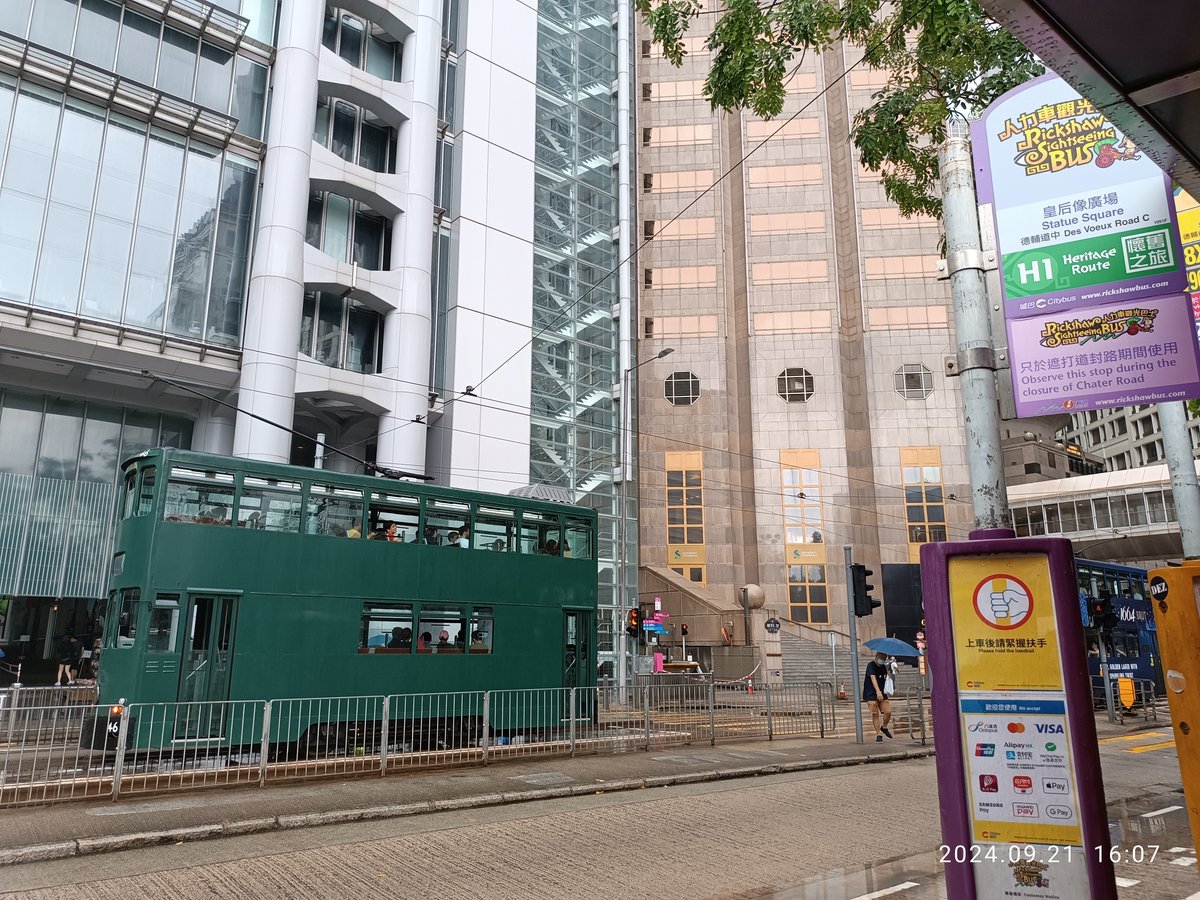
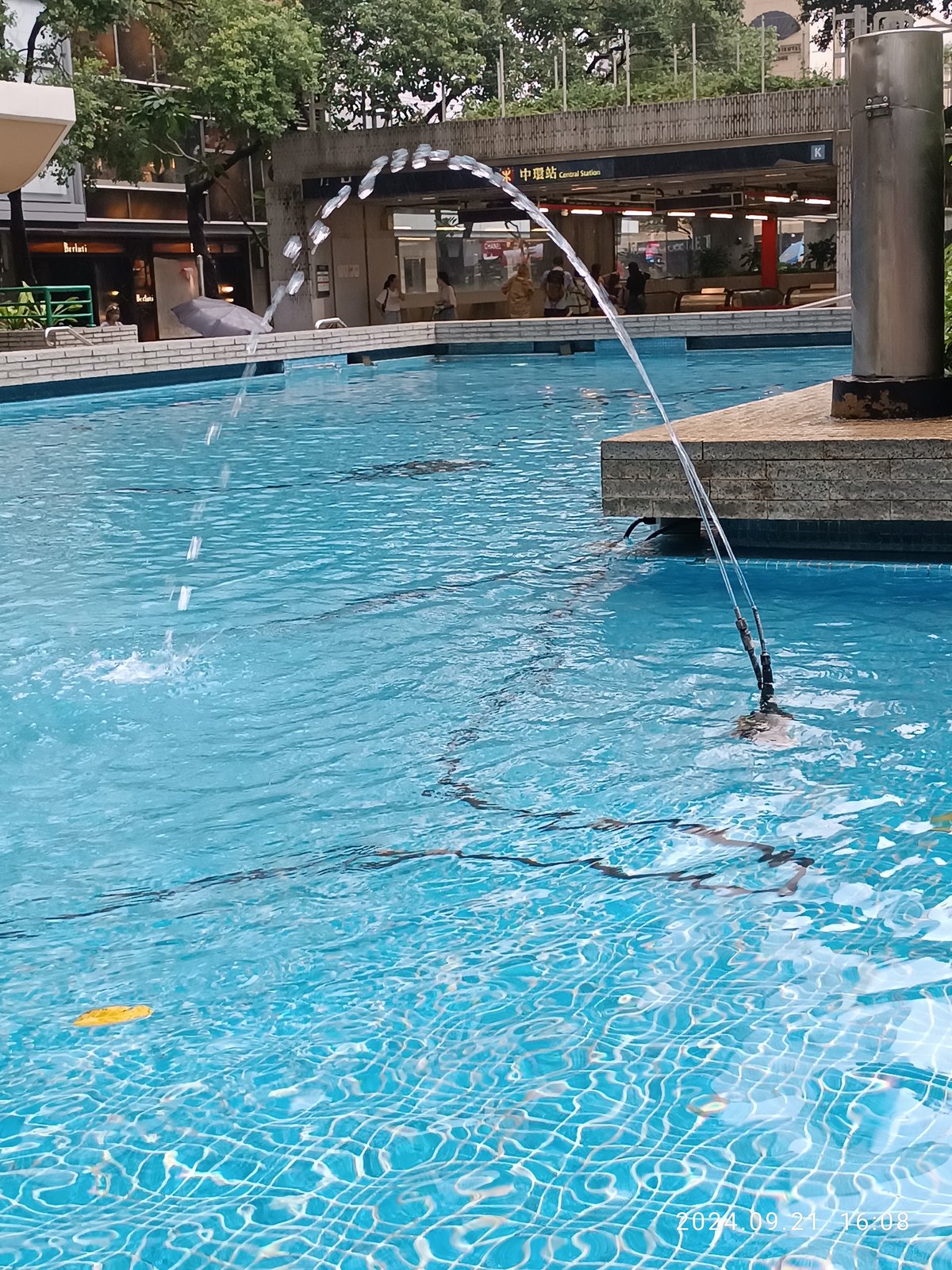
- Accessibility: Wheelchair accessible with ramps and smooth paths. Central MTR Station (Exit K) provides direct access. Buses, trams, and the Star Ferry terminal are all nearby (Hong Kong Cheapo).
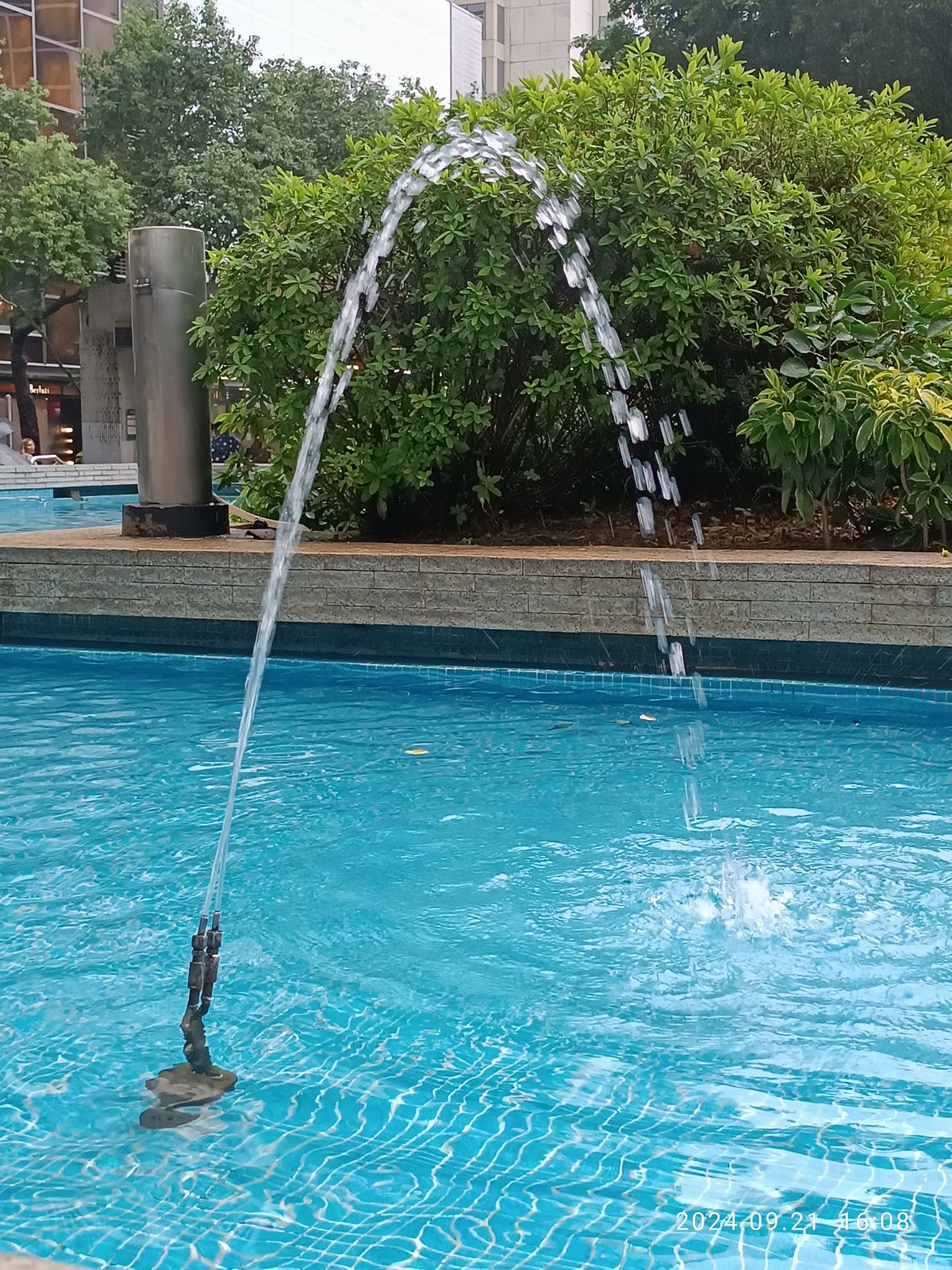
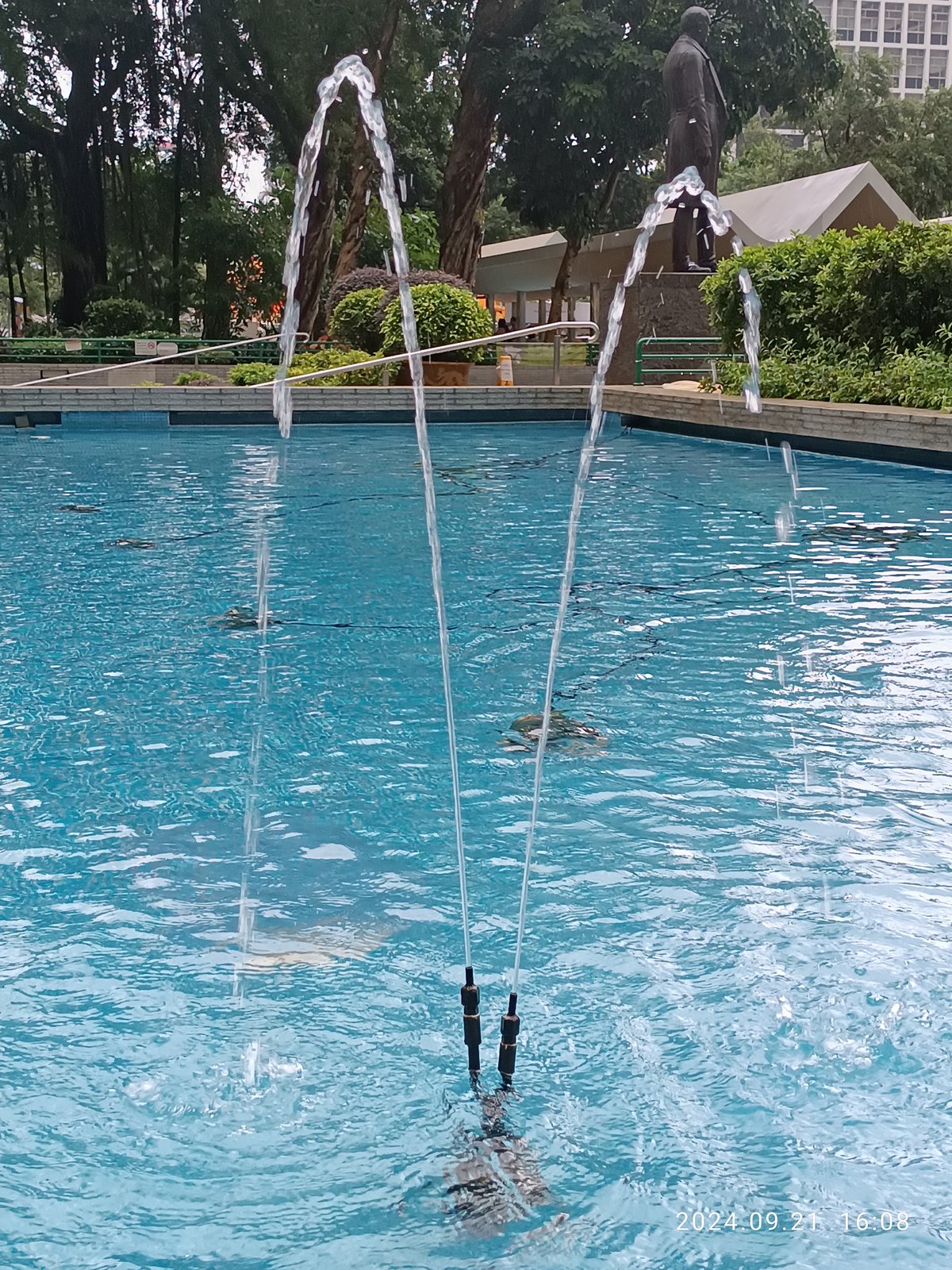
- Facilities: Benches, shaded areas, water features, and public restrooms are available (Holidify).
Activities and Cultural Events
Everyday Atmosphere
Statue Square is a tranquil spot on weekdays, ideal for relaxation, people-watching, or appreciating the interplay of historic and modern architecture.
Sundays: Cultural Gathering
Sundays are marked by the lively congregation of the Filipino community. Music, food, and camaraderie create a festive atmosphere, offering insight into Hong Kong’s social mosaic. Visitors should be respectful and request permission before photographing individuals (Wikipedia).
Special Events
The square often hosts public art displays, holiday festivities, and major city events, especially during Christmas and Chinese New Year (Hong Kong Cheapo).
Key Sights and Surroundings
- The Cenotaph: War memorial adjacent to the square (Wikipedia).
- HSBC Headquarters: A marvel of modern architecture.
- Former Supreme Court (Court of Final Appeal): Neoclassical heritage building.
- Prince’s Building and Hong Kong Club Building: Luxury commercial and private club spaces (J3 Consultants).
- Ceramic Water Feature: Installed in the 1960s by Antonio Casadei (J3 Consultants).
Practical Travel Tips
- Best Times to Visit: Weekdays for a calm experience; Sundays for vibrant cultural activities. Evenings are ideal for cityscape photography (J3 Consultants).
- Nearby Attractions: Central Market, PMQ (creative hub), Lan Kwai Fong (nightlife), Hong Kong Observation Wheel, and Star Ferry Pier (Discover Hong Kong).
- Sustainability: Bring a reusable water bottle; use the “Water for Free” app for water refill stations (Discover Hong Kong).
- Safety and Etiquette: Respect Sunday gatherings, keep personal belongings secure, and protect yourself from the heat, especially in summer (TravelTriangle).
Frequently Asked Questions (FAQ)
Q: What are Statue Square’s visiting hours?
A: Statue Square is open 24/7; no tickets or reservations are needed (Discover Hong Kong).
Q: Is Statue Square wheelchair accessible?
A: Yes, there are ramps and smooth pathways throughout the square.
Q: How do I get to Statue Square?
A: Take the MTR to Central Station (Exit K), or use nearby bus, tram, or ferry routes.
Q: Are guided tours available?
A: Yes, many historical and cultural walking tours of Central include Statue Square (Lonely Planet).
Q: Are there public events at Statue Square?
A: Yes, the square occasionally hosts public art installations, ceremonies, and citywide celebrations.
Listen to the full story in the app
The whole Statue Square,
told well.
Audio guides for 1,100+ cities across 96 countries. History, stories, and local insight — offline ready.
Verified, and shown.
Researched and written by the Audiala editorial team from historical records, architectural archives, and local expertise.
Researched from Wikidata, Wikipedia & official sources · fact-checked · How we make our guides →