
Historical Background and Evolution
Origins and Role in Public Health
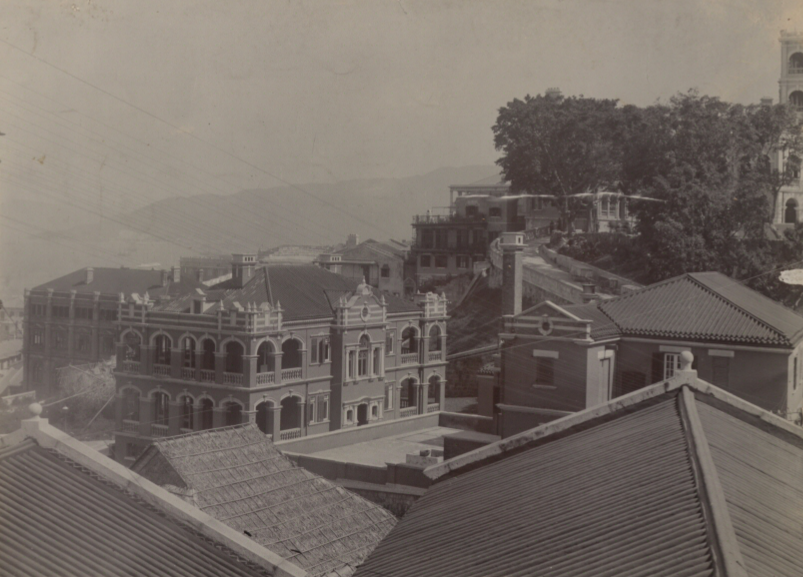
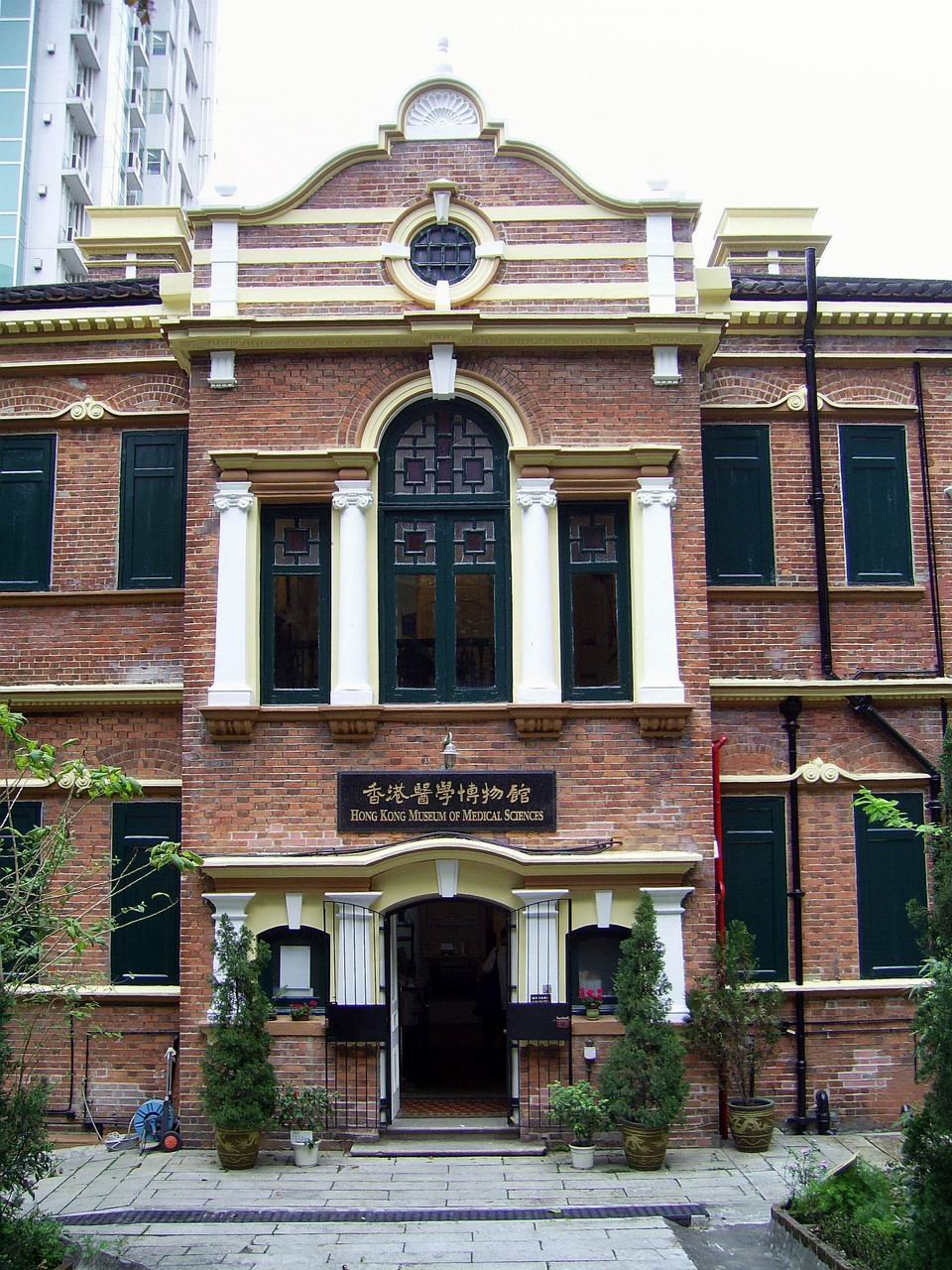
The museum is located in the former Bacteriological Institute, constructed in 1906 as Hong Kong’s first purpose-built medical laboratory. This facility played a pivotal role in the city’s fight against the 1894 bubonic plague and subsequent epidemics, conducting groundbreaking research in bacteriology, vaccine production, and diagnostics. The Institute’s work laid the foundation for modern public health policy and medical education in Hong Kong, fostering collaboration between local and international experts. (Hong Kong Museum of Medical Sciences)
Transformation into a Museum
By the late 20th century, the original functions of the laboratory had become obsolete, leading to its repurposing as the HKMMS in 1996. The museum now preserves and presents the legacy of both Western and Traditional Chinese Medicine, offering a comprehensive view of Hong Kong’s medical journey through artifacts, archival materials, and interactive displays.
Architectural Heritage and Design
Edwardian and Cross-Cultural Elements
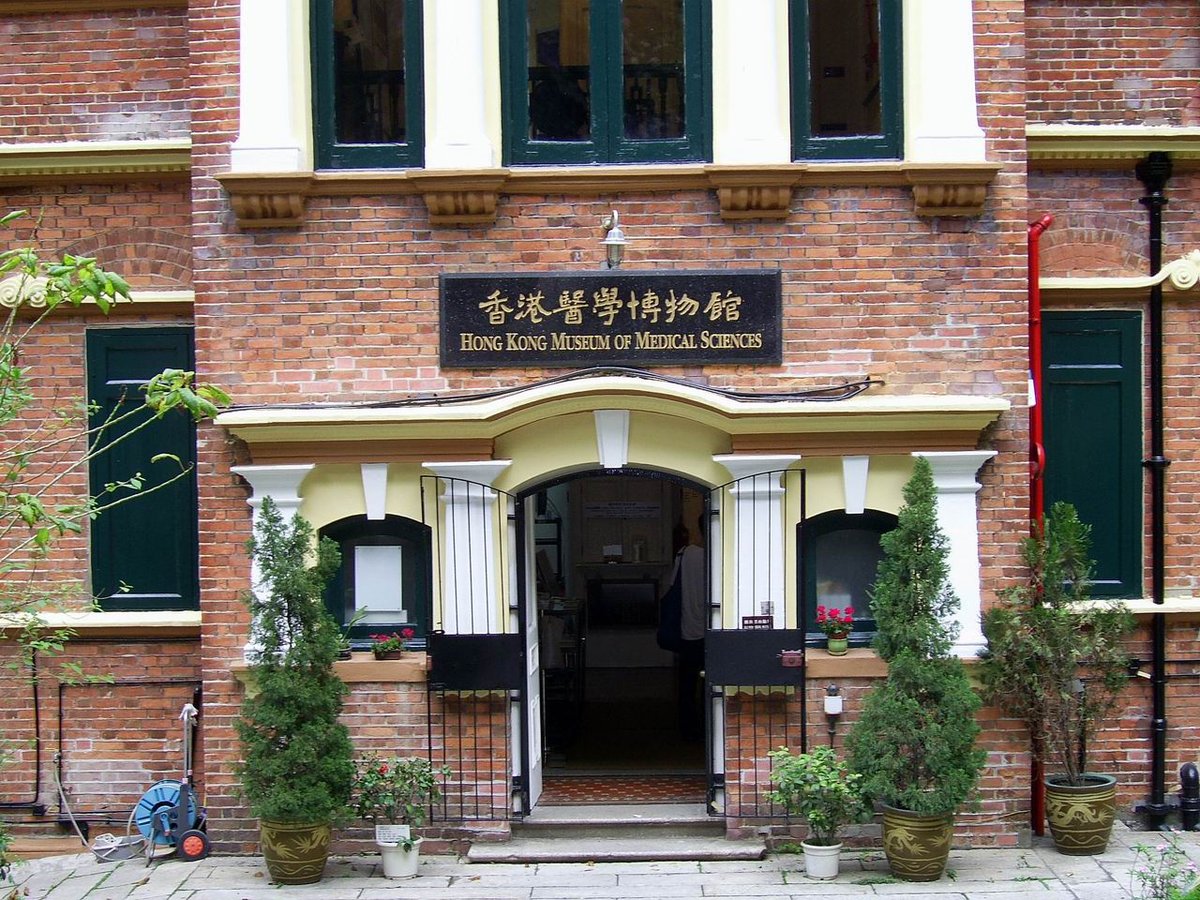
The HKMMS building is a declared monument, exemplifying Edwardian architecture with its red-brick façade, arched windows, classical columns, and period ornamentation (Wikipedia). The design, by Leigh & Orange, incorporates features adapted to Hong Kong’s climate, such as wide verandahs and cross-ventilated windows. Notably, the structure blends Western and Chinese elements—green-glazed roof tiles and floral wooden grilles reflect local influences, while flask-shaped finials symbolize its medical origins. (Google Arts & Culture)
Interior Highlights
Inside, visitors encounter a grand timber staircase with Chinese-inspired balusters, decorative plaster ceilings, and original fireplaces. The building’s careful restoration maintains its historical integrity, allowing guests to experience the atmosphere of early 20th-century medical science. (Google Arts & Culture)
Visiting Hours, Tickets, and Location
Opening Hours
- Tuesday to Saturday 10:00 AM – 5:00 PM
- Sunday and Public Holidays 1:00 PM – 5:00 PM
- Closed on Mondays (except public holidays), Christmas Day, New Year's Day, and the first three days of Chinese New Year. Early closure at 3:00 PM on Christmas Eve and Chinese New Year's Eve. (HKMMS official website)
Admission Fees
- Adults HKD 20
- Concessions (students, children under 6, seniors, people with disabilities) HKD 10
- Family Ticket (up to 2 adults and 3 children) HKD 50
- Group Discount 30% for groups of 15 or more (advance booking required)
Location and Getting There
- Address 2 Caine Lane, Mid-Levels, Sheung Wan, Hong Kong
- By MTR Sai Ying Pun Station (Island Line), short walk or bus ride to Caine Road
- By Bus/Minibus Alight at Ladder Street stop on Caine Road, walk down Ladder Street, then left into Caine Lane
- By Taxi Direct drop-off at museum entrance (limited parking available)
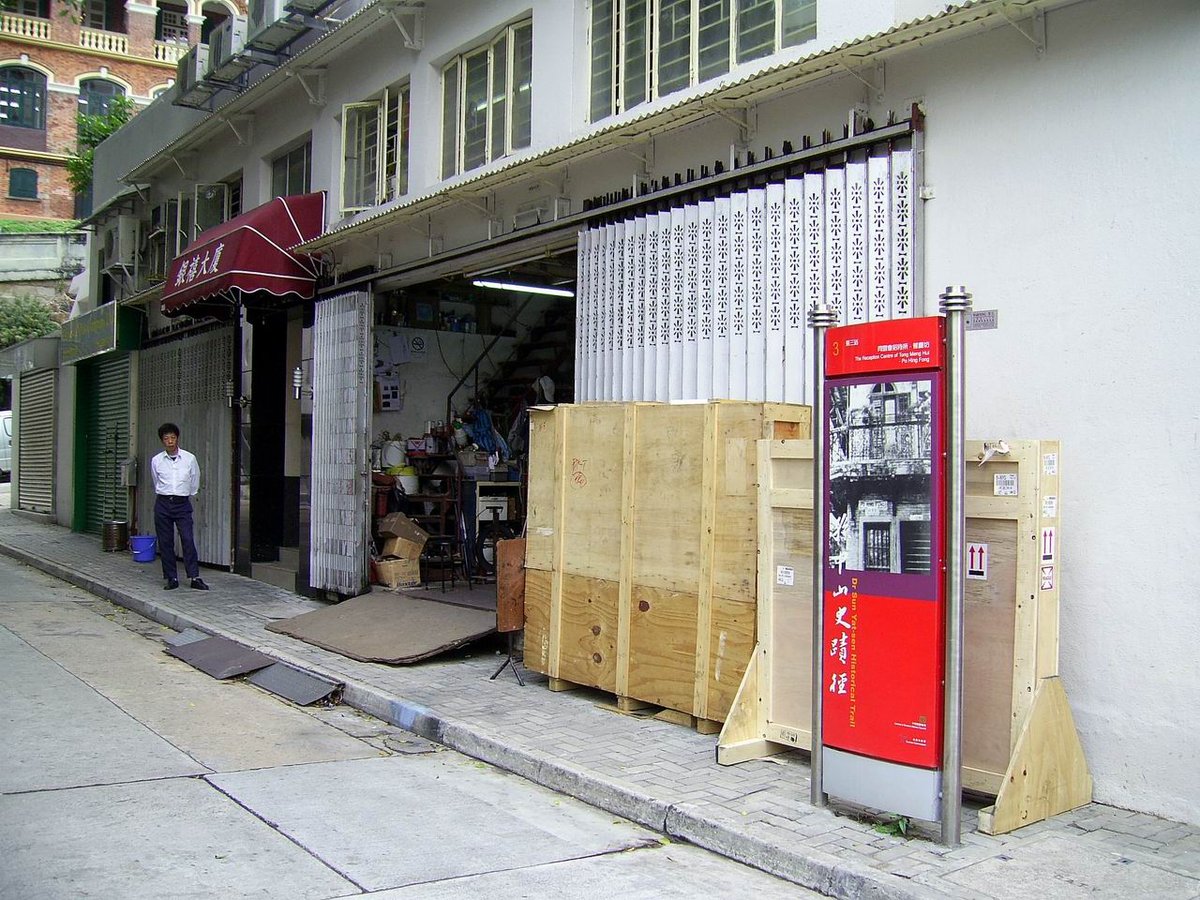
- By Coach Small coaches can alight at Kui In Fong and Po Hing Fong; large coaches should alight near Man Mo Temple on Hollywood Road
Exhibitions and Collections
Permanent Exhibitions
- Medical History of Hong Kong Chronicles the development of public health, the 1894 plague, the 2003 SARS outbreak, and major epidemics (Google Arts & Culture).
- Western and Traditional Chinese Medicine Comparative displays of diagnostic tools, herbal cabinets, and acupuncture instruments, illustrating the coexistence of medical traditions (Holidify).
- Infectious Diseases and Public Health Features laboratory equipment, quarantine gear, and personal accounts from past outbreaks.
- The Old Pathological Institute Access to original autopsy rooms, laboratories, and mortuaries, preserving the building’s medical heritage.
Notable Collections
- Over 1,000 artifacts, including antique medical instruments, quarantine posters, and botanical specimens.
- Extensive photographic and documentary archives.
- Virtual Herbal Garden: An interactive digital exhibit on medicinal plants and their uses in TCM (Google Arts & Culture).
Special and Temporary Exhibitions
Regularly updated exhibitions address topics such as medical imaging, women in medicine, and responses to emerging diseases, often accompanied by lectures and workshops.
Interactive and Educational Features
- Guided Tours Available in English and Cantonese; ideal for families, schools, and groups (advance booking recommended).
- Workshops Hands-on programs on herbal medicine, first aid, and medical history.
- Virtual Tours Online experiences and digital exhibits accessible worldwide (Google Arts & Culture).
Accessibility and Visitor Facilities
- Physical Accessibility The museum provides ramps and an elevator, though some historic areas may have limited access. Contact staff in advance for assistance.
- Restrooms Available on-site.
- Gift Shop Sells books, souvenirs, and educational materials related to Hong Kong’s medical history.
- Food & Drink No café on-site; nearby dining options in Sheung Wan and Mid-Levels.
Nearby Attractions
- Man Mo Temple
- PMQ (Police Married Quarters)
- Central Police Station Compound
- Blake Garden
- Tai Ping Shan Street
These nearby sites offer further insights into Hong Kong’s cultural and historical landscape.
Visitor Tips
- Duration Allocate 1–2 hours for a thorough visit.
- Best Time Weekday mornings are quietest.
- Language Exhibits and materials are available in both English and Chinese.
- Photography Allowed in most areas; no flash or tripods. Commercial photography requires permission (HKMMS photography policy).
- Respect As a declared monument, visitors are asked to respect the building and displays.
Frequently Asked Questions (FAQ)
Q: What are the museum’s visiting hours?
A: Tuesday to Saturday, 10:00 AM – 5:00 PM; Sunday and public holidays, 1:00 PM – 5:00 PM; closed Mondays (except public holidays).
Q: How much are tickets?
A: Adults: HKD 20; concessions: HKD 10; family ticket: HKD 50; group discounts available.
Q: Is the museum wheelchair accessible?
A: Ramps and elevators are provided, but some historic areas may be less accessible. Contact staff for support.
Q: Are guided tours available?
A: Yes, in English and Cantonese; advance booking recommended for groups.
Q: Can I take photographs?
A: Yes, without flash or tripods. Commercial use requires permission.
Discover More
Enhance your visit by exploring virtual tours, downloading the Audiala app for exclusive guides, and following the museum on social media for updates and special events.
Interactive Map and Virtual Tour
For further details, visit the Hong Kong Museum of Medical Sciences official website.