Plan and listen to Dr Sun Yat-Sen Museum with Audiala.
Audio guide in your pocket, itinerary in your browser. Built for the way you actually visit.
Introduction
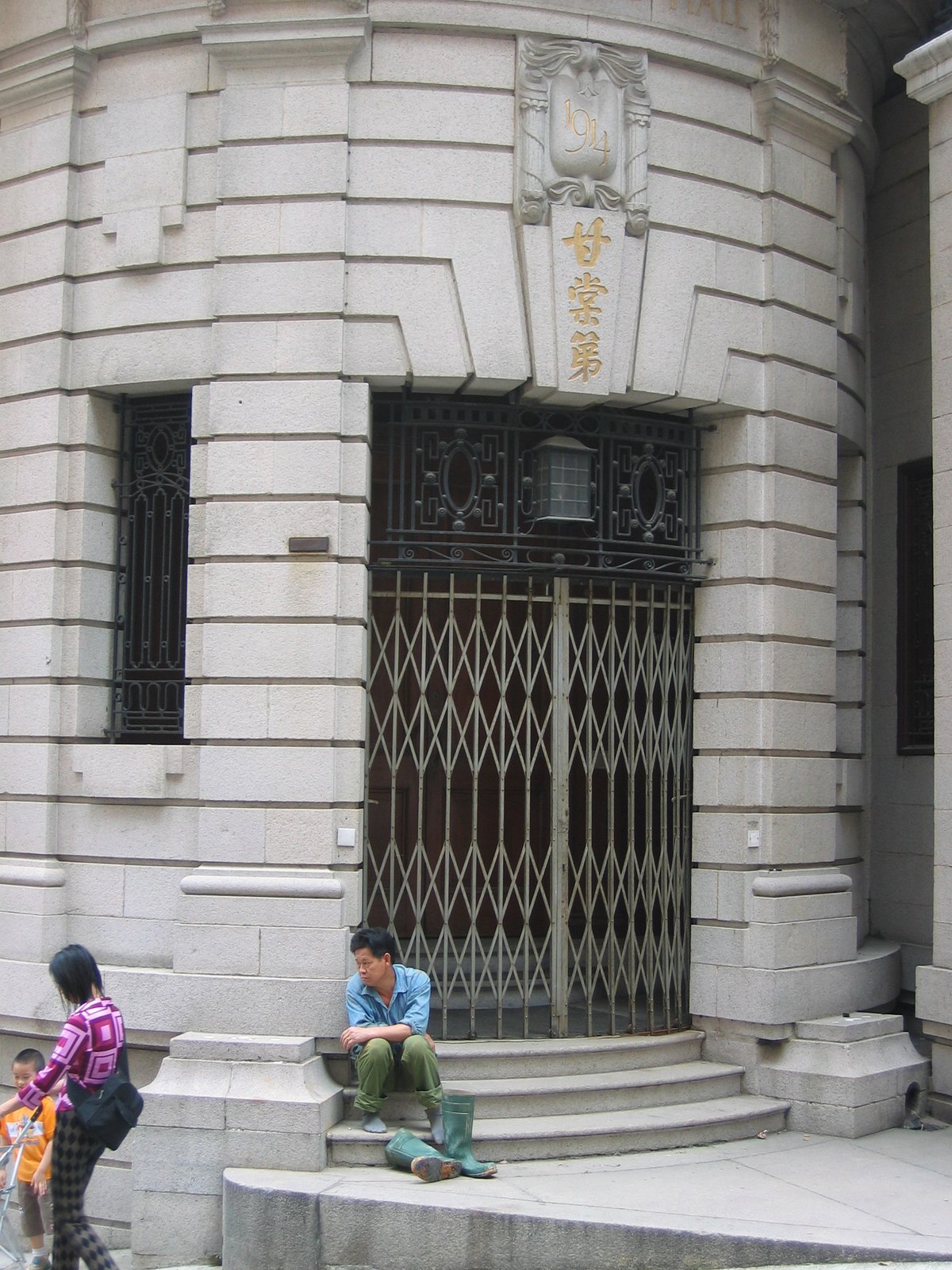
The Dr Sun Yat-sen Museum stands as a vital testament to Hong Kong’s role in modern Chinese history. Housed in the beautifully preserved Kom Tong Hall, an Edwardian mansion built in 1914, the museum delves into the life and legacy of Dr Sun Yat-sen—the founding father of modern China. Through meticulously curated exhibitions, authentic artifacts, and multimedia presentations, visitors gain insight into Sun’s revolutionary journey, his connections to Hong Kong, and the city’s unique position as a cradle for reform and political innovation in the late 19th and early 20th centuries. The museum is not only a key historical site but also an architectural gem, embodying Hong Kong’s dedication to heritage conservation.
This guide provides detailed information on Dr Sun Yat-sen Museum visiting hours, ticketing, accessibility, exhibition highlights, and nearby attractions, ensuring visitors have a rewarding and educational experience.
(Travelohongkong, Wikipedia, AMO)

Dr Sun Yat-sen: Historical Background and Hong Kong’s Role
Early Life and Education
Dr Sun Yat-sen (1866–1925) was a pivotal figure in overthrowing the Qing Dynasty and laying the foundation for the Republic of China (Wikipedia). Born in Guangdong, Sun’s early education in Hawaii and then in Hong Kong—at institutions such as the Diocesan Boys’ School, Government Central School (now Queen’s College), and the Hong Kong College of Medicine for Chinese—deeply influenced his worldview and political ambitions (Chinatripedia). Hong Kong’s cosmopolitan atmosphere exposed Sun to Western science, ideas, and reformist circles.
Religious and Ideological Influences
Sun was baptized a Christian in Hong Kong in 1884, an experience that shaped his moral outlook and revolutionary zeal (Wikipedia). He saw parallels between Christian ideals and his vision for China, particularly in advocating for equality and social progress. His “Three Principles of the People”—nationalism, democracy, and people’s livelihood—were influenced by both Western and Chinese thought (Chinatripedia).
Revolutionary Activities and Hong Kong’s Role
The Cradle of Revolution
In the late 19th century, Hong Kong’s status as a British colony made it a safe haven for reformers. Sun and his associates, known as the “Four Bandits,” met here to strategize China’s future (Travelohongkong), and the city’s press and open society facilitated the spread of revolutionary ideas.
Formation of Revolutionary Societies
Sun co-founded the Furen Literary Society and later merged it with the Revive China Society (Xingzhonghui), using Hong Kong as a base for organizing uprisings and recruiting supporters (Wikipedia).
Planning and Launching Uprisings
Many of Sun’s early revolutionary plots were born in Hong Kong, leveraging its proximity to mainland China and protection from Qing authorities. Early attempts at revolution may have failed, but they set the stage for the successful 1911 Xinhai Revolution (Chinatripedia).
Hong Kong’s Lasting Legacy in Sun Yat-sen’s Life
Hong Kong’s educational institutions, religious communities, and multiculturalism shaped Sun’s outlook and political networks (Wikipedia). Today, the Dr Sun Yat-sen Museum commemorates these connections, offering exhibitions that underline the city’s symbolic and practical importance in Sun’s journey.
Planning Your Visit to the Dr Sun Yat-sen Museum
Visiting Hours and Ticket Information
- Permanent exhibitions: Free admission for all visitors (Next Stop Hong Kong).
- Special exhibitions: May require tickets; check the official museum website for details.
Opening Hours:
| Day | Opening Hours |
|---|---|
| Monday, Tuesday, Wednesday, Friday | 10:00–18:00 |
| Saturday, Sunday, Public Holidays | 10:00–19:00 |
| Christmas Eve & Lunar New Year’s Eve | 10:00–17:00 |
| Closed | Thursdays (except public holidays and Dr Sun's birth/death anniversaries), first two days of Lunar New Year |
How to Get There
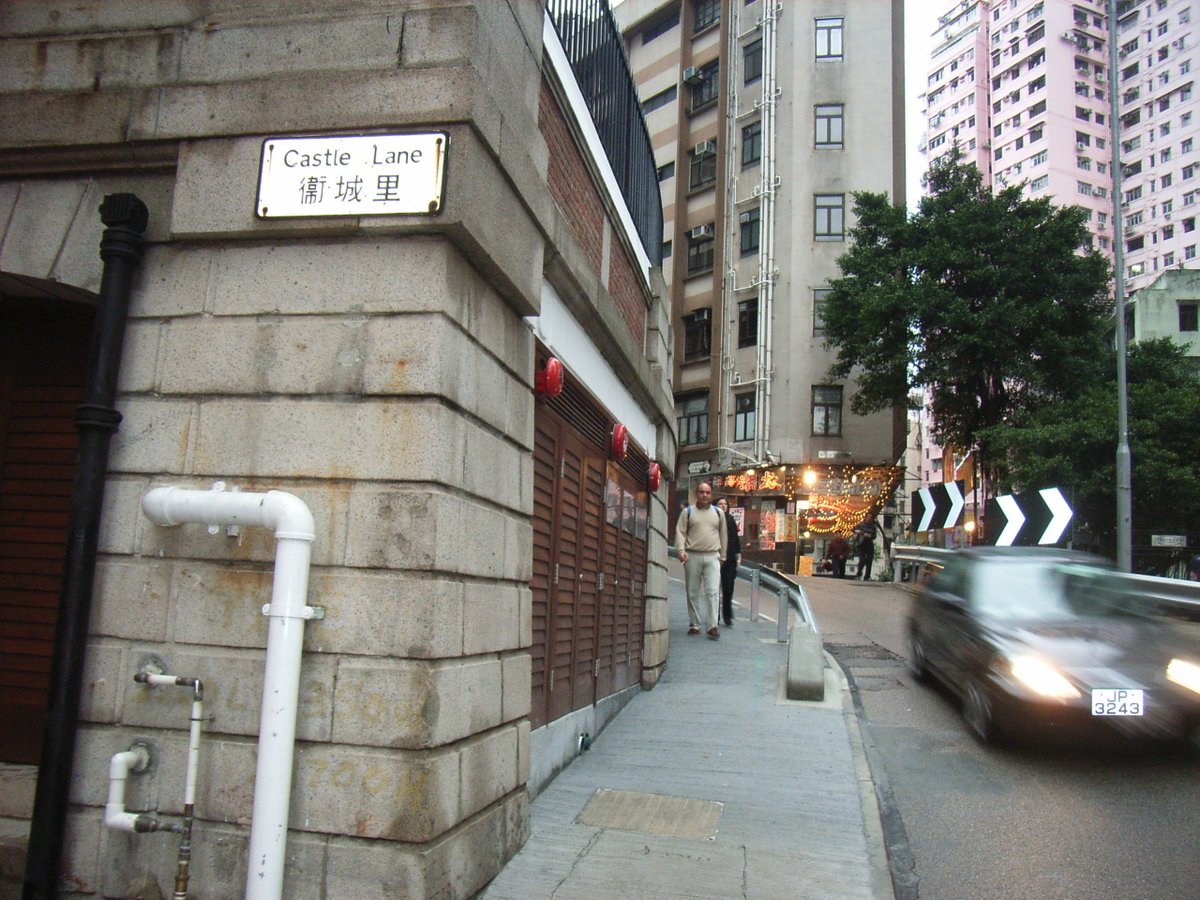
- Address: 7 Castle Road, Mid-Levels, Central, Hong Kong
- By MTR: Central Station (Exit D2), then use the Central–Mid-Levels Escalator to Caine Road, followed by a short walk (Next Stop Hong Kong).
- By Bus: Bus No. 23 from Admiralty. Alight at Hong Kong Baptist Church on Caine Road.
- Taxi: Taxis can easily reach the museum entrance.
- On Foot: The walk from Central includes uphill sections, made easier by the covered escalator (Facts About Hong Kong).
Accessibility
The museum is wheelchair accessible, with ramps and lifts to most exhibition areas (Next Stop Hong Kong). For specific requirements or assistance, contact the museum at +852 2367 6373 (Discover Hong Kong).
Special Events and Guided Tours
Regular guided tours in English, Cantonese, and Mandarin are available, as well as educational programs for families and school groups (Next Stop Hong Kong). Special exhibitions and cultural events are held on significant anniversaries—check the official website for the latest updates.
Recommended Photographic Spots
- The grand balcony and stained glass windows of Kom Tong Hall
- Recreated study of Dr Sun Yat-sen
- The traditional Chinese garden courtyard
Photography is allowed in most areas without flash; always check signage for restrictions.
Nearby Attractions
- Man Mo Temple
- Hong Kong Zoological and Botanical Gardens
- Flagstaff House Museum of Tea Ware
- Hong Kong Park and Victoria Peak (Trip.com)
Kom Tong Hall: History, Architecture, and Visitor Experience
History and Ownership
Kom Tong Hall was built in 1914 for Ho Kom-tong, a prominent businessman and philanthropist, and the younger brother of Sir Robert Ho Tung (AMO). After serving as a family residence, it was acquired by the LDS Church in 1961 and functioned as a church and administrative center for over four decades. Facing demolition in the early 2000s, the building was preserved through public advocacy and acquired by the Hong Kong SAR Government in 2004, opening as the Dr Sun Yat-sen Museum in December 2006 (Development Bureau).
Preservation and Monument Status
Designated as a declared monument in 2010, Kom Tong Hall is protected under Hong Kong law for its architectural and historical value (AMO).
Architectural Features
Exterior
- Composite Classical style with red brick, granite dressings, and ornate ironwork.
- Elliptical façade and curved balconies.
- Early use of steel-frame construction and concealed wiring (Development Bureau).
Interior
- Grand staircases, plaster ceilings with gold leaf, Art Nouveau stained glass, and original woodwork.
- Preserved period details and adaptive reuse for museum functions (My Guide Hong Kong).
Layout
- Site area: 1,020 sq. m; total floor area: 2,560 sq. m.
- Exhibition halls, reading rooms, and flexible spaces for displays and educational programs.
Visitor Experience
- Immersive architectural tours and interpretive panels.
- Reading room with resources on Dr Sun Yat-sen and Hong Kong history.
- Fully accessible facilities and multi-lingual staff (Hong Kong Free Tours).
Exploring the Dr Sun Yat-sen Museum: Exhibitions and Collections
Permanent Exhibitions
Dr Sun Yat-sen and Modern China
Follow Sun’s journey from student to revolutionary through original documents, photographs, and artifacts. Interactive displays bring to life his political philosophy and activities (Travelohongkong).
Hong Kong in Dr Sun Yat-sen’s Time
Explore the city’s cosmopolitan character during Sun’s formative years—maps, archival materials, and multimedia show Hong Kong’s role in shaping reformist networks (Thingstodoinhk).
Collections and Notable Artifacts
- Photographs and Documents: Rare correspondence, proclamations, and images.
- Personal Effects and Memorabilia: Sun’s clothing, medical instruments, and daily-use items.
- Revolutionary Artifacts: Banners, pamphlets, and propaganda from Sun’s uprisings.
Special Exhibitions
The museum regularly features rotating exhibitions on related figures, political movements, and early 20th-century Chinese history.
Educational Facilities and Programs
- Guided tours in three languages, with group bookings available.
- Interactive learning spaces for families and children.
- Workshops, lectures, and school outreach programs on Chinese modernization and Hong Kong’s role (Next Stop Hong Kong).
Visitor Information: FAQs and Tips
Frequently Asked Questions
Q: What are the Dr Sun Yat-sen Museum opening hours?
A: Open 10:00 am–6:00 pm Monday, Tuesday, Wednesday, and Friday; 10:00 am–7:00 pm on weekends and public holidays. Closed Thursdays except for public holidays and Dr Sun’s birth/death anniversaries.
Q: Is admission free?
A: Admission to permanent exhibitions is free; special exhibitions may require a ticket.
Q: Is the museum wheelchair accessible?
A: Yes, most areas are accessible.
Q: Are guided tours available?
A: Yes, in English, Cantonese, and Mandarin. Group tours should be booked in advance.
Q: Can I take photos?
A: Photography without flash is allowed in most areas.
Q: How can I get there?
A: By MTR (Central Station, Exit D2), bus, taxi, or on foot using the Central–Mid-Levels Escalator.
Tips for a Great Visit
- Allocate 1.5–2 hours for a full tour.
- Check for special exhibitions or public events before visiting.
- Visit on weekday mornings or late afternoons for fewer crowds.
- Contact the museum in advance for accessibility needs or group bookings.
Listen to the full story in the app
The whole Dr Sun Yat-Sen Museum,
told well.
Audio guides for 1,100+ cities across 96 countries. History, stories, and local insight — offline ready.
Verified, and shown.
Researched and written by the Audiala editorial team from historical records, architectural archives, and local expertise.
Researched from Wikidata, Wikipedia & official sources · fact-checked · How we make our guides →