Plan and listen to Court Of Final Appeal Building with Audiala.
Audio guide in your pocket, itinerary in your browser. Built for the way you actually visit.
Introduction
The Court of Final Appeal Building in Hong Kong stands as a testament to the city’s rich legal heritage and architectural grandeur. Set amidst the modern skyline of Central, this neo-classical monument is not only a symbol of judicial authority but also a vivid reminder of Hong Kong’s colonial past and ongoing commitment to the rule of law. Whether you are a history enthusiast, architecture admirer, or a curious traveler, this guide offers a detailed overview of the building’s history, architectural features, visiting information, and surrounding attractions, ensuring you make the most of your visit.
For more information, consult the official Court of Final Appeal website, Discover Hong Kong, or ArchJourney.

Early Origins and Colonial Era
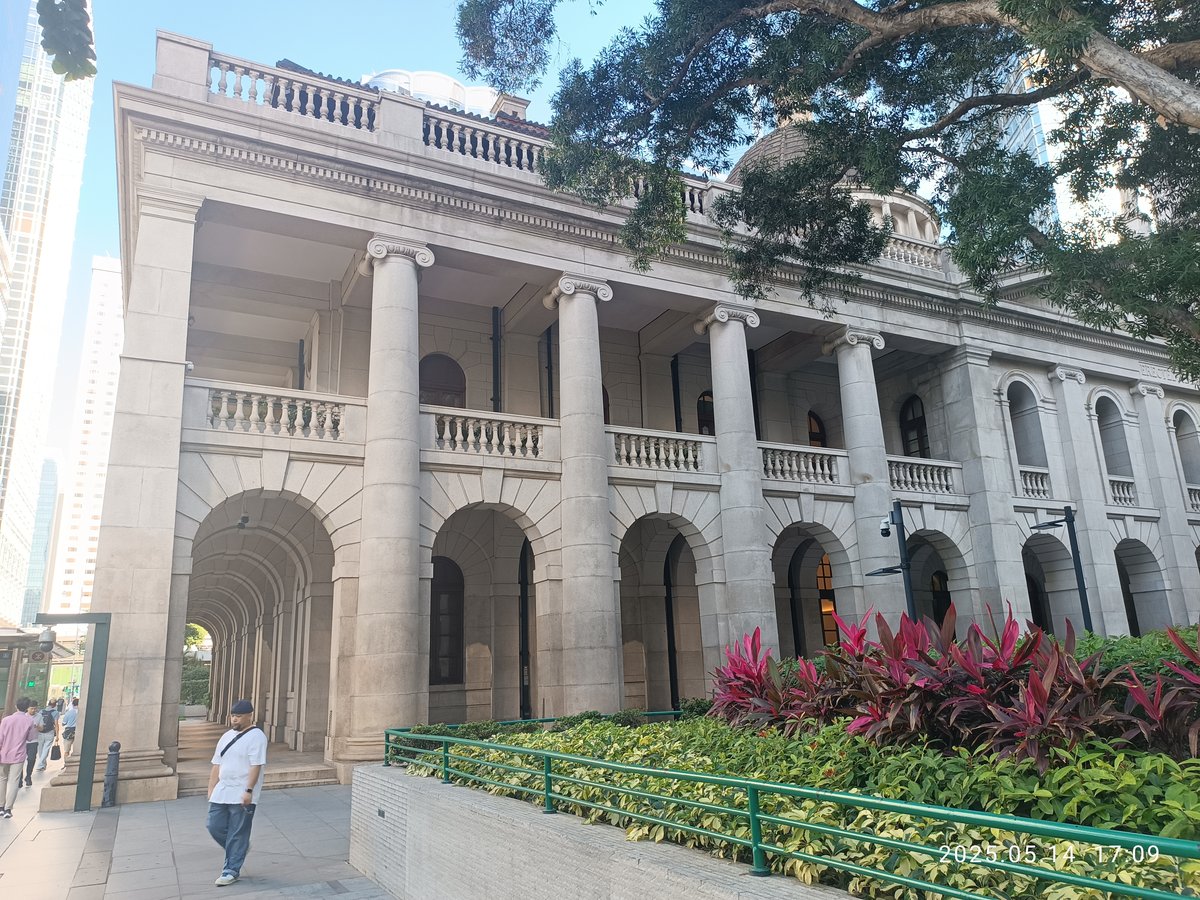
Constructed between 1900 and 1912, the Court of Final Appeal Building—originally the Old Supreme Court Building—was designed by renowned British architects Sir Aston Webb and Ingress Bell (ArchJourney). The building served as the Supreme Court from 1912 until 1983, symbolizing the transplantation of British common law in Hong Kong. Its imposing granite façade and classical motifs, including the statue of Themis, reflect its foundational role in the city’s judicial system.
Wartime and Postwar Changes
During the Japanese occupation (1941–1945), the building was repurposed as the Kempeitai headquarters, marking a somber chapter in its history. Post-war, it resumed its judicial function until the late 1970s, when MTR construction caused foundational instability. Restoration work followed, with the Supreme Court temporarily relocated.
Legislative Council Era (1985–2011)
From 1985, the building housed the Legislative Council, becoming a focal point for civic debates and public demonstrations. Its proximity to Chater Garden and Statue Square further cemented its status as a civic landmark. In 1984, it was declared a monument to ensure its preservation (A View On Cities).
Court of Final Appeal (2015–Present)
After Legislative Council relocation, extensive renovations prepared the building to house the Court of Final Appeal from 2015. This transition underscores the structure’s enduring significance as the highest appellate court under the “one country, two systems” framework (Discover Hong Kong).
Architectural and Structural Features
Neo-Classical Design
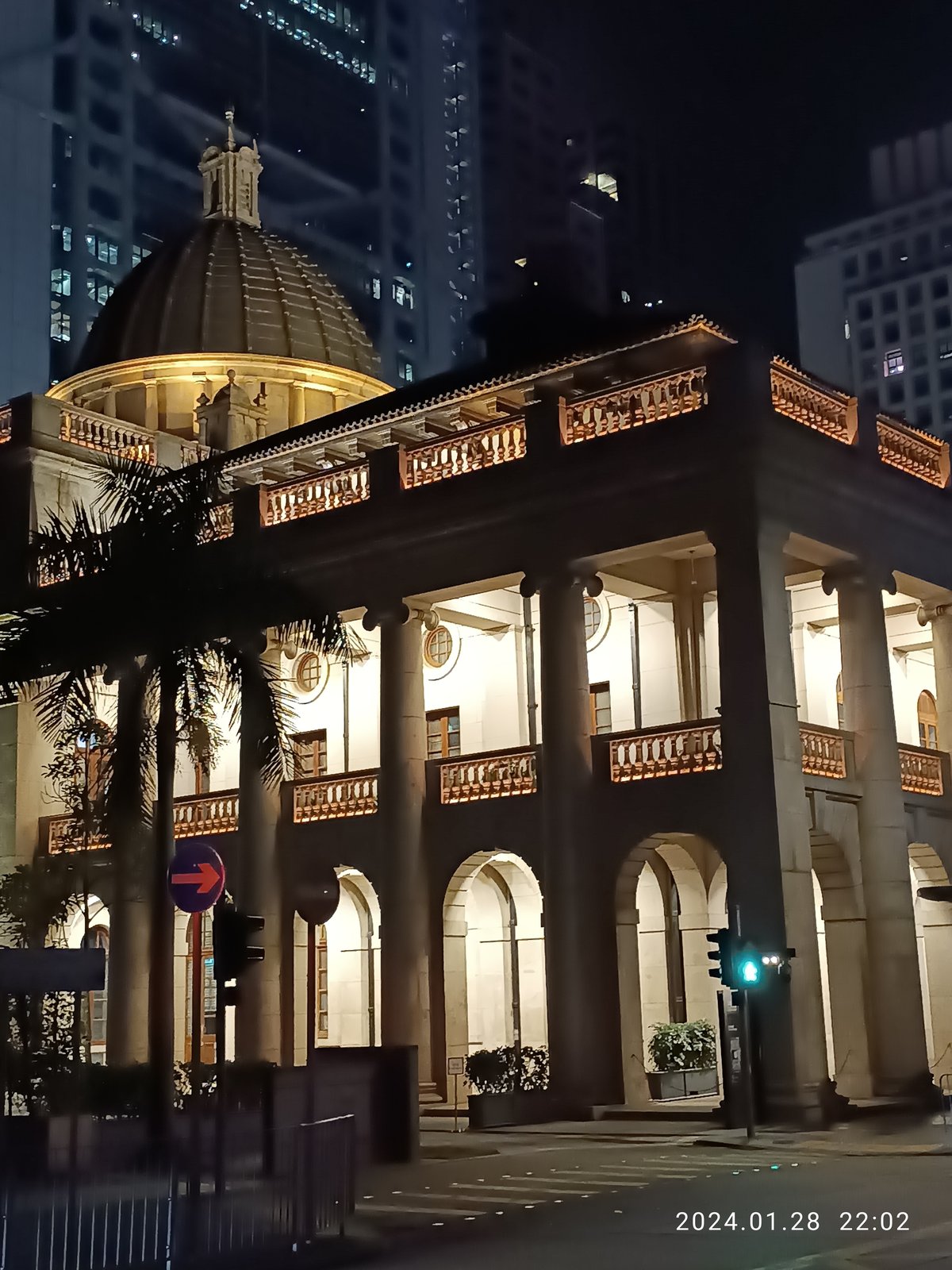
The building’s neo-classical architecture features a symmetrical granite façade, tall Ionic columns, and a prominent pediment. The 2.7-meter statue of Themis, the Greek goddess of justice, stands atop the main entrance, symbolizing impartiality and fairness. The British Royal Coat of Arms and allegorical figures such as Mercy and Truth further emphasize its judicial symbolism (ArchJourney).
Ingenious Foundation
Situated on reclaimed land, the structure’s foundation employs Chinese fir tree trunks forming a timber raft system—an innovative solution for stability on soft ground (ArchJourney). Modern groundwater replenishment technology ensures ongoing preservation.
Interior Highlights
Inside, visitors encounter a grand marble staircase, domed courtrooms with intricate wood and glasswork, and restored heritage features such as ceiling moldings and arches. The Basement Heritage Gallery documents the building’s conservation (ArchSD).
Lighting and Nighttime Aesthetics
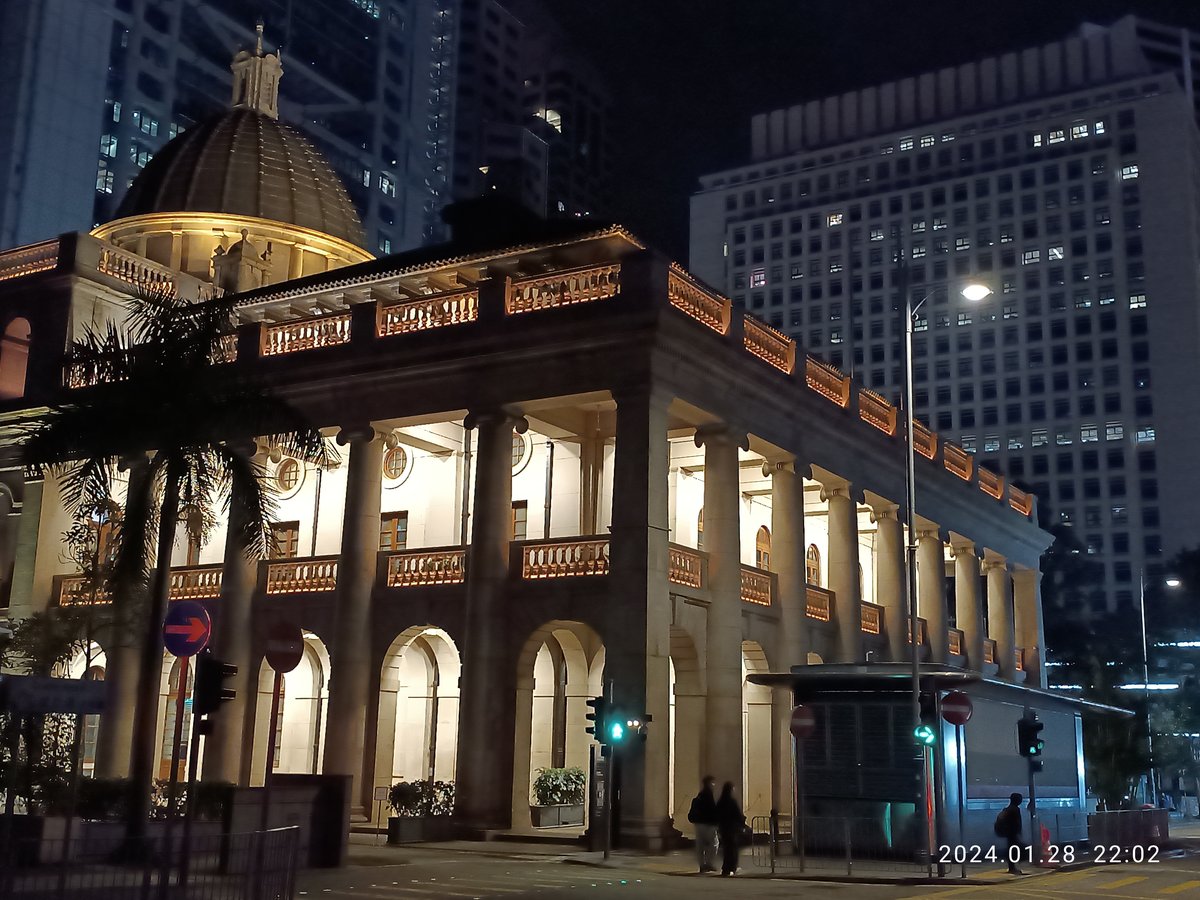
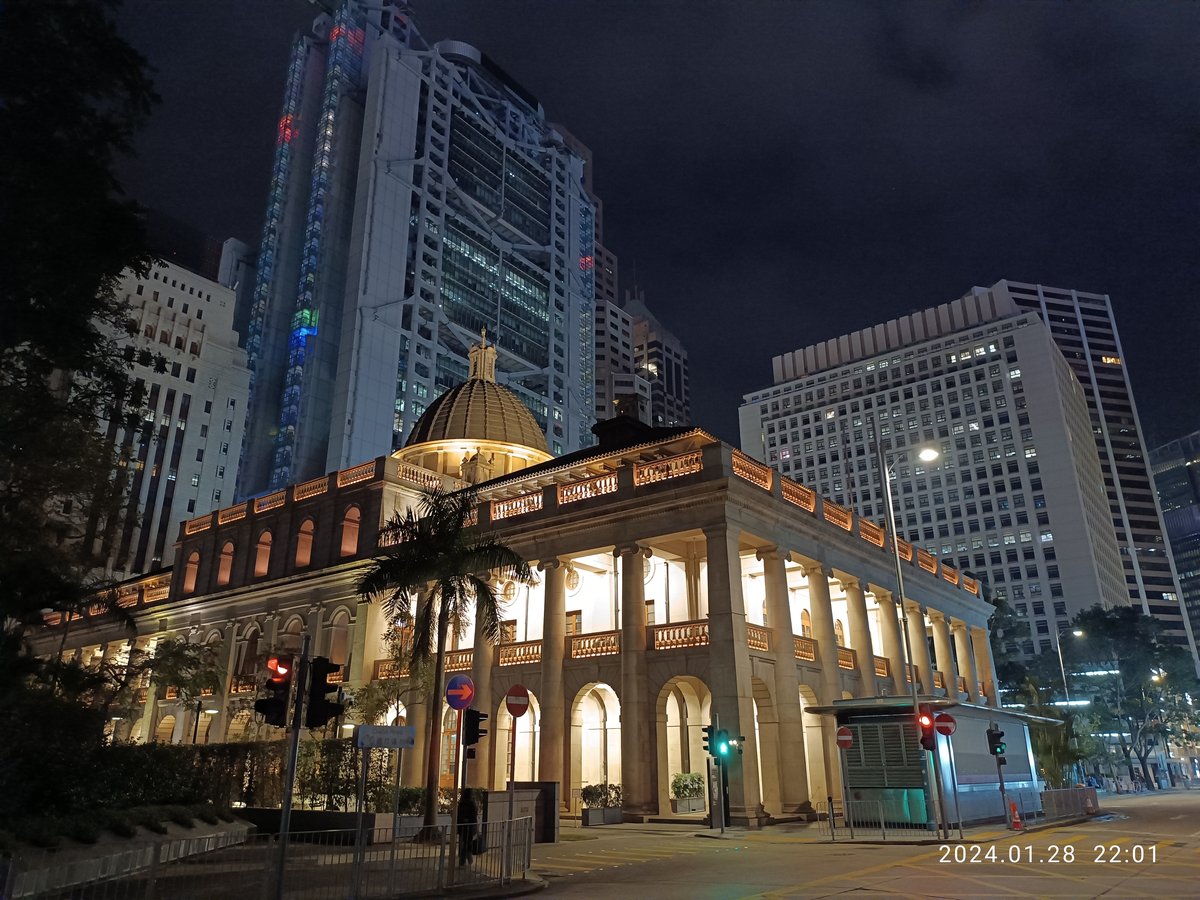
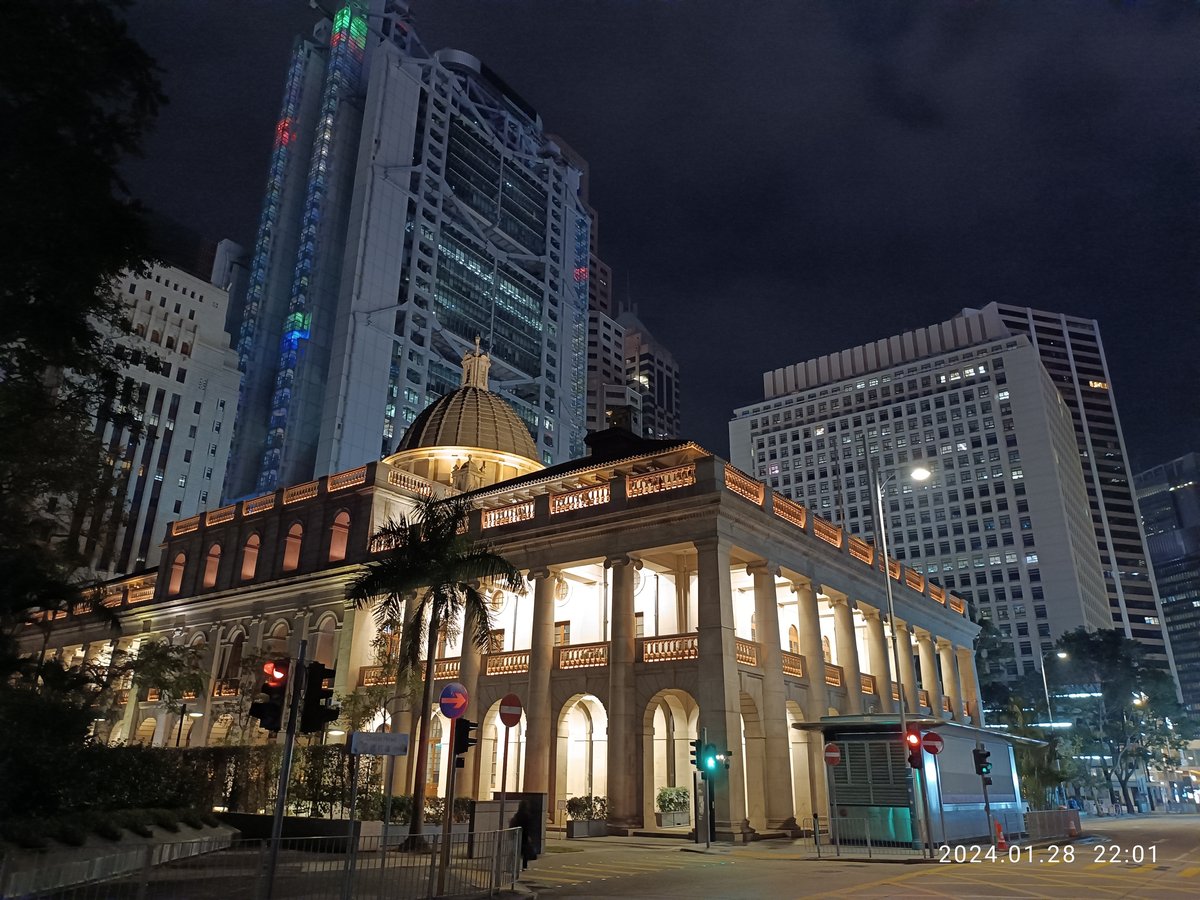
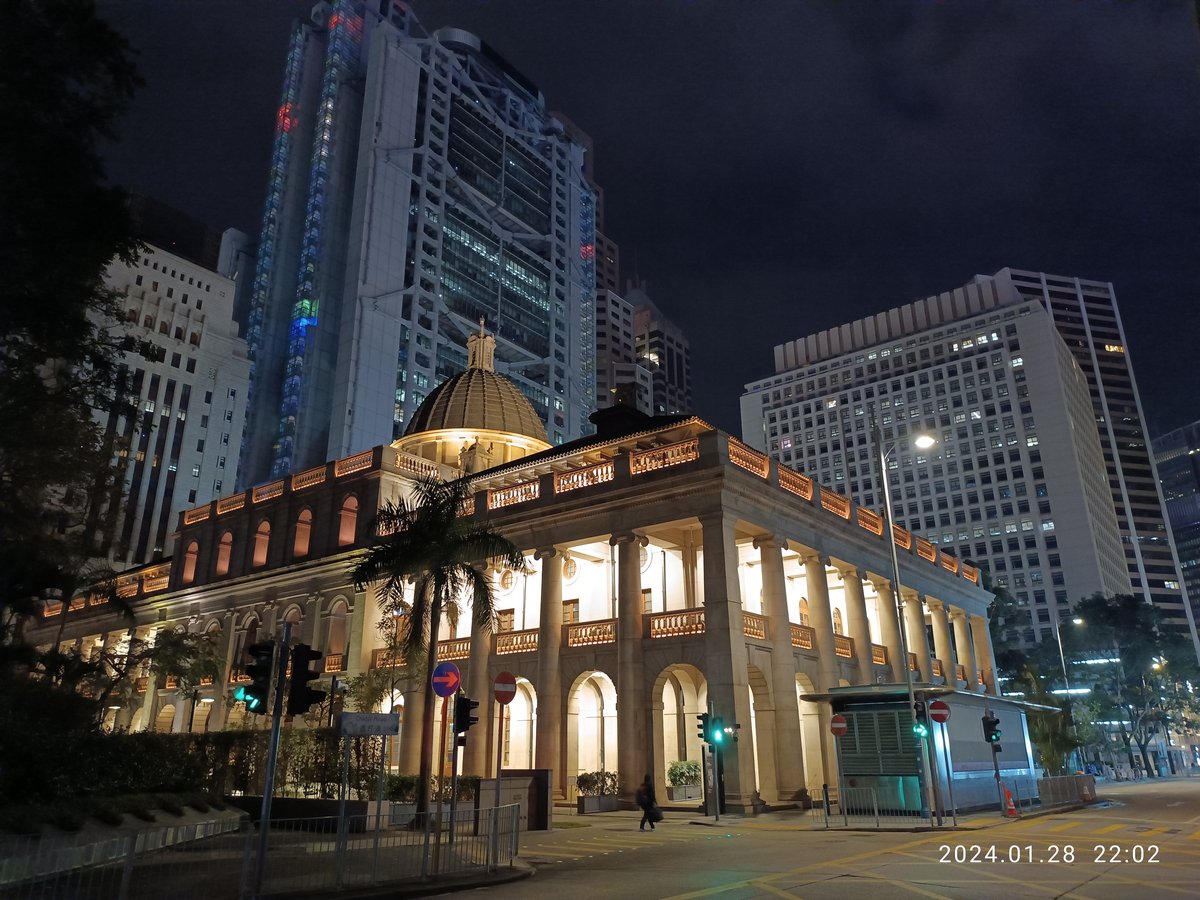
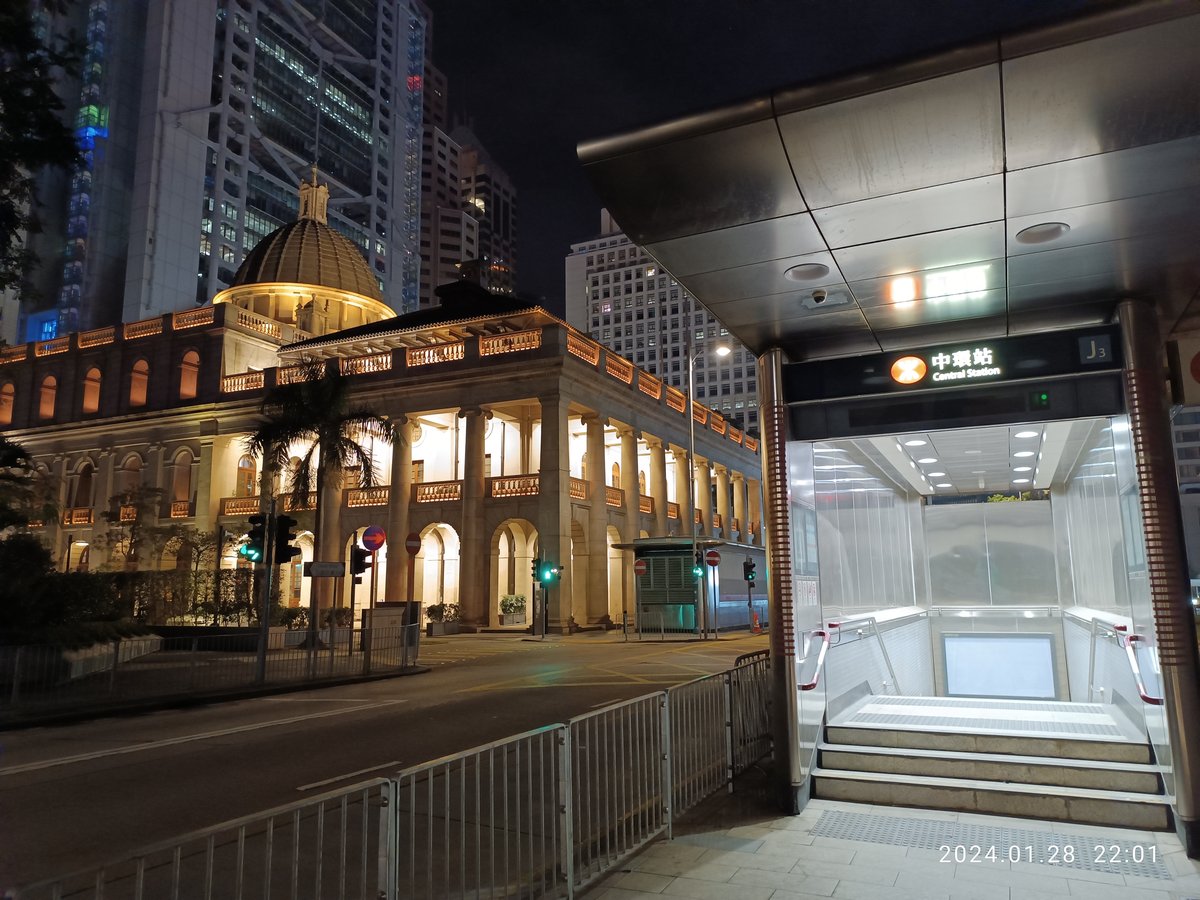
At night, the building’s exterior is bathed in warm illumination, accentuating its classical lines and making it a favorite for photographers—especially from vantage points along Des Voeux Road Central (Discover Hong Kong).
Visiting Information
Location
8 Jackson Road, Central, Hong Kong
The building is accessible via Central MTR Station (Exit J1 or D2), and is within walking distance of major attractions.
Opening Hours
- Monday to Friday: 9:00 AM – 5:00 PM
- Weekends/Public Holidays: Closed (except for special events)
Admission and Tickets
- Exterior Viewing: Free, available at all hours.
- Interior Access: Not open for casual visits. Special open days and guided tours may be scheduled during heritage festivals or legal community events. Check the official website for details.
- Court Hearings: Public may attend select court hearings, subject to security screening and availability.
Guided Tours
Educational and group tours are occasionally available by appointment. These provide access to courtrooms, the library, and the heritage gallery. Advance booking is essential.
Accessibility and Visitor Etiquette
- Wheelchair Access: Building and surroundings are wheelchair accessible; ramps and lifts are available. Assistance can be requested at the information counter.
- Facilities: No public restrooms inside for casual visitors; nearby facilities are available in shopping centers and parks.
- Security: Security checks apply for interior access.
- Dress Code: Smart attire is recommended for court hearings.
- Photography: Permitted outside; prohibited inside unless specified during special events.
Nearby Attractions
- Statue Square: Historic public square adjacent to the building.
- HSBC Main Building: An architectural icon designed by Norman Foster.
- St. John’s Cathedral: The oldest Anglican church in the Far East.
- Hong Kong Park: Green space with gardens and museums.
- Central–Mid-Levels Escalator: Unique outdoor escalator system for exploring Central.
- Tai Kwun Centre for Heritage and Arts: Restored colonial police station and prison, now a vibrant cultural hub (Time Out Hong Kong).
Frequently Asked Questions (FAQ)
Q: What are the Court of Final Appeal Building visiting hours?
A: Exterior is always accessible. Interior open weekdays, 9:00 AM–5:00 PM, for official events or tours only.
Q: Are tickets required?
A: No tickets are needed for exterior viewing. Tickets or registration may be required for special events or guided tours.
Q: Is the building wheelchair accessible?
A: Yes, ramps and lifts are available.
Q: Can I take photographs inside the building?
A: Interior photography is not permitted unless expressly allowed during special events.
Q: What is the best time to visit?
A: Evening illumination offers excellent photo opportunities. Early mornings and evenings are quieter.
Listen to the full story in the app
The whole Court Of Final Appeal Building,
told well.
Audio guides for 1,100+ cities across 96 countries. History, stories, and local insight — offline ready.
Verified, and shown.
Researched and written by the Audiala editorial team from historical records, architectural archives, and local expertise.
Researched from Wikidata, Wikipedia & official sources · fact-checked · How we make our guides →