


Bank of China Tower (中銀大廈)
What it is
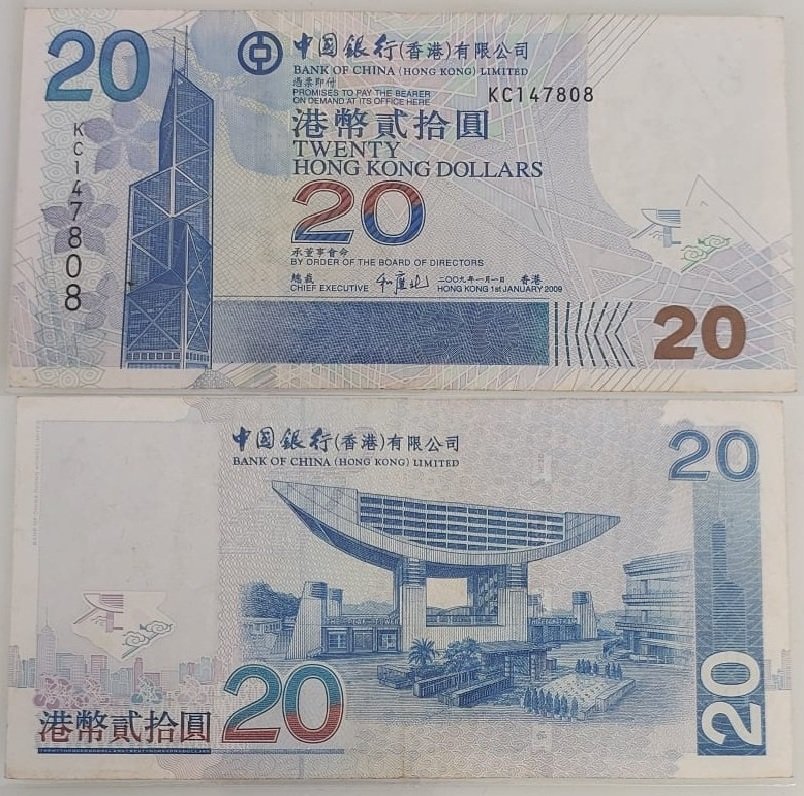
The Bank of China Tower, known locally as 中銀大廈, is a landmark skyscraper in Hong Kong’s Central District. Designed by Chinese-American architect I.M. Pei and completed in 1990, it stands 367.4 meters (1,205 feet) tall and has 72 floors. It was the tallest building in Hong Kong and Asia when completed, holding that title until 1992 (ArchDaily; Skyscraper Center).
Its design draws inspiration from bamboo, a symbol of growth and prosperity in Chinese culture. Triangular frameworks and sharp angles give the tower its distinctive geometric form, a departure from traditional architectural styles (South China Morning Post).
History and significance
The tower was built during a period of rapid economic growth and transformation in Hong Kong. The 1980s and 1990s brought substantial investment in infrastructure and real estate, as the city grew as a major financial center. The tower formed part of a wider wave of skyscraper construction that reshaped Hong Kong’s skyline and reinforced its global economic position. Its completion also underscored the Bank of China’s commitment to expanding its presence in international markets (Hong Kong Economic Journal; Hong Kong Monetary Authority).
The building has come to represent China’s economic ambitions and Hong Kong’s role as a global financial hub. Its design incorporates elements of feng shui, the traditional Chinese practice of seeking harmony with the environment. Its sharp angles and pointed edges have also drawn controversy from feng shui practitioners who believe they can bring negative energy. The tower remains a prominent symbol of modernity and progress.
What to see
The tower’s structural system combines a steel frame with a glass curtain wall. Using steel made the structure lighter than traditional concrete construction and helped make its distinctive design possible. Building it in Hong Kong’s dense urban environment required careful planning and execution.
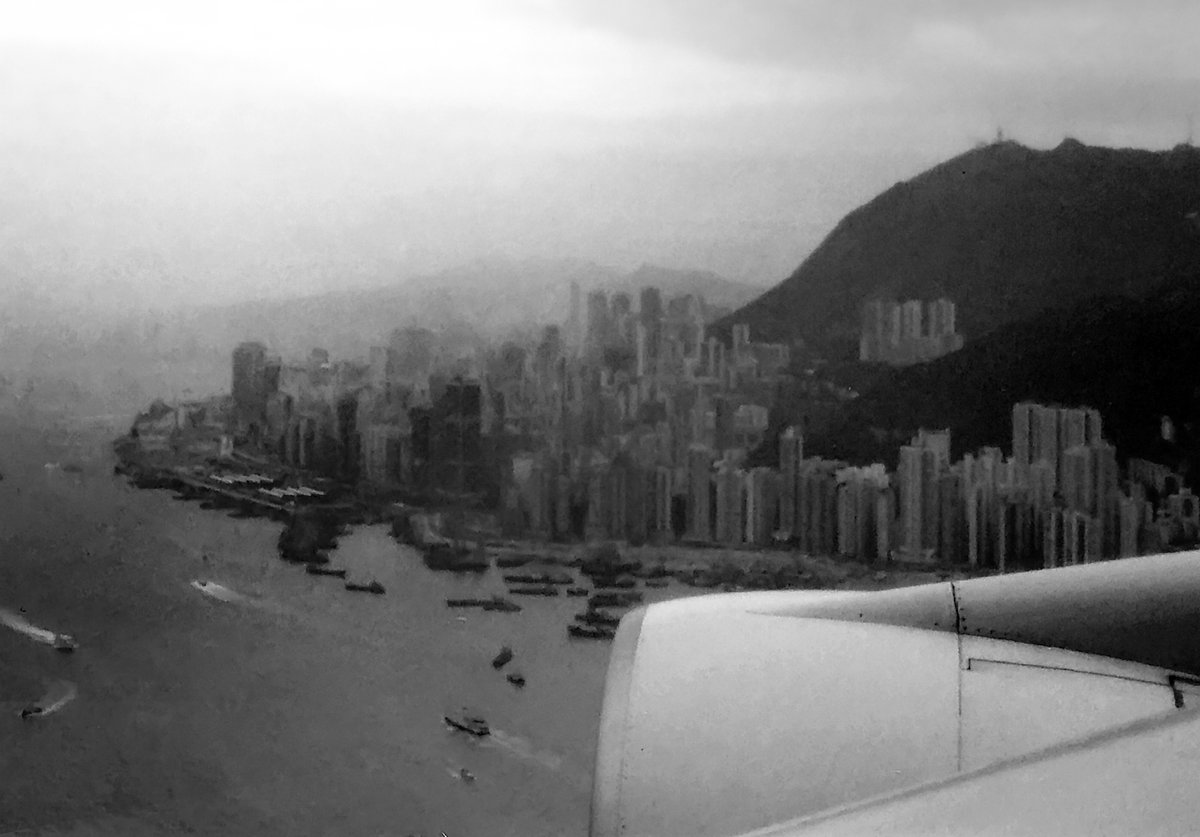
The 43rd-floor observation deck offers views of Victoria Harbour and the surrounding cityscape. The tower has received recognition for its architectural and engineering qualities, appeared in architectural publications, and become a popular subject for photographers and tourists. Its design and location make it a focal point of Central District (Time Out Hong Kong).
The tower has undergone renovations and upgrades to its mechanical systems, energy efficiency and public spaces. These measures aim to preserve its architectural integrity while adapting the building to the needs of its occupants (Building Design + Construction).
Its combination of modern engineering and cultural symbolism has influenced later skyscrapers and architects in Hong Kong and beyond. The tower’s design has set a regional benchmark for architectural excellence and continues to influence urban development (Architectural Digest).
Practical visiting information
Location and transport: The tower is in Central District. Central MTR station is a short walk away, and visitors can also reach the area by bus or the Hong Kong tram system (MTR Corporation).
Opening hours: The building is listed as open Monday to Friday, 9:00 AM to 6:00 PM. The observation deck is said to follow the same hours. Check the official website for changes or special closures (BOC Hong Kong).
Tickets: Entry to the observation deck is listed as free of charge (Discover Hong Kong).
Accessibility: The building has ramps, elevators and accessible restrooms (BOC Hong Kong).
Security: Visitors must pass through security checks. Carry valid ID and do not bring prohibited items. The building has fire-safety systems and emergency exits (BOC Hong Kong).
Tips
Clear weather makes it easier to appreciate the observation deck’s panoramic views. Early morning or late afternoon visits are suggested for avoiding crowds, and weekdays are generally less crowded than weekends (TripAdvisor).
The observation deck is a good place for photographs of Victoria Harbour and the cityscape. At ground level, the plaza in front of the tower offers a vantage point for photographing its full height and distinctive design. Clear weather is also recommended for photography (National Geographic).
Nearby places
Nearby attractions include Hong Kong Park, the Central-Mid-Levels Escalator and St. John’s Cathedral (Hong Kong Tourism Board). The wider Central District also has the Peak Tram and IFC Mall, as well as local eateries and cafes.
FAQ
What are the Bank of China Tower’s visiting hours?
The practical visiting information lists Monday to Friday, 9:00 AM to 6:00 PM, with the observation deck following the same hours. The FAQ hours are listed as typically 9:00 AM to 5:00 PM on weekdays.
How do I buy tickets for the observation deck?
The practical information lists admission as free. The FAQ says tickets can be purchased on-site or through the official website.
When is the best time to visit?
Clear weather is best for the panoramic views. Early mornings or late afternoons are suggested for avoiding crowds.