Introduction
At 8:00 p.m., the harbor turns into a light stage while incense smoke curls under 19th-century temple rafters a few MTR stops away. In hong kong, hong kong, glass towers throw shadows over wet markets where cleavers still hit wooden blocks at dawn. The surprise is not the skyline itself, but how quickly the city switches moods: finance-capital velocity, then ferry-deck breeze, then a bowl of wonton noodles eaten shoulder-to-shoulder with night-shift workers.
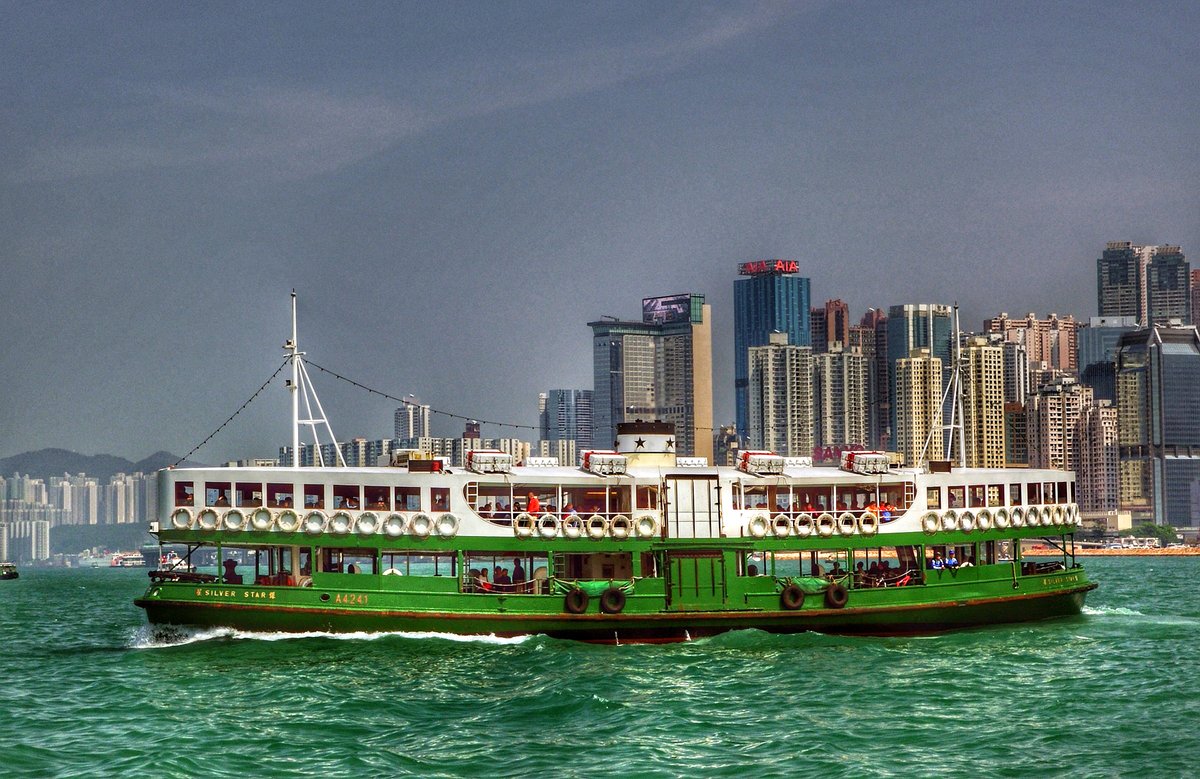
Hong Kong works in layers, and the best way to read it is by moving through it at ground level. Ride the Star Ferry across Victoria Harbour for a few Hong Kong dollars, then take the HK$3 ding-ding tram east along Hong Kong Island and watch neon, scaffolding bamboo, and laundries scroll by like film frames. Up in Central, Norman Foster's HSBC still feels radically modern; ten minutes away in Sheung Wan, Man Mo Temple's hanging incense coils dim the light to amber.
Food here is less a checklist than a social grammar. Breakfast in a cha chaan teng means milk tea pulled through a "silk stocking" filter, butter melting inside a pineapple bun, and orders shouted fast in Cantonese. By evening, neighborhoods like Sham Shui Po, Jordan, and Yau Ma Tei take over: claypot rice scraped crisp at the edges, dai pai dong stir-fries with real wok hei, and Temple Street fortune tellers working beneath fluorescent tarps.
What changes your understanding of Hong Kong is how much wild space sits beside all that density. Within an hour you can be on Lantau's mountain trails, on Cheung Chau's car-free lanes, or at the High Island Reservoir's hexagonal volcanic columns in the UNESCO Global Geopark. This is a city that never really resolves into one identity, and that is exactly its pull.
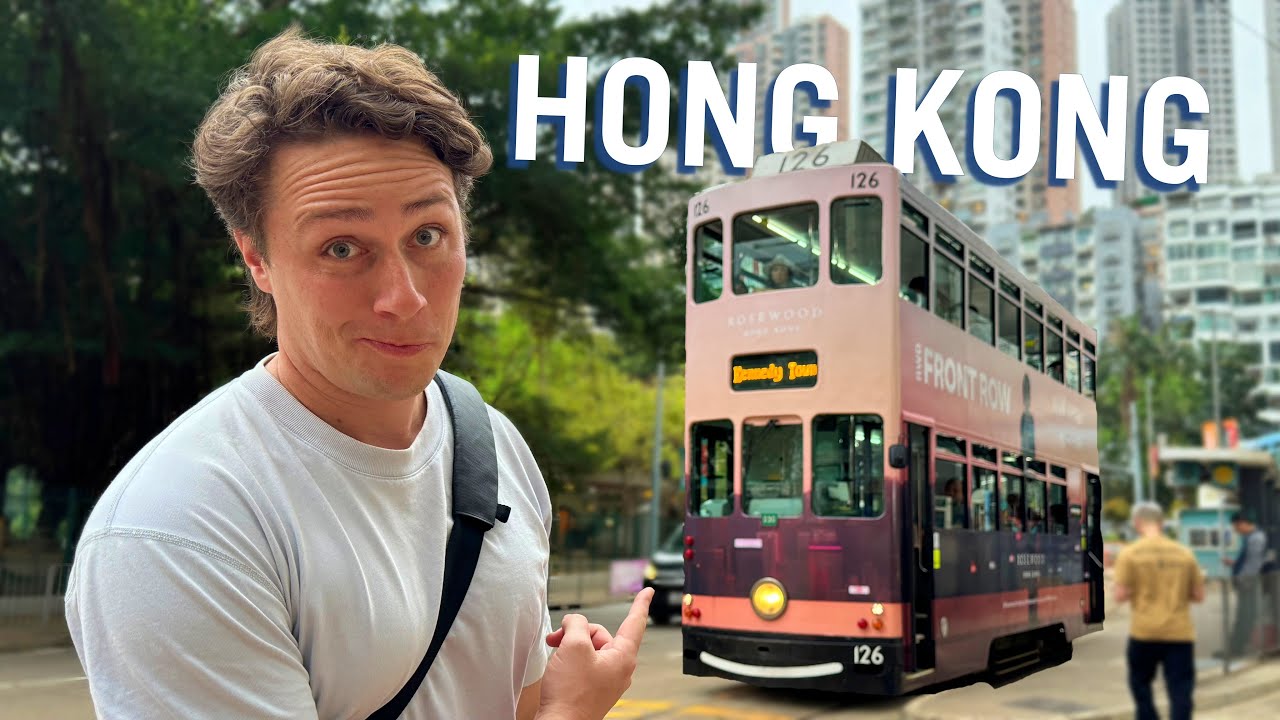
10 Best Places to Visit In Hong Kong - FIRST TIME IN HONG KONG
LaisPlaces to Visit
The Most Interesting Places in Hong Kong
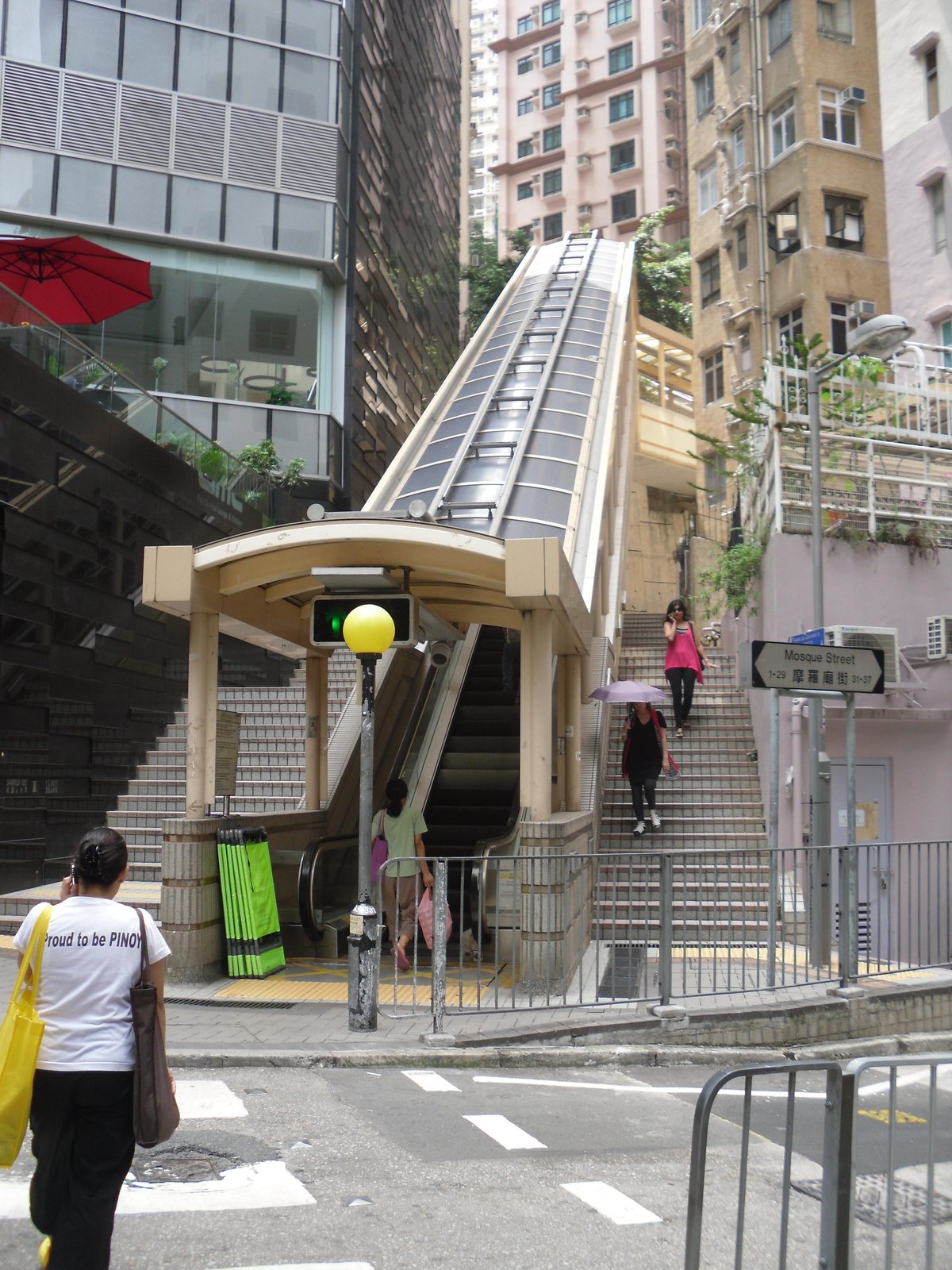
Hong Kong Island
Repulse Bay Beach, known locally as 淺水灣泳灘 (Tsin Shui Wan), is one of Hong Kong's most iconic and picturesque destinations.
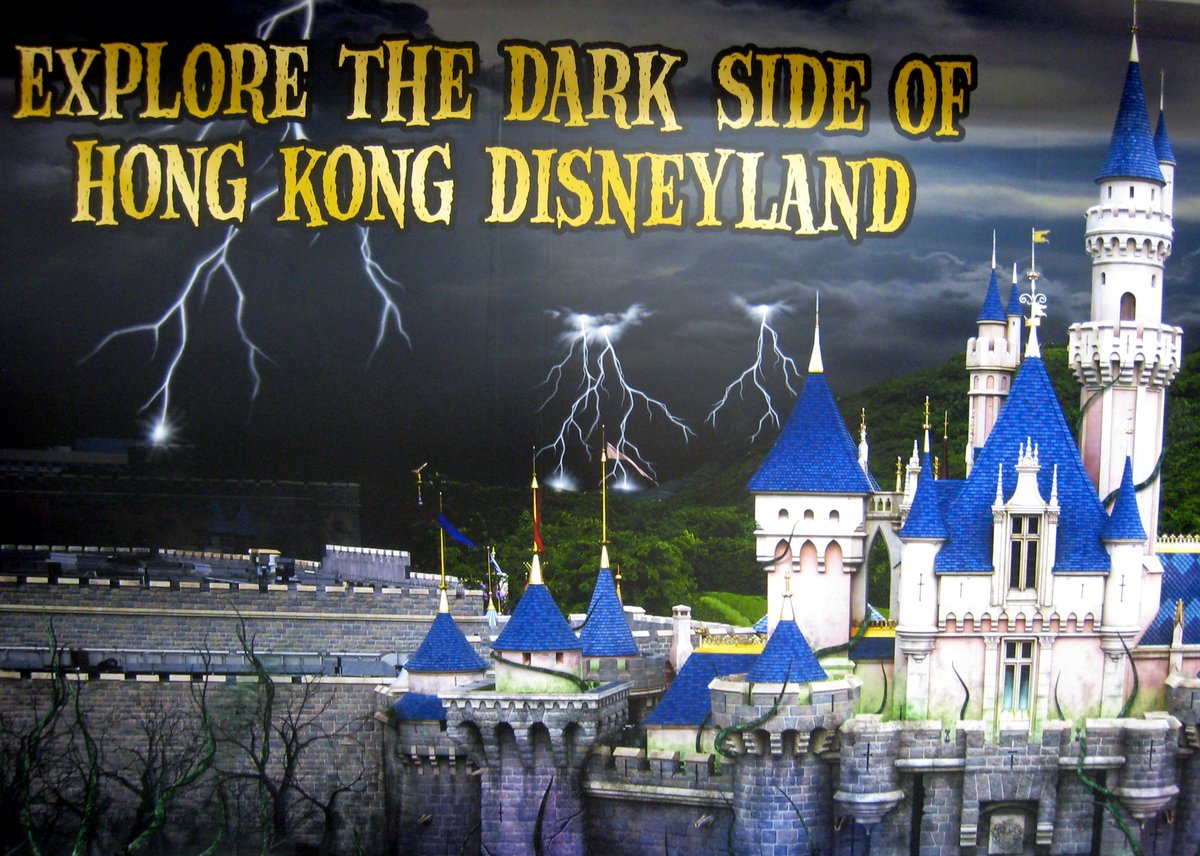
Hong Kong Disneyland
Welcome to your ultimate guide to visiting 香港迪士尼樂園 (Hong Kong Disneyland), a magical destination located on Lantau Island.
Wan Chai District
Nestled on Hong Kong Island, the Stubbs Road Lookout is a gem that offers unparalleled panoramic views of the city's bustling skyline, the serene Victoria…
Eastern District
Nestled in the vibrant and bustling city of Hong Kong, Monkey Buttress is a site of immense historical, cultural, and natural significance.
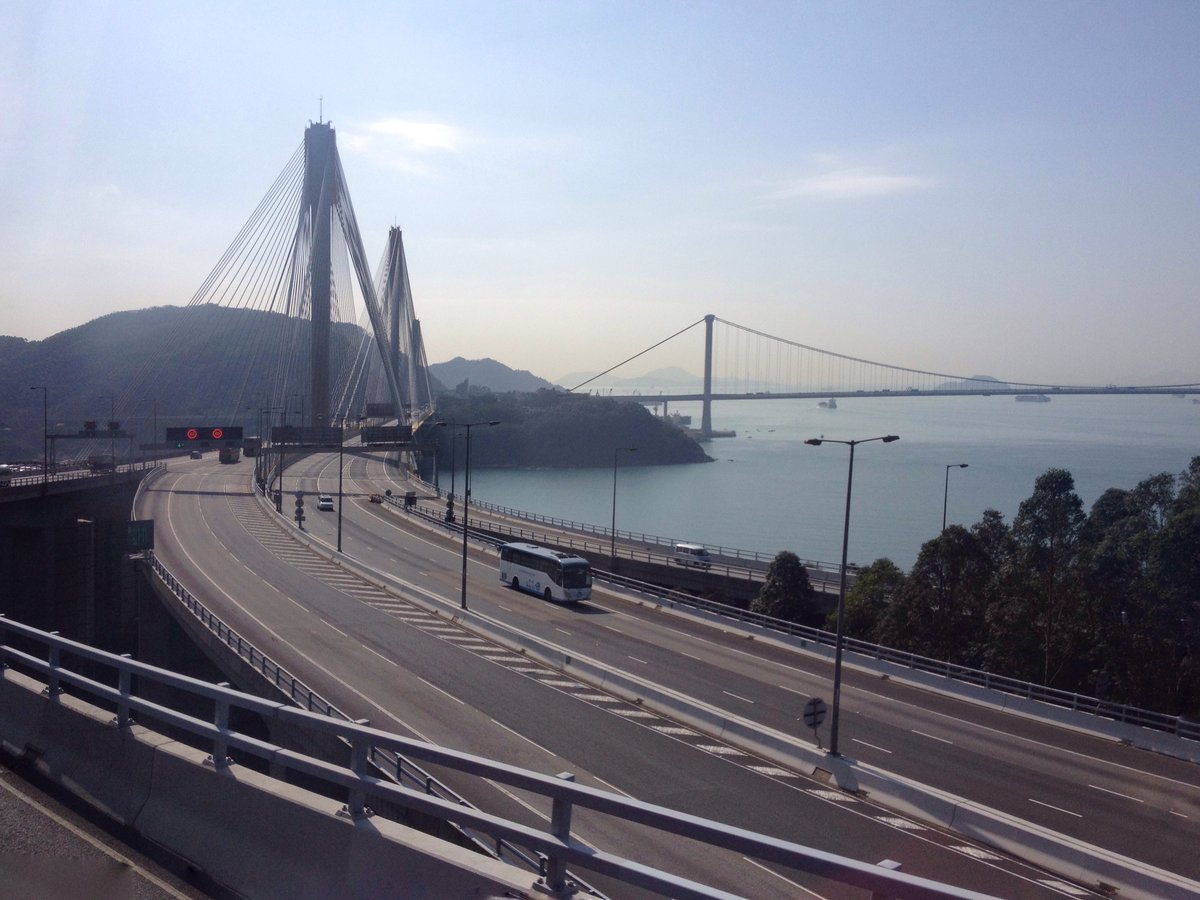
Kwai Tsing District
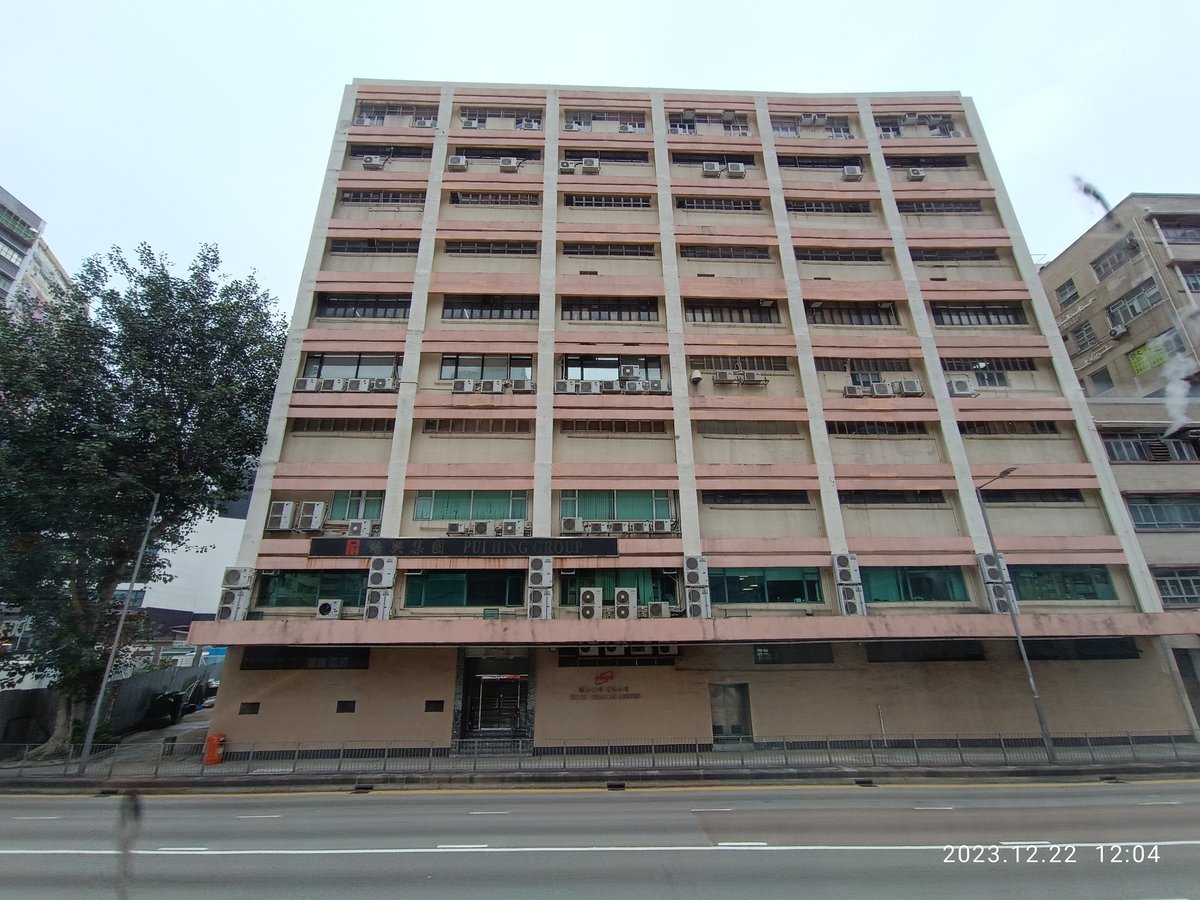
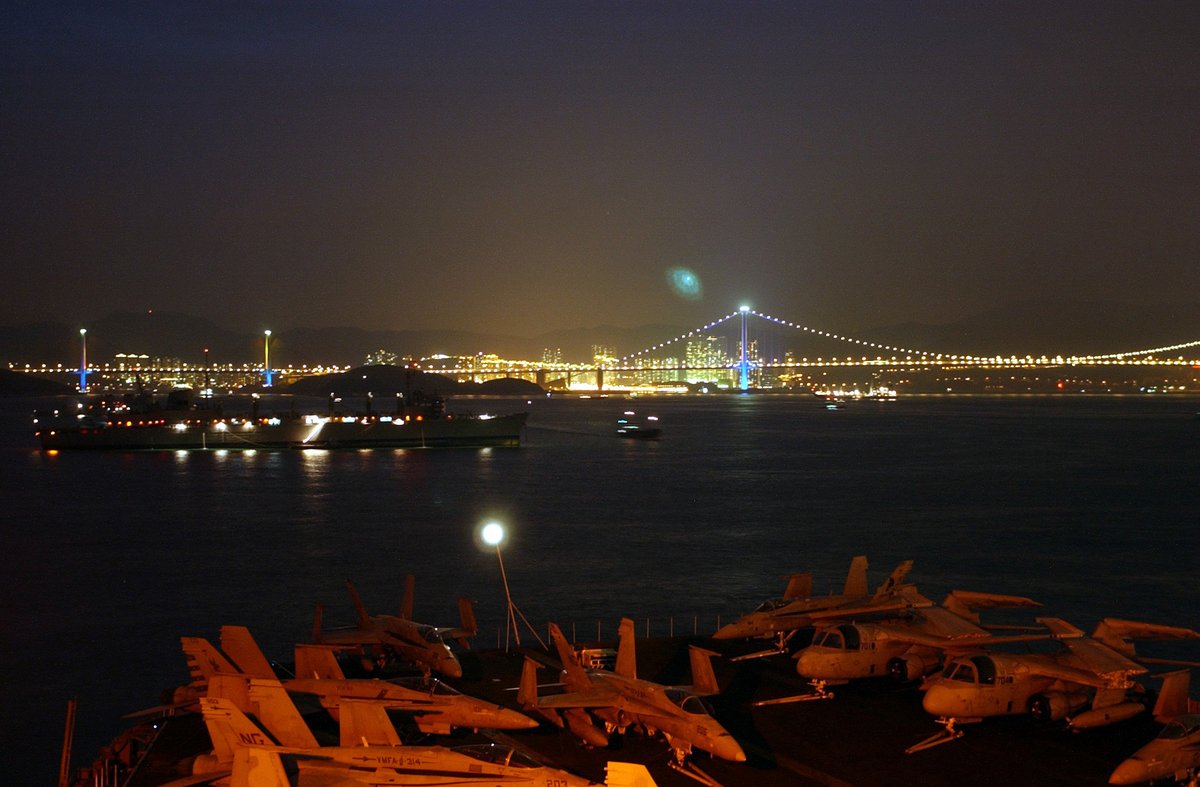
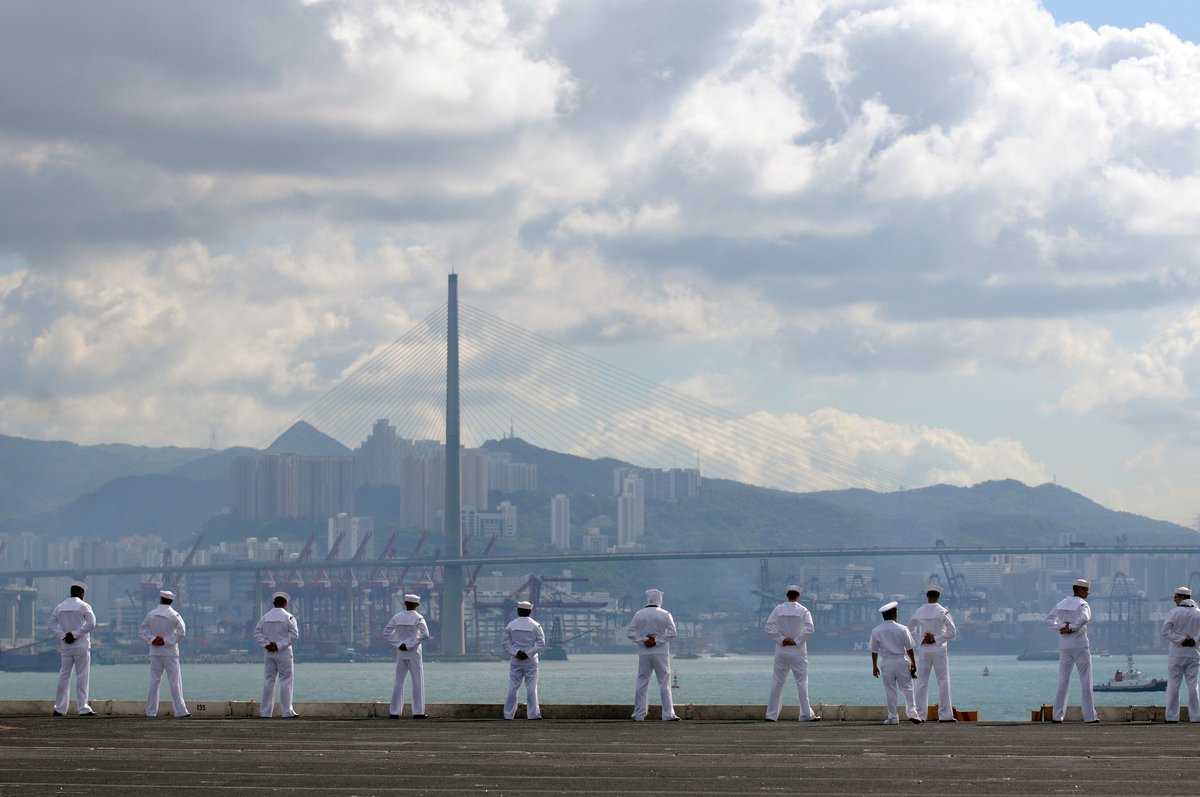
Welcome to Kwai Tsing District, a captivating blend of historical richness, industrial evolution, and vibrant contemporary culture situated in the southwest…
Tsing Yi
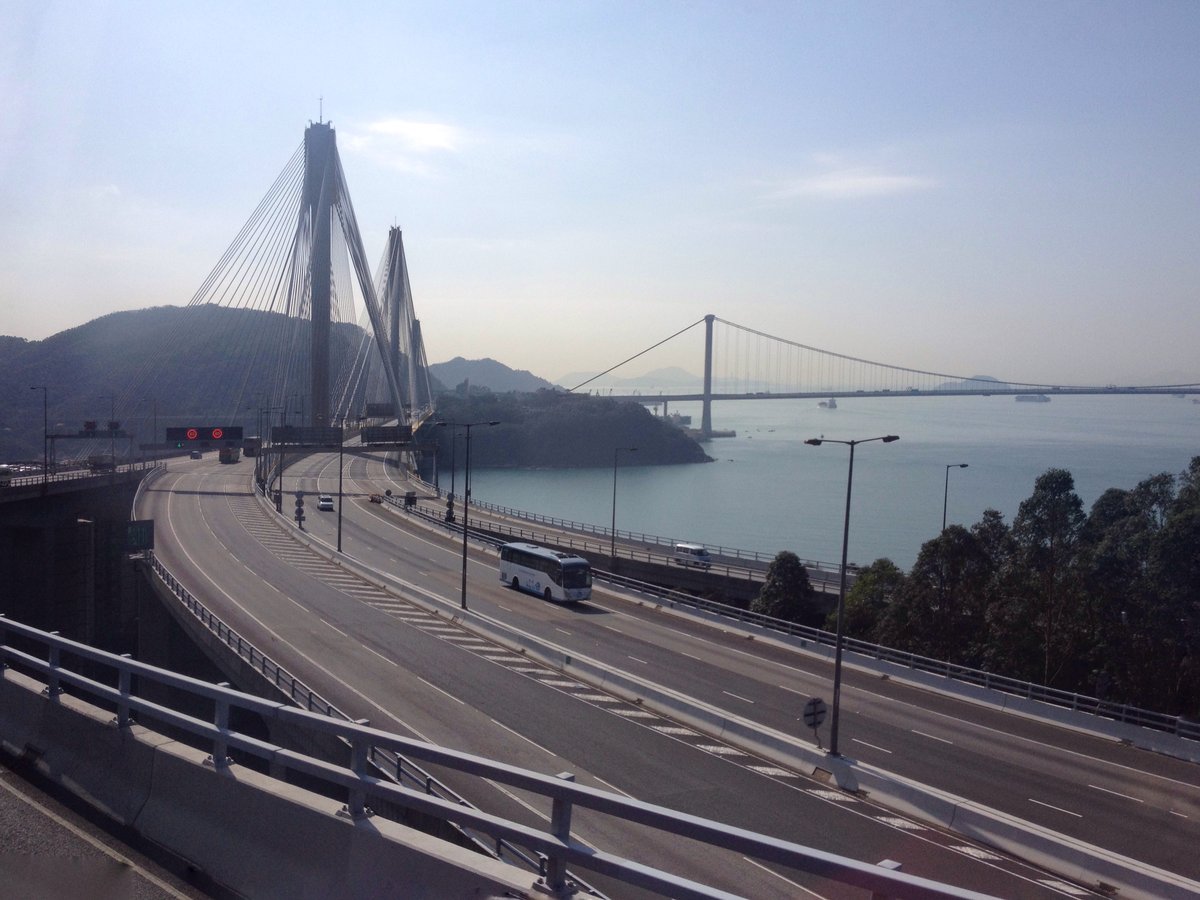
Welcome to the comprehensive guide to visiting the 障礙物燈標 (Obstacle Light) in Hong Kong.
Victoria Harbour
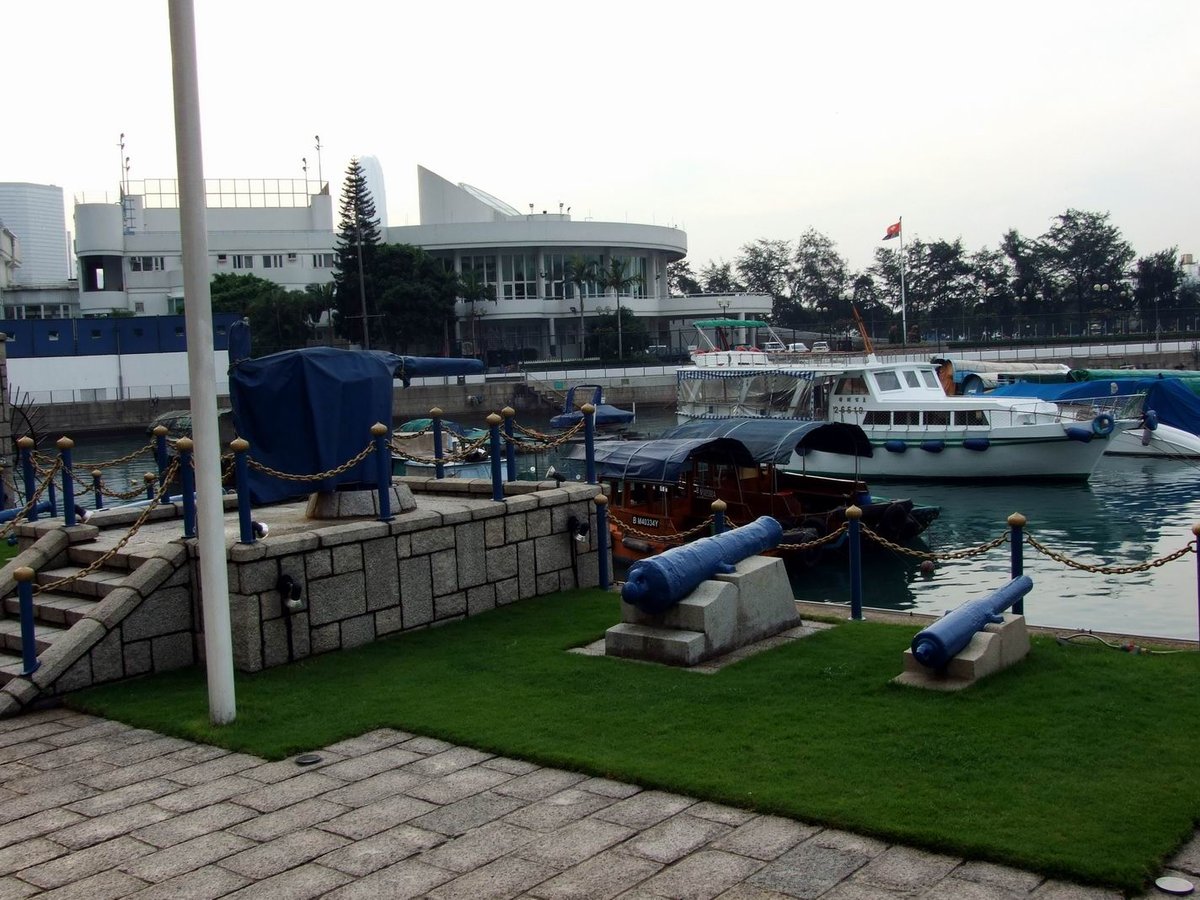
Welcome to the comprehensive guide on visiting 九龍公眾碼頭, also known as Kowloon Public Pier, one of Hong Kong's most iconic landmarks.
Peak Tower
凌霄閣 Peak Tower, located at the summit of Victoria Peak in Hong Kong, is one of the city's most iconic and must-visit landmarks.
Bank of China Tower
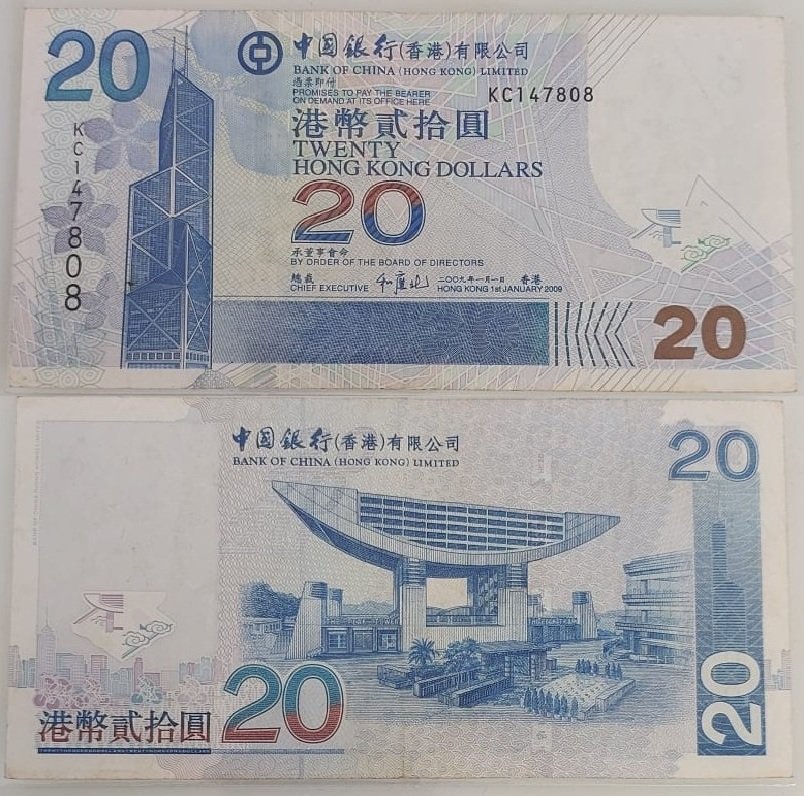
The Bank of China Tower, known locally as 中銀大廈, is an architectural gem and a significant landmark in Hong Kong's Central District.
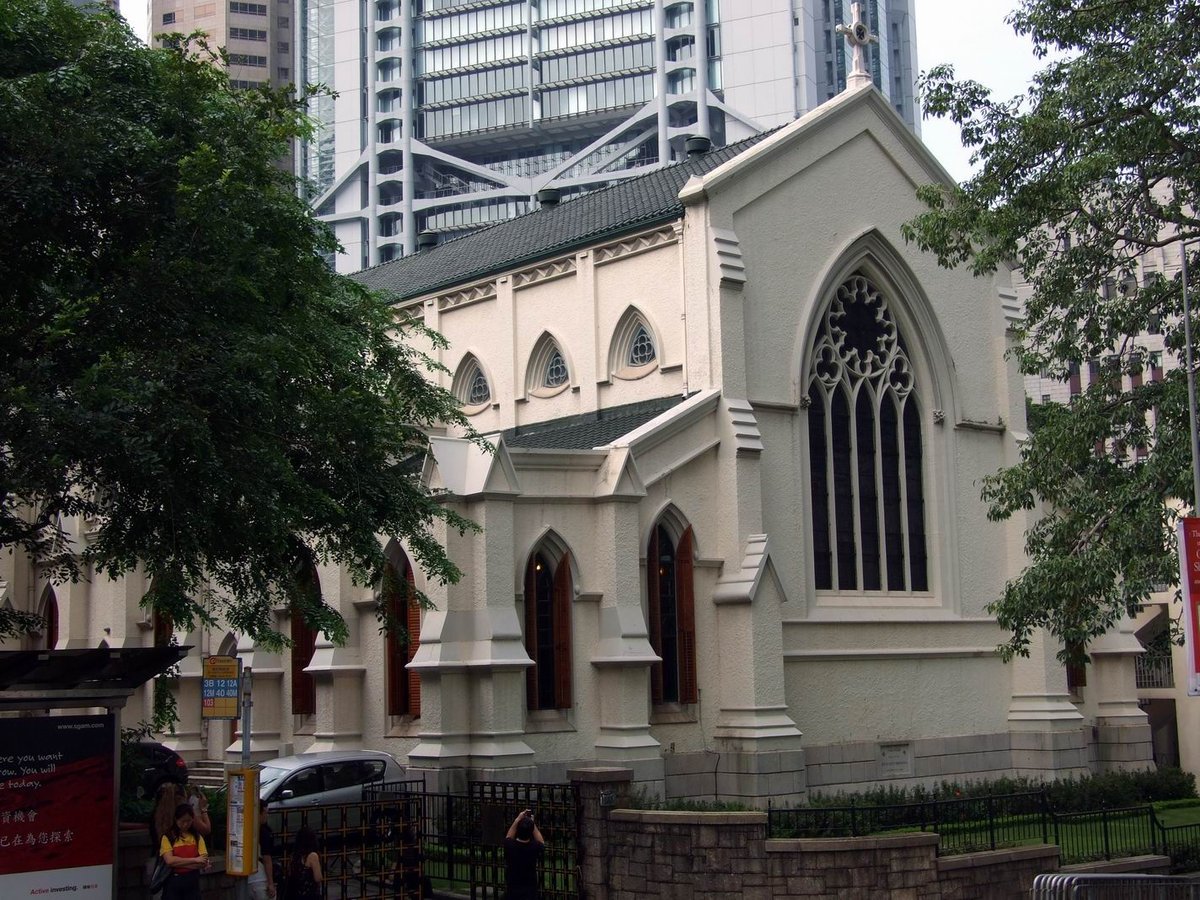
St John'S Cathedral
St John’s Cathedral in Hong Kong is a remarkable emblem of the city’s rich colonial heritage, architectural finesse, and vibrant spiritual life.
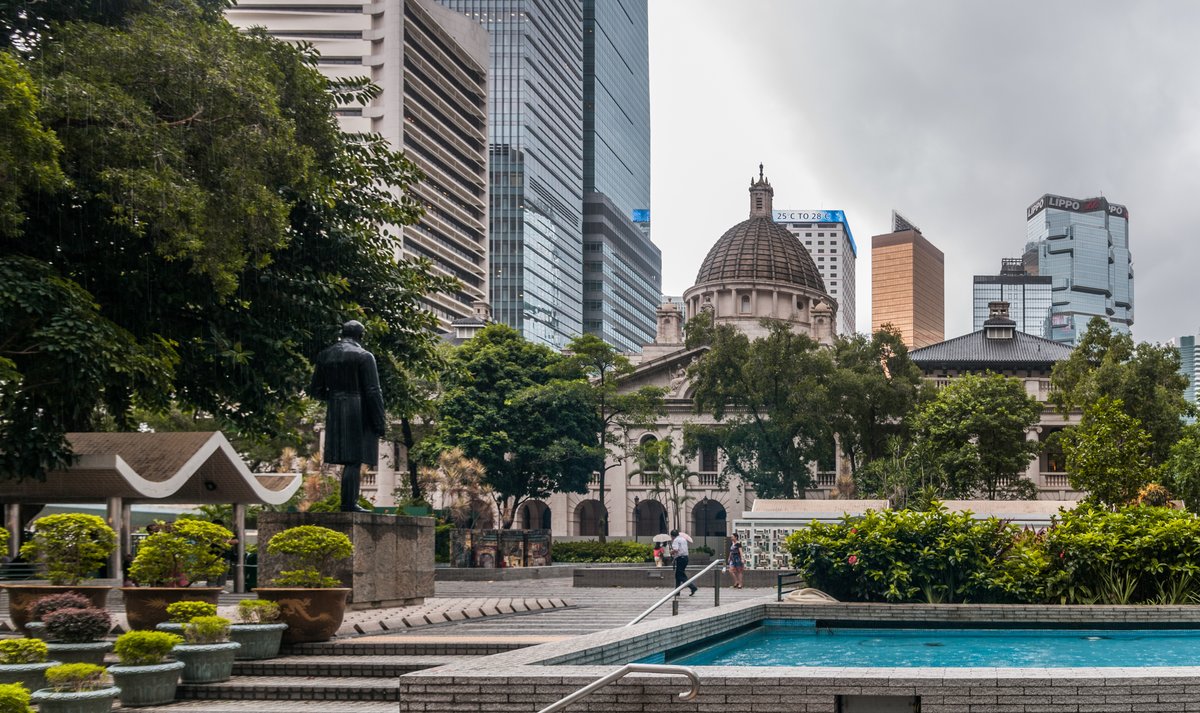
Statue Square
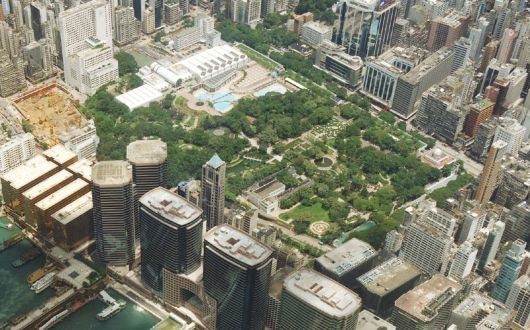
Located in the bustling heart of Hong Kong’s Central district, Statue Square is a distinguished public space that encapsulates the city’s rich colonial…
Tai Kwun
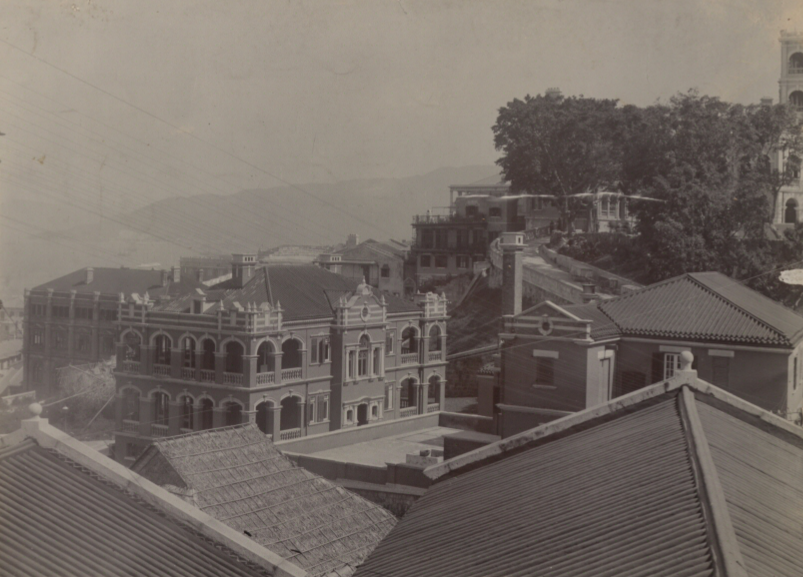
Tai Kwun, officially known as the Central Police Station Compound, stands as one of Hong Kong's most significant historical and cultural landmarks.
What Makes This City Special
Vertical Drama, Harbour Stage
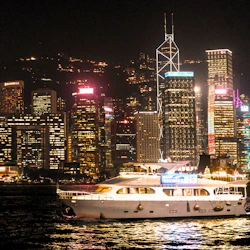
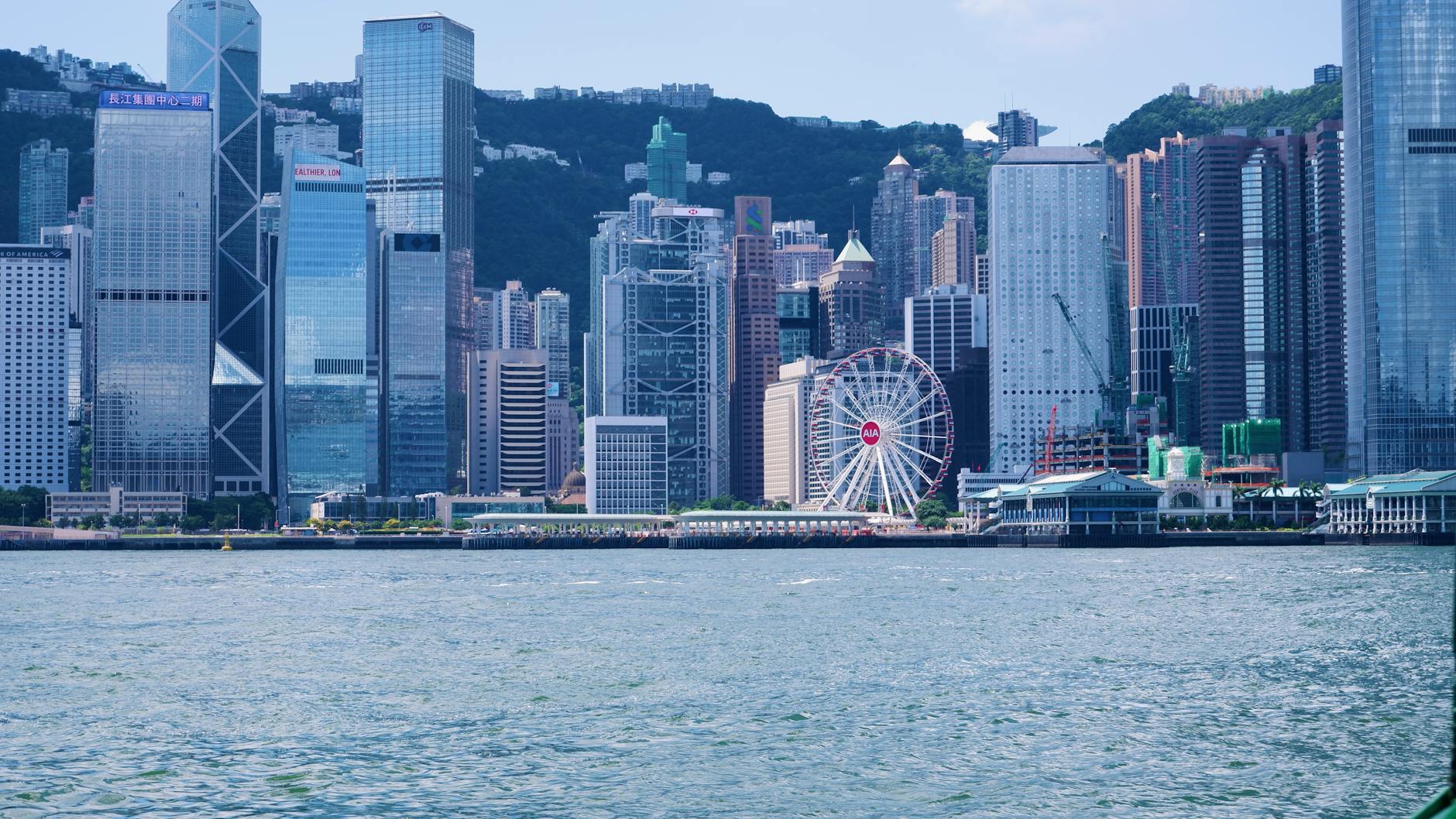
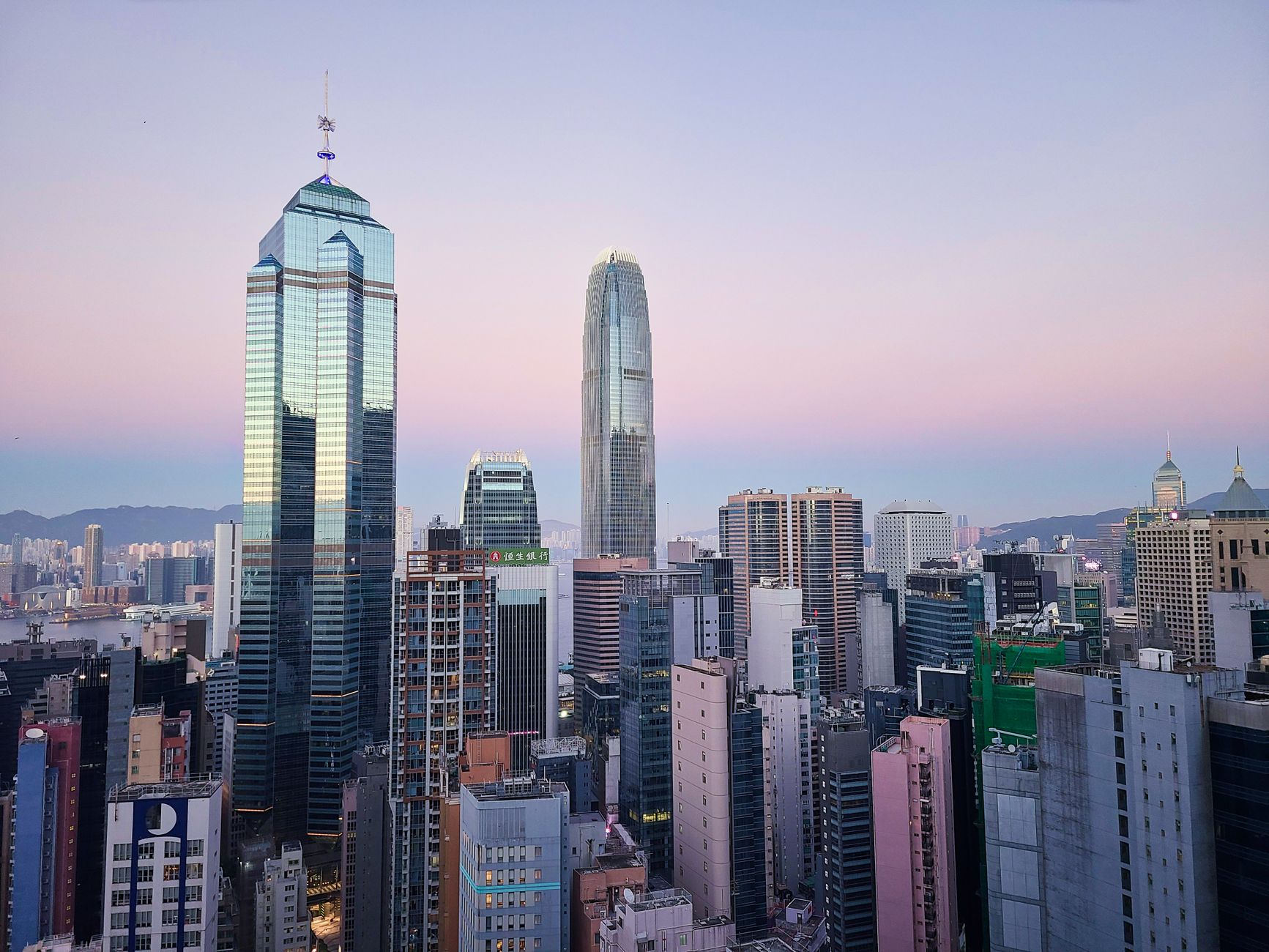
Hong Kong’s skyline is a live argument between eras: Foster’s exposed-structure HSBC (1985), I.M. Pei’s angular Bank of China Tower (1990), and ICC’s 484m glass blade on the Kowloon side. Cross Victoria Harbour on the Star Ferry at dusk and you feel the city’s scale in salt air, engine hum, and neon reflections.
Culture in Layers
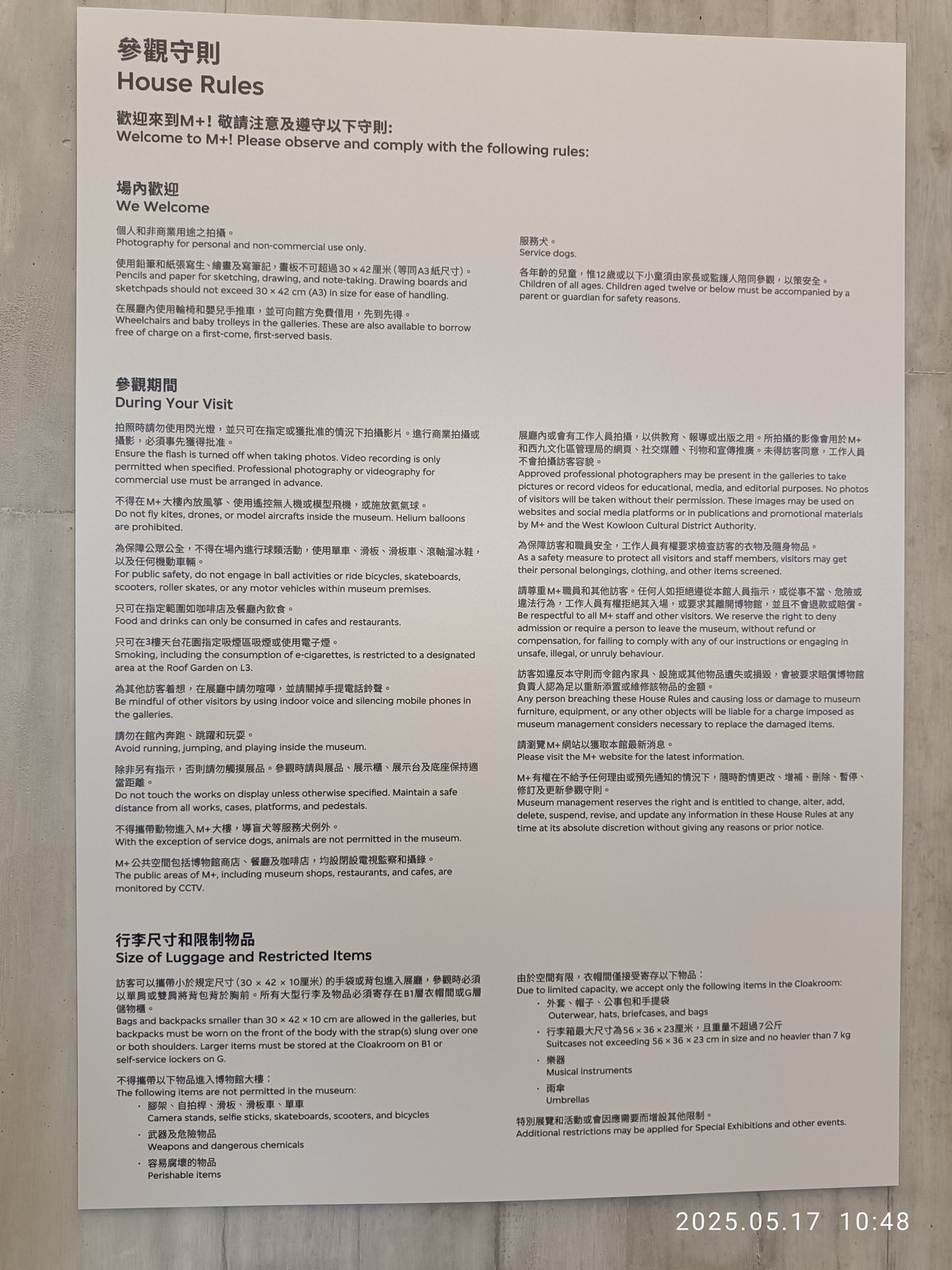
Within a single afternoon you can move from incense coils at Man Mo Temple (1847) to cutting-edge galleries at M+ (opened 2021) and prison-yard performances at Tai Kwun. Hong Kong’s cultural secret is proximity: Taoist ritual, Cantonese opera, and global contemporary art sit a few MTR stops apart.
Wild Country Next Door
Roughly 40% of Hong Kong is country park, and the contrast is shocking in the best way: granite towers one hour, volcanic sea cliffs the next. Hikes like Dragon’s Back, Lantau Peak, and the High Island Reservoir East Dam’s hexagonal basalt columns reset your sense of what this city is.
Night Markets, Late Kitchens
After dark, Temple Street fills with clattering woks, fortune tellers, and plastic-stool dinners that run well past midnight. Add rooftop bars in Central, dai pai dong-style cooked food centres, and 24-hour cha chaan teng cafés, and the city feels less like it closes than simply changes costume.
Historical Timeline
Harbor of Exiles, Empires, and Reinventions
From Stone Age shore camps to a global city negotiating power, memory, and identity
First Footprints on Coastal Stone
At Wong Tei Tung in Sai Kung, stone tools show people were living off these rugged shores tens of thousands of years ago. Long before skylines, Hong Kong was a landscape of tidal flats, fish runs, and seasonal camps where survival depended on reading wind and water.
Qin Rule Reaches the Delta
Qin armies pushed into the Lingnan region and folded the Hong Kong area into imperial administration for the first time. The move tied these islands and inlets to larger state systems of tax, military control, and coastal trade.
Tang Salt and Naval Outpost
By the Tang era, Tuen Mun had become both a naval station and a supervised salt center, with ships moving through South China Sea routes nearby. The harbor world here smelled of brine, timber, and pitch, and it linked local villages to Indian Ocean commerce.
Song Dynasty Falls at Sea
As Mongol forces closed in, the last Southern Song court fled through the waters near Hong Kong before the final defeat at Yamen. The memory survives at Sung Wong Toi, where a fragment of stone stands for a vanished dynasty and a desperate maritime retreat.
Portuguese Ships Enter Local Waters
Portuguese traders reached the Pearl River approaches and began probing ports around Tuen Mun. Their arrival marked Hong Kong’s coastline as a contact zone where Chinese officials, foreign merchants, and smugglers tested one another’s limits.
Coastal Evacuation Empties Villages
The early Qing court ordered coastal communities inland to cut support for Ming loyalists, and much of Hong Kong’s shoreline was abruptly depopulated. Fields went wild, temples were abandoned, and later resettlement reshaped clan geography in the New Territories.
British Flag Raised at Possession Point
On 25 January, British forces formally claimed Hong Kong Island during the First Opium War. What followed was not a quiet transfer but the start of a hard-edged colonial experiment built on deep water, strategic location, and coerced treaty politics.
Treaty of Nanking Seals Cession
The Treaty of Nanking ended the war and ceded Hong Kong Island to Britain in perpetuity. In practical terms, this turned a contested military foothold into a Crown Colony with courts, docks, and land sales expanding at speed.
Kowloon Added to the Colony
After the Second Opium War, the Convention of Peking transferred Kowloon south of Boundary Street and Stonecutters Island to British control. The colony stepped beyond the island and began to grow as a two-sided harbor city.
Sun Yat-sen in Colonial Classrooms
Sun Yat-sen studied medicine in Hong Kong, where missionary schools, Chinese networks, and imperial politics collided in daily life. He later called the city a cradle of revolution, and his years here helped shape modern Chinese republican thought.
Peak Tram Climbs the Mountain
The Peak Tram began hauling passengers up steep forested slopes to cooler air and elite residences above Central. It was a transport project, but also a social one: altitude mapped directly onto colonial class divisions.
Plague Strikes Tai Ping Shan
Bubonic plague tore through crowded districts, killing thousands and sending many residents fleeing the colony. The crisis transformed public health policy, sanitation systems, and medical research in ways still visible in Hong Kong’s urban governance.
New Territories Leased for 99 Years
Britain secured a 99-year lease over the New Territories and outlying islands, vastly enlarging Hong Kong’s footprint. That single legal clock, set to expire in 1997, would later determine the timetable of sovereignty negotiations.
Black Christmas Surrender
Japanese forces invaded in December and forced Hong Kong’s surrender on 25 December after brutal fighting on both sides of the harbor. Civilians and prisoners endured executions, starvation, and internment during the occupation years that followed.
Liberation and British Return
Japan’s surrender brought British forces back into a city physically damaged and socially traumatized. Liberation ended occupation, but reconstruction had to begin amid shortages, dislocation, and a radically changed regional political landscape.
Bruce Lee's Hong Kong Formation
Bruce Lee was born in 1940 and spent formative childhood and youth years in Hong Kong’s dense, kinetic streets. The city’s working-class rhythms, Cantonese opera family background, and martial arts circles became the engine of a film language that Hong Kong later exported worldwide.
Shek Kip Mei Fire Changes Policy
A Christmas-night blaze tore through squatter settlements and left about 53,000 people homeless in hours. The disaster forced the government to launch mass public housing, reshaping daily life for generations of postwar migrants and their children.
Jin Yong Builds a Wuxia Universe
Louis Cha, known as Jin Yong, co-founded Ming Pao in Hong Kong and wrote serialized martial-arts epics that readers devoured on trams and in teahouses. His stories gave the city a shared literary mythology and helped cement Hong Kong as a Chinese-language cultural powerhouse.
Leftist Riots Rock the Colony
Inspired by the Cultural Revolution across the border, labor disputes escalated into bomb attacks and street violence, with 51 deaths. The shock pushed the colonial state toward deeper social reform, including housing, education, and anti-corruption efforts.
ICAC Targets Systemic Corruption
The Independent Commission Against Corruption was created after public fury over entrenched police graft. Its investigations and arrests changed how permits, policing, and business were done, and became one of Hong Kong’s most influential institutional inventions.
MTR Rewires Urban Time
The first MTR line opened and quickly changed how Hong Kong moved, worked, and imagined distance. Commutes that once crawled through heat and congestion became clockwork, enabling denser urban expansion and a new tempo of everyday life.
Joint Declaration Sets 1997 Deadline
Britain and China signed the Sino-British Joint Declaration, confirming that sovereignty would transfer in 1997 under the promise of One Country, Two Systems. Relief and anxiety coexisted in the same neighborhoods as families weighed whether to stay, invest, or emigrate.
Midnight Handover at the Harbor
On the night of 30 June to 1 July, British rule ended and Hong Kong became a Special Administrative Region of China. Flags changed at the Convention Centre, but the deeper question was always how law, identity, and political voice would evolve after the ceremony lights dimmed.
SARS and a City in Masks
SARS infected 1,755 people in Hong Kong and killed 299, with hospitals overwhelmed and apartment blocks quarantined. The outbreak altered public behavior for years: masks, hygiene vigilance, and a hard-earned awareness that urban infrastructure can carry disease as fast as people.
Charles Kao's Nobel Moment
Charles K. Kao, who had deep ties to the Chinese University of Hong Kong, received the Nobel Prize in Physics for pioneering fiber-optic communication. In a city obsessed with connectivity, his work felt personal: Hong Kong’s financial and media networks literally run on light through glass.
Umbrellas Fill the Arterial Roads
After Beijing’s framework for limited electoral reform, protesters occupied major roads for 79 days in Admiralty, Mong Kok, and Causeway Bay. Tear gas and umbrellas became the defining image of a generation demanding a stronger voice in its own future.
Extradition Bill Triggers Mass Protests
What began as opposition to an extradition bill grew into months of citywide unrest, with marches of up to millions and fierce clashes around campuses, stations, and government buildings. The protests redrew political lines in families, workplaces, and neighborhoods almost overnight.
National Security Law Reshapes Civic Space
Beijing imposed the National Security Law on 30 June, introducing new offenses and enforcement powers with immediate effect. Activist groups disbanded, media outlets shut, and the city’s once-boisterous protest culture was replaced by a far quieter public sphere.
Article 23 Completed Locally
Hong Kong passed its own Safeguarding National Security Ordinance, often called local Article 23 legislation, in March 2024. Officials described closure of a constitutional gap; critics saw another decisive narrowing of political pluralism under the post-2020 order.
Notable Figures
Bruce Lee
1940–1973 · Martial artist and film iconBruce Lee grew up in Hong Kong’s dense postwar streets and trained in local rooftops and schoolyards long before global fame. The city’s speed, improvisation, and edge shaped the rhythm of his fighting style. He would probably recognize the energy instantly, even with today’s glass towers.
Ip Man
1893–1972 · Wing Chun masterAfter moving to Hong Kong in 1949, Ip Man taught Wing Chun in modest union halls and upstairs rooms, helping turn a regional art into a global language of movement. His classes drew workers, students, and eventually Bruce Lee. In today’s city, his legacy still survives in small training schools above busy streets.
Anita Mui Yim-fong
1963–2003 · Cantopop singer and actressAnita Mui rose from child nightclub performances to become one of Hong Kong’s defining voices, blending glamour with grit. Her concerts became emotional landmarks for a city negotiating change in the 1980s and 1990s. She remains part of Hong Kong’s collective memory whenever classic Cantopop fills a taxi or tea house.
Leslie Cheung Kwok-wing
1956–2003 · Singer and actorLeslie Cheung gave Hong Kong two parallel legends: pop idol and one of Asian cinema’s most magnetic actors. His performances in films tied to the city’s mood—restless, romantic, and slightly haunted—still define an era. Walking Tsim Sha Tsui at night, you can feel the atmosphere his films preserved.
Wong Kar-wai
born 1958 · Film directorWong Kar-wai turned Hong Kong stairwells, noodle shops, and midnight streets into cinema’s most recognizable emotional geography. He captured the city in fragments: rain on neon signs, cramped apartments, missed connections. If he filmed it now, the skyline would change, but the longing between people would look familiar.
Sir Run Run Shaw
1907–2014 · Media mogul and film producerRun Run Shaw helped industrialize Hong Kong entertainment through Shaw Brothers and later TVB, creating a production pipeline that reached across Asia. Entire neighborhoods fed talent into his studios, from actors to set carpenters. Modern Hong Kong streaming culture still sits on infrastructure he built decades ago.
Lee Lai-shan
born 1970 · Olympic windsurfing championLee Lai-shan trained on local waters and won Hong Kong’s first Olympic gold medal in 1996, a turning point in the city’s sporting identity. Her story is inseparable from Cheung Chau’s seafaring culture and windy channels. On ferry decks and island beaches, she remains a hometown symbol of possibility.
Photo Gallery
Explore Hong Kong in Pictures
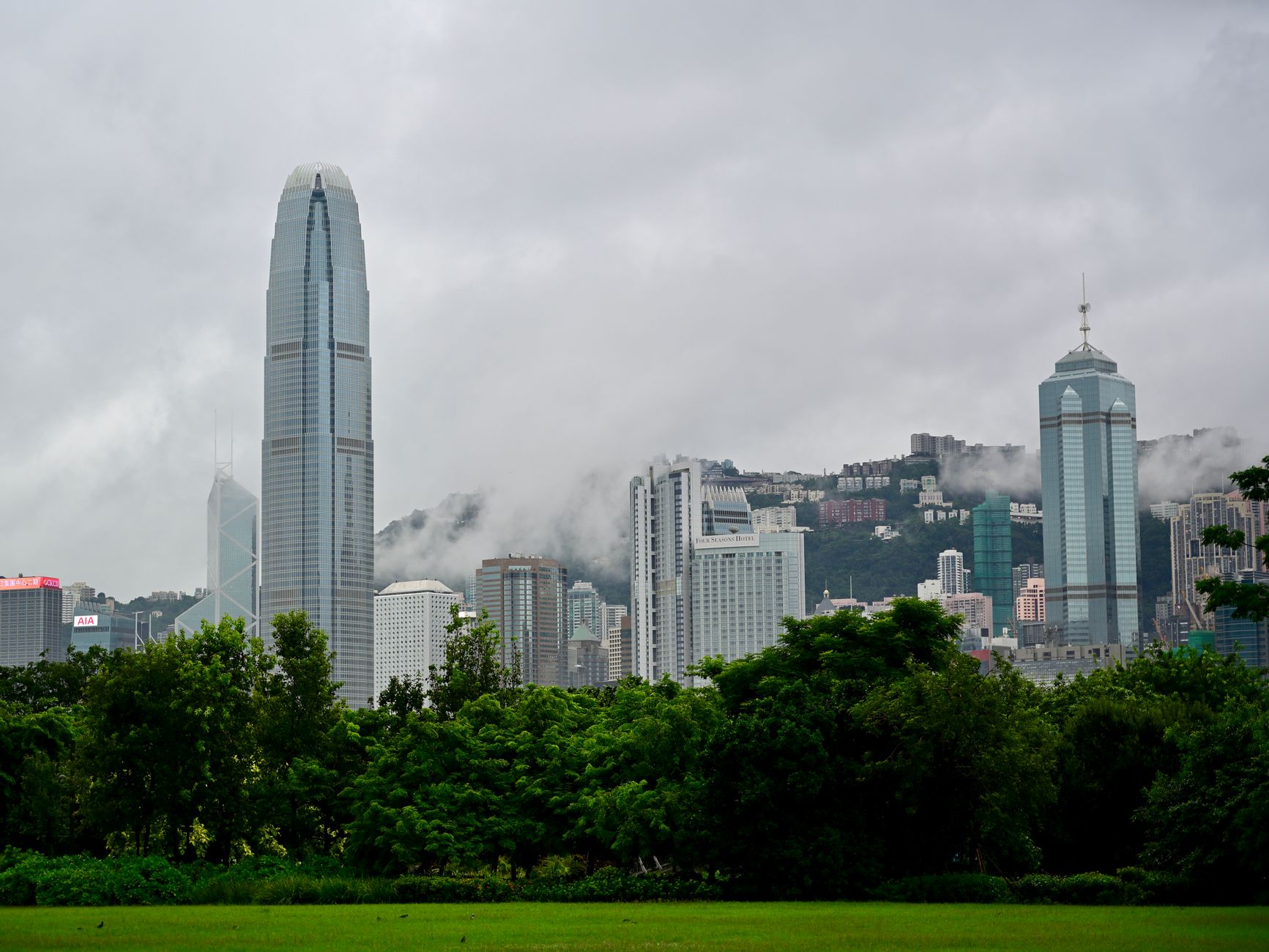
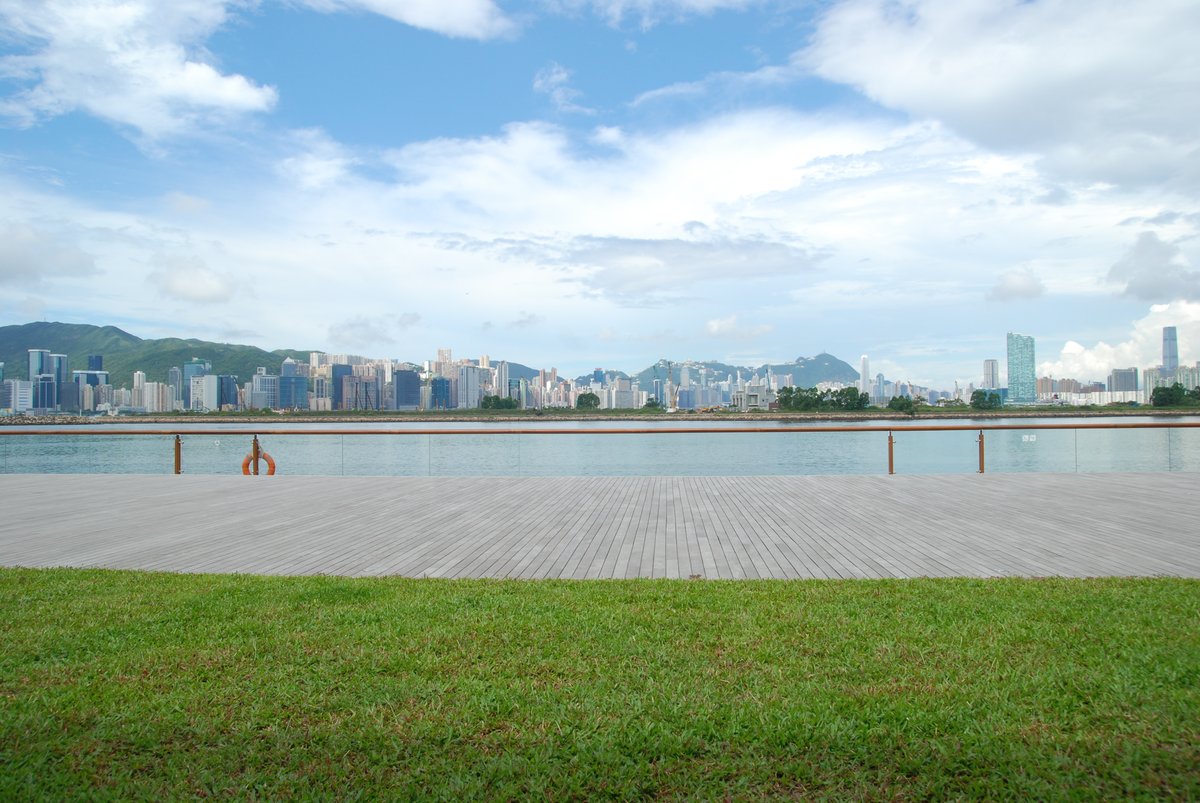
The iconic Hong Kong skyline rises above a lush green park, with dramatic clouds and mist clinging to the mountainside behind the skyscrapers.
Wong Peter on Pexels · Pexels License
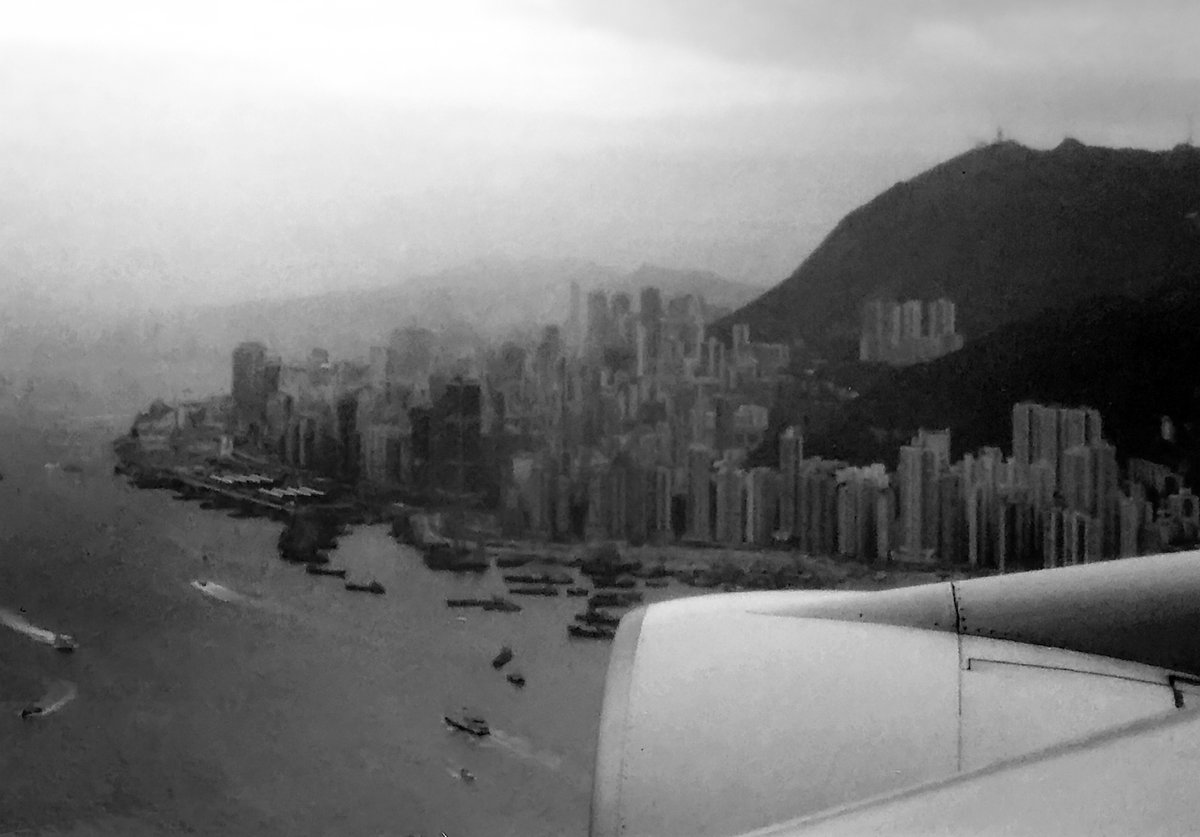
A stunning aerial perspective of the dense Hong Kong skyline, showcasing its world-famous architecture and the bustling Victoria Harbour.
Zifeng Xiong on Pexels · Pexels License
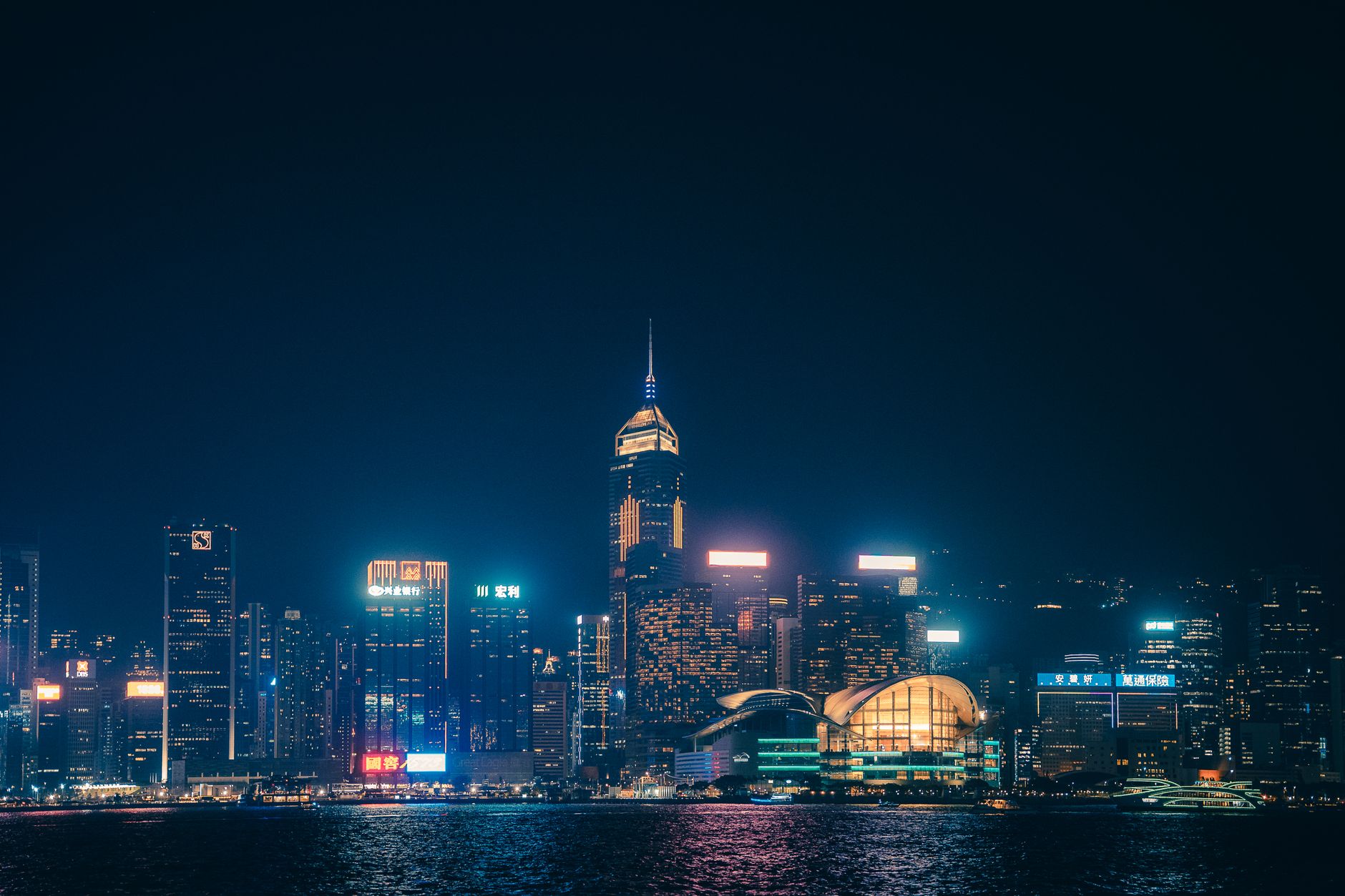
The vibrant Hong Kong skyline glows at night, reflecting off the calm waters of Victoria Harbour.
Willian Justen de Vasconcellos on Pexels · Pexels License
A stunning aerial perspective of the high-density urban landscape and residential towers in Hong Kong, Hong Kong, bathed in the soft glow of late afternoon light.
Willian Justen de Vasconcellos on Pexels · Pexels License
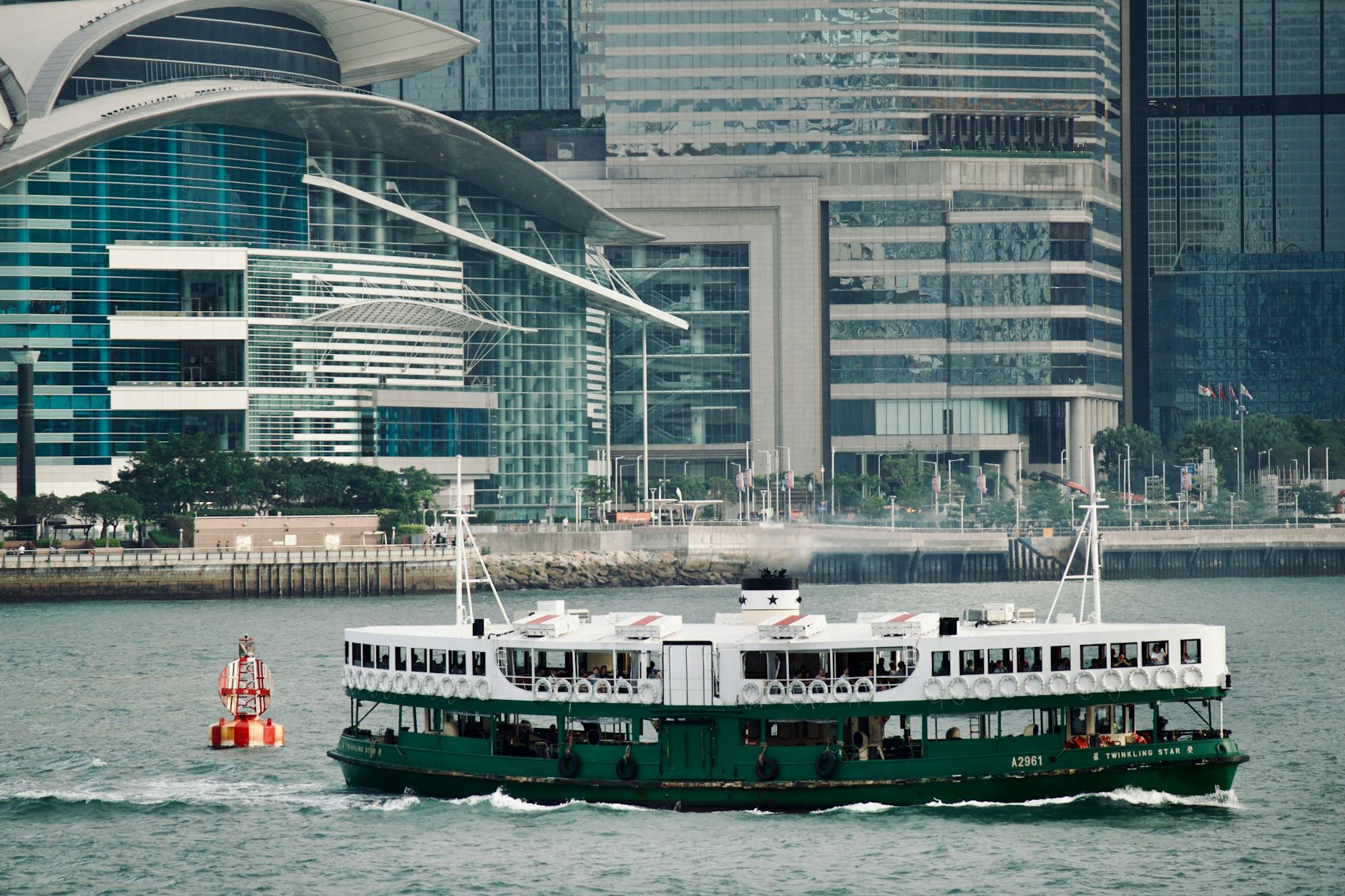
The iconic Star Ferry rests at a pier in Victoria Harbour, set against the dense, towering architecture of the Hong Kong skyline.
B.N.W on Pexels · Pexels License
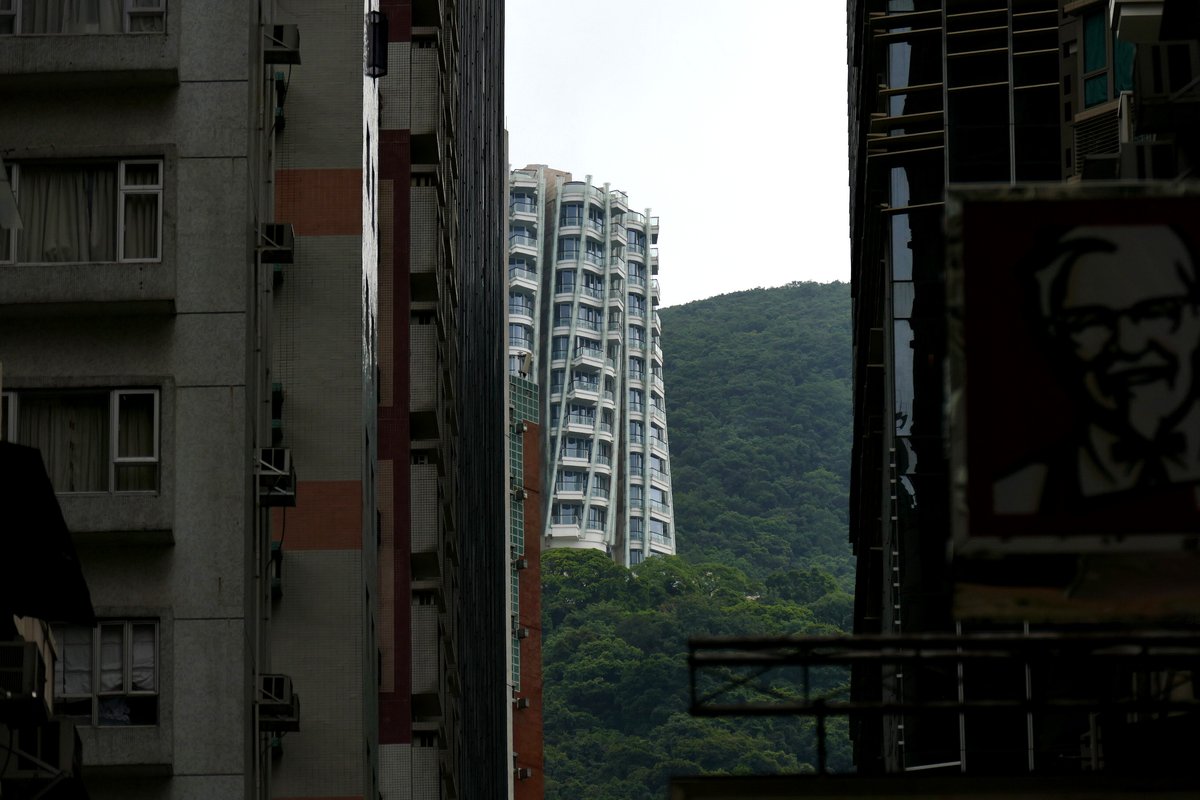
An elevated perspective of the towering residential skyscrapers that define the iconic and densely populated urban landscape of Hong Kong.
Nextvoyage on Pexels · Pexels License
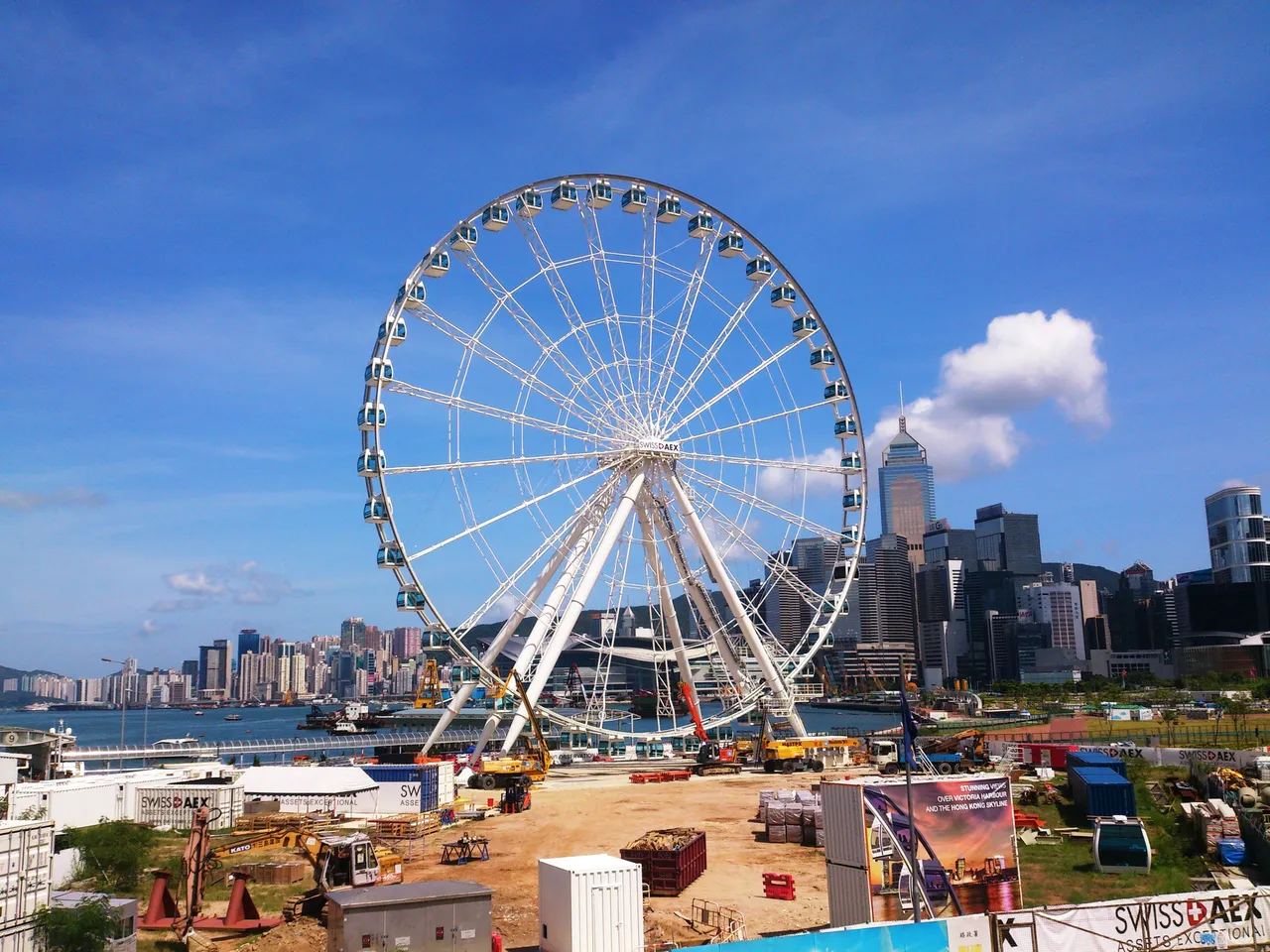
The iconic Hong Kong skyline rises above the shimmering waters of Victoria Harbour, featuring the famous AIA Ferris wheel.
Kevin Huynh on Pexels · Pexels License
The iconic Star Ferry navigates the waters of Hong Kong, set against the striking modern architecture of the city's waterfront.
YK NG on Pexels · Pexels License
The dramatic sunset casts a golden glow over the iconic skyscrapers and mountainous landscape of Hong Kong.
Fu Shan Un on Pexels · Pexels License
Videos
Watch & Explore Hong Kong
The Final Course in Hong Kong | Hungry In Hong Kong | Episode 3 | Dice Media
Your 1 DAY Guide to Hong Kong 🇭🇰
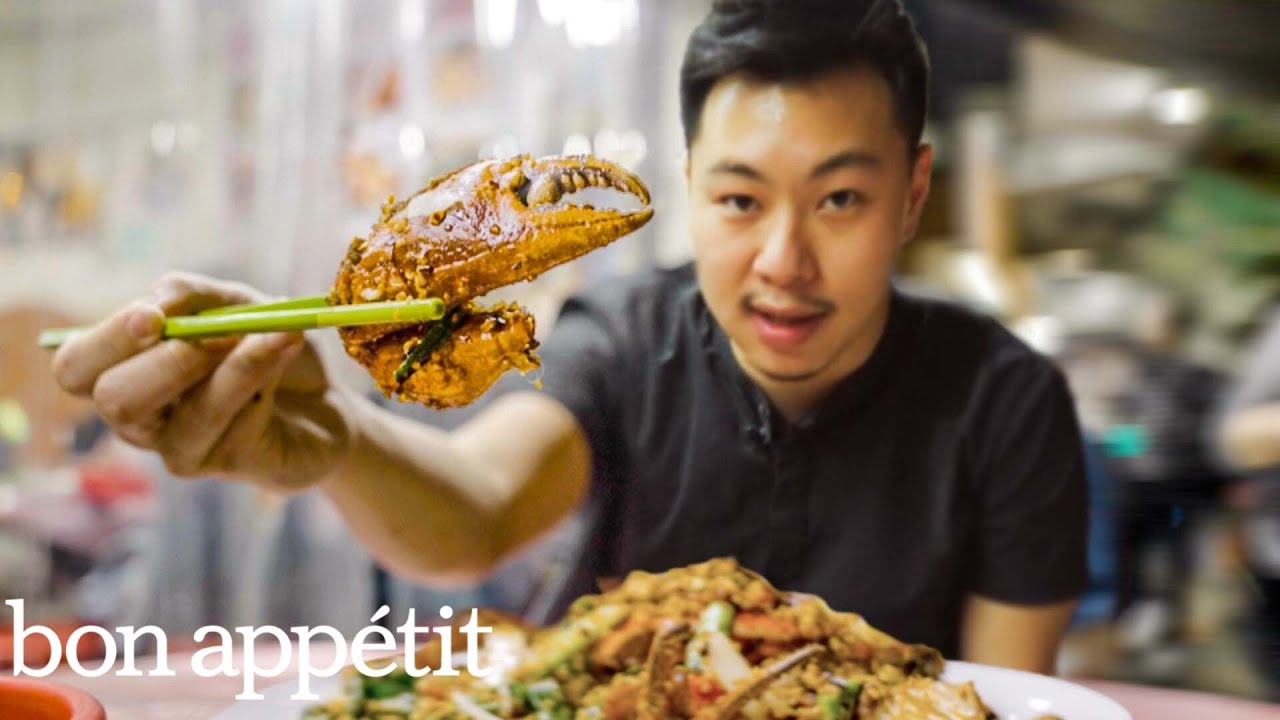
We Tried the Most Famous Street Seafood in Hong Kong | Street Eats | Bon Appétit
Practical Information
Getting There
Hong Kong International Airport (HKG) is the main gateway, linked to Central by Airport Express in about 24 minutes; nearby alternatives for multi-city trips are Macau International Airport (MFM) and Shenzhen Bao’an International Airport (SZX). The key rail hub is Hong Kong West Kowloon Station for high-speed trains to Shenzhen, Guangzhou, and beyond, with major cross-border interchanges at Lo Wu and Lok Ma Chau. Road links include Route 8/Route 3 via Tsing Ma Bridge and the Hong Kong–Zhuhai–Macau Bridge corridor on Lantau.
Getting Around
As of 2026, the MTR runs 10 lines (including Airport Express and Disney Resort Line) and is the backbone of urban travel, typically operating roughly 05:30 to around 01:00. Add the HK Island double-decker trams (HK$3 flat fare), Star Ferry crossings (about HK$3.7–4.7), dense bus/minibus networks, and outlying-island ferries from Central Piers. Use an Octopus card for nearly everything; tourist Airport Express + MTR bundles are usually around HK$220–300, with fares revised periodically.
Climate & Best Time
Autumn to early winter is the sweet spot: October to December is usually dry, clearer, and around 17–29°C depending on month. Summer (June to September) is hot and very humid (often 27–32°C) with the heaviest rain and typhoon risk, while spring is warmer but often foggy and damp. Peak visitor periods are October, Christmas/New Year, Lunar New Year, and major event weeks; shoulder months in November and March often balance weather and crowds best.
Language & Currency
Cantonese is the daily language, but English is widely used on transport, signage, and in hotels, and most stations announce in Cantonese, English, and Mandarin. Currency is the Hong Kong dollar (HKD), pegged in a narrow band to the US dollar, and card/tap payments are common in malls and restaurants. Keep cash or Octopus balance for markets, older eateries, and some minibuses.
Safety
Hong Kong remains one of Asia’s safer big cities for visitors in 2026, with low violent crime and generally reliable late-night transport. The main issues are petty scams (inflated seafood pricing, touts around Chungking Mansions) and crowd-density pickpocket risk in busy markets like Mong Kok. For weather safety, monitor typhoon and rainstorm alerts in the MyObservatory app, especially June to September.
Where to Eat
Don't Leave Without Trying
The Chairman Restaurant
fine diningOrder: Steamed flowery crab and the Sichuan peppercorn stewed oxtail.
This is one of Hong Kong’s defining modern Cantonese kitchens, deeply seasonal and ingredient-driven. It is also one of the toughest reservations in town, and worth planning ahead for.
Lung King Heen
fine diningOrder: Signature dim sum at lunch and premium live seafood dishes at dinner.
Harbour views, polished service, and technically precise Cantonese cooking make this a benchmark splurge. It is ideal when you want classic flavors executed at the highest level.
Yung Kee Restaurant
local favoriteOrder: Roast goose, ideally with rice and a side of goose juices.
This is one of Central’s historic roast-goose institutions and still a key reference point for the dish. Go for tradition, texture, and old-school Cantonese banquet energy.
Luk Yu Tea House
local favoriteOrder: Deep-fried prawn toast, steamed buns, and classic Cantonese tea-house dishes.
Opened in the 1930s, it preserves old Central tea-house atmosphere better than almost anywhere else. Come for heritage dining, not minimalism.
Shugetsu (Central)
quick biteOrder: Rich dipping noodles (tsukemen) with extra noodles and seasoned egg.
When you want a break from Cantonese food, this is a dependable Central specialist. Strong broths and focused menu make it a reliable quick meal.
Woodlands (Wan Chai) Indian Vegetarian Restaurant in Hong Kong
local favoriteOrder: Masala dosa, thali sets, and crispy vada with sambar.
A long-running comfort spot with consistently strong vegetarian South Indian food. Great value and a useful reset between heavier Cantonese meals.
Ivan The Kozak
local favoriteOrder: Borscht, varenyky dumplings, and chicken Kyiv.
An unusually distinctive Central option with warm hospitality and big flavors. It stands out in a city packed with Cantonese and Japanese choices.
The Globe
local favoriteOrder: Pie-and-mash style pub classics with one of the best craft beer lists in Central.
A true Central institution for serious beer drinkers and solid pub food. It works equally well for a casual meal or late evening pint stop.
Café Landmark
cafeOrder: Afternoon tea sets, cakes, and classic all-day cafe mains.
A polished Central classic for meetings, tea breaks, and dependable all-day dining. Comfortable pace and consistent execution keep locals coming back.
Shui Kee Coffee
cafeOrder: Pineapple bun with butter, milk tea, and traditional toast-and-egg breakfast combos.
An old-school cha chaan teng stop where speed, flavor, and nostalgia matter more than polish. Perfect for a local breakfast rhythm in Sheung Wan.
Tai Cheong Bakery
quick biteOrder: Fresh egg tarts while still warm, plus classic Hong Kong buns.
One of the most famous egg-tart stops in Central and still a classic snack run. It is quick, inexpensive, and very Hong Kong.
Jenny Bakery Sheung Wan
quick biteOrder: Butter cookies in the classic teddy-bear tin, especially the coffee and butter mix.
A cult Hong Kong souvenir bakery with famously long queues. Go early and expect lines, because popular tins can sell out.
Dining Tips
- check Tipping is usually a 10% service charge at sit-down restaurants; locals may round up a little extra for great service.
- check Cash is still useful for old-school cafes and bakery counters, though cards are widely accepted in malls and hotels.
- check Book top Cantonese spots early, especially for dinner and weekends; prime tables can go fast.
- check For famous quick-bite places, queueing is normal and often part of the deal.
- check Lunch is often better value than dinner at upscale restaurants.
- check Cha chaan teng breakfasts run early and fast; arrive before 9:00 AM to avoid peak rush.
- check If a place is known for one item (roast goose, claypot rice, egg tarts), order that first before exploring.
- check In busier local spots, sharing tables and brisk service are normal, not rude.
Restaurant data powered by Google
Tips for Visitors
Peak Without Queues
For Victoria Peak, book Peak Tram tickets online and go on a weekday before late afternoon; weekend waits can stretch to 1–2 hours. If lines are bad, take a bus or taxi up and do the free Lugard Road loop.
Get Octopus First
Buy an Octopus Card at the airport or any MTR customer service counter before anything else. It works on MTR, buses, ferries, trams, many minibuses, and convenience stores, saving time on every ride.
Cheap Skyline Hack
Skip expensive observation decks some nights and ride the Star Ferry instead. A few Hong Kong dollars gets you one of the best harbour views, especially around sunset and the 20:00 Symphony of Lights.
Temple Manners Matter
At Man Mo, Wong Tai Sin, and neighborhood temples, keep voices low and avoid pointing directly at statues or worshippers. Dress modestly and ask before photographing fortune-tellers or ritual activity.
Eat Early, Better
For iconic cha chaan teng spots like Australia Dairy Company, arrive before 8:00 for shorter lines and fresher breakfast service. At Temple Street, food stalls get livelier after 19:00, but quality often peaks before late-night rush.
Hike Weather Smart
Hong Kong hikes are serious in heat and humidity: start early, carry more water than you think, and check the Hong Kong Observatory for thunderstorm or typhoon signals. Trails like Sharp Peak and Lantau ridges are exposed and steep.
Island Ferry Timing
For islands like Po Toi, Peng Chau, and Tap Mun, check return ferry times before you leave Central or Aberdeen. Some routes are limited to specific days, and missing the last boat can end your day expensively.
Explore the city with a personal guide in your pocket
Your Personal Curator, in Your Pocket.
Audio guides for 1,100+ cities across 96 countries. History, stories, and local insight — offline ready.
Audiala App
Available on iOS & Android
Join 50k+ Curators
Frequently Asked
Is hong kong worth visiting? add
Yes—absolutely, especially if you like cities with contrast. In one day you can ride a 19th-century ferry, eat in a 1950s diner, and watch sunset from volcanic coastlines. Few places pack this much history, food culture, and mountain scenery into such a compact area.
How many days in hong kong? add
Plan 4–6 days for a first trip. That gives you time for core sights (Peak, harbour, temples, markets), one major museum day in West Kowloon, and at least one island or hiking day. If you add Macau or Shenzhen, stretch to a week.
What is the best way to get around hong kong? add
Use the MTR plus ferries, then fill gaps with buses and trams. The network is fast, frequent, and usually more reliable than taxis in traffic-heavy hours. Keep an Octopus Card loaded so transfers are frictionless.
How do I get from hong kong airport to Central? add
The fastest way is Airport Express: about 24 minutes to Hong Kong Station. It is pricier than buses but much quicker and more comfortable with luggage. Budget travelers can take airport buses (like A11/A21 routes), which are cheaper but slower.
Is Octopus card worth it in hong kong? add
Yes, it is worth it for almost every traveler. You can tap in and out of transport without buying separate tickets, and it also works at many shops and chains. It saves both time and small change hassles across the city.
Is hong kong safe for tourists? add
Generally yes, Hong Kong is considered very safe for visitors, including at night in busy districts. Use normal city caution in crowded markets and on late transport, especially with valuables and phones. For outdoor safety, weather and heat are bigger risks than crime.
How expensive is hong kong for travelers? add
Hong Kong can be expensive, but it is easy to balance with low-cost transport and food. Trams and Star Ferry rides cost only a few HKD, and many top experiences are free (Lugard Road, waterfront promenades, temple visits, country parks). Hotels are usually the biggest budget pressure.
When is the best time to visit hong kong? add
October to December is usually the sweet spot: cooler air, lower humidity, and clearer skyline views. Spring can be pleasant but often hazier and wetter. Summer is hot, stormy, and typhoon-prone, though still good for indoor culture and evening harbor walks.
Sources
- verified MTR Official Website — Used for Airport Express timings/fares, network coverage, and transport operations.
- verified The Peak (Peak Tram & Sky Terrace 428) — Used for Peak Tram operating hours, ticketing structure, and visitor logistics.
- verified Star Ferry — Used for route details, sailing frequency, and fare ranges across harbour crossings.
- verified West Kowloon Cultural District — Used for M+, Hong Kong Palace Museum, Xiqu Centre, and district-wide cultural venue context.
Last reviewed: