
Visiting Hours and Ticket Information
- Opening Hours 8:00 AM to 6:00 PM daily. Access to certain facilities may be restricted during university events or academic sessions.
- Admission General entry is free. Special exhibitions and cultural events may require advance ticket purchase or registration.
Directions and Transportation
- Public Transport Multiple bus routes service all HRBNU campuses, with Songbei Campus conveniently located near the Songbei District hub.
- Taxi/Ride-Hailing Taxis and ride-hailing apps provide direct access from Harbin Taiping International Airport (approximately 40 minutes) and Harbin Railway Station (about 30 minutes).
- Metro While Harbin’s metro network is expanding, city buses remain the primary means of public transport to the university.
Accessibility
- Campus Access Most buildings and pathways are wheelchair accessible, with ramps and elevators in key areas.
- Visitor Support Assistance for visitors with mobility needs is available by arrangement at the campus information centers.
Guided Tours and Visitor Services
- Official Tours While HRBNU does not routinely offer guided tours, local travel agencies often organize visits that include the university.
- Self-Guided Exploration Campus maps are available at entrances and online.
- Languages Mandarin is the primary language, but English and Russian support is available at the international office and for arranged tours.
Campus Highlights and Photographic Spots
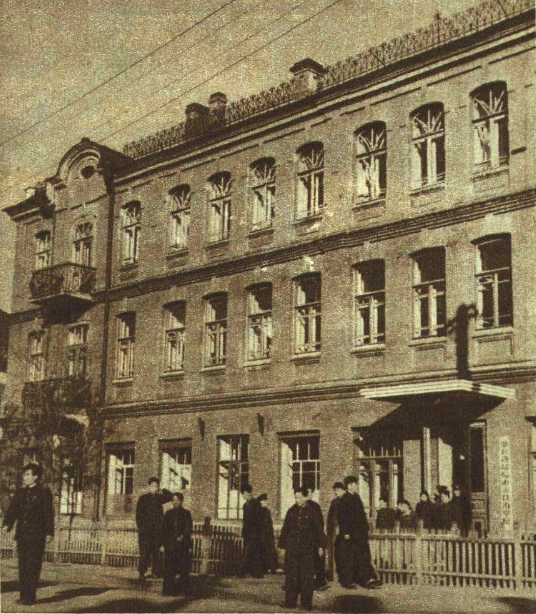
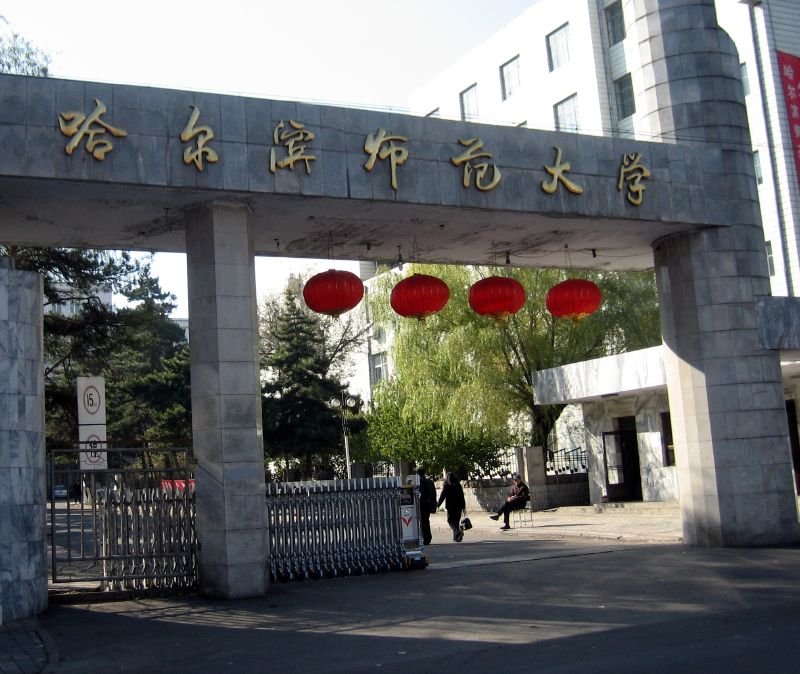
- Jiangnan Campus Noted for historic architecture, tree-lined avenues, and tranquil gardens—ideal for photography.
- Songbei Campus Features striking modern buildings and green spaces; the nearby Night Market offers a taste of local life (Trip.com - Harbin Normal University Night Market).
- University Monument A central landmark celebrating HRBNU’s educational legacy.
- Art and Music Venues The Harbin Conservatory of Music and campus galleries host concerts and exhibitions throughout the year.
Practical Travel Tips
- Best Seasons Plan your visit in spring or autumn for mild weather and picturesque campus scenery.
- Dining Enjoy student cafeterias, coffee shops, and eateries offering both Chinese and international cuisine. The lively night market is a must-visit for local snacks.
- Dress Code Winters are extremely cold (down to -30°C), so dress in layers and bring winter accessories. Summers are mild, but evenings can be cool.
- Connectivity Free Wi-Fi is available in most public areas; temporary guest access can be requested if needed.
Frequently Asked Questions (FAQ)
Q: Is there an entrance fee?
A: No, general campus entry is free.
Q: Can I visit classrooms or libraries?
A: Some academic buildings may be restricted. Inquire at the visitor center for access.
Q: Are guided tours available?
A: Yes, primarily for groups and by prior arrangement.
Q: Is the campus accessible for visitors with disabilities?
A: Yes, with ramps, elevators, and assistance available.
Q: What are the best nearby historical sites?
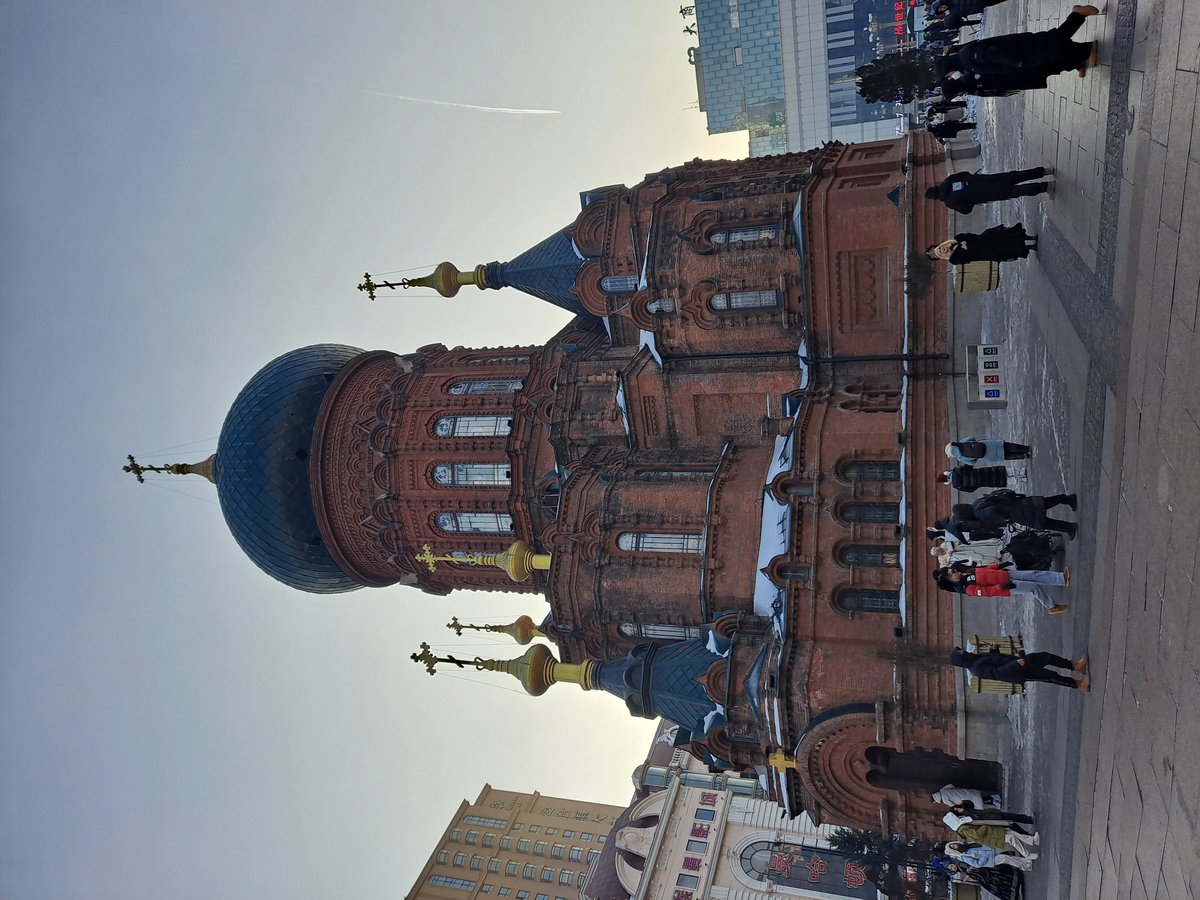
A: Central Street, Saint Sophia Cathedral, and the Harbin Ice and Snow World (seasonal) are all close by.
Nearby Historical Sites and Attractions
- Central Street (Zhongyang Dajie) A renowned pedestrian avenue lined with European architecture, shops, and restaurants.
- Saint Sophia Cathedral A Russian Orthodox church, showcasing Harbin’s unique cultural blend.
- Harbin Flood Control Monument Commemorates the city’s resilience against mid-20th-century floods, open year-round and illuminated in the evenings.
- Harbin Ice and Snow World A world-famous winter festival featuring giant ice sculptures, easily accessible from campus in winter months.
Access to these sites is convenient via public transport or taxi, with many within walking distance or a short ride from the university.
Safety, Health, and Seasonal Considerations
- Climate Harbin’s winters are harsh—dress warmly in layers and wear insulated boots. Summers are comfortable for outdoor exploration.
- Health On-campus clinics are available for minor health issues; major hospitals are nearby. Carry travel insurance.
- Security Security personnel patrol the campus, and surveillance systems ensure a safe environment.