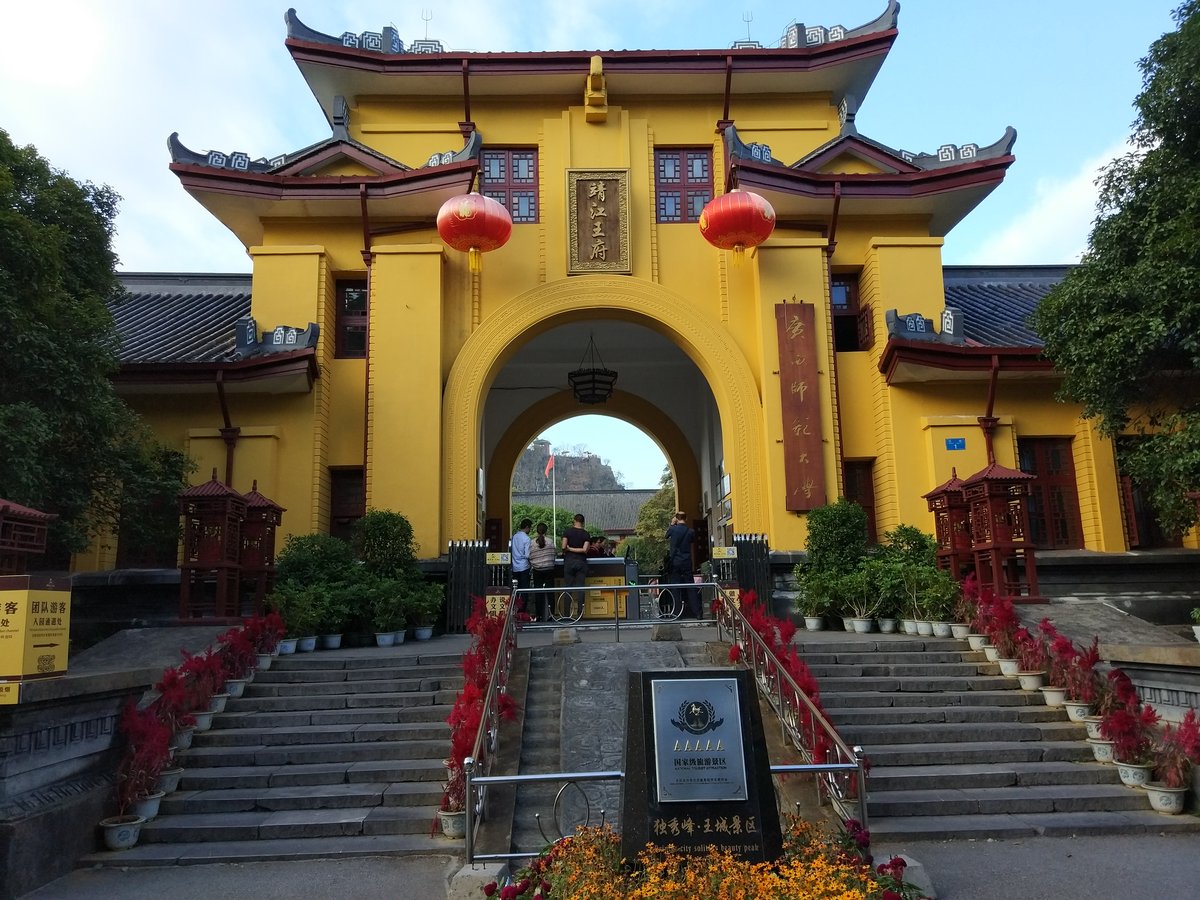
Plan and listen to Guilin Museum with Audiala.
Audio guide in your pocket, itinerary in your browser. Built for the way you actually visit.
Introduction
Situated in the culturally rich Guangxi Zhuang Autonomous Region, the Guilin Museum stands as a beacon of heritage preservation, making it an essential stop for anyone exploring Guilin’s historical sites. Since its official opening in 1988, the museum has evolved into Guangxi’s largest and most functionally comprehensive museum, safeguarding over 30,000 relics that span more than 10,000 years of human civilization. Its modern facility in the Lingui New District, opened in 2016, provides expansive exhibition spaces, interactive experiences, and enhanced visitor amenities (China Daily). This guide covers the Guilin Museum’s visiting hours, ticketing, major highlights, accessibility, travel tips, and its unique role in presenting the region’s dynamic cultural tapestry. For further details, visit the Guilin Museum Official Website.


Origins and Historical Development
Founding and Early Growth
The Guilin Museum originated from a 1964 initiative to protect and showcase the area’s unique heritage. Officially inaugurated in 1988, the museum’s opening coincided with the 30th anniversary of the Guangxi Zhuang Autonomous Region. The institution quickly established itself as a guardian of regional history, with Guo Moruo, a prominent historian, inscribing its plaque—underscoring its scholarly mission and cultural significance (China Daily).
Relocation and Modernization
In 2016, the museum moved to its current state-of-the-art facility in Lingui New District. This modern site, covering 34,000 square meters, allowed for expanded exhibition halls, interactive learning centers, and improved visitor amenities, marking a new era in public engagement and educational outreach.
National Recognition
In 2020, Guilin Museum was awarded the status of a national first-class museum, reflecting its excellence in collection management, research, and public service (China Daily).
Museum Highlights: Collections & Exhibitions
Archaeological Artifacts
The museum’s archaeological collections span from the Neolithic era to the late imperial dynasties. Notable are the artifacts from the Zengpiyan culture (over 10,000 years old), including pottery, jade, bronze wares, and stone tools, which chart the region’s early human settlement and cultural development (studycli.org).
Ethnic Minority Heritage
Guilin’s ethnographic displays feature the customs and craftsmanship of the Zhuang, Yao, Miao, Dong, and other local ethnic groups. Traditional costumes, silver jewelry, musical instruments, and folk art illustrate daily life, festivals, and regional traditions (studycli.org).
Fine Arts and Calligraphy
The museum’s fine arts collection includes landscape paintings, ink wash scrolls, and calligraphy from the 14th to the 20th centuries. Special attention is given to works inspired by Guilin’s famed karst landscapes and local artists’ interpretations.
“Friendship of Guilin”: International Gifts
A distinctive gallery displays gifts from foreign dignitaries and visitors, emphasizing Guilin’s international connections and its place as a crossroads for cultural exchange (guilinmuseum.org.cn).
Permanent and Special Exhibitions
Key permanent exhibitions include:
- Legacy of Jingjiang Princes—Prunus Vases of Ming Dynasty: Showcases Ming blue-and-white vases with martial arts motifs.
- Lives in the Paintings—Exhibition of Guilin Folk Culture: Explores local customs and artistic expression.
- Civilization of Li River: Features Paleolithic fossils, Sui dynasty bronze mirrors, and Tang dynasty Buddhist sculptures (Roaming China).
Rotating special exhibitions highlight contemporary art, regional crafts, and collaborations with domestic and international institutions.
Interactive and Multimedia Experiences
The museum integrates modern exhibition techniques, including touchscreens, immersive dioramas, and multimedia presentations, making the content accessible and engaging for visitors of all ages.
Visiting Hours, Tickets, and Accessibility
- Opening Hours: Tuesday–Sunday, 9:00 AM–5:00 PM (last entry at 4:30 PM). Closed on Mondays except national holidays.
- Tickets: Admission is free for permanent exhibitions. Special exhibitions may require a ticket. Reservations may be necessary during peak seasons; bring valid ID for registration.
- Location: Guiping West Road, Lingui New District, Guilin.
- Getting There: Accessible by city bus, taxi, and rideshare. Parking is available for private vehicles (Destinations AI).
- Accessibility: The museum is fully accessible, with ramps, elevators, accessible restrooms, and wheelchairs upon request (guilinmuseum.org.cn).
- Contact: Service Hotline: 0773-2897308.
Travel Tips and Nearby Attractions
- Best Visiting Months: April to October offers pleasant weather; avoid major Chinese holidays to sidestep crowds (easytourchina.com, China Discovery).
- Nearby Sites: Reed Flute Cave, Elephant Trunk Hill, Seven Star Park, and the scenic Li River are all within easy reach.
- Guided Tours: Available in Chinese and English—advance booking recommended.
- Photography: Non-flash photography is permitted in most areas; restrictions may apply to temporary exhibitions.
Visitor Facilities and Services
- Information Desk: Bilingual support, maps, and brochures.
- Nursery Room & Family Amenities: Located on the second floor, free of charge.
- Cloakroom: Secure storage for personal items.
- Gift Shop & Café: Souvenirs, books, and light refreshments.
- Wi-Fi & ATMs: Complimentary internet and banking services on site.
- Special Services: Volunteer programs, educational workshops, and cultural performances during festivals.
Frequently Asked Questions (FAQ)
Q: What are the Guilin Museum opening hours?
A: Tuesday–Sunday, 9:00 AM–5:00 PM (last admission 4:30 PM). Closed Mondays except holidays.
Q: Is admission free?
A: Yes, for permanent exhibitions. Special exhibitions may have a separate fee.
Q: Are guided tours offered?
A: Guided tours in Mandarin and English are available; booking ahead is advised.
Q: Is the museum accessible for visitors with disabilities?
A: Yes, with ramps, elevators, and accessible facilities throughout.
Q: Can I take photos inside?
A: Photography is allowed in most areas without flash or tripods.
Discover More
Guilin Museum is a cultural gem that bridges the ancient and modern, the local and the global. Whether you’re fascinated by archaeological relics, ethnic arts, or contemporary cultural exchange, the museum offers a rich, immersive journey through Guilin’s heritage. Its convenient location, free admission, and welcoming visitor services make it a must-see for travelers and locals alike. For the latest exhibition updates and visitor information, check the official Guilin Museum website or plan your visit with curated travel guides and audio tours via the Audiala app.
Listen to the full story in the app
The whole Guilin Museum,
told well.
Audio guides for 1,100+ cities across 96 countries. History, stories, and local insight — offline ready.
Verified, and shown.
Researched and written by the Audiala editorial team from historical records, architectural archives, and local expertise.
Researched from Wikidata, Wikipedia & official sources · fact-checked · How we make our guides →