
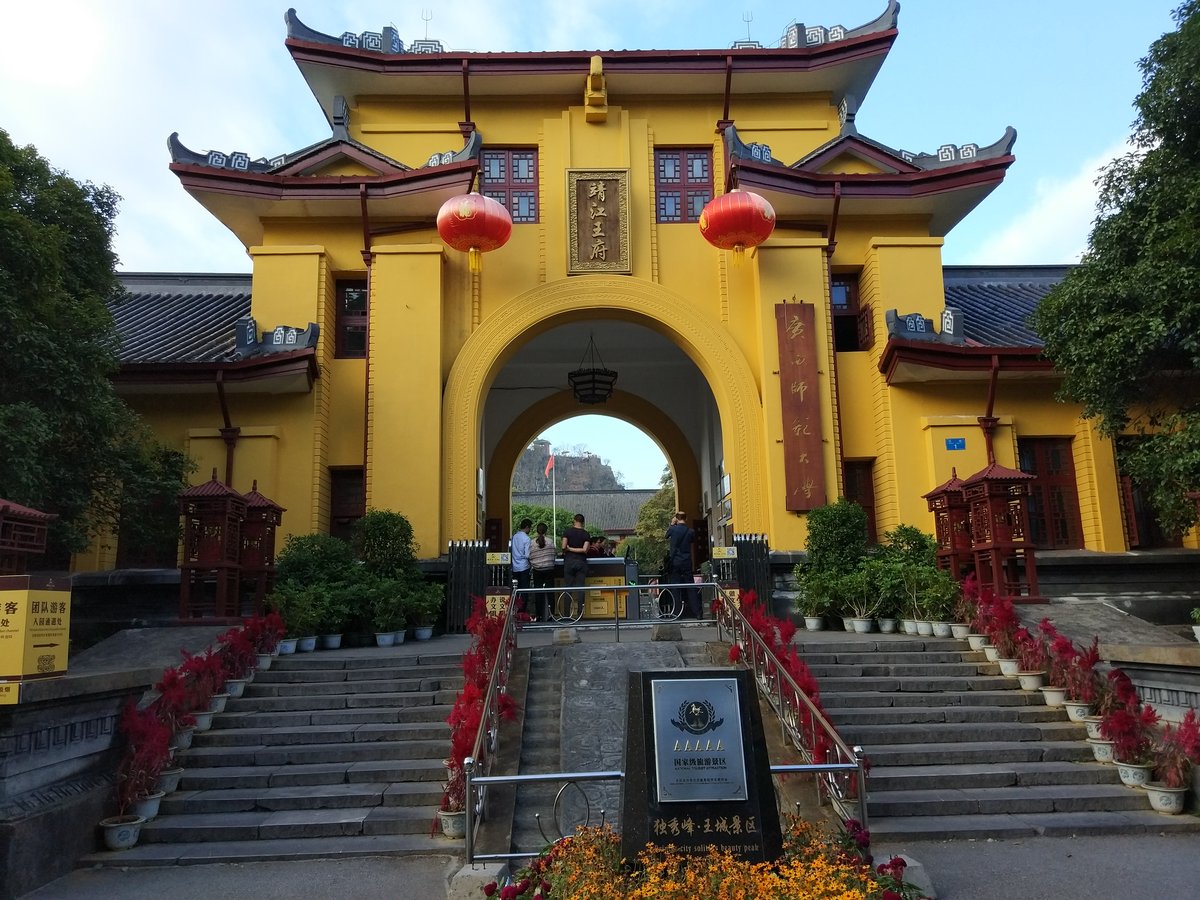


Historical Significance of Guilin, Guangxi, People's Republic of China
Early Settlements and Cultural Roots
Imagine stepping back in time 10,000 years to a place where early humans found refuge in the Baoji and Zengpi cliff caves. Guilin's history is like an ancient tapestry woven with tales of the Baiyue people, a group known for its unique traditions during the Xia, Shang, and Zhou Dynasties (China Daily).
Qin Dynasty and the Lingqu Canal: The Game-Changer
Fast forward to 214 BC, when Qin Shi Huang decided to leave his mark on Guilin by ordering the construction of the Lingqu Canal. This marvel of engineering connected the Xiangjiang and Lijiang Rivers, turning Guilin into a bustling hub for trade and military maneuvers (China Highlights).
Buddhist Influence: Serenity in the 7th Century
In the 7th century, Guilin became a significant Buddhist center. Monasteries and temples sprang up, offering spiritual solace amidst the natural splendor of the region (Britannica).
Ming and Qing Dynasties: A Cultural Renaissance
During the Ming and Qing Dynasties, Guilin experienced a cultural renaissance. It became a beacon of intellectual and artistic activity, with scholars and poets drawing inspiration from its stunning landscapes (Study CLI).
Modern Era: Liberation and Preservation
In the modern era, particularly after the liberation, Guilin has seen significant efforts aimed at preserving its historical and cultural heritage while promoting sustainable tourism. The balance between old and new remains a focal point of the city's development (Travel China Guide).
Ancient Towns and Villages: Stepping into a Time Machine
Xingping Ancient Town: A Scenic Marvel
Xingping is a picturesque town that offers breathtaking views of the Li River and the famous karst mountains. This town has inspired countless artists and photographers over the years (China Discovery).
Daxu Ancient Town: A Step Back in Time
Daxu Ancient Town, with its cobblestone streets and well-preserved architecture, offers a glimpse into the past. Walking through its streets feels like stepping back in time (China Discovery).
Cultural and Ethnic Diversity: A Vibrant Mosaic
Guilin is home to a rich tapestry of cultures, including the Zhuang, Yao, Miao, and Dong ethnic groups. Each community contributes its own unique traditions, festivals, and customs, making the city a vibrant cultural mosaic (The China World, China Discovery).
Preservation Efforts: Balancing the Old and the New
Efforts in Guilin are focused on preserving its rich cultural and historical heritage while adapting to modern needs. This delicate balance ensures that the city's unique character is maintained for future generations (Travel China Guide).
Cultural Experiences in Guilin
Ethnic Minority Cultures
Guilin is a cultural melting pot with the Zhuang, Yao, Miao, and Dong communities. Picture vibrant Zhuang festivals, intricate Yao hairstyles, dazzling Miao silver jewelry, and the wooden marvels of Dong architecture (China Discovery).
Traditional Festivals
Festivals in Guilin are a riot of color and joy. The Water-Splashing Festival and the Longsheng Red Cloth Festival are standout events that offer unforgettable experiences.
Hidden Gems and Quirky Customs
Discover hidden courtyards, local delicacies like 'Luo Si Fen' (rice noodle soup), and unique customs such as accepting the first cup of tea offered in a Zhuang household.
Sensory Delights
Guilin is a feast for the senses with its aromatic cuisine, traditional music, vibrant costumes, and artisanal crafts.
Interactive Elements
Challenge yourself to find the best 'Guilin Mi Fen' in town or discover hidden murals that tell the city's ancient stories.
Cultural Context and Etiquette
Respect local customs by greeting elders with a slight bow, avoiding placing chopsticks upright in bowls, and accepting gifts with both hands.
Practical Information with a Twist
Explore Guilin by local buses, bikes, or boats. Keep some yuan handy for local adventures.
Time-Based Itineraries
Create your own adventure with a sunrise hike up Xianggong Hill, exploring the Reed Flute Cave, and ending the day with a local festival.
Local Lingo Lessons
Impress locals with phrases like 'Ni Hao' (Hello), 'Xie Xie' (Thank you), and 'Guilin Mi Fen' for your noodle quest.
Seasonal Highlights
Guilin transforms with the seasons, offering peach blossoms in spring, lush greenery in summer, golden rice terraces in autumn, and frost-kissed peaks in winter.
Myth Busting and Surprises
Discover ancient rock carvings, hidden underground rivers, and local myths about karst peaks being mythical creatures turned to stone.
Storytelling Elements
Engage with local legends like the dragon who fell in love with Guilin or the tale of the Fisherman and the Fairy.
FAQ
Q: What's the best time to visit Guilin? A: Spring and autumn are ideal for pleasant weather and stunning landscapes.
Q: How do I get around Guilin? A: Local buses, bikes, and boats are your best bet for exploring the city.
Q: What's a must-try dish in Guilin? A: Definitely 'Guilin Mi Fen'—the local rice noodle dish that's a culinary delight.
Discover More
Ready to uncover the secrets of Guilin? Download Audiala to unlock the city's hidden stories, local tips, and interactive guides. Your adventure awaits!
Discover More
As we reach the end of our journey through Guilin, it's clear that this city is much more than its breathtaking landscapes. It's a living testament to China's rich history, cultural diversity, and natural beauty. From the ancient settlements in the Baoji and Zengpi cliff caves to the modern-day preservation efforts, Guilin encapsulates a unique blend of the past and present (China Daily, Study CLI).
Guilin's historical significance is deeply intertwined with its natural wonders. The Lingqu Canal remains a symbol of ancient engineering prowess, while the city's transformation into a major Buddhist center in the 7th century marks its spiritual and cultural evolution. The Ming and Qing Dynasties brought a cultural renaissance, turning Guilin into an intellectual hub that continues to inspire visitors today (Britannica, Travel China Guide).
Exploring ancient towns like Xingping and Daxu offers a glimpse into Guilin's architectural heritage and traditional way of life. The city's vibrant ethnic diversity, with communities like the Zhuang, Yao, Miao, and Dong, adds layers of cultural richness that make Guilin a truly unique destination (China Discovery).
But Guilin is not just about looking back. Its dynamic cultural scene, from traditional festivals to local delicacies, offers endless opportunities for immersive experiences. Whether you're savoring the famous 'Guilin Mi Fen' or participating in the Water-Splashing Festival, Guilin engages all your senses, creating memories that last a lifetime (China Discovery).
So, why wait? Your adventure in Guilin awaits. Download Audiala to unlock the city's hidden stories, local tips, and interactive guides. Let Audiala be your perfect travel companion, offering expert insights and uncovering the secrets and stories that make Guilin a must-visit destination. Ready to explore? Your journey through the enchanting landscapes and rich history of Guilin is just a click away!

