Plan and listen to Zhujiang Bridge with Audiala.
Audio guide in your pocket, itinerary in your browser. Built for the way you actually visit.
Introduction
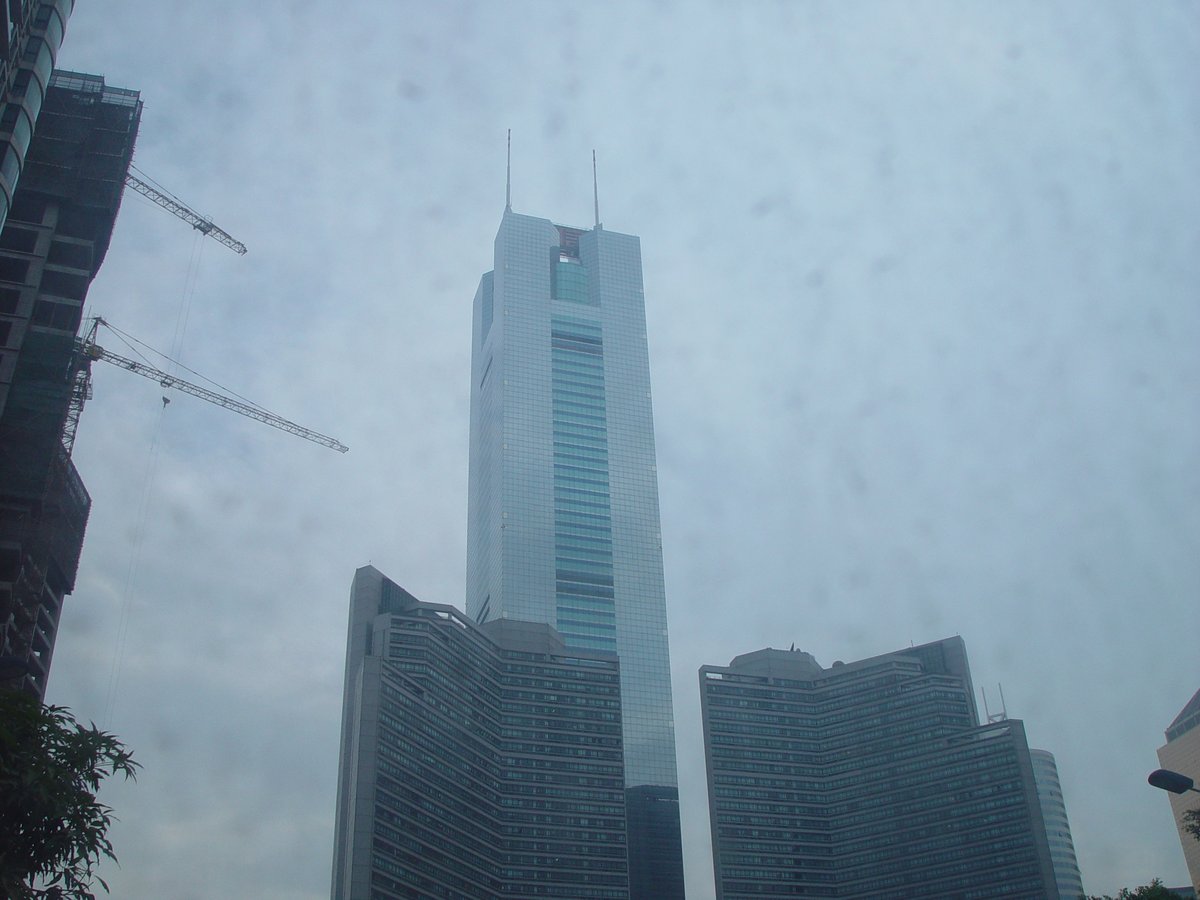
Spanning the lifeblood of Guangzhou—the Pearl River—Zhujiang Bridge stands as a powerful symbol of the city’s dynamic evolution. As both a vital transportation artery and architectural landmark, the bridge connects historic neighborhoods with the ultramodern Zhujiang New Town. Today, it serves not only as a critical piece of infrastructure but also as a cultural icon, blending historical significance with contemporary design and acting as a focal point for events, tourism, and urban life (Tourism on the Edge; LinkedIn: Significance of Guangzhou).
With its phased completion between the 1980s and 2009, Zhujiang Bridge has continually adapted to the city’s growth, employing advanced engineering for durability against the subtropical climate and tidal conditions of the Pearl River (Wikipedia). Its multi-span design supports heavy daily traffic and is a canvas for nighttime illumination, transforming the city’s riverfront into a showcase of urban vibrancy (Trip.com).
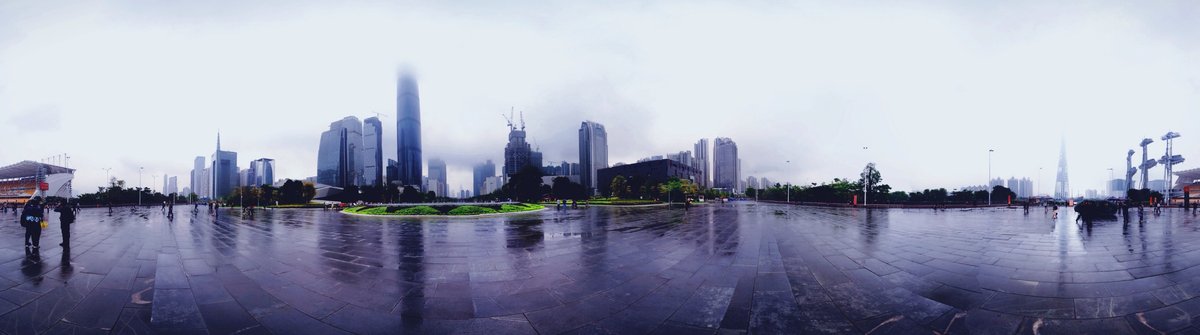
Visitors enjoy 24-hour pedestrian access and breathtaking views of Guangzhou’s skyline, including iconic sights like Canton Tower and the Guangzhou Opera House. The bridge’s accessibility, supported by an integrated public transit network, makes it a seamless addition to any itinerary (Guangzhou Insider). Furthermore, Zhujiang Bridge is a centerpiece for major cultural events, such as the International Light Festival and the Dragon Boat Festival, enriching visitor experiences through vibrant local traditions (Ruqin Travel).
This guide provides in-depth insights into the Zhujiang Bridge’s historical background, architectural features, practical visiting information, environmental considerations, and tips for responsible tourism. Whether you are interested in its engineering, cultural symbolism, or panoramic views, you will find everything you need to plan a rewarding visit (Living Nomads: Pearl River; Mapcarta: Zhujiang Bridge).


Historical Evolution and Significance
Origins and Development
The Zhujiang Bridge, also known as the Pearl River Bridge, was conceived in response to the growing transportation needs of Guangzhou—a city with over 2,200 years of history and a vital role on the Maritime Silk Road (Tourism on the Edge). Its construction, driven by the rapid economic development of the late 20th century, mirrored the city’s transition into a global hub and was integral to the Greater Bay Area’s integration (LinkedIn: Significance of Guangzhou).
Architectural and Engineering Excellence
Completed in phases, with major milestones in the 1980s and 2009, Zhujiang Bridge embodies innovative engineering. Its reinforced concrete and steel structure is designed for resilience against the region’s weather and tidal challenges (Wikipedia). The bridge’s multi-span layout supports both vehicular and pedestrian traffic, providing a robust link between Haizhu District and Zhujiang New Town.
Urban Transformation
As a linchpin of Guangzhou’s infrastructure, the bridge has catalyzed urban renewal along the Pearl River, enabling the rise of Zhujiang New Town—a district now famous for its skyscrapers, luxury malls, and cultural venues (Tourism on the Edge: Landmarks). The bridge’s presence has improved mobility, fostered economic growth, and played a central role in citywide events and festivals.
Architectural and Urban Impact
Design Features
Zhujiang Bridge stretches approximately 1,240 meters, carrying Guangzhou Avenue across the river and over the eastern tip of Ersha Island. Its design blends advanced engineering with aesthetic considerations, including wide pedestrian walkways and dramatic LED illumination that highlights its structure at night (Trip.com).
Integration with Urban Development
The bridge’s strategic position links the historic Haizhu District to the modern Zhujiang New Town, home to landmarks like the Guangzhou Opera House, Guangdong Museum, and the CTF Finance Centre (itimaker.com). Its proximity to Ersha Island, with its green spaces and cultural venues, further enhances its importance.
Influence on Regional Infrastructure
Zhujiang Bridge’s successful integration of form and function has influenced other major infrastructure projects in the Pearl River Delta, setting a precedent for blending engineering innovation with urban living (Knight Architects).
Cultural and Community Role
Symbolism and Civic Identity
The bridge stands as a testament to Guangzhou’s blend of tradition and modernity. It connects districts that represent the city’s multicultural past and present, and serves as a backdrop for festivals like the International Light Festival (Trip.com) and the Dragon Boat Festival (Ruqin Travel).
Public Space and Festivities
Zhujiang Bridge is a gathering place for locals and tourists alike, offering panoramic river and skyline views, and serving as a prime spot for photography, recreation, and community events (Living Nomads: Pearl River).
Practical Visitor Information
Visiting Hours and Tickets
- Bridge Access: Open 24/7 to pedestrians and cyclists; no ticket or entry fee required.
- Stairways to Riverbanks: Generally open 6:00 AM–10:00 PM (Guangzhou Insider).
- River Cruises: Tickets required for cruises, available online or at nearby wharves (Ruqin Travel).
Accessibility
- Pedestrian Walkways: Wide and safe, but access is mainly via stairs; limited direct ramp/elevator access for wheelchair users.
- Surrounding Promenades: Barrier-free with ramps, elevators, and clear signage.
Best Times to Visit
- Autumn (late Oct–mid Dec): Mild, clear weather—ideal for outdoor activities.
- Spring (Mar–May): Pleasant, occasional rain.
- Evening/Night: For illuminated cityscape views (Asia Odyssey Travel).
How to Get There
- Metro:
- Line 5 to Liede Station (10-minute walk)
- Proximity to Haizhu Square and Canton Tower stations
- Tram: Liede Bridge South Station (Guangzhou Insider)
- Bus: Routes 44, 138, and 811 to Liede Bridge South Station
- Taxi/Ride-hailing: Widely available; use Chinese characters “猎德大桥” if needed
- Bicycle: Shared bikes available throughout the city
Navigating the Bridge and Surroundings
- Pedestrian Paths: Both sides of the bridge, with four stairways connecting to riverbanks
- Best Viewing Points:
- On the bridge—city and river views
- North bank—Canton Tower backdrop
- South bank—nighttime skyline (Guangzhou Insider)
Visitor Experience and Tips
- Walking and Cycling: 15–20 minutes to cross; cycling permitted—be mindful of pedestrians.
- Photography: Excellent day and night; bring a tripod for night photography.
- River Cruises: Day, evening, dinner, and themed cruises available, with commentary and entertainment (Ruqin Travel).
- Tours: Guided walking and cycling tours available; book ahead for best options.
Nearby Attractions and Amenities
- Canton Tower: Landmark observation and dining destination (Travel China Guide)
- Zhujiang New Town: Skyscrapers, shopping, nightlife (Guangzhou Insider)
- Guangzhou Opera House: Modern performance venue
- Haixinsha Island: Event and recreation space
- Huacheng Square: Public plaza with gardens
- Guangdong Museum: Art, history, and nature exhibits
- Dining: Riverside cafes and restaurants with Cantonese and international cuisine
- Accommodation: Hotels in Zhujiang New Town and Haizhu District
Environmental and Social Considerations
Environmental Impact
- Ecological Design: Elevated spans and green corridors minimize river habitat disruption (Live to Plant)
- Emission Controls: Electric vehicles and strict emissions standards reduce air pollution (Guangzhou Agent)
- Night Lighting: Wildlife-friendly, energy-efficient LEDs with smart dimming (Live to Plant)
Social Benefits & Cultural Integration
- Cultural Events: Central venue for festivals and community gatherings (Wanderlog)
- Tourism Impact: Supports local businesses and cultural preservation (Alone Readers; Crescent Rating)
- Accessibility: Barrier-free amenities and public transport connectivity
Responsible Tourism Recommendations
- Respect local customs and etiquette (Ruqin Travel)
- Use public transport, minimize waste, and recycle
- Support local businesses and community initiatives
- Engage mindfully with local culture (Crescent Rating)
Frequently Asked Questions (FAQ)
Q: Are there any entrance fees for Zhujiang Bridge?
A: No, the bridge is free to cross. River cruises require tickets.
Q: What are the best times to visit?
A: Early morning and evening for cooler temperatures and scenic views.
Q: Is the bridge accessible for people with disabilities?
A: The bridge’s walkways are mainly accessible by stairs, but surrounding promenades offer barrier-free access.
Q: Are guided tours available?
A: Yes, many operators offer tours including the bridge and adjacent sites.
Q: How do I get there by public transport?
A: Metro Line 5 to Liede Station, plus tram and bus options.
Listen to the full story in the app
The whole Zhujiang Bridge,
told well.
Audio guides for 1,100+ cities across 96 countries. History, stories, and local insight — offline ready.
Verified, and shown.
Researched and written by the Audiala editorial team from historical records, architectural archives, and local expertise.
Researched from Wikidata, Wikipedia & official sources · fact-checked · How we make our guides →