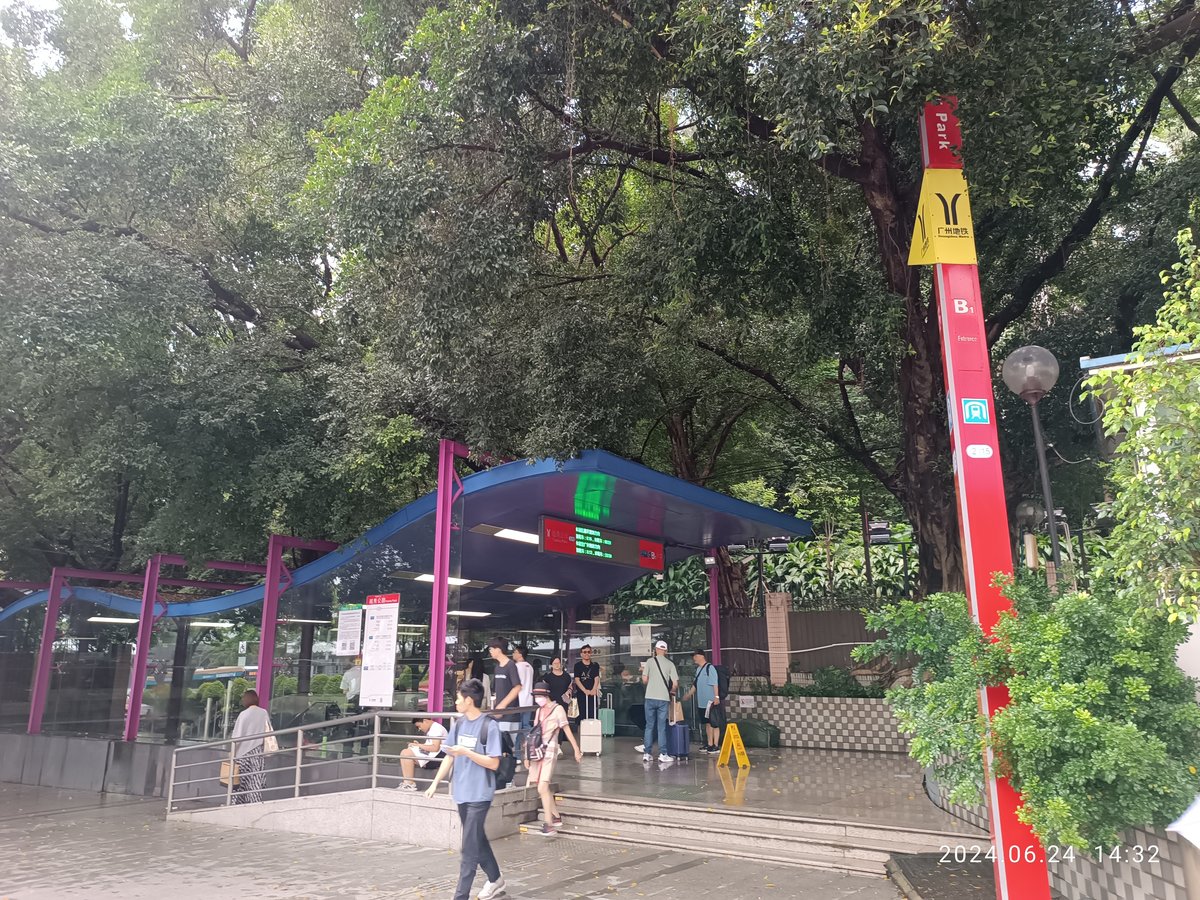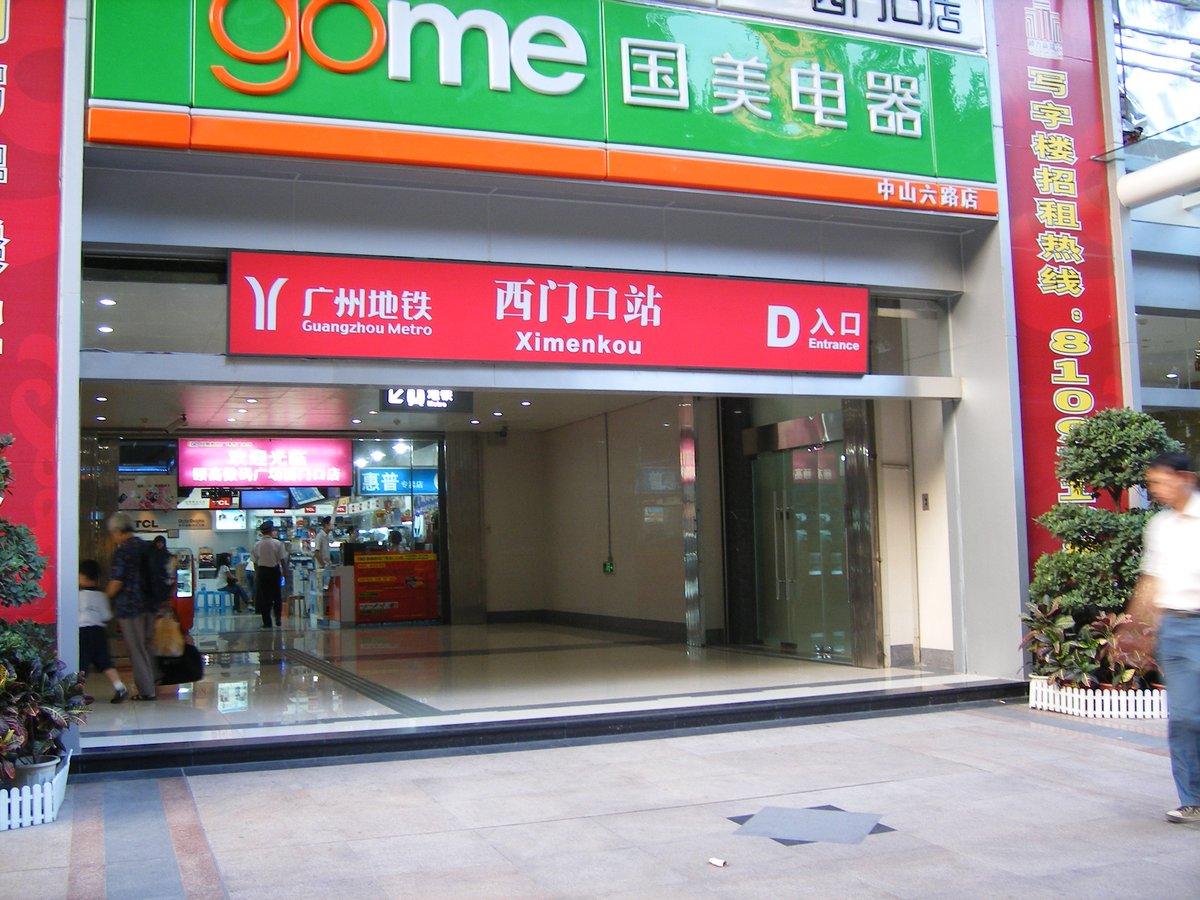

How to Visit Ximenkou Station
Operating Hours:
Ximenkou Station operates daily from approximately 6:00 AM to midnight. For the most current schedule, check the official Guangzhou Metro website.
Tickets:
Metro fares are affordable and distance-based, typically ranging from ¥2 to ¥8. Purchase tickets at station vending machines, counters, or use a rechargeable Yang Cheng Tong metro card. Mobile payment options are also widely accepted.
Accessibility:
The station is fully equipped with elevators, tactile paving for the visually impaired, and barrier-free access points, making it inclusive for all travelers.
Travel Tips:
- Avoid peak metro hours (7:30–9:00 AM, 5:30–7:30 PM) for a more comfortable journey.
- Download metro maps or use navigation apps like Audiala for offline guidance and tour options.
Nearby Historical Sites and Visiting Information
Guangxiao Temple (光孝寺)
- Distance 7-minute walk (~500 meters) from Ximenkou Station (Exit C).
- Visiting Hours 8:00 AM – 5:30 PM daily.
- Tickets Free entry; donations are appreciated.
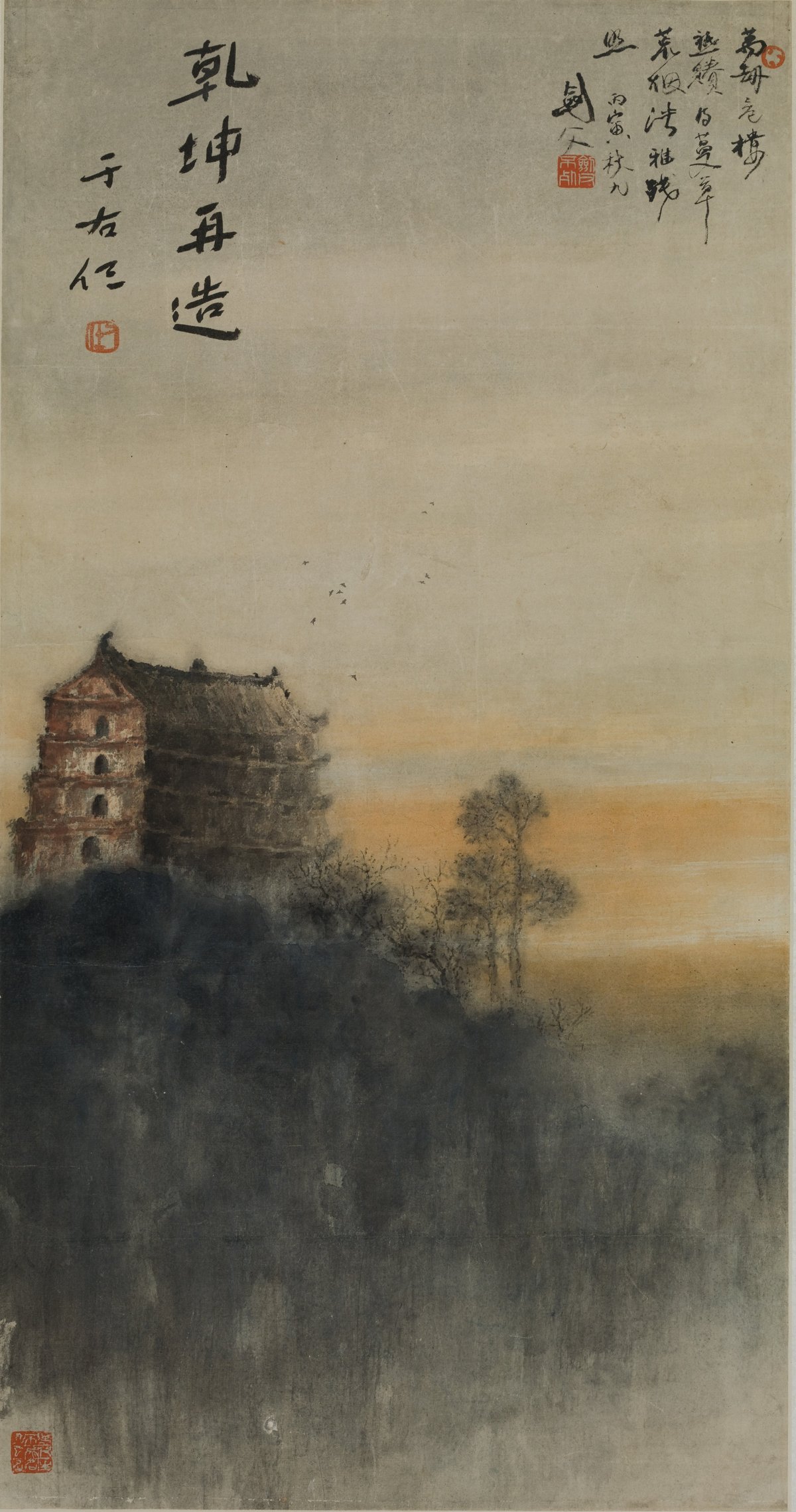
- Highlights Ancient iron pagoda, Mahavira Hall, centuries-old banyan trees, Buddhist relics.
- Tips Early morning visits are tranquil and ideal for photography.
Huaisheng Mosque (怀圣寺)
- Distance Short walk from Ximenkou Station.
- Visiting Hours 9:00 AM – 4:30 PM (closed Fridays for worship).
- Tickets Free entry.
- Highlights 36-meter Guangta (Lighthouse Tower) minaret, unique blend of East Asian and Islamic architecture.
- Tips Dress modestly and avoid visiting during prayer times.
Temple of the Six Banyan Trees (六榕寺)
- Distance 5-minute walk (~300 meters) from Ximenkou Station.
- Visiting Hours 8:00 AM – 5:00 PM.
- Tickets Modest entrance fee.
- Highlights Iconic Flower Pagoda, intricate Buddhist carvings, serene courtyards.
Beijing Road Pedestrian Street (北京路步行街)
- Distance 10–15-minute walk (~1 km).
- Features Bustling shopping area, local Cantonese eateries, archaeological relics beneath glass panels.
Sacred Heart Cathedral (石室圣心大教堂)
- Distance 1.5 km from Ximenkou Station.
- Visiting Hours Open outside mass times.
- Highlights Gothic Revival architecture, twin granite spires, stained glass windows.
Chen Clan Ancestral Hall (陈家祠)
- Distance Two metro stops from Ximenkou Station on Line 1.
- Highlights Guangdong Folk Art Museum, elaborate wood and stone carvings, traditional Lingnan architecture.
Shamian Island (沙面岛)
- Access Via metro and a walk.
- Highlights Colonial-era architecture, tree-lined boulevards, historic churches, riverside cafés.
Qingping Chinese Medicine Market (清平中药材市场)
- Access Near Shamian Island.
- Features Traditional medicine stalls, herbs, dried seafood, and local produce.
Exploring Ximenkou: What to See and Do
- Stroll through historic streets lined with traditional shops and vibrant markets.
- Discover museums such as the Guangdong Museum of Folk Art at the Chen Clan Ancestral Hall and Guangzhou Museum (Zhenhai Tower) in Yuexiu Park.
- Experience local life in parks like Yuexiu Park, where you can observe tai chi or cultural performances.
- Savor authentic Cantonese cuisine at nearby eateries and teahouses.
- Enjoy guided heritage walks or join craft workshops for hands-on cultural experiences.
Special Events and Cultural Experiences
- Guangxiao Temple Hosts Buddhist festivals and meditation sessions, particularly during Chinese New Year and the Lantern Festival.
- Huaisheng Mosque Offers open days for visitors to learn about Islamic culture.
- Local Streets Cultural performances and night markets are frequent, especially on Beijing Road and Shangxiajiu Pedestrian Street.
Visitor Tips
- Footwear Wear comfortable walking shoes; many streets and temple grounds have uneven surfaces.
- Weather Carry water and sun protection during summer months.
- Language English signage is common, but learning basic Mandarin or Cantonese phrases is helpful.
- Etiquette Dress modestly and behave respectfully at religious sites. Photography restrictions may apply in certain areas.
Frequently Asked Questions (FAQs)
Q: What are Ximenkou Station’s operating hours?
A: 6:00 AM to midnight daily.
Q: How do I purchase metro tickets?
A: Use vending machines, station counters, or a rechargeable metro card/Yang Cheng Tong.
Q: Are accessibility features available at Ximenkou Station?
A: Yes, elevators, tactile paving, and barrier-free access points are provided.
Q: What major historical sites are near Ximenkou Station?
A: Guangxiao Temple, Temple of the Six Banyan Trees, Huaisheng Mosque, Sacred Heart Cathedral, Chen Clan Ancestral Hall, and more.
Q: Are guided tours offered?
A: Yes, heritage walks and guided tours are available through local operators and visitor centers.
Summary Table: Key Historical Milestones
| Period | Event/Development | Reference |
|---|---|---|
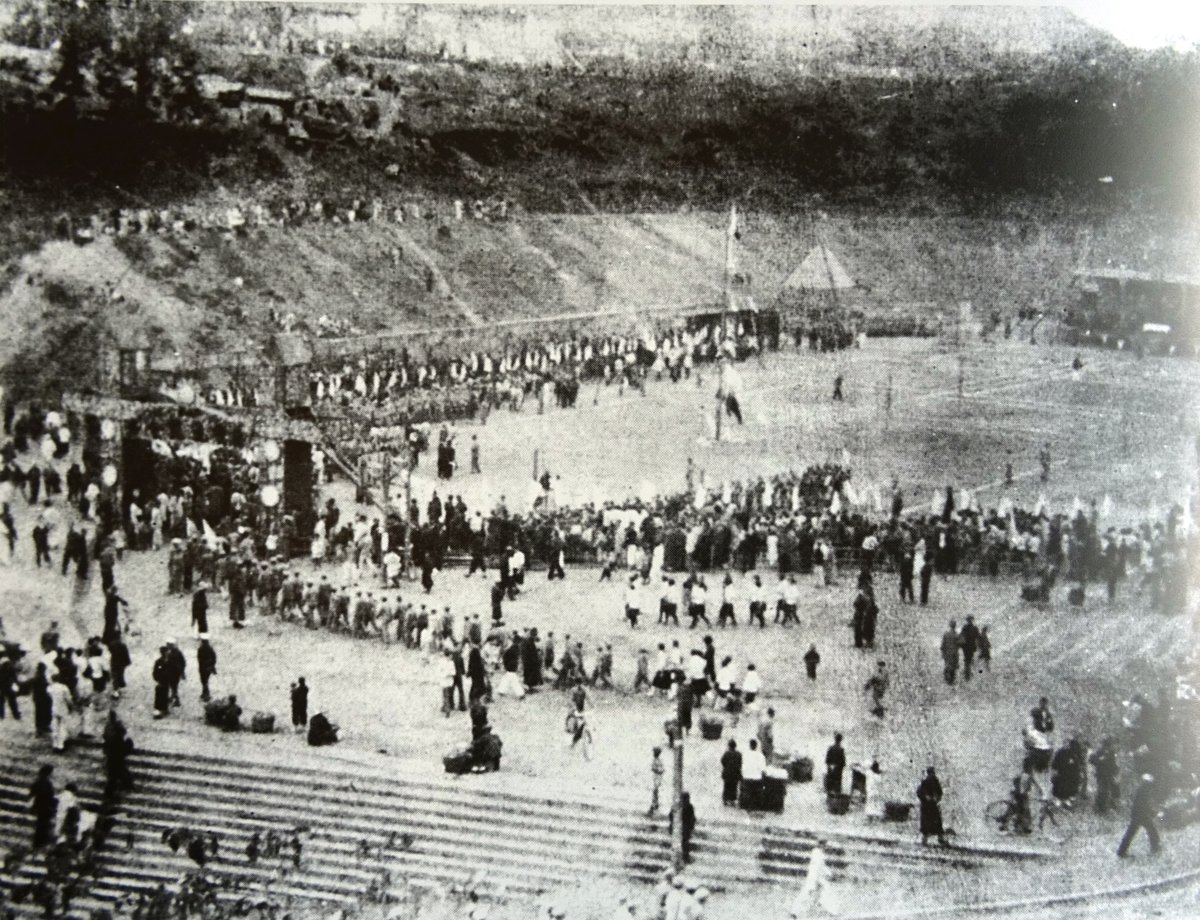
| Qin/Han Dynasties | Construction of city walls and West Gate | Wikiwand |
| Western Han Dynasty | Guangxiao Temple site as royal residence | Guangzhou Insider |
| 3rd–10th centuries | Emergence of major religious sites (Buddhist, Islamic) | Guangzhou Insider |
| Ming/Qing Dynasties | Commercial and cultural flourishing | China Highlights |
| 1999 | Opening of Ximenkou Metro Station | Wikiwand |
Plan Your Visit
Start your Guangzhou adventure at Ximenkou Station—the city’s intersection of history and modern urban life. With easy access to temples, museums, markets, and cultural streets, visitors can immerse themselves in a vibrant blend of the past and present. Use the Audiala app for guided tours, up-to-date metro information, and interactive maps. For more travel inspiration, check our related articles and follow us on social media for the latest updates.