History and Cultural Significance
Origin and Reformist Legacy
Wanmu Caotang was established by Kang Youwei in 1891, originally serving as an academy within the Qiu family’s library. It soon became the intellectual engine behind the Hundred Days’ Reform of 1898, introducing a curriculum that combined classical Chinese studies with Western sciences, languages, and political thought. This progressive educational philosophy departed from rote learning, nurturing figures such as Liang Qichao who would become key reformers in modern China (China Today; Chinawiki).
Preservation and Modern Role
After restoration in the early 2000s, Wanmu Caotang was designated a key cultural relic protection unit in Guangzhou and later a provincial-level protected site. It now operates as a museum, preserving documents, relics, and exhibitions that chronicle the reform movement and Kang Youwei’s enduring legacy. The academy’s original wood-brick architecture and tranquil courtyards remain focal points for scholarly exchange and cultural education (Chinawiki).
Architectural Layout & Features
Lingnan Garden Architecture
Wanmu Caotang is an exemplary display of Lingnan (Cantonese) garden design. The site’s core is organized around a central axis, with interconnected courtyards, halls, and pavilions. This layout encourages movement through a sequence of spaces, each revealing new vistas—ponds, rockeries, and lush plantings—while maximizing ventilation and shade, essential to the subtropical climate (China Highlights).
Key Structures
- Main Hall (Caotang Hall) Elevated on a stone platform, the main hall features a double-eaved roof, intricate wood carvings, and open windows that merge indoor and outdoor spaces.
- Pavilions & Viewing Platforms Strategically positioned for scenic views, these structures often have octagonal plans, green-glazed roof tiles, and open sides for airflow and shelter.
- Covered Walkways These “lang” corridors connect buildings, provide shelter, and frame garden views with latticework panels and tiled roofs (Trip.com).
Decorative Arts
The halls and pavilions are adorned with elaborate woodwork, stone balustrades, and ceramic tiles. Symbolic motifs—dragons, phoenixes, bats, and peonies—reflect wishes for fortune and longevity. Colored glass windows (liuli) and porcelain decorations add refinement and enhance light within interiors (Trip.com).
Integration with Nature
The garden’s design emphasizes harmony with the landscape. Water features—ponds and streams—reflect architecture and provide soothing ambiance, while bridges and rockeries evoke natural mountainscapes. Seasonal plantings such as bamboo, pine, and plum blossom symbolize resilience and purity, ensuring year-round beauty (China Discovery).
Visiting Information: Hours, Tickets, and Accessibility
- Opening Hours Daily, 9:00 AM – 5:00 PM (last entry 4:30 PM). Closed on Mondays and major public holidays. Confirm times before your visit.
- Tickets Admission is typically free or under 30 RMB. Discounts available for students, seniors, and children.
- Accessibility Main paths and exhibition areas are wheelchair accessible; some garden areas may have uneven terrain. Contact staff in advance if you have mobility needs.
- Restrooms & Amenities Restrooms are on-site; bring your own toilet paper and hand sanitizer (The Helpful Panda).
- Visitor Center Maps and brochures (Chinese, limited English) available.
- Shops Small gift shop with local crafts.
- Food Snack stalls and vending machines; full meals available in nearby Haizhu District (Trip.com).
Getting There
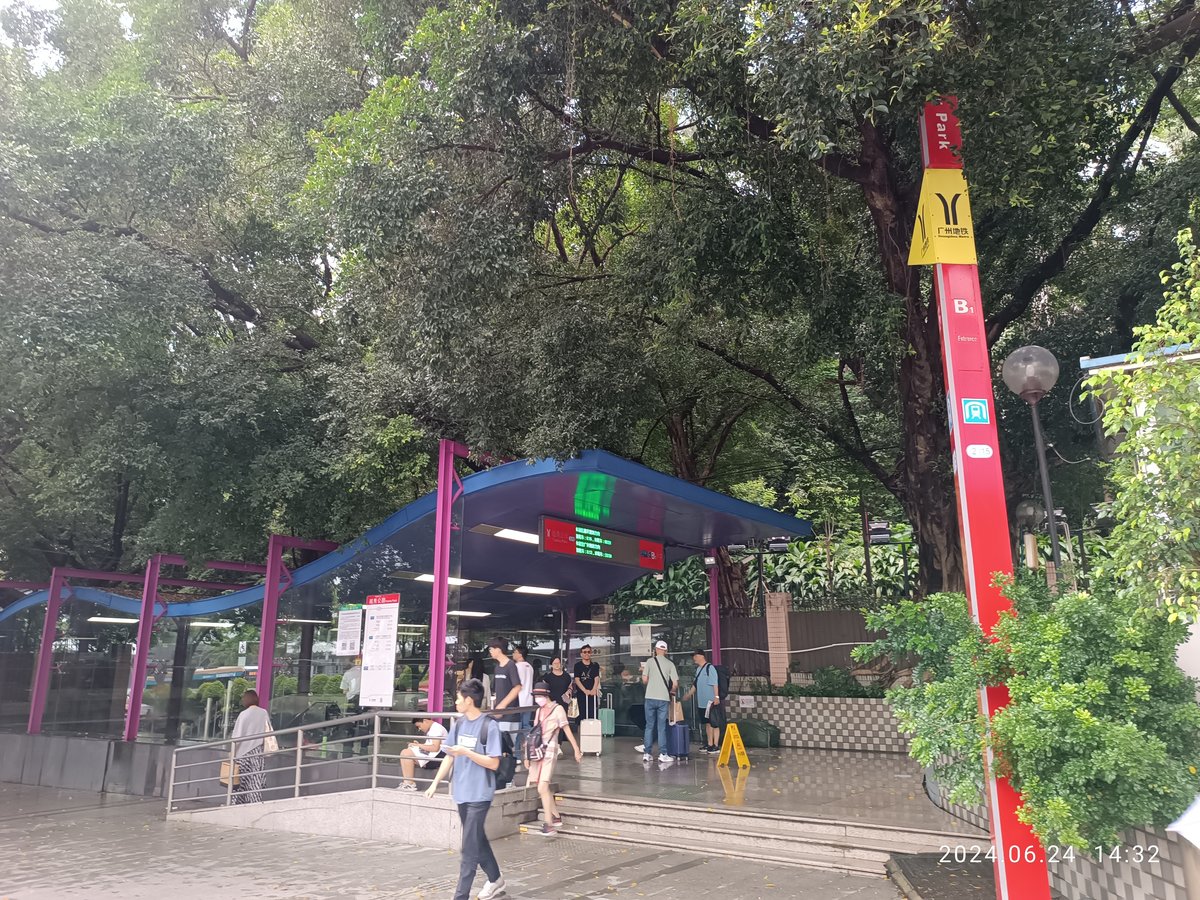
- Metro Guangzhou Metro Line 2 to Haizhu Square, then taxi or bus to Wanmu Caotang. Use local transit apps for routes.
- Bus/Tram Several city buses and the Haizhu Tram Line 1 stop nearby.
- Taxi/Ride-hailing Use Didi or other apps; search “万亩草堂” or “Wanmu Caotang.”
Travel Tips & Nearby Attractions
- Best Time to Visit October–March for mild weather and fewer visitors (Wanderlog).
- Avoiding Crowds Weekdays, early mornings.
- Photography Gardens are ideal for photos, but check signs for restrictions inside exhibition halls.
- Language Most signage is in Chinese; translation apps recommended.
- Payment WeChat Pay and Alipay preferred; credit cards rarely accepted (The Helpful Panda).
- VPN Needed for many international websites in China.
Nearby Attractions
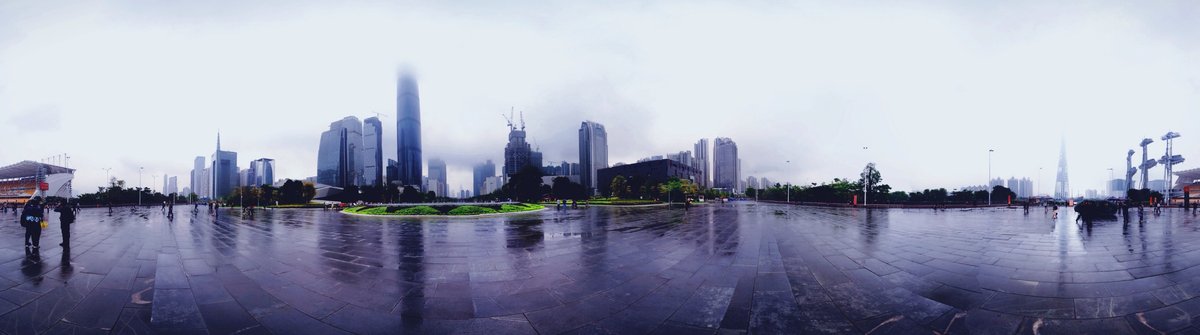
- Canton Tower Iconic city landmark.
- Yuexiu Park Expansive park with historical sites.
- Chen Clan Ancestral Hall Renowned for exquisite carvings.
- Shamian Island Colonial architecture and river views.
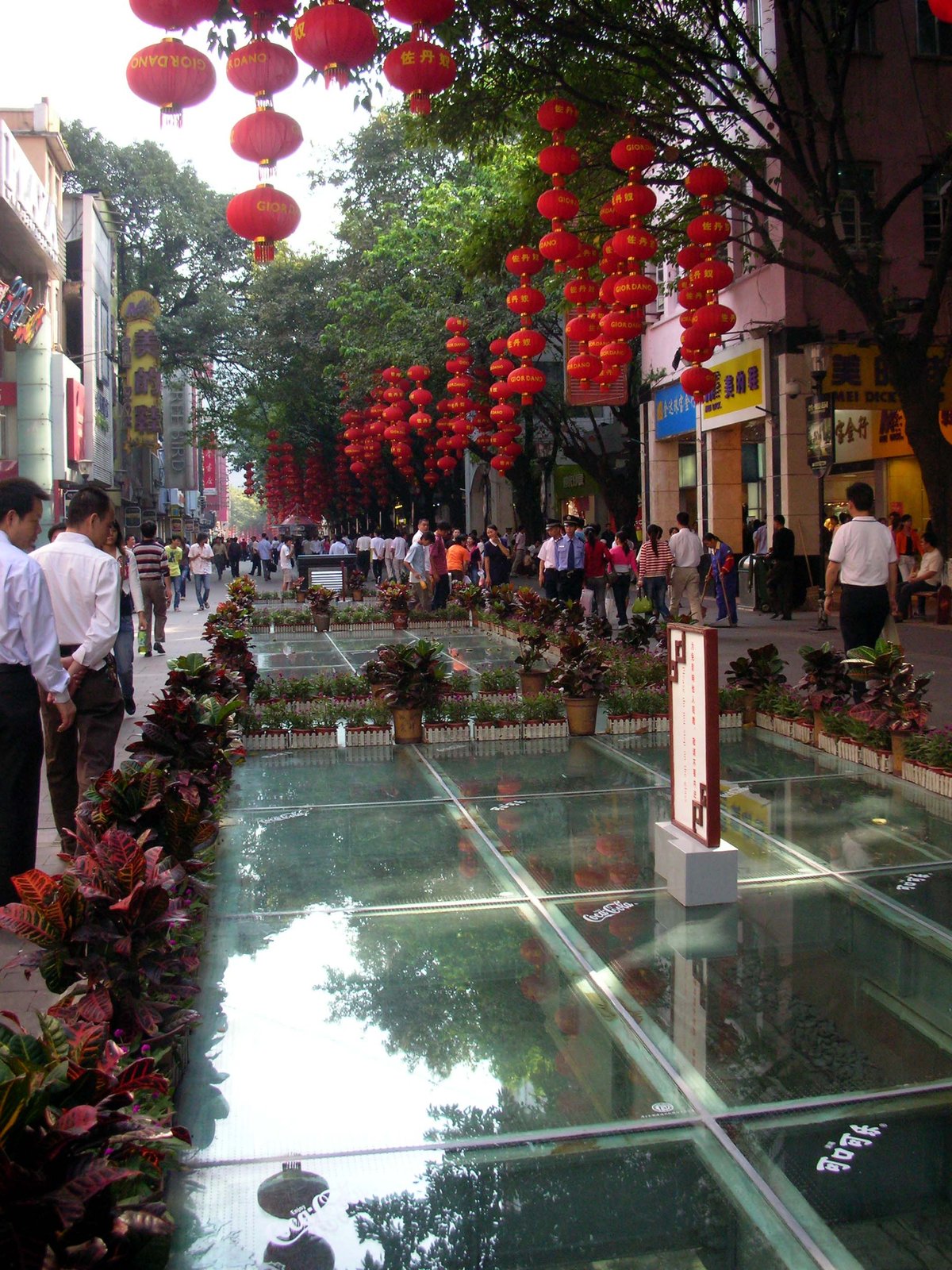
- Beijing Road Shopping and cultural district.
- Guangdong Science Center Family-friendly interactive exhibits (Trip.com).
Frequently Asked Questions (FAQ)
Q: What are Wanmu Caotang’s visiting hours?
A: 9:00 AM – 5:00 PM daily (last entry 4:30 PM), closed Mondays and holidays.
Q: Is admission free?
A: Admission is usually free or a nominal fee under 30 RMB; discounts for students and seniors.
Q: Is Wanmu Caotang accessible for wheelchairs?
A: Main exhibition areas are wheelchair accessible; some garden paths may be uneven.
Q: How do I get there by public transport?
A: Metro Line 2 to Haizhu Square, then taxi or bus; Haizhu Tram Line 1 also serves the area.
Q: Are guided tours available?
A: Yes, guided tours can be booked in advance for deeper insights.
Q: What’s the best season to visit?
A: October–March for comfortable temperatures and scenic gardens.