History of Tai-Sha-Tau Railway Station
Founded in 1911, Tai-Sha-Tau (Dashatou) Station was the focal point of the KCR’s southern terminus. It became Guangzhou’s largest and most significant passenger and freight hub, reflecting early 20th-century architectural trends that combined Western and Chinese elements. The station witnessed major historical events, from facilitating economic exchange to enduring through wartime disruptions and postwar modernization. In the 1970s, with the opening of larger stations such as Guangzhou Railway Station, Tai-Sha-Tau’s role diminished, and the original structure was demolished in 1985 to accommodate urban redevelopment (Zolima CityMag, Gwulo).
Strategic Significance in the Rail Network
Tai-Sha-Tau was more than a local node—it was a critical link between Guangzhou, Hong Kong, and the broader Pearl River Delta. The station enabled not only the movement of goods and passengers but also the exchange of ideas and culture across borders. Its central location in Yuexiu District made it a natural gateway for both domestic and international travelers (China Train Booking).
Architectural and Cultural Heritage
The original station building, designed in a Western modern style with Chinese influences, was emblematic of Guangzhou’s cosmopolitan aspirations during the early 20th century. Though the building no longer stands, the site’s legacy survives through commemorative markers, a nearby railway park, and local place names that reflect its historical importance (Gwulo).
Economic Impact and Urban Development
Tai-Sha-Tau Station was central to Guangzhou’s economic boom, channeling agricultural products, manufactured goods, and even livestock (earning it the nickname “Fragrance Express” for pig transport) across southern China. The surrounding area thrived, becoming a bustling urban district with businesses, hotels, and residential communities. As Guangzhou modernized, the focus shifted to larger, more advanced railway hubs (Top China Travel).
Cross-Border and Regional Connectivity
The KCR line, anchored by Tai-Sha-Tau, fostered economic integration between Guangzhou and Hong Kong, helping to shape the Pearl River Delta’s growth into a global economic powerhouse. Even after the station’s closure, the legacy of cross-border rail connectivity persists with modern high-speed links (Zolima CityMag).
Visiting Tai-Sha-Tau Today: Hours, Tickets, and Access
Can You Visit Tai-Sha-Tau Station?
The original station building has been replaced by modern developments, so direct tours of the historic structure are not possible. However, visitors can explore the Dashatou neighborhood, which features:
- Commemorative markers and plaques
- A railway park preserving the site’s history
- Dashatou Cruise Ship Terminal for Pearl River cruises
Visiting Hours and Tickets
- Dashatou Cruise Ship Terminal Generally open daily from 9:00 AM to 9:00 PM. Pearl River cruise tickets are sold on-site and via travel platforms; prices vary by cruise type (China Discovery).
- Railway Park and Site Open to the public during daylight hours (approx. 8:00 AM to 6:00 PM), free entry.
- Nearby Museums (e.g., Guangzhou Museum in Yuexiu Park): 9:00 AM to 5:00 PM, closed Mondays, ticketed entry (approx. 10 CNY).
How to Get There
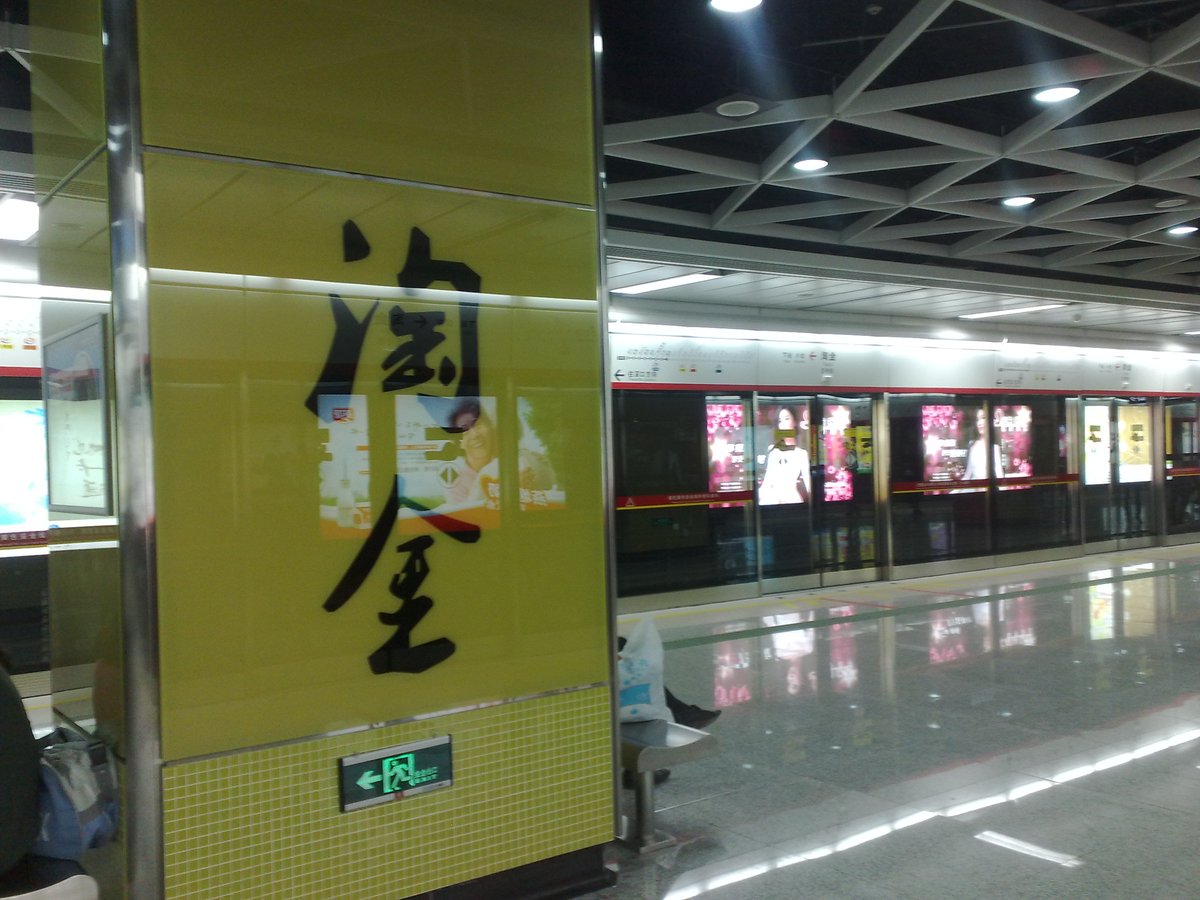
- Metro Take Guangzhou Metro Lines 2 or 5. Nearest stations: Yuexiu Park (Line 2), Yangji (Line 5), Donghu (Line 6), Haizhu Square (Line 2).
- Bus Multiple routes serve the Dashatou area.
- Taxi/Ride-hailing Widely available; fares start at 12 CNY.
Nearby Historical and Cultural Attractions
- Yuexiu Park Home to the Five-Ram Sculpture and Zhenhai Tower.
- Guangzhou Museum Exhibits on city and transportation history.
- Chen Clan Ancestral Hall Notable for Lingnan architecture.
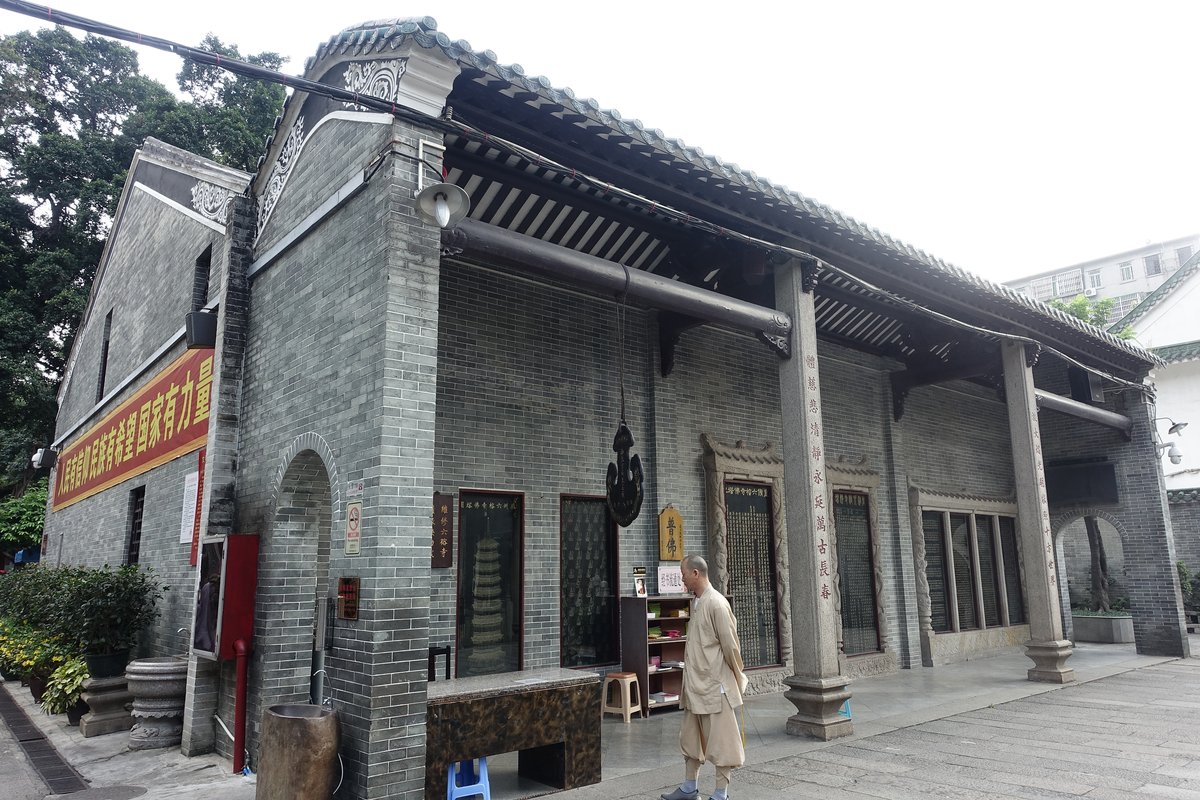
- Temple of the Six Banyan Trees Renowned Buddhist site.
- Sun Yat-sen Memorial Hall Monument to the founder of modern China.
Visitor Tips and Accessibility
- Language Signage is predominantly in Chinese; translation apps or guided tours can be helpful.
- Best Time to Visit October to December for cooler weather; evenings for river cruises.
- Accessibility Metro stations and riverfront promenades are accessible. Some older streets may have uneven surfaces—wear comfortable shoes.
- Photography Allowed in public areas; respect privacy and avoid photographing private properties without consent.
- Local Etiquette Enjoy local Cantonese cuisine; be respectful of community customs and public spaces.
- Safety The area is generally safe, with visible police presence and public facilities.
Frequently Asked Questions (FAQs)
Q: Is the original Tai-Sha-Tau (Dashatou) Railway Station building still standing?
A: No, it was demolished in 1985. Commemorative markers and a railway park now honor its legacy (Gwulo).
Q: Are tickets required to visit the Dashatou site?
A: The site and railway park are free. Tickets are only required for Pearl River cruises and some nearby museums.
Q: How do I get there by public transport?
A: Use Metro Lines 2 or 5 to reach Yuexiu Park or Yangji stations, then walk to the Dashatou area. Bus and taxi options are also available.
Q: Are guided tours available?
A: While no dedicated Dashatou tours exist, some local walking tours and city heritage tours include the area.
Q: What else can I see nearby?
A: Yuexiu Park, Chen Clan Ancestral Hall, and the Pearl River promenade are all easily accessible.
Preservation and Legacy
Tai-Sha-Tau’s story is emblematic of Guangzhou’s modernization and railway history. The loss of the original building is balanced by continued efforts to commemorate the site and educate visitors through parks, plaques, and museum exhibits. The Dashatou name endures in local infrastructure and cultural memory (Top China Travel).