The Southern Han Dynasty: Regional Context
The Southern Han Dynasty (917–971 CE), one of the Ten Kingdoms that emerged after the Tang Dynasty's collapse, ruled the Lingnan region (modern Guangdong and Guangxi) from its capital in Guangzhou. Established by Liu Yan, the dynasty was renowned for its political autonomy and economic prosperity, serving as a bridge for commerce and cultural exchange between the Central Plains and Southeast Asia. Guangzhou’s strategic location made it a crucial port on the Maritime Silk Road, with the Southern Han fostering both regional governance and international trade (Learn more).
Discovery and Archaeological Significance
The museum is built around the archaeological sites of the Kangling and Deling tombs, discovered during late 20th-century urban development. These tombs, hidden for over a millennium, revealed royal burial practices and a trove of artifacts reflecting the blend of indigenous Yue culture and wider imperial traditions. The discovery provided valuable insights into the funerary customs, material culture, and cosmopolitan connections of the Southern Han court (Museum significance).
Tomb Structure and Layout
The royal tombs are constructed from massive underground stone chambers, with a main burial chamber, side rooms for grave goods, and sealed passageways. Earth mounds and carved stone stelae once marked their presence. The tomb murals and carvings, preserved in situ, highlight the status and beliefs of the Southern Han elite (Details on tomb architecture).
Funerary Artifacts and Cultural Exchange
Artifacts excavated from the tombs include:
- Jade Burial Suit The museum's centerpiece is the "silk-thread jade suit," composed of thousands of jade plaques sewn together, reflecting advanced craftsmanship.
- Ceramics and Pottery Yue ware celadon, white porcelain, and imported pottery.
- Bronze and Iron Objects Ritual vessels, weapons, and tools.
- Imported Goods Items such as Persian silver boxes, Southeast Asian incense burners, and Đông Sơn bronze drums highlight Guangzhou’s international trade links.
- Glass and Ivory Rare finds, including blue glass and African ivory, further demonstrate the city’s global connections.
Visiting Information
Opening Hours and Ticket Prices
- Opening Hours 9:00 AM – 5:30 PM daily (last admission at 5:00 PM). Closed on Mondays except public holidays.
- Tickets Standard admission is CNY 12–30. Discounts available for students and seniors with valid ID. Children under 1.2 meters enter free. Tickets can be purchased onsite or online (Guangzhou Government).
Getting There and Accessibility
- Location North Jiefang Road, Yuexiu District, Guangzhou.
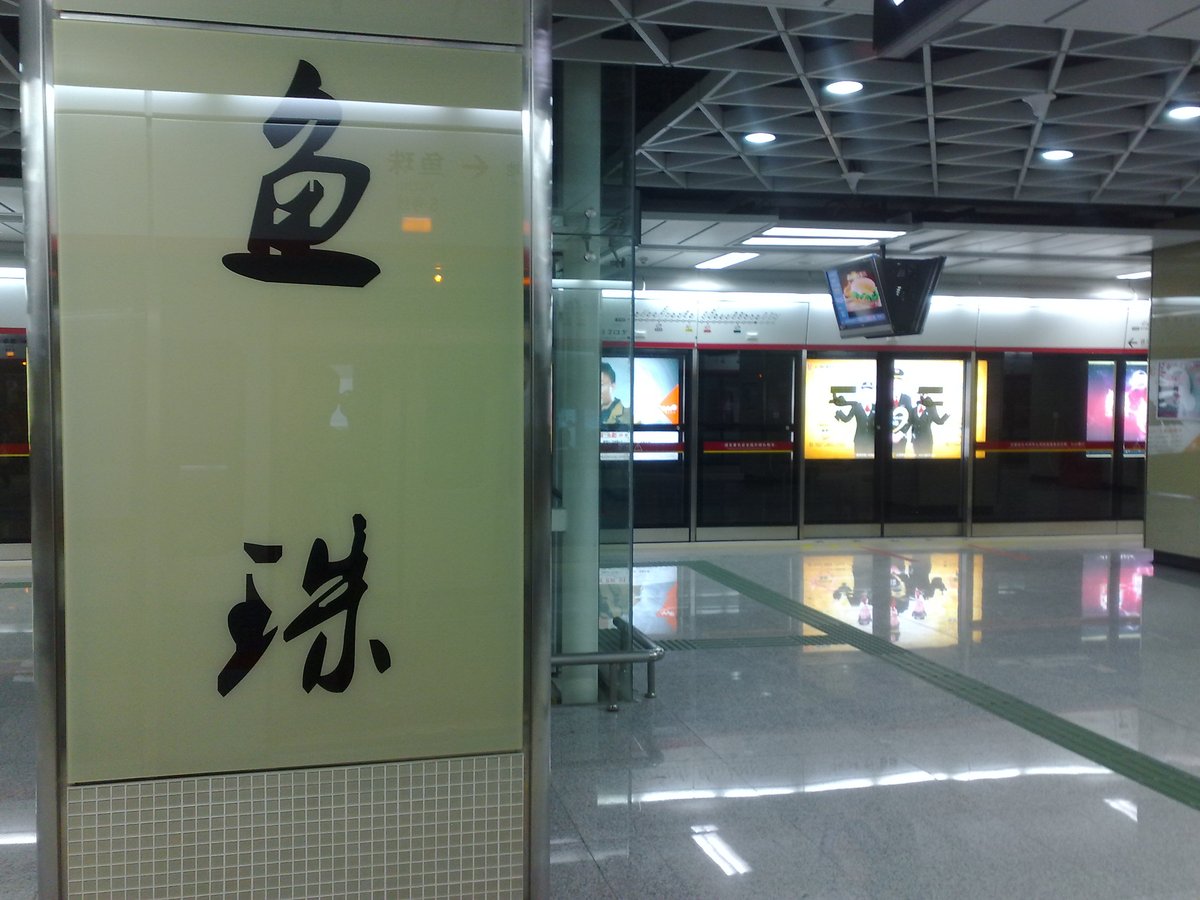
- By Metro Line 2, Haizhu Square Station (10-minute walk), or Yuexiu Park Station, Exit E.
- By Bus Routes 7, 24, 58, 87, 244, 273, 182, 519, 528, 552 to Yuexiu Park or Panfu Road.
- Taxi/Ride-Hailing Widely available.
- Accessibility Wheelchair-friendly with ramps and elevators.
Entrance and Photography Rules
- Security checks are required for entry.
- Non-flash photography is permitted in most areas; flash and tripods are not allowed near sensitive artifacts. Please observe signage.
Main Exhibitions and Highlights
Kangling and Deling Tombs
The museum preserves the Kangling (Emperor Liu Yan’s tomb) and Deling (Liu Yin’s tomb) sites in situ. Visitors can walk through the original tomb chambers, view intricate mural paintings, and learn about Southern Han burial customs through immersive displays.
Notable Artifacts
- Jade Burial Suit The only known complete jade suit sewn with silk thread from the Western Han period.
- Ceramic Figurines Representing attendants and guardians.
- Gold and Silver Ornaments Evidence of luxury and craftsmanship.
- Bronze Mirrors and Ritual Vessels Illustrate courtly traditions and beliefs.
- Imported Luxury Goods Including Persian silverware and Central Asian ornaments, testifying to Guangzhou’s cosmopolitan status.
Murals and Stone Carvings
The painted coffin chambers feature scenes from court life, mythology, and nature, providing a vivid glimpse into the beliefs and aesthetics of the Southern Han elite.
Visitor Experience and Amenities
Facilities and Accessibility
- Restrooms Clean and accessible.
- Gift Shop Offers books, artifact replicas, and souvenirs.
- Café Light refreshments available.
- Rest Areas Comfortable seating.
- Bilingual Signage Chinese and English labels throughout.
Guided Tours and Interpretation
- Guided tours are available in Mandarin and English and are highly recommended for deeper historical context. Advance booking is advised, especially for groups (Veronika’s Adventure).
- Informational panels and multimedia displays enhance the learning experience.
- The museum occasionally hosts special exhibitions and educational events; check the official site for schedules.
Travel Tips
- Best Time to Visit Spring and autumn for pleasant weather; weekday mornings for fewer crowds.
- Dress Code Comfortable shoes recommended for extensive walking.
- Nearby Dining Limited options within the museum; more choices available in Yuexiu District and University Town.
- Souvenirs The museum shop features unique artifact replicas and books.
Nearby Attractions
Take advantage of the museum’s central location by visiting:
- Chen Clan Ancestral Hall Renowned for elaborate Cantonese architecture.
- Guangzhou Museum (Yuexiu Park) Explores the city’s broader history.
- Nanhai God Temple A major site along the Maritime Silk Road.
- Museum of the Mausoleum of the Nanyue King Another major archaeological museum in Guangzhou.
Frequently Asked Questions (FAQs)
Q: What are the opening hours for the Southern Han Mausoleum Museum?
A: 9:00 AM to 5:30 PM, last entry at 5:00 PM; closed on Mondays except public holidays.
Q: How much are tickets?
A: Standard tickets range from CNY 12–30, with discounts for students and seniors.
Q: Are guided tours available in English?
A: Yes, but advance booking is recommended.
Q: Is the museum wheelchair accessible?
A: Yes, with ramps, elevators, and accessible restrooms.
Q: Can I take photos inside the museum?
A: Non-flash photography is permitted in most areas.
Q: What are the best nearby attractions?
A: Yuexiu Park, Nanhai God Temple, Chen Clan Ancestral Hall, and the Museum of the Mausoleum of the Nanyue King.