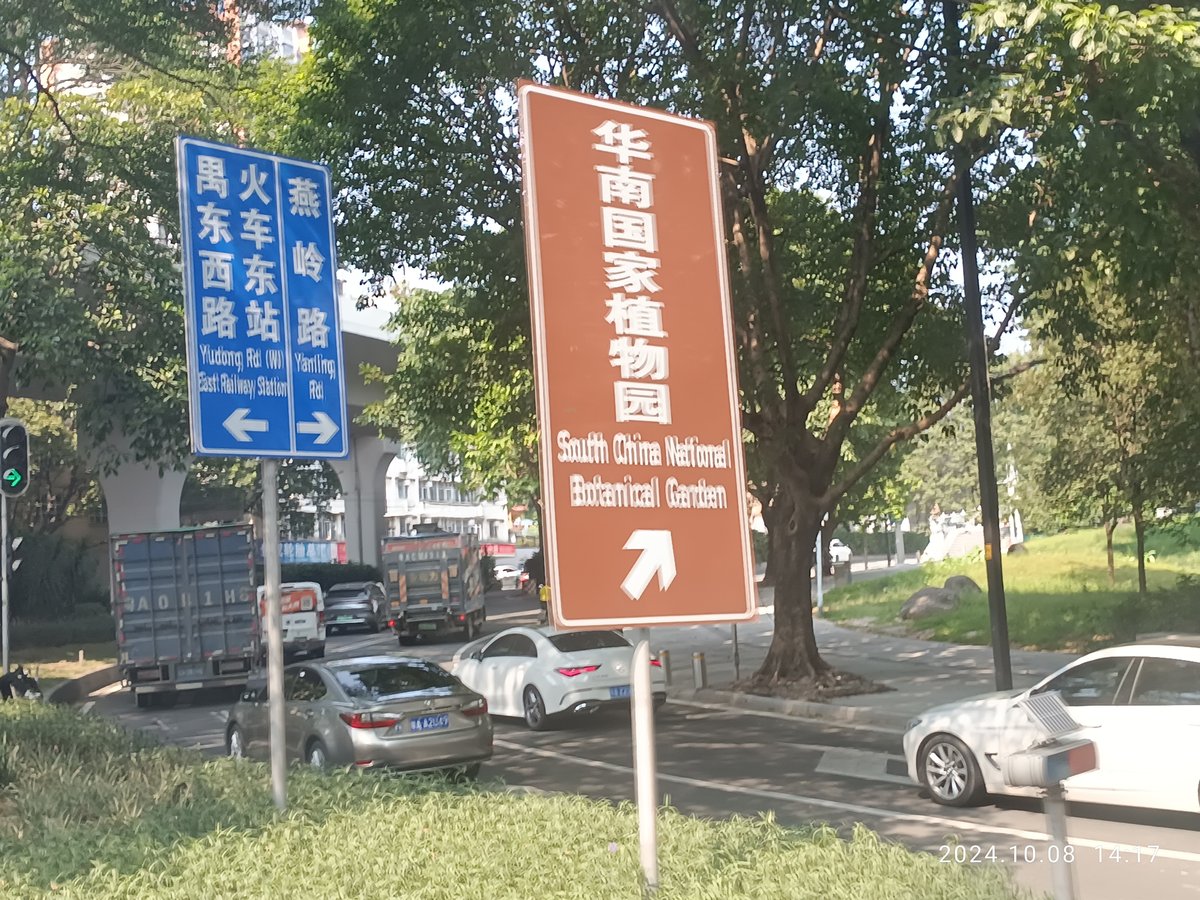
Plan and listen to South China Botanical Garden, Chinese Academy Of Sciences with Audiala.
Audio guide in your pocket, itinerary in your browser. Built for the way you actually visit.
Introduction
The South China Botanical Garden (SCBG), located in Guangzhou’s Tianhe District, stands as one of China’s oldest and most significant botanical institutions. Established in 1929 by renowned botanist Chen Huanyong under the auspices of Sun Yat-Sen University, SCBG has evolved into a major center for botanical research, plant conservation, and public education. With a living collection of over 17,500 plant species and more than 14,000 living taxa across 37 specialized gardens, SCBG is a natural haven for plant enthusiasts, researchers, and families.
SCBG’s subtropical climate supports a rich diversity of tropical and subtropical flora. The garden also encompasses the Dinghushan National Nature Reserve, China’s first national reserve dedicated to in situ plant conservation. Beyond its scientific importance, SCBG welcomes around one million visitors annually, offering immersive experiences through themed gardens, modern conservatories, guided tours, seasonal flower festivals, and interactive educational programs. Its excellent accessibility and proximity to major Guangzhou historical sites make it an ideal destination for both local and international visitors.
For official details, consult the South China Botanical Garden website, or explore additional resources from TravelChinaGuide and China Highlights.

Founding and Evolution
Founded in 1929, SCBG was conceived to promote botanical research and conservation in southern China. In 1954, it became part of the Chinese Academy of Sciences and was later renamed the South China Institute of Botany. The current name reflects its expanded mission in research, conservation, and public outreach.
Growth and Significance
SCBG is home to the Dinghushan National Nature Reserve, China’s first national reserve for in situ conservation, and manages multiple research stations focused on ecosystem restoration. With a herbarium housing over 1.1 million specimens and a vast living collection, SCBG plays a key role in plant science, hosting graduate programs, publishing scientific literature, and supporting conservation initiatives.
Visiting Information
Hours and Tickets
- Opening Hours: Daily from 8:00 AM to 6:00 PM (last entry at 5:30 PM). Opening times may vary during public holidays, so check the official website before visiting.
- Tickets:
- Adults: ¥40
- Students and seniors: ¥20
- Children under 1.2 meters: Free
- Combo tickets (including conservatory): ~¥30
Tickets can be purchased onsite or online through official platforms.
Accessibility
The garden is wheelchair accessible, with paved paths and ramps throughout. Facilities such as accessible restrooms, lockers, and information centers are available near the main entrances.
Getting There
- By Metro: Take Guangzhou Metro Line 3 to South China Botanical Garden Station (Exit A), followed by a short walk.
- By Bus: Multiple bus routes (e.g., 263, 270) stop near the garden.
- By Taxi/Ride-Hailing: Approximately 30 minutes from downtown Guangzhou or Baiyun International Airport.
Visitor Services and Facilities
- Guided tours in Mandarin and English
- Restrooms, lockers, souvenir shops, cafés, and picnic areas
- Internal transportation options for those with mobility needs
Main Attractions
Themed Gardens and Conservatories
SCBG features 39 themed gardens, including:
- Magnolia Garden: Renowned for rare magnolia species and spring blooms.
- Orchid Garden: Hundreds of native and exotic orchids.
- Palm and Bamboo Gardens: Lush, shaded walkways featuring diverse palms and bamboo varieties.
- Aquatic Plant Garden: Lotus and water lilies, especially beautiful in summer.
- Azalea Trail and Cycad Garden: Vibrant spring colors and ancient gymnosperms.
The modern Conservatory Complex includes Tropical Rainforest, Desert, and Orchid & Fern Halls, offering immersive experiences of global ecosystems.
Science Education and Information Center
The center is divided into four exhibition areas: "Time Tunnel," "Plants and Human Beings," "Botanical Ecology," and "Botanical Resource Protection and Sustainable Utilization." These sections use real specimens, interactive models, and multimedia to engage visitors of all ages (TravelChinaGuide).
Seasonal Events
SCBG hosts flower festivals, photography contests, gardening classes, and themed exhibitions throughout the year. The spring bloom (March–May) is particularly popular.
Educational Programs and Research
As a National Popular Science Education Base, SCBG runs workshops, field trips, and science camps for school groups and the public. The recreated "Guangzhou's Oldest Village" offers hands-on activities such as pottery and traditional farming (China Highlights, WindhorseTour).
SCBG offers graduate programs in botany and related fields, hosts international research symposia, and collaborates with global partners for conservation and education (BGCI).
Conservation and International Engagement
SCBG preserves over 20,000 plant taxa, including 430 nationally protected endangered species. It leads in ecological restoration and sustainable resource management, both onsite and at the Dinghushan Reserve. The garden is a member of international organizations such as Botanic Gardens Conservation International and regularly engages in global conservation initiatives (BGCI).
Travel Tips and Nearby Attractions
- Peak Times: Avoid visiting during the Canton Fair (April 15–30, October 15–30) for a more relaxed experience.
- What to Bring: Comfortable shoes, water, sun protection, and a camera.
- Nearby Guangzhou Historical Sites:
- Chen Clan Ancestral Hall
- Yuexiu Park
- Shamian Island
- Temple of the Six Banyan Trees
- Nature Excursions: Dinghushan National Nature Reserve is nearby for extended hiking and exploration.
Frequently Asked Questions (FAQs)
Q: What are the visiting hours?
A: 8:00 AM–6:00 PM daily; last entry at 5:30 PM.
Q: How do I buy tickets?
A: Tickets are available at the entrance or online via the official website.
Q: Is the garden wheelchair accessible?
A: Yes, with paved paths and accessible facilities throughout.
Q: Are guided tours available?
A: Yes, in both Mandarin and English; booking in advance is recommended.
Q: What are the ticket prices?
A: Adults: ¥40; students/seniors: ¥20; children under 1.2m: Free.
Q: Are pets allowed?
A: No, except for service animals.
Q: Are there special events?
A: Yes, seasonal flower shows, educational activities, and exhibitions are regularly held.
Listen to the full story in the app
The whole South China Botanical Garden, Chinese Academy Of Sciences,
told well.
Audio guides for 1,100+ cities across 96 countries. History, stories, and local insight — offline ready.
Verified, and shown.
Researched and written by the Audiala editorial team from historical records, architectural archives, and local expertise.
Researched from Wikidata, Wikipedia & official sources · fact-checked · How we make our guides →