Origins and Architectural Evolution
Renwei Temple was founded in 1052 AD and has survived multiple renovations during the Ming and Qing dynasties. Dedicated to Zhenwu Dadi, a Taoist deity revered for his powers of protection and exorcism, the temple exemplifies the Lingnan style with its upturned eaves, elaborate wood and stone carvings, and vibrant ceramic roof ornaments. The temple’s layout includes a main hall, subsidiary halls, and interconnected courtyards, all adorned with mythical motifs and auspicious symbols. Restoration efforts ensure that both its spiritual legacy and architectural splendor endure (Odyssey Magazine).
Renwei Temple’s Role in Urban and Spiritual Life
Located in Xiguan, a district famed for its traditional mansions and merchant culture, Renwei Temple has functioned as a spiritual anchor and a communal gathering place for centuries. It has hosted annual Taoist rituals, exorcisms, and community events, with support from local guilds and merchant associations. Even today, the temple serves as a vibrant hub for worship and cultural festivities, highlighting its ongoing relevance in Guangzhou’s social fabric.
Cultural and Artistic Highlights
Religious Practices and Community Events
Renwei Temple remains a functioning Taoist site where rituals, incense offerings, chanting, and fortune-telling are regularly observed. Major celebrations include the birthday festival of Zhenwu Dadi, held on the third day of the third lunar month, featuring processions, lion dances, and Cantonese opera. The temple also hosts charity events and educational programs, strengthening its bond with the community (Odyssey Magazine).
Lingnan Architectural Features
The temple is renowned for its exquisite craftsmanship:
- Wood and Stone Carvings Doorways, beams, and columns are adorned with scenes from Chinese mythology, legendary heroes, and auspicious animals.
- Ceramic Decorations Colorful glazed figurines of dragons, phoenixes, and folk tales crown the roof ridges and gables.
- Murals and Calligraphy Painted murals in bold Lingnan style depict deities and local folklore, while calligraphic plaques express blessings and teachings.
- Structural Design The main hall features a double-eaved roof with traditional dougong brackets, while the courtyards are paved with stone and shaded by ancient trees.
Integration with Xiguan’s Cultural Landscape
Renwei Temple is a highlight on historical walking tours of Xiguan, close to iconic attractions like Lychee Bay, Chen Clan Ancestral Hall, and Shamian Island. Its proximity to bustling markets and old streets offers a truly immersive cultural experience (Odyssey Magazine).
Visitor Information
Visiting Hours
- Regular Hours 8:00 AM – 5:00 PM or 6:00 PM (hours may vary during festivals or special events)
- Best Time to Visit Early mornings or late afternoons to avoid crowds and enjoy optimal lighting for photography
Admission and Tickets
- Entrance Free for all visitors; donations are welcome to support preservation (Trip.com)
- Guided Tours Available through local agencies, with options in multiple languages
Accessibility
- The temple grounds are mostly flat, with some steps and uneven surfaces in historic zones
- Wheelchair access is limited; contact ahead or arrange guided assistance for special needs (Guangzhou Government)
Getting There
- Address Miaoqian Street, Longjin West Road, Liwan District, Guangzhou 510140, China
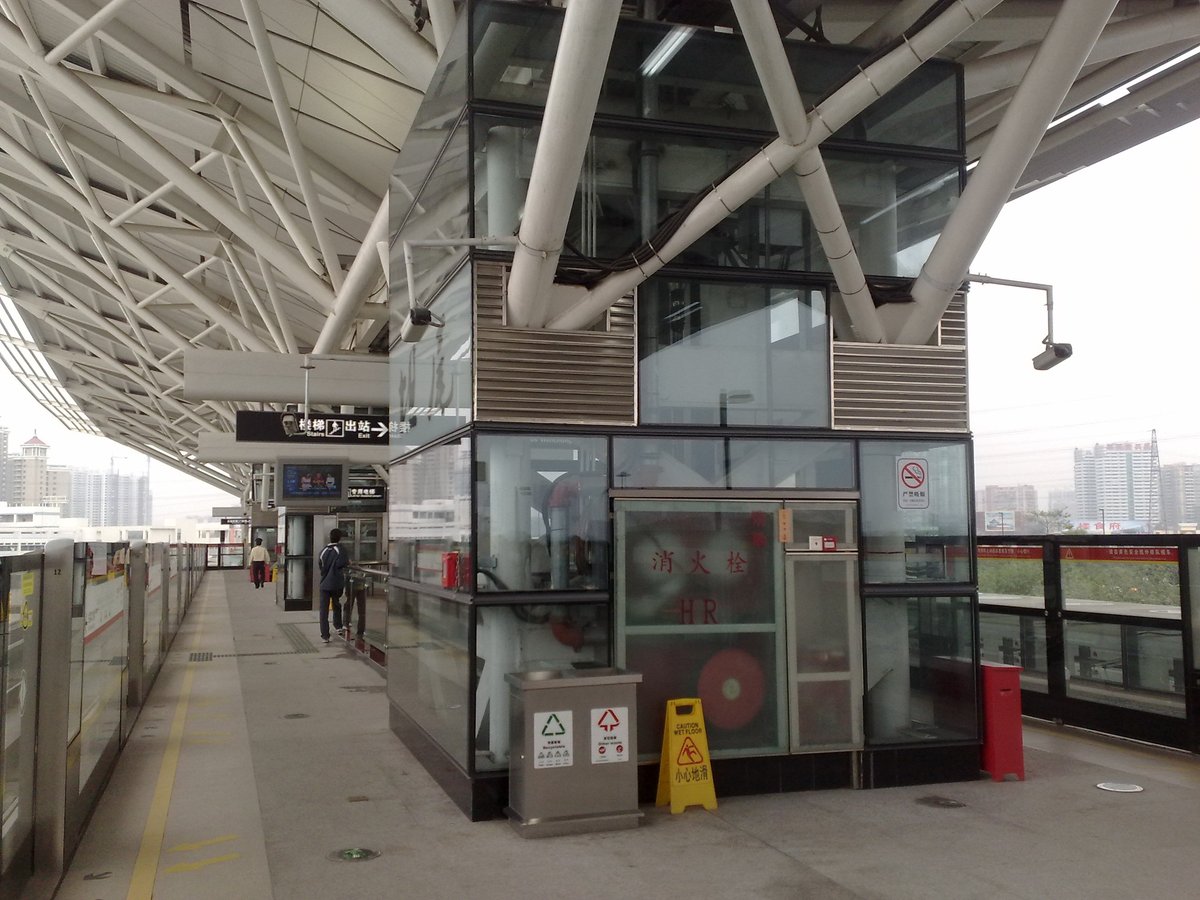
- Metro Changshou Lu Station (Line 1), 10-minute walk
- Bus Several lines stop nearby
- Taxi Show address in Chinese: 广州市荔湾区龙津西路庙前街
- Nearby Landmarks Close to Shangxiajiu Pedestrian Street and Chen Clan Ancestral Hall
Guided Tours and Special Events
- Festivals The temple is especially vibrant during the birthday of Zhenwu Dadi and other Taoist festivals, with music, performances, and communal feasts
- Tours Local guides provide historical context and architectural insights; pre-book for English-language tours
Nearby Attractions
- Lychee Bay (Litchi Wan) Tranquil canals, gardens, and restored mansions for a scenic stroll (gzshopper.com)
- Shangxiajiu Pedestrian Street Lively shopping and dining with a blend of colonial and Lingnan architecture
- Chen Clan Ancestral Hall A masterpiece of folk art and traditional crafts (business-in-guangzhou.com)
- Shamian Island Colonial-era architecture and riverside promenades
- Liwan Lake Park Scenic lakes, bridges, and lotus ponds, perfect for relaxation
- Temple of the Six Banyan Trees One of Guangzhou’s oldest Buddhist temples, famed for its Flower Pagoda
Visitor Tips & Etiquette
- Dress Modestly Respectful attire is required due to the temple’s religious nature
- Photography Allowed outdoors; flash discouraged inside halls; always check for signage or ask staff
- Behavior Maintain quiet, do not touch altars or statues, and follow locals’ lead during religious activities
- Facilities Restrooms available; plenty of dining and shopping options nearby
Suggested Itineraries
Half-Day: Renwei Temple & Lychee Bay
- Arrive early at Renwei Temple, explore its architecture and religious art
- Walk to Lychee Bay for a scenic stroll and local snacks
Full-Day: Liwan District Heritage Trail
- Morning: Renwei Temple and Lychee Bay
- Midday: Chen Clan Ancestral Hall and local Cantonese lunch
- Afternoon: Shangxiajiu Pedestrian Street and Liwan Lake Park
Two-Day Cultural Immersion
- Day 1 Renwei Temple, Lychee Bay, Chen Clan Ancestral Hall, Shangxiajiu Pedestrian Street, Liwan Lake Park
- Day 2 Temple of the Six Banyan Trees, Beijing Road, Shamian Island, Pearl River Night Cruise
Thematic Walking Tour
- Join a Xiguan Ancient Town tour including Renwei Temple and additional historic sites (powertraveller.com)
Frequently Asked Questions (FAQ)
Q: What are Renwei Temple’s opening hours?
A: Open daily from 8:00 AM to 5:00 PM (may close later during festivals).
Q: Is there an admission fee?
A: Free entry; donations are encouraged to support temple upkeep.
Q: How do I get to Renwei Temple by public transport?
A: Take Line 1 to Changshou Lu Station, then walk 10 minutes, or use local buses/taxi.
Q: Are guided tours available?
A: Yes, available through local travel agencies and guides.
Q: What other historical sites are nearby?
A: Lychee Bay, Chen Clan Ancestral Hall, Shamian Island, Temple of the Six Banyan Trees.
Q: Is Renwei Temple accessible for wheelchairs?
A: Access is limited due to historic steps; contact ahead for assistance.
Visual Gallery
High-quality images recommended:
- Renwei Temple Main Gate "Renwei Temple main gate in Guangzhou"
- Wood Carvings "Intricate wood carvings at Renwei Temple"
- Festival Scenes "Lion dance performance during Renwei Temple festival"
- Courtyards "Serene courtyard at Renwei Temple"
Summary and Travel Tips
Renwei Temple is a vibrant emblem of Guangzhou’s spiritual and architectural heritage. Its accessible opening hours and free admission, coupled with its central location, make it an ideal destination for exploring the city’s Taoist traditions and Lingnan artistry. Combine your visit with other historic sites in Liwan District for a comprehensive cultural experience. Use mobile apps and official websites for the latest visitor information, and consult local guides for deeper insights.
For further exploration, see official sources and trusted travel guides (Odyssey Magazine, Trip.com, Guangzhou Government).