Plan and listen to Renhe with Audiala.
Audio guide in your pocket, itinerary in your browser. Built for the way you actually visit.
Introduction to Renhe, Guangzhou
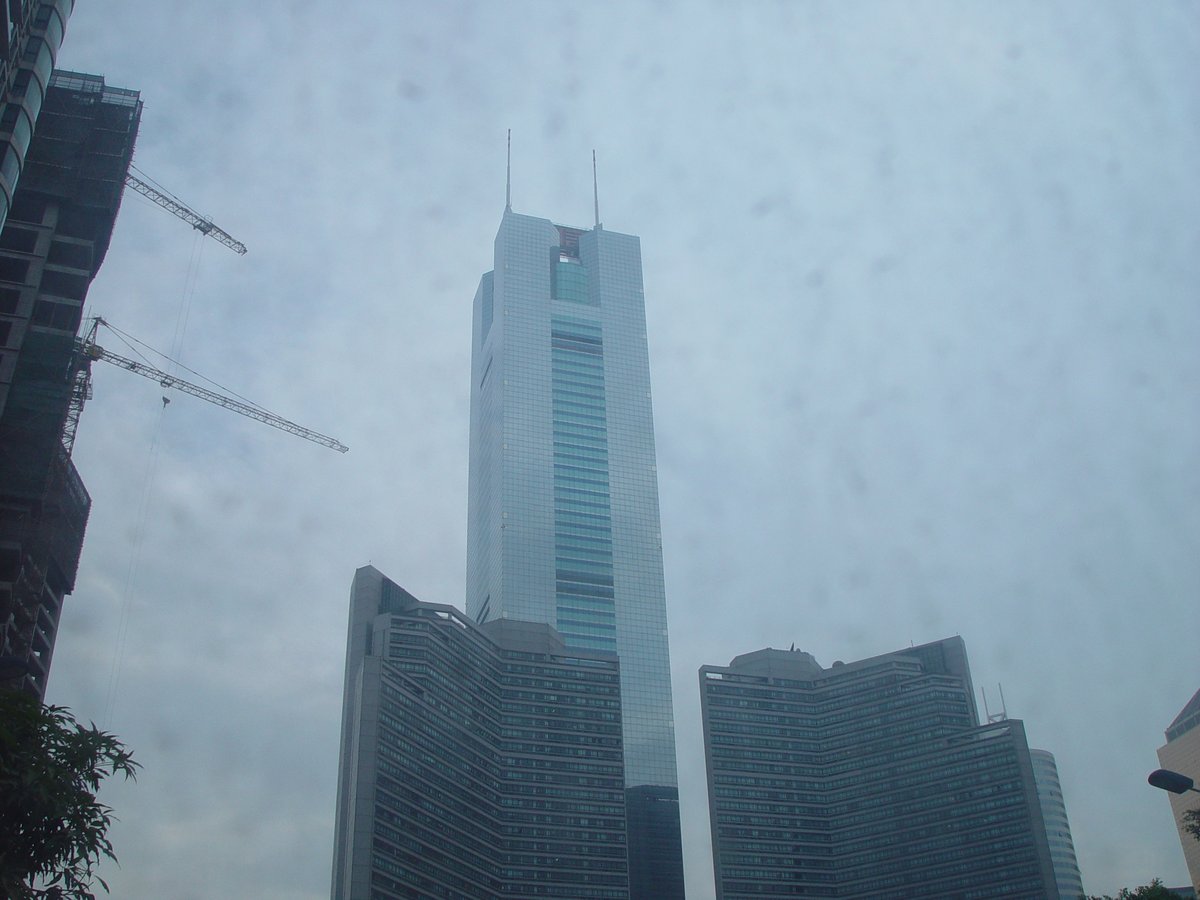
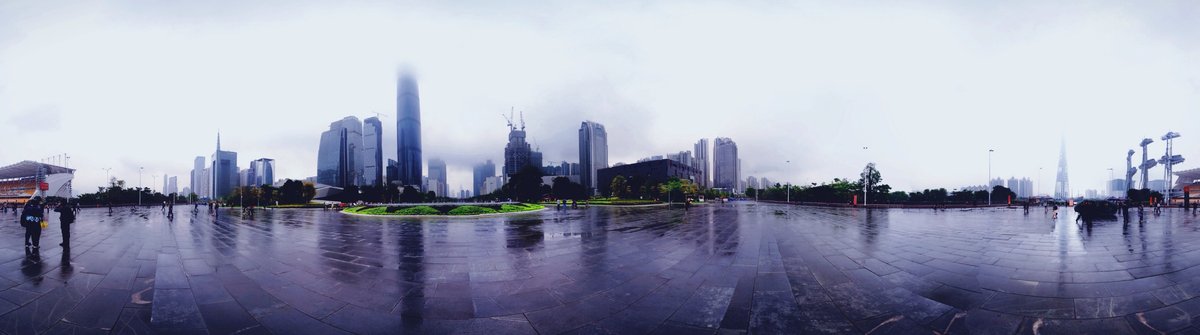
Renhe (人和), situated in Guangzhou’s Baiyun District, is a gateway that seamlessly combines cultural heritage with modern convenience. Its close proximity to Guangzhou Baiyun International Airport makes it an ideal location for both transit travelers and those seeking to immerse themselves in local Lingnan traditions. Renhe offers visitors a tranquil retreat from the city’s hustle, while providing easy access to historic sites, vibrant markets, riverside parks, and authentic Cantonese cuisine (TravelChinaGuide; Chinadiscovery).
Whether you’re planning a brief stopover or an extended exploration, this guide provides detailed information on Renhe’s history, key attractions, visitor information, local culture, dining, accommodation, and practical travel tips. For more on Guangzhou's history and attractions, refer to TravelChinaGuide and Chinadiscovery.
Early Origins and Geographic Context
Renhe’s roots trace back to its days as a rural village cluster within the Pearl River Delta, benefiting from fertile lands and strategic waterways. This area has long been associated with Guangzhou’s emergence as a major port and trading center, with a history spanning more than two millennia (TravelChinaGuide).
Urban Integration and Economic Significance
Renhe’s transformation accelerated with the opening of Guangzhou Baiyun International Airport in 2004. Infrastructure improvements, including expressways and the metro, integrated Renhe into the wider Guangzhou metropolis, turning it into a vital logistical hub. Today, it hosts business parks, hotels, and logistics firms, reinforcing its role as an economic gateway (Chinadiscovery; NLD Travel).
Cultural Evolution
Although Renhe lacks ancient temples found in central Guangzhou, its cultural vibrancy is evident in its diverse population and thriving local markets. The area reflects Lingnan openness and culinary excellence, blending rural traditions with urban energy (TravelVagabonds).
Key Attractions and Visiting Information
Proximity to Guangzhou Baiyun International Airport
Renhe’s location near Guangzhou Baiyun International Airport ensures travelers easy access and a wide range of accommodation options, many with complimentary shuttle services.
Local Markets and Dining
Markets in Renhe operate from early morning until late evening, offering a variety of Cantonese street foods—dim sum, roast meats, and more. These vibrant markets are free to enter, and most vendors accept cash or mobile payments (TravelVagabonds).
Parks and Riverside Green Spaces
Renhe’s parks and riverside trails are open from 6:00 AM to 9:00 PM, providing residents and visitors with spaces for exercise, tai chi, and relaxation.
Metro & Access to Guangzhou Attractions
Renhe Metro Station (Line 3) enables direct travel to central Guangzhou landmarks like Canton Tower and Yuexiu Park. Metro service runs from about 6:00 AM to midnight, with fares from 2–10 RMB (Highspeed MTR).
Guided Tours and Special Events
While Renhe itself doesn’t offer formal guided tours, many Guangzhou agencies incorporate Renhe’s markets and local activities into their itineraries. Major Chinese festivals bring additional vibrancy, with performances and food fairs.
Practical Visitor Information
Transportation
- Airport Transfers: Taxis, shuttle buses, and Metro Line 3 connect Renhe to the airport and the city center.
- Accessibility: Most hotels and public transport facilities are accessible, though some markets may have uneven ground.
Accommodation
Renhe offers a spectrum of hotels and guesthouses, many near the airport and metro station. Early booking is recommended during major conventions or festivals.
Weather and Packing Tips
The climate is subtropical: summers are hot and rainy, winters mild. Pack lightweight clothes, an umbrella for the May–September rainy season, and comfortable walking shoes (EastChinaTrip).
Language
Mandarin and Cantonese are spoken; English is limited outside hotels and the airport. Translation apps like Pleco or Google Translate are recommended (TravelVagabonds).
Health & Safety
Renhe is generally safe; observe standard precautions and drink only bottled water. Major hotels and hospitals provide healthcare in case of emergencies.
Visa Requirements
Most visitors need a Chinese visa. The 144-hour visa-free transit policy applies to eligible travelers in Guangdong (Trip.com).
Payments
The Chinese Yuan (RMB) is the local currency. Mobile payments (WeChat Pay, Alipay) are widely used, while credit cards are mostly accepted in larger establishments.
Cultural Etiquette and Local Insights
- Meals are served family-style; tipping isn’t customary.
- Dress modestly at temples and during festivals.
- Lunar New Year and other festivals may affect business hours and transportation.
Unique Experiences in Renhe
- Early morning park activities such as tai chi and local breakfast rituals.
- Airport hotels offer comfort and quick city access for layover travelers.
Renhe Visitor Guide: Attractions and Local Culture
Main Attractions and Ticket Information
Guangzhou Baiyun International Airport Vicinity
The airport is open 24/7. Renhe itself charges no entry fees, and hotels cater to all budgets (Guangzhou Baiyun International Airport).
Liuxi River and Natural Scenery
The Liuxi River runs through Renhe, with public access for walking and cycling. Admission is free year-round; occasional guided walks are announced by the Baiyun District Government.
Traditional Villages
Renhe manages several villages preserving ancestral halls and village markets. Most halls are open 9:00 AM–5:00 PM, free of charge; some offer guided tours by booking through community centers.
Proximity to Guangzhou’s Historic Sites
Renhe’s metro and road links provide quick access to sites such as:
- Canton Tower (9:00 AM–10:00 PM, from 150 CNY)
- Chen Clan Ancestral Hall (8:30 AM–5:30 PM, ~10 CNY)
- Shamian Island (free)
- Beijing Road Pedestrian Street (open daily)
- Nanyue King Mausoleum Museum (9:00 AM–5:00 PM, ~10 CNY)
Local Culture
Demographics
With a population of about 127,795, Renhe’s community reflects strong ties with overseas Chinese, enriching local traditions.
Lingnan Heritage
Experience Cantonese opera, folk music, and festivals in village temples, especially during Lunar New Year and Dragon Boat Festival.
Community Life
Renhe’s educational institutions often host cultural and sports events open to the public.
Culinary Experiences
Highlights
Enjoy dim sum, roast meats, freshwater seafood, and seasonal vegetables at teahouses and local restaurants. Wet markets offer fresh produce and a lively atmosphere.
Tea Culture
Participate in “yum cha” tea sessions, a cornerstone of Cantonese social life.
Architecture and Art
Village ancestral halls and temples, open 9:00 AM–5:00 PM, display Lingnan decorative arts and host community gatherings.
Dining Experiences and Essential Tips
Local Cuisine
Renhe offers a rich variety of Cantonese dishes:
- Dim sum, roast pork and duck, seafood, and congee are widely available in local eateries (China Discovery).
- Street food such as cheung fun, claypot rice, and sugarcane juice can be found in markets and near transit hubs.
Modern Options
International and vegetarian restaurants are located near the airport and larger hotels, catering to diverse tastes.
Dining Etiquette
- Meal times: breakfast (7:00–10:00 AM), lunch (11:30 AM–2:00 PM), dinner (6:00–9:00 PM).
- Tipping is not customary; service charges may be included (Hikersbay).
- Payment: RMB cash, WeChat Pay, and Alipay are most common; credit cards in major venues.
Practical Travel Tips
- Transport: Metro is fastest; taxis and ride-hailing apps like Didi are widely used (Highspeed MTR).
- Accommodation: Book early during peak seasons, and choose hotels near Renhe Station.
- Weather: Fall (late October–mid-December) is most pleasant for travel.
- Health: Standard vaccinations advised; air quality is generally moderate.
- Connectivity: Wi-Fi is common in hotels and cafes; local SIM cards are available for tourists.
Frequently Asked Questions
Q: Are there entrance fees for Renhe’s main attractions?
A: Most parks and markets are free. Major Guangzhou attractions have separate ticket prices.
Q: Are guided tours available?
A: Some village tours are available; inquire at the Baiyun District Tourism Office.
Q: How do I reach central Guangzhou from Renhe?
A: Use Metro Line 3 from Renhe Station for direct access.
Q: Is Renhe family-friendly?
A: Yes, with parks, cultural sites, and family-oriented events.
Q: Are vegetarian or halal options available?
A: Yes, especially near major hotels and in the airport area.
Visiting the Nanyue King Mausoleum Museum
The Nanyue King Mausoleum Museum in Yuexiu District preserves the tomb of Zhao Mo, a Nanyue king from over 2,000 years ago. The museum is renowned for its jade burial suit and ancient artifacts, providing insight into Han and Yue cultures.
Visitor Information
- Hours: 9:00 AM–5:00 PM (closed Mondays, except holidays)
- Tickets: ¥10 (discounts for students, seniors, children under 1.2m free)
- Guided Tours: Available in multiple languages
Getting There
- Metro: Line 3 from Renhe to Jiahewanggang, transfer to Line 2 to Yuexiu Park Station. Walk 10 minutes from the station.
- Buses: Routes 5, 22, and 64 stop nearby.
- Taxi/Didi: Available throughout Guangzhou.
Accessibility
The museum is accessible for visitors with disabilities, with elevators, ramps, and tactile paving. Public transport is also equipped for accessibility needs.
Accommodation
- Near the museum: The Garden Hotel, White Swan Hotel, and boutique options.
- In Renhe: International chains and budget hotels with shuttle services.
Nearby Attractions
- Yuexiu Park: Largest park in Guangzhou.
- Chen Clan Ancestral Hall: Folk art and architecture.
- Shamian Island: Colonial architecture.
Quick Reference Table: Nanyue King Mausoleum Museum
| Feature | Details |
|---|---|
| Location | Yuexiu District, Guangzhou |
| Nearest Metro Station | Yuexiu Park (Line 2) |
| Opening Hours | 9:00 AM–5:00 PM (Closed Mondays except holidays) |
| Ticket Price | ¥10 (discounts available) |
| Accessibility | Elevators, ramps, tactile paving |
| Accommodation | Wide range in Yuexiu and Renhe |
| Booking Platforms | Booking.com, Trip.com |
Summary and Visitor Tips for Renhe, Guangzhou
Renhe’s strategic location, authentic markets, and easy access to both rural tranquility and urban attractions make it an excellent base for exploring Guangzhou. Its evolving blend of tradition and modernity offers a multifaceted experience for families, solo travelers, and business visitors alike (NLD Travel; TravelChinaGuide).
To maximize your visit, use practical tips on transport, dining, and local customs provided in this guide. Download the Audiala app for additional resources, offline maps, and real-time updates.
Useful Links
- TravelChinaGuide: Guangzhou History
- Baiyun District Government Tourism
- Guangzhou Baiyun International Airport
- Canton Tower Official Website
- Chen Clan Ancestral Hall
- Nanyue King Mausoleum Museum
- Guangzhou Travel Guide on Trip.com
- Guangzhou Weather
- Highspeed MTR Guangzhou Attraction Guide
Listen to the full story in the app
The whole Renhe,
told well.
Audio guides for 1,100+ cities across 96 countries. History, stories, and local insight — offline ready.

Verified, and shown.
Researched and written by the Audiala editorial team from historical records, architectural archives, and local expertise.
Researched from Wikidata, Wikipedia & official sources · fact-checked · How we make our guides →