Historical Significance of the Port of Guangzhou
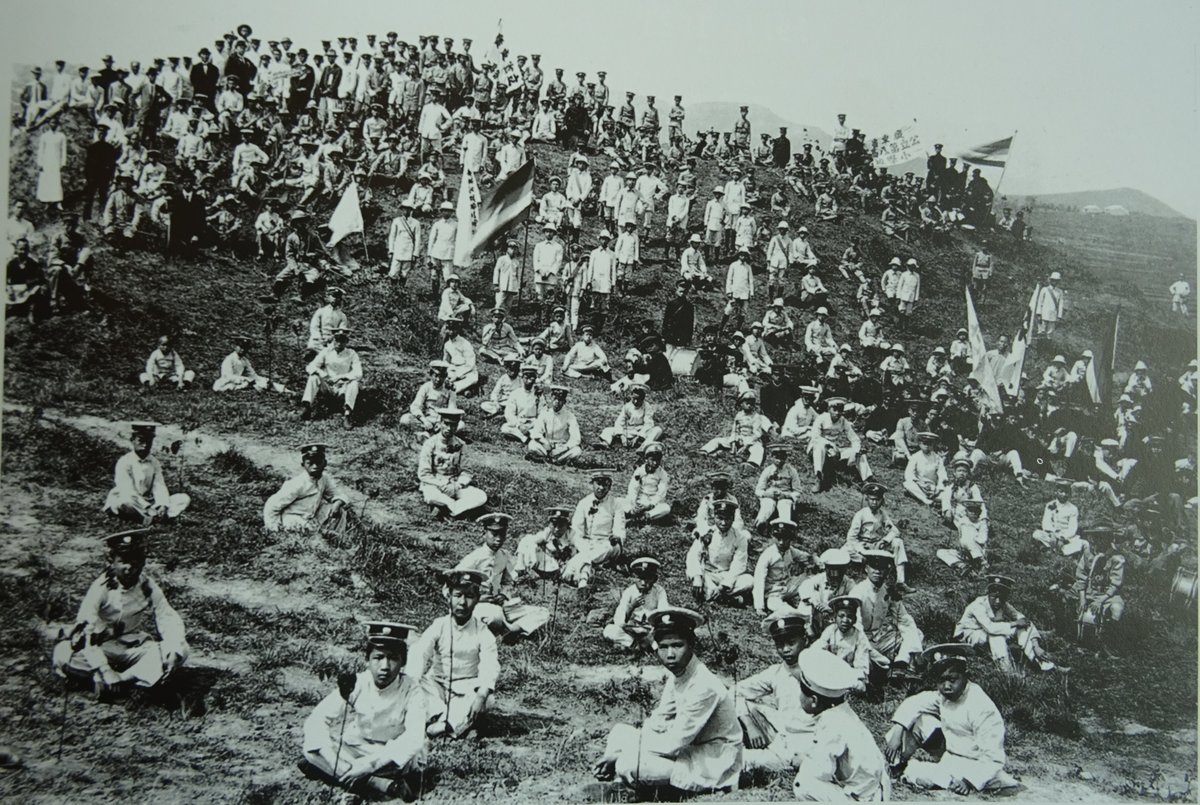
Dating back to the Qin dynasty, the Port of Guangzhou became a central hub on the ancient Maritime Silk Road, facilitating trade and cultural exchange for centuries. It played key roles during the Han and Tang dynasties and was the sole port open to Western trade under the Canton System in the 18th century. Events such as the Opium Wars and the city’s opening under the Treaty of Nanjing further shaped its international identity.
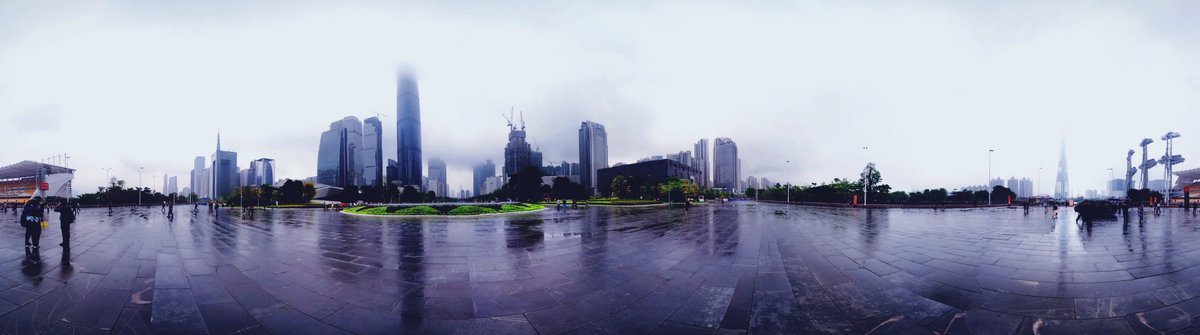
Today, the port stands as a testament to Guangzhou’s enduring spirit, bridging ancient heritage with modern economic influence.
Visiting Hours and Tickets
- Visiting Hours
- Most public sites, including the Guangzhou Maritime Museum and historical areas like the Thirteen Factories, are open daily from 9:00 AM to 5:00 PM. Always check for seasonal changes or holiday adjustments on official websites.
- Tickets
- Many attractions, such as the Guangzhou Maritime Museum, offer free or low-cost entry (special exhibitions may require tickets, typically ¥20–¥50).
- Access to active port operations is restricted; guided tours must be booked in advance, especially during busy periods.
Guided Tours and Visitor Experiences
- Walking Tours Explore the historic Thirteen Factories district and waterfront, tracing the port’s role in international trade.
- Boat Tours Enjoy panoramic river views of the port’s infrastructure and historical sites.
- Museum Tours The Guangzhou Maritime Museum offers guided tours deepening your understanding of maritime history.
- Modern Operations Some tours provide rare access to automated terminals and container handling operations, especially at Nansha Terminal. Book in advance through official channels.
Getting There and Accessibility
- Location Along the Pearl River, with major areas like Nansha and Huangpu reachable from downtown Guangzhou.
- Transport
- Metro Lines 2 and 8 connect to key stations; shuttle buses reach main visitor areas.
- Airport Guangzhou Baiyun International Airport is about an hour’s drive.
- Bus/Taxi Widely available with clear signage.
- Accessibility
- Major sites offer wheelchair access, ramps, and elevators.
- Visitor assistance is available; confirm with each venue regarding accessibility needs.
Photographic Highlights
- Thirteen Factories Waterfront Historic and modern port facilities with river backdrops.
- Maritime Museum Rooftop Panoramic Pearl River and port vistas.
- Whampoa Anchorage Historic anchorage and river scenes.
- Nansha Observation Deck Striking sunrise/sunset views of container operations.
Nearby Attractions and Cultural Highlights
- Guangzhou Maritime Museum Artifacts, interactive exhibits, and maritime history.
- Whampoa Sites Explore remnants of old anchorage and naval heritage.
- Canton Tower Iconic city landmark with sweeping views.
- Historic Districts Yuexiu and Liwan offer traditional markets, cuisine, and architecture.
- Pearl River Delta Ferries Scenic ferry options to nearby cities.
Special Events and Festivals
- Maritime Exhibitions Themed expositions and fairs celebrating Guangzhou’s seafaring legacy.
- Canton Fair Biannual event drawing global business and cultural activities.
- Cultural Performances Traditional Cantonese music, flower festivals, and local celebrations.
- Check event calendars for details and dates.
Frequently Asked Questions (FAQ)
Q: What are the typical visiting hours for historical sites at the port?
A: 9:00 AM–5:00 PM daily, but confirm with each site.
Q: Is there an entrance fee for port museums?
A: Many are free or low-cost; some special exhibitions charge ¥20–¥50.
Q: Are guided tours available?
A: Yes, advance booking is recommended for both historical and operational areas.
Q: Can I visit active port terminals?
A: Access is limited and only possible as part of guided tours due to security.
Q: How do I get to the port?
A: Metro, bus, taxi, and shuttle services all provide easy access.
Q: Is the port accessible for those with disabilities?
A: Most main visitor sites are accessible, but confirm specific arrangements when booking.
Infrastructure and Modern Features
The Port of Guangzhou includes over 4,600 berths and advanced terminals capable of handling the world’s largest vessels. The Nansha Port Area, with its fully automated terminal (opened in 2024), is a highlight for those interested in smart logistics and integrated IoT systems. This infrastructure underscores Guangzhou’s commitment to innovation and efficiency.
Sustainability and Innovation
Guangzhou Port is actively advancing green initiatives, including emissions reduction and digital trade platforms. Supported by government policy, these efforts ensure the port’s continued leadership in sustainable global shipping.
Key Historical Milestones
- 221 BCE Guangzhou established as a major port city.
- Han and Tang Dynasties Emergence as a leading Silk Road port.
- 1757 Canton System makes Guangzhou the sole legal port for Western trade.
- 1842 Treaty of Nanjing opens the port more broadly.
- Modern Era Ongoing expansion and modernization into a global logistics hub.