Plan and listen to People'S Park (Guangzhou) with Audiala.
Audio guide in your pocket, itinerary in your browser. Built for the way you actually visit.
Introduction
People’s Park Guangzhou (人民公园; Rénmín Gōngyuán) is a historic urban oasis centrally located in Yuexiu District. With a legacy that spans over 1,400 years, the park is an enduring symbol of Guangzhou's civic, cultural, and ecological vitality. From its beginnings as an imperial administrative seat to its current status as a beloved public green space, People’s Park offers visitors a unique blend of history, natural beauty, and vibrant community life (Wikipedia; guangzhouinsider.info). This guide provides essential information on visiting hours, tickets, accessibility, key attractions, and conservation efforts to help you make the most of your visit.

Imperial Foundations
The grounds of People’s Park have served as a center of governance since the Sui dynasty (581–618 AD). Initially established as the administrative seat of Guangzhou Prefecture, the area became the political and cultural heart of the region for centuries (Wikipedia).
Dynastic Transitions
Over time, the site witnessed numerous historical transformations. It served as the palace for the Shaowu Emperor during the late Ming dynasty and later as the headquarters for Qing officials such as Shang Kexi. Scholar-officials like Ruan Yuan contributed to the site's cultural legacy by naming it “Wanzhu” (Ten Thousand Bamboos), reflecting the area's evolving significance (Wikipedia).
Becoming a Public Park
In 1921, after the fall of the Qing dynasty, the site was redesigned in a Western style as Guangzhou’s first public park. It quickly became a focal point for civic activities, including the first International Women’s Day celebration in China in 1924 (Wikipedia).
Modern Era
Post-1949, the park was renamed People’s Park and fully opened to the public following the removal of its walls in 1999. It has since hosted significant events such as the 2009 gay rights protest and the 2010 Cantonese language demonstration, further cementing its role as a center for public discourse (Wikipedia).
Visitor Information
Visiting Hours and Tickets
- Opening Hours: Daily, 6:00 AM – 10:00 PM.
- Admission: Free of charge for all visitors (guangzhouinsider.info).
Getting There
- Metro: Gongyuanqian Station (Lines 1 & 2), Exit F, a short walk from the main entrance (highspeed.mtr.com.hk).
- Buses & Taxis: Multiple city bus routes and taxi drop-off points are available around the park.
- By Foot/Bike: Easily accessible by walking or cycling, with bike lanes and pedestrian paths leading to the park.
Accessibility
- Wheelchair Accessible: Paved paths and ramps throughout the park.
- Facilities: Accessible restrooms, seating areas, and multilingual signage.
Best Times to Visit
- Early mornings and late afternoons offer cooler temperatures and fewer crowds.
- Seasonal festivals such as the narcissus (February) and chrysanthemum (autumn) exhibitions provide vibrant photo opportunities (asiaodysseytravel.com).
Nearby Attractions
- Yuexiu Park: Famous for the Five Rams Sculpture.
- Temple of the Six Banyan Trees: Noted for its Flower Pagoda.
- Museum of the Mausoleum of the Nanyue King: Showcasing Han dynasty artifacts.
- Beijing Road Shopping District: A lively commercial area.
Park Layout and Main Features
General Layout
People’s Park spans roughly 39,000–44,600 square meters and features a rectangular design framed by tree-lined avenues, open lawns, and interconnected walking paths. The main entrance faces Jiefang North Road, with additional entrances accessible from surrounding streets (trek.zone).
Main Attractions
- Central Plaza: Hosts public gatherings, tai chi sessions, and cultural performances.
- Sculptures and Monuments: Six significant statues commemorate local history and revolutionary figures.
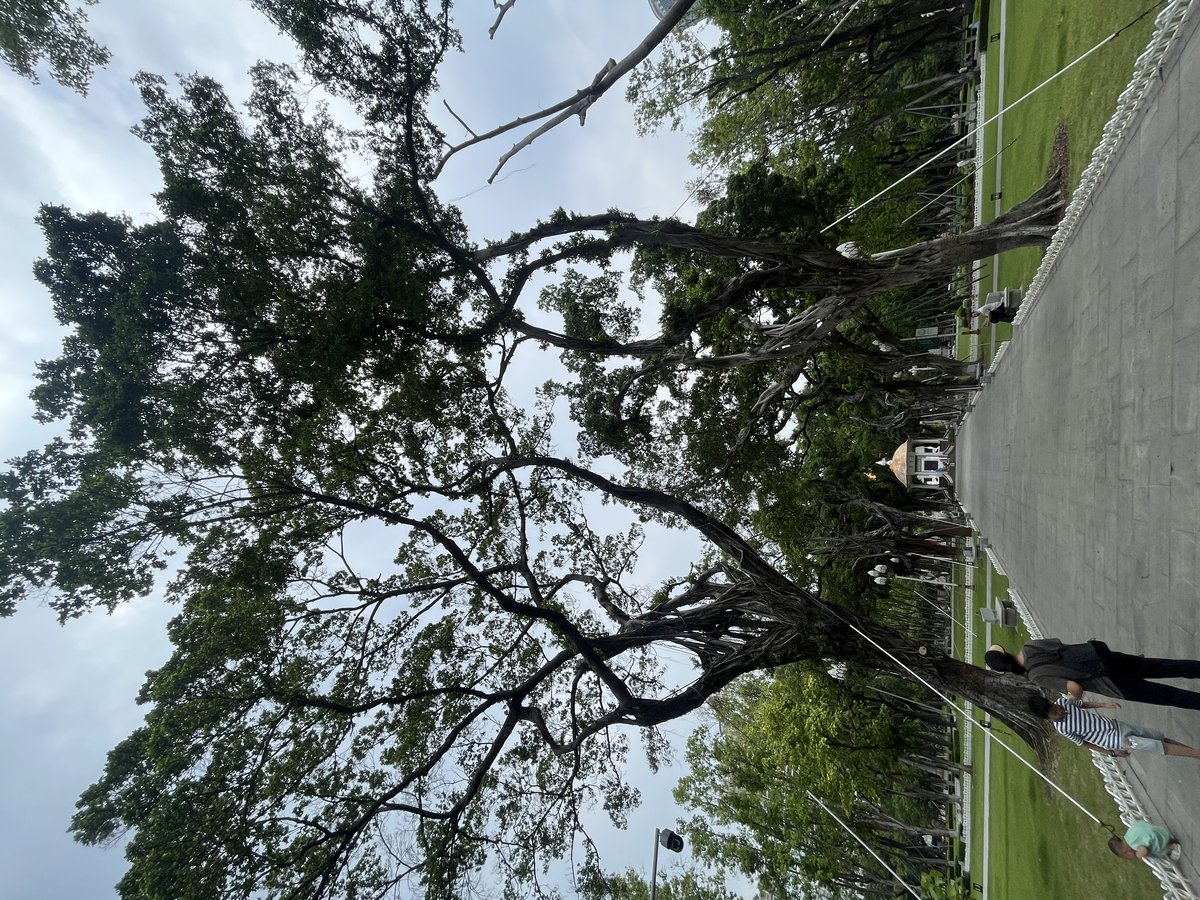
- Botanical Features: Ancient banyan and camphor trees, themed gardens, and seasonal floral displays.
- Water Features: Decorative ponds and fountains that enhance the park’s tranquility.
- Children’s Play Areas: Modern, safe playgrounds near the southern edge.
- Tea Houses and Stalls: Traditional snack kiosks and Cantonese tea houses for refreshments.
- Cultural and Recreational Facilities: Table tennis, chess, calligraphy exhibitions, and music performances.
- Walking and Jogging Paths: Well-maintained, illuminated paths with fitness stations.
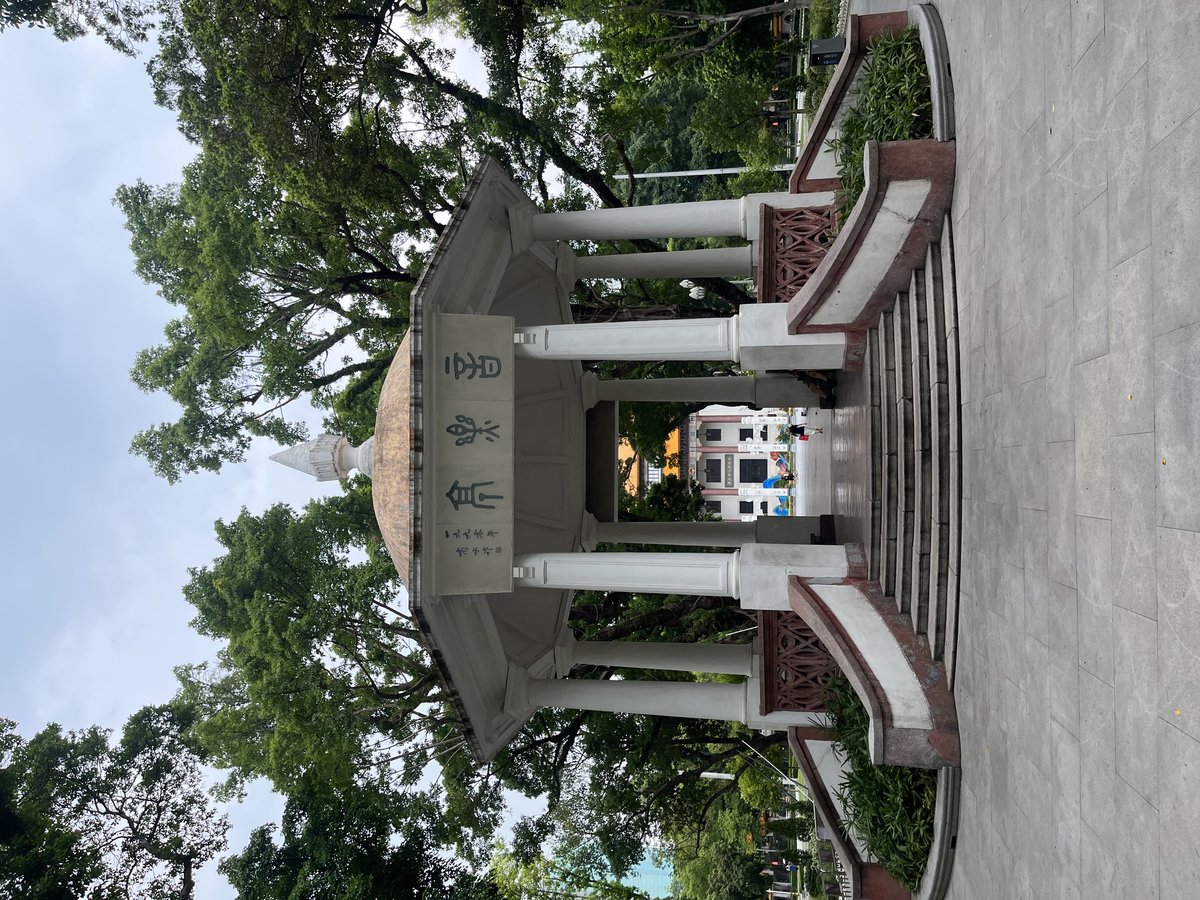
- Rest Areas: Shaded pavilions, benches, clean restrooms, and drinking fountains.
Seasonal and Thematic Zones
- Special zones are dedicated to cultural events such as Spring Festival lantern displays and autumn floral exhibitions.
Cultural Activities and Community Life
People’s Park is a vibrant hub of daily life. Mornings see locals practicing tai chi and qigong, while afternoons bring families and elderly residents together for chess, cards, and lively conversation. The park regularly hosts choral groups, dance troupes, and music performances, providing a lively yet relaxed atmosphere (guangzhouinsider.info; trek.zone).
During major holidays like Mid-Autumn Festival and Chinese New Year, the park transforms with themed decorations, lantern displays, and community gatherings, offering a window into local customs (asiaodysseytravel.com).
Artistic and Memorial Features
The park features six statues memorializing prominent figures in Chinese history, providing educational touchpoints for visitors. The landscape design blends natural and traditional Chinese garden aesthetics, with winding paths, bonsai collections, and vibrant seasonal flowers creating picturesque settings (guangzhouinsider.info; trek.zone).
Social Integration and Inclusivity
People’s Park’s central location and diverse amenities make it a welcoming space for all. Facilities cater to children, the elderly, families, and tourists, fostering a sense of belonging and multicultural interaction (highspeed.mtr.com.hk; guangzhouinsider.info).
Ecological and Environmental Value
Spanning over 39,000 square meters, the park serves as a crucial green lung for downtown Guangzhou. Its mature trees and diverse flora support biodiversity and offer a habitat for birds and urban wildlife, while tranquil water features help moderate the urban climate (guangzhouinsider.info; trek.zone).
Conservation and Sustainability
As Guangzhou grows, People’s Park plays a key role in urban conservation. Efforts include:
- Waste Management: Increased waste bins and cleaning staff combat litter and pollution.
- Community Involvement: Local groups organize clean-ups and promote responsible behavior.
- Environmental Monitoring: Technology, such as sensors and mobile apps, helps track ecological health and visitor flow.
The park's mature vegetation filters air pollutants and moderates the urban heat island effect, contributing to a healthier city environment.
Frequently Asked Questions (FAQ)
Q: What are the opening hours of People’s Park Guangzhou?
A: 6:00 AM to 10:00 PM daily.
Q: Is there an admission fee?
A: No, entry is free.
Q: How do I get there by public transport?
A: Take the Guangzhou Metro to Gongyuanqian Station (Lines 1 & 2), Exit F.
Q: Is the park accessible to visitors with disabilities?
A: Yes, the park features wheelchair-accessible paths and facilities.
Q: Are pets allowed?
A: Pets are generally allowed but must be on a leash; follow local regulations.
Q: When is the best time to visit?
A: Early mornings or late afternoons for fewer crowds, and during festival seasons for special events.
Practical Visitor Tips
- Arrive early or late for a more peaceful experience.
- Bring water, comfortable shoes, and a camera.
- Check park notice boards or the official website for event updates.
- Respect park rules and other visitors' privacy.
- Use public transport to avoid parking difficulties.
Plan Your Visit
People’s Park Guangzhou is a must-visit for anyone exploring the city’s history, culture, and green spaces. For more travel tips and interactive experiences, download the Audiala app and follow us on social media. Explore related articles and official resources to enrich your trip.
Useful Links
- Official Guangzhou Tourism Website
- People’s Park Guangzhou on TripAdvisor
- People’s Park Information on Guangzhou Municipal Site
Listen to the full story in the app
The whole People'S Park (Guangzhou),
told well.
Audio guides for 1,100+ cities across 96 countries. History, stories, and local insight — offline ready.
Verified, and shown.
Researched and written by the Audiala editorial team from historical records, architectural archives, and local expertise.
Researched from Wikidata, Wikipedia & official sources · fact-checked · How we make our guides →