Discover Nansha Bridge: A Must-Visit Landmark in Guangzhou
Why Visit Nansha Bridge?
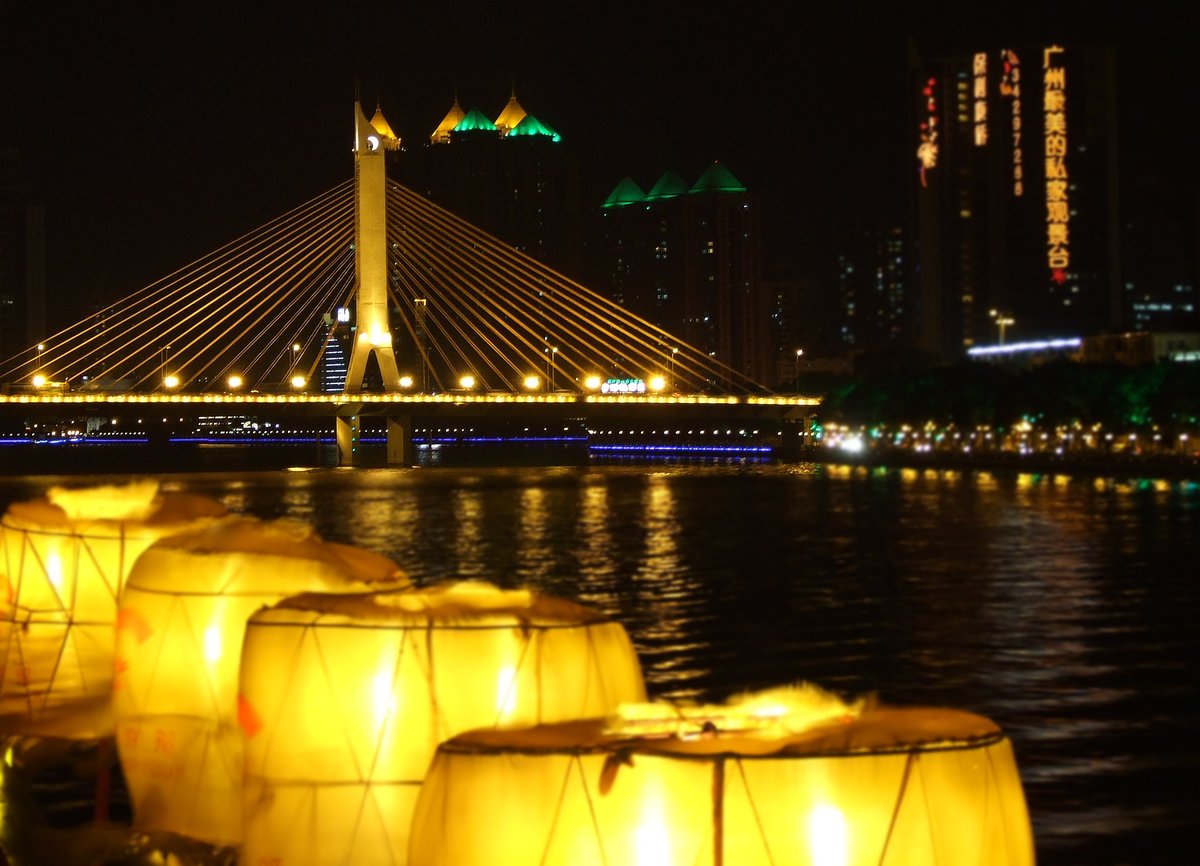
Nansha Bridge is not just a vital traffic artery but also an iconic landmark reflecting China’s infrastructural ambitions. Connecting Guangzhou and Dongguan across the Pearl River Delta, it is renowned for its engineering innovations, record-breaking dimensions, and striking aesthetics. With impressive panoramic views and a distinctive nighttime light display, the bridge has become a highlight for tourists and locals alike.
Visitor Information
Visiting Hours
- Bridge Access The Nansha Bridge is open 24 hours a day for vehicular traffic.
- Pedestrian Access There is no pedestrian or cycling access on the bridge deck due to safety regulations.
- Viewing Areas Year-round access from dawn to dusk at designated parks and observation points on both the Guangzhou and Dongguan sides.
Tickets and Access
- Vehicles Standard toll fees apply for vehicles crossing the bridge, in line with regional expressway rates.
- Pedestrians No tickets are required, as pedestrian access is not permitted on the bridge itself. Visitors should use nearby parks and viewing platforms.
Getting There
- By Car The bridge connects to the Guangzhou Ring Expressway and Guangshen Yanjiang Expressway, facilitating easy access from Guangzhou, Dongguan, and beyond.
- By Public Transport
- Take Guangzhou Metro Line 4 to Nansha Passenger Port station.
- From there, use a taxi or rideshare to reach nearby attractions and viewing points.
- Navigation Use Baidu Maps or Amap for real-time navigation (note: English support is limited).
Best Viewing Spots & Photography Tips
- Nansha District Viewing Park Offers expansive views of the bridge’s suspension spans—ideal for sunsets.
- Dongguan Shatian Riverside Park Prime vantage for night photography of the illuminated bridge.
- Nansha Marina Excellent for dragon-like night views and riverside strolls.
- Photography Stopping on the bridge for photos is prohibited; use designated areas. Drones are regulated—check local rules before use.
Engineering and Architectural Significance
Structural Innovations
- World Record Width At 40.5 meters, it is the world’s widest steel box girder suspension bridge.
- Main Span The main span stretches 1,688 meters, accommodating eight traffic lanes designed for speeds up to 100 km/h.
- Materials Built with high-strength steel cables, robust steel box girders, and anti-corrosion coatings for longevity in the humid, saline estuary environment.
Construction Highlights
- Designed by CCCC Highway Consultants Co., Ltd. and constructed by CCCC Second Highway Engineering Co., Ltd.
- Utilized advanced prefabrication, cable spinning, and foundation technologies.
- Features 24 TENSA-MODULAR LR24 expansion joints to accommodate structural movement and ensure safety (mageba-group.com).
Durability
- Projected service life of over 100 years, with maintenance access integrated into the design.
Nansha Bridge: Gateway to the Greater Bay Area
Regional Connectivity
- Links Guangzhou’s Nansha District with Dongguan’s Shatian Town, bridging eastern and western Pearl River Delta cities.
- Shortens travel by at least 10 kilometers, reducing journey times by up to 30 minutes.
- Integrates with expressways and supports the “Golden Inner Bay” economic corridor.
Economic Impact
- Facilitates efficient transport between manufacturing hubs like Dongguan and international shipping centers in Nansha.
- Accelerates the development of the Guangzhou Nansha Free Trade Zone and attracts foreign investment.
- Supports industrial growth, trade, and the region’s GDP expansion.
Urban Planning & Cultural Integration
- Part of the Belt and Road Initiative, complementing projects like the Hong Kong-Zhuhai-Macao Bridge.
- Enhances social and cultural exchange, tourism, and shared regional identity.
Nearby Attractions
Nansha Wetland Park
- Known as the “Kidney of Guangzhou,” home to over 140 migratory bird species.
- Open: 7:00 AM–6:00 PM.
- Offers birdwatching, boat tours (limited daily tickets), and scenic walking paths. (TripXL Guangzhou Guide)
Nansha Marina & Stone Village
- One of South China’s largest marinas, offering yachting, sailing, and waterfront dining.
- Stone Village features a blend of Chinese-Western architecture, restaurants, and leisure facilities. (Guangzhou Insider Nansha Bay)
Historical Sites
- Explore remnants of Opium War-era forts and cultural heritage sites nearby.
Urban & Cultural Experiences
- Experience local cuisine such as steamed river fish and lotus root soup.
- Enjoy festivals like the Nansha Lantern Festival and agricultural experiences at Penglin Ecological Park. (Trip.com Moments)
Practical Travel Tips
- Best Time to Visit October–December and March–May for mild weather; dusk or night for bridge illumination (China Discovery Guangzhou Travel).
- Rest Areas Parking available at Nansha Wetland Park and the marina; avoid parking near the bridge itself.
- Language Mandarin and Cantonese are predominant; translation apps are helpful for non-Chinese speakers.
- Payments Alipay and WeChat Pay widely accepted; carry some RMB for cash-only locations.
- Connectivity Good mobile coverage; consider a local SIM or portable Wi-Fi.
Frequently Asked Questions (FAQ)
Q: Are there visiting hours or tickets required for Nansha Bridge?
A: No tickets are required. The bridge is open 24/7 for vehicles; pedestrian access is not permitted.
Q: Can I walk or cycle across Nansha Bridge?
A: No, only vehicles are permitted on the bridge.
Q: Where are the best photographic spots?
A: Nansha Marina, riverside parks, and boat tours offer excellent views.
Q: How do I get to Nansha Bridge via public transport?
A: Take Metro Line 4 to Nansha Passenger Port, then continue by taxi.
Q: Are there guided tours?
A: While official bridge tours are unavailable, local operators offer guided trips to nearby attractions.